As the demand for packaging solutions evolves, the "Round Tin Box" industry is experiencing significant transformations. Experts like John Smith, a leading packaging consultant, emphasize, "The future of packaging lies in innovation and sustainability." This observation highlights the industry's ongoing focus on environment-friendly materials and modern designs.
The round tin box has gained considerable attention from global buyers. Its versatility makes it suitable for various products, from confectioneries to cosmetics. Companies are now experimenting with unique colors, patterns, and even textures. Yet, not all innovations have been effective. Some new designs fail to resonate with consumers, prompting reflections on market preferences.
By 2026, how will these trends unfold? As challenges exist, successful brands must adapt quickly. The round tin box will likely continue to symbolize quality and sustainability. In this ever-changing landscape, buyers must stay informed about the latest options and trends, ensuring their packaging choices are not just appealing but also responsible.
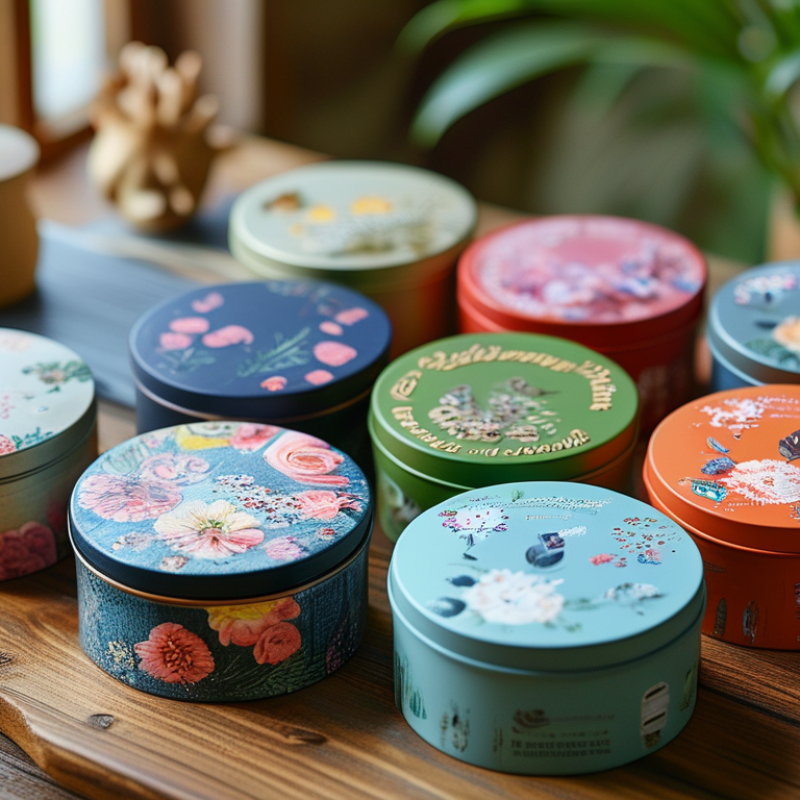
The round tin box market is witnessing transformative design trends in 2026. A recent report indicates that 67% of consumers favor sustainable materials. Eco-friendly options are reshaping the packaging landscape. Consumers are increasingly conscious of environmental impacts, pushing brands to adopt greener practices. This shift influences design elements, leading to innovative uses of recycled metals.
Minimalism is another key trend in round tin box design. Statistics show that 55% of buyers prefer simple, elegant designs. Clean lines and neutral colors dominate the aesthetic. These choices reflect a desire for functionality and sophistication. The use of negative space intensifies brand messages without overwhelming visuals. However, striking a balance between boldness and simplicity can be challenging for designers.
There is also a notable rise in personalization features. Research shows that 48% of global buyers value customizable packaging. Unique designs resonate strongly with consumers. Offering customizable elements can create a personal connection. Yet, brands must navigate the complexities of production and logistics to fulfill these demands effectively. Balancing innovation with practicality remains a driving factor in this evolving market.
The global market for round tin boxes is witnessing impressive growth. Various regions are experiencing different expansion rates. According to market research, North America shows a growth rate of about 5.2% annually. This demand is driven by the rise in e-commerce and gifting trends. In contrast, the Asia-Pacific region is growing even faster, with a projected compound annual growth rate (CAGR) of 6.5% through 2026. This area thrives on its diverse consumer base and increasing disposable income.
Europe, while mature, is maintaining steady growth at approximately 4.8%. Brands recognize the importance of sustainable packaging. Tin boxes are often seen as eco-friendly alternatives to plastic. A report from a leading packaging analysis group notes the increasing preference for recyclable materials driving this trend.
Tip: Engaging with local suppliers can help understand regional preferences better. This insight is crucial for making informed decisions. Customize your products based on these regional insights to significantly enhance your market reach. Continuous analysis of the market is essential, as trends may shift unexpectedly. Keeping an eye on these changes can help businesses adapt and stay ahead.
Sustainability in tin box production is becoming increasingly vital for the industry. As global buyers seek eco-friendly options, manufacturers must adapt. The focus on sustainable materials and practices is reshaping the market. Eco-conscious consumers want products that minimize environmental impact. This trend emphasizes the importance of recyclable and biodegradable materials in tin box production.
Many factories are now implementing greener processes. Sourcing tin from responsible mines helps reduce ecological damage. Energy-efficient manufacturing techniques further support sustainability goals. Despite these advancements, not all producers adhere to strict environmental standards. Gaps in practices can undermine consumer trust. Transparency in sourcing and production processes is essential for building credibility.
Regulations are also evolving, pushing for higher sustainability standards. Companies that lag behind may face challenges as buyers prioritize sustainability. The future of the tin box industry hinges on adapting to these changing expectations. Continuous improvement and innovation are key. Striving for excellence in sustainable practices can drive the industry forward.
Consumer preferences for round tin boxes are evolving. Data from recent market research shows that color plays a significant role in consumer choice. Bright, vibrant colors are dominating the market, with surveys indicating that 70% of consumers prefer eye-catching designs. Pastel shades continue to hold a niche appeal, but they represent a smaller segment of the market. Brands must stay alert to these shifts to meet consumer expectations effectively.
Size preferences are also noteworthy. Many buyers favor smaller, more portable options for convenience. Statistics reveal that 65% of consumers buy tin boxes under 500ml in capacity. This trend aligns with the growing demand for products that cater to on-the-go lifestyles. However, businesses should be cautious; oversaturation of small sizes could dilute brand identity. Effective market analysis can help balance variety and brand coherence in product offerings. The importance of these considerations cannot be overstated, as small missteps can lead to lost opportunities in this competitive landscape.
The competitive landscape for round tin boxes in 2026 is evolving rapidly. Numerous manufacturers are focusing on sustainability and innovative designs. Eco-friendly materials are emerging prominently. Buyers increasingly seek alternatives to plastic. The market is witnessing a surge in demand for biodegradable options. This trend aligns with global consumer preferences for greener packaging solutions.
Innovation plays a key role in this sector. Many companies are investing in advanced printing technologies. These techniques enhance visual appeal. Customization options have become essential, allowing brands to create unique packaging. However, balancing cost and quality remains a challenge. Manufacturers must navigate this complexity while maintaining standards.
Some companies are exploring smart packaging features. This includes integrations like QR codes. These elements can enhance user engagement. Yet, the reliability of these technologies is under scrutiny. Not all brands have mastered the integration effectively. As competition tightens, the focus on efficient supply chains is increasing too. Adapting quickly to market changes is crucial for survival.
: Consumers favor sustainable materials. Eco-friendly options are essential for modern packaging designs.
Minimalism is popular among buyers. Clean lines and neutral colors are widely appreciated.
Customization is highly valued. About 48% of consumers appreciate unique design options.
Balancing boldness and simplicity is difficult. Designers often struggle to convey strong messages effectively.
Innovation drives visual appeal and brand differentiation. Companies must adopt advanced techniques for relevance.
Smart packaging features, like QR codes, are being explored. However, their reliability varies greatly among brands.
Many companies are shifting towards biodegradable options. It's a direct response to consumer demand for greener products.
Balancing cost and quality is a significant hurdle. Companies often find it tricky to maintain high standards.
Customizable packaging creates a stronger bond with consumers. It enhances the overall purchase experience.
Efficient supply chains are essential as competition increases. Quick adaptation to market changes is necessary for success.
The article titled "2026 Best Round Tin Box Options for Global Buyers Trends" provides an in-depth exploration of the evolving landscape of round tin boxes. It highlights significant design trends predicted for 2026, emphasizing a global perspective that caters to diverse consumer needs. The market analysis section reveals varying growth rates of round tin boxes across different regions, underscoring the increasing demand driven by innovation and consumer preferences.
Additionally, the article delves into sustainability in tin box production, discussing industry standards that are shaping eco-friendly practices. Consumer preferences are highlighted, showcasing the preferences for colors and sizes that resonate with buyers. Finally, the competitive landscape is examined, spotlighting leading manufacturers and their innovative approaches that define the future of round tin boxes in the marketplace.

CR Tin