As consumers increasingly seek sustainable and attractive packaging, Tin Box Packaging has emerged as a top choice for global brands. This versatile option not only protects products but also enhances their visual appeal. In 2026, buyers will face an array of tin box designs, styles, and sizes. Selecting the right packaging can be challenging, especially when brands aim to stand out in a crowded market.
Though tin box packaging is popular, it is essential to consider its environmental impact. Recyclability and safety of materials used should always be prioritized. While many tin boxes are durable, some designs may bend or lose their shape. Buyers should reflect on their packaging choices and strive for quality in both aesthetics and functionality. Understanding the marketplace allows businesses to make informed decisions.
Effective tin box packaging can elevate brand perception. It conveys attention to detail and commitment to quality. Yet, it's crucial to balance cost with innovation. An appealing tin box may attract initial interest, but genuine customer satisfaction depends on the product inside. Making the right choices today paves the way for a successful future.
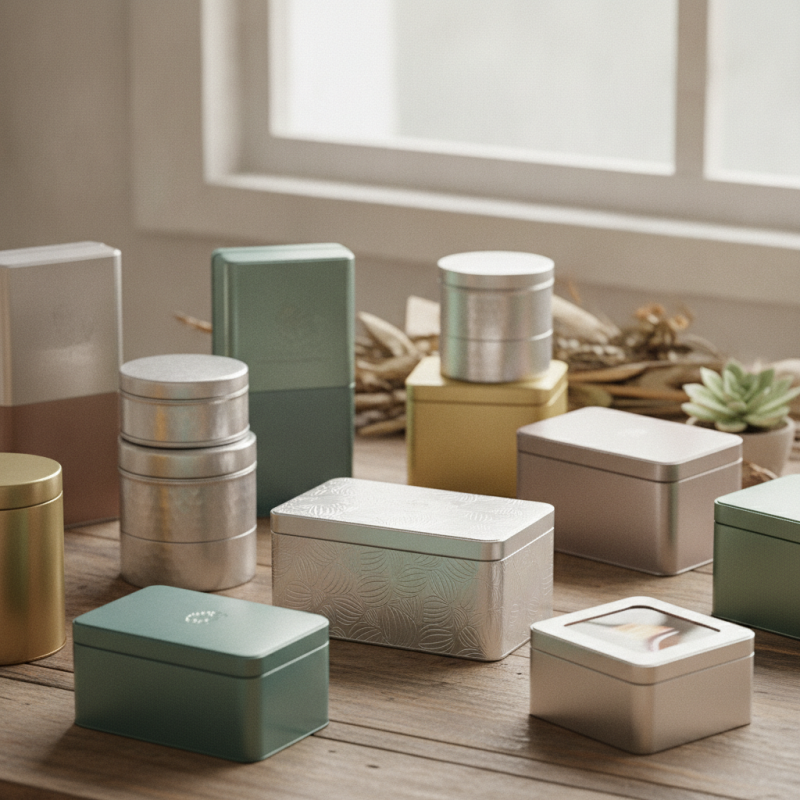
Tin box packaging offers numerous advantages for global markets. These boxes are not just durable; they are also visually appealing. Their strength ensures that products remain safe during transport. This feature is essential for businesses aiming to maintain product integrity. Furthermore, the customizable nature of tin boxes allows companies to attract consumers more effectively.
The aesthetic aspect of tin packaging cannot be overlooked. It often serves as an eye-catching design element on store shelves. Many brands find that a well-designed tin box can enhance perceived value. Customers often feel a connection to unique, artistic packages. However, some may argue tin boxes are more expensive compared to other materials. This perception can deter smaller companies from using them.
Despite the cost factor, the sustainability of tin packaging is increasingly important. Tin is recyclable, making it a responsible choice for environmentally conscious brands. There’s room for improvement in sourcing practices, though. Many companies need to ensure their tin is obtained ethically. Balancing aesthetics, cost, and sustainability can be challenging but rewarding. It invites brands to reflect on their values and consumer impact.
: Sustainability is a major trend, with companies adopting eco-friendly materials and methods to attract conscious consumers.
Brands are using unique designs, bright colors, and intricate patterns to create eye-catching packaging that connects with customers.
Multifunctionality means packaging can serve multiple purposes, such as storage or gift-giving, adding value for consumers.
Look for suppliers with industry experience and a strong track record. This indicates reliability and expertise.
Quality assurance ensures durability and appearance. Ask about suppliers' quality control processes to gauge their reliability.
Communication is vital. Prompt responses can prevent misunderstandings and lead to better partnerships.
No, do not sacrifice quality for a lower cost. Balance affordability with reliability for successful solutions.
Transparency about sourcing and production methods builds trust, especially for buyers seeking sustainable practices from manufacturers.
Up to 90% of tin can be recycled, though not all manufacturers utilize this renewable resource.
Inconsistent standards and a lack of accountability can hinder sustainable practices, leading to trust issues with buyers.
The article "2026 Best Tin Box Packaging Options for Global Buyers" provides a comprehensive overview of the benefits and trends associated with Tin Box Packaging. It highlights how this packaging solution stands out in the global market by offering durability, aesthetic appeal, and recyclability. The piece also delves into key trends to watch in 2026, including innovative designs that help products differentiate themselves on shelves and meet evolving consumer preferences.
Additionally, the article emphasizes the importance of selecting the right suppliers for Tin Box Packaging, considering factors such as reliability and sustainability. Eco-conscious buyers will appreciate the discussion of sustainable practices in tin box manufacturing, demonstrating the industry's commitment to environmentally friendly solutions. Overall, this article serves as a valuable resource for global buyers looking to enhance their packaging strategies with tin box options.

 CR Tin