In today's competitive market, packaging plays a crucial role in product presentation. A Tin Box stands out for its durability and aesthetic appeal. These boxes are not just visually striking; they offer a protective layer that keeps contents safe. Consumers appreciate the sturdy design that often outlasts paper or plastic options.
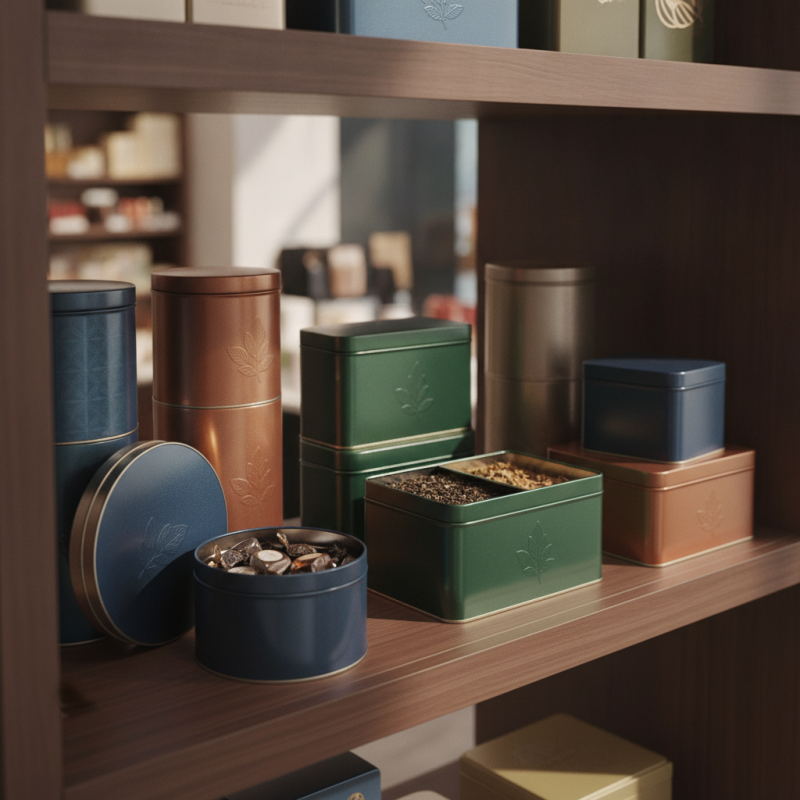
Choosing a Tin Box demonstrates a commitment to quality. This sturdy material can withstand various conditions, making it a reliable choice. Additionally, the versatility of Tin Boxes allows for unique designs that can enhance brand identity. Imagine eye-catching tin boxes displayed on store shelves, drawing customers' attention instantly.
However, some may question the use of Tin Boxes. While they are often more expensive upfront, their longevity can lead to cost savings over time. Investing in quality packaging shows a brand’s dedication to sustainability and customer satisfaction. Reflecting on these factors highlights the importance of thoughtful packaging decisions in building a brand's reputation.
Tin boxes have gained popularity in packaging due to their unique benefits. The data shows that the global tin box market is projected to grow at a compound annual growth rate of 4.5% from 2023 to 2030. This trend is driven by the rising demand for sustainable packaging. Tin boxes are recyclable, and this aspect aligns with the growing consumer preference for eco-friendly materials.
One major advantage of tin boxes is their durability. Unlike cardboard, they can withstand rough handling and protect products from external factors. Research indicates that products stored in tin boxes maintain their quality longer. This is particularly important for food products, as tin boxes provide an airtight seal. However, the higher manufacturing cost can be a concern for some businesses.
Aesthetic appeal is another noteworthy point. Tin boxes can be customized with intricate designs, enhancing brand visibility. It's interesting to note that consumers often perceive products in tin packaging as premium. Nonetheless, there can be challenges with inventory management due to varying sizes and styles. Finding a balance between variety and efficiency remains a common issue for many companies in the industry.
| Benefit | Description | Environmental Impact | Durability |
|---|---|---|---|
| Recyclability | Tin boxes are 100% recyclable, making them an eco-friendly packaging choice. | Low environmental impact due to high recyclability. | Highly durable and resistant to rust and corrosion. |
| Aesthetic Appeal | Tin boxes can be beautifully designed and printed, enhancing product presentation. | Promotes sustainable branding initiatives. | Sturdy construction that protects contents effectively. |
| Versatility | Suitable for a wide range of products, including food, cosmetics, and gifts. | Supports diverse packaging needs with lower waste. | Can withstand various conditions, ensuring product safety. |
| Protection | Offers excellent protection against moisture, light, and contamination. | Minimizes spoilage and waste in the supply chain. | Highly resistant to physical damage during handling. |
: Tin boxes are made of strong materials that protect contents from moisture and air.
They provide a hermetic seal, preserving freshness effectively and ensuring product integrity.
Over 70% of consumers choose metal packaging for its reliability and strength.
Yes, tin boxes offer robust protection and aesthetic appeal, with improved product safety reported.
Tin boxes are recyclable and have a lower carbon footprint than glass or plastic options.
The mining process can lead to habitat destruction and water pollution, necessitating awareness.
While the initial cost may be higher than plastic, tin boxes offer long-term savings through durability.
Yes, appealing designs can enhance brand value and encourage reuse, leading to customer loyalty.
Some businesses may find the initial investment daunting, but long-term benefits usually outweigh these concerns.
Evaluate product needs and potential savings when considering a switch to tin packaging options.
Tin Box packaging offers numerous advantages across various industries, making it a preferred choice for many businesses. These boxes are known for their durability and strength, ensuring that products remain safe and secure during storage and transportation. Furthermore, the customization options available for tin packaging allow brands to enhance their marketing efforts, creating a unique identity that stands out in a competitive market.
In addition to their practical benefits, Tin Boxes are also environmentally friendly, with a lower impact compared to other packaging materials. They are recyclable and contribute to sustainability efforts, appealing to environmentally conscious consumers. Lastly, from a cost-effectiveness perspective, Tin Boxes provide a viable solution for both businesses and consumers, balancing quality with affordability. Overall, choosing Tin Boxes for packaging needs is a smart investment that aligns with durability, customization, environmental responsibility, and cost efficiency.

 CR Tin