The Flip Tin Box has gained traction in various markets due to its unique design and practicality. This box is not just a container; it is a delightful blend of functionality and aesthetics. As more consumers seek eco-friendly and sustainable options, the Flip Tin Box hits the mark. Its reusable nature appeals to environmentally-conscious buyers, adding to its charm.
Moreover, the craftsmanship of these boxes reflects a commitment to quality. Each Flip Tin Box is crafted with precision, ensuring durability and a pleasing tactile experience. Users appreciate the smooth flip mechanism, making access easy and enjoyable. However, there is a challenge. Some may overlook the importance of choosing a sturdy variant. Without careful selection, one may end up with a less reliable product.
The desire for personalization also boosts the popularity of Flip Tin Boxes. They can be custom-designed, making them perfect for gifts or branding. Yet, one must consider whether their customizations truly stand out. In an oversaturated market, originality is key. This article will explore what makes the Flip Tin Box a favored choice among consumers and the reasons behind its growing appeal.
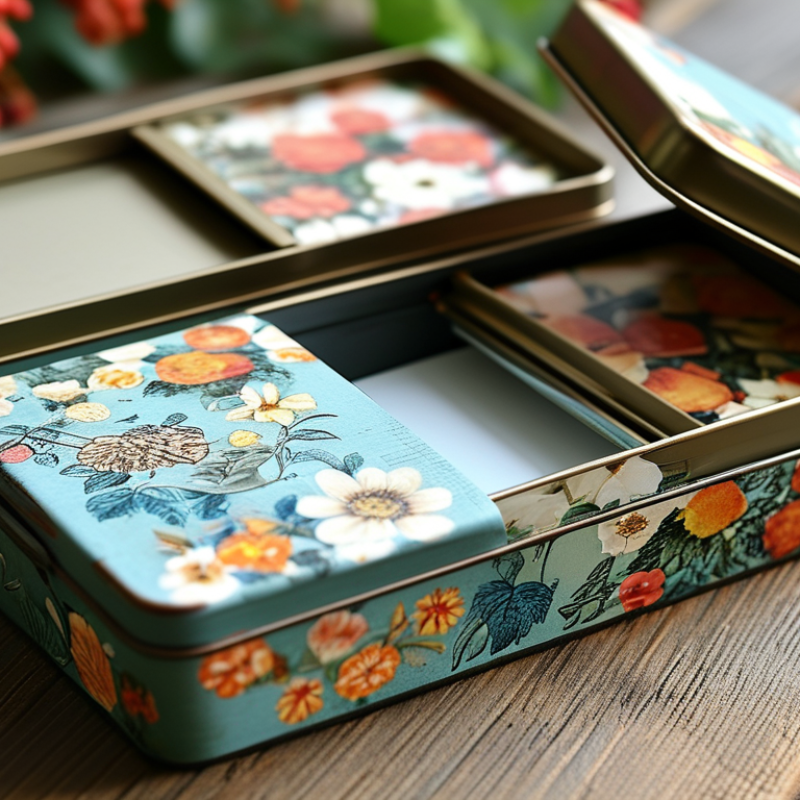
Flip tin boxes have become a favored option in consumer packaging for several reasons. Their distinctive design allows for easy access to contents. This accessibility appeals to customers who want convenience. The flip mechanism makes it simple to open and close, ensuring products remain secure yet easily reachable.
Functionality is a key aspect of the flip tin box. It provides excellent protection for various items, from food products to cosmetics. The strong metal material protects against moisture and external damage. Additionally, these boxes are often reusable, promoting sustainability in consumer behavior. This aspect aligns with growing environmental concerns.
However, it's important to consider that not all flip tin boxes are created equal. Quality can vary significantly among manufacturers. Some may not seal properly, leading to potential spoilage. Customers should be aware of this inconsistency when selecting a product. Metal packaging can also be heavier compared to alternative materials, which might deter some consumers. This is an area where ongoing innovation is needed to enhance usability and efficiency.
The flip tin box has a rich history that dates back to the early 19th century. Initially used for transporting small goods, these boxes became popular for their durability and ease of use. Over the decades, designs evolved, embracing various artistic styles. From intricate engravings to vibrant colors, designers began to explore creativity while maintaining functionality.
Tips: Consider the design that suits your needs. A vintage style could enhance your decor, while a modern version might offer practicality.
As the years progressed, flip tin boxes found their way into marketing and branding. Companies started using these boxes to package everything from mints to tea. This trend helped establish a unique identity for products. However, some box designs became overly complicated, straying from simplicity. This shift sometimes confused consumers rather than attracting them.
Tips: Look out for quality materials. A well-crafted flip tin box ensures better protection for its contents. Sometimes, simpler designs can be more visually appealing.
Today, the appeal of flip tin boxes remains strong. Their nostalgic charm attracts collectors, while others appreciate their functionality. The balance between aesthetics and utility continues to influence new designs. Yet, the challenge remains: how to innovate without losing the classic essence.
Flip tin boxes are gaining popularity due to their unique design and practicality. These containers often feature a hinged lid that flips open, making access easy and efficient. The materials used in their production greatly influence their durability and appeal. Commonly, they are made of high-quality tinplate, which boasts excellent resistance to rust and corrosion.
The manufacturing process typically involves several steps. First, sheets of tinplate are stamped into the desired shapes. Then they are formed and welded to create a sturdy structure. Afterward, surface treatments may be applied to enhance aesthetics and durability. This attention to detail is crucial in ensuring the final product meets quality standards.
When selecting a flip tin box, consider its purpose. Some boxes are better suited for food storage, while others are ideal for crafting or collectible items. Ensure the materials are non-toxic, particularly if for food use. Pay attention to the finish; a smooth surface is more appealing and easier to clean. Ultimately, the best flip tin box combines functionality with visual appeal.
Flip tin boxes are gaining significant traction in the market. Their unique design offers practicality and aesthetic appeal. Consumers are drawn to their sturdiness and eco-friendly nature. According to a recent industry report, the global tin packaging market is expected to reach $2.87 billion by 2026. This reflects a compound annual growth rate of 3.7% from 2021. The preference for sustainable packaging options is driving this trend.
Recent surveys indicate that 62% of consumers prioritize reusable packaging. Flip tin boxes are versatile and can be used for various products, from candies to cosmetics. This adaptability is a key factor in their popularity. Additionally, consumers appreciate the minimalist designs, which enhance shelf appeal. A notable 73% of shoppers report they are more likely to purchase products in appealing packaging.
Yet, challenges remain. Some consumers express concerns over the accessibility of tin boxes. Not everyone knows how to efficiently open them. This is a point for brands to consider. The industry must address these usage issues while capitalizing on the growing preference for sustainability. By improving functionality, flip tin boxes can further solidify their place in the market.
Flip tin boxes have gained significant traction in the packaging world. Their unique design and functionality appeal to various brands. Many successful companies have adopted flip tin boxes to
enhance their product presentation and secure their contents.
For instance, in the beauty industry, some brands use flip tin boxes for cosmetic products. These boxes offer protection while also allowing for creative designs. The tactile nature of tin adds a premium feel, which is attractive to consumers. However, some brands face challenges in balancing aesthetics and functionality. Ensuring the box is easy to open while remaining sturdy can be tricky.
In the food sector, certain companies incorporate flip tin boxes to package snacks or specialty items. This approach keeps products fresh and visually appealing. Yet, it can be difficult to achieve the right size and shape that appeals to consumers. Some brands struggle with inventory issues, as metal boxes might not be as lightweight as other packaging options. Adapting to these challenges is essential for long-term success.
: It is a container with a hinged lid, designed for easy access to contents.
They offer convenience, protection, and are often reusable, appealing to eco-conscious customers.
The lid flips open easily, making the contents secure yet accessible to users.
They are typically made from high-quality tinplate, known for its resistance to rust and corrosion.
No, quality can vary. Some may have sealing issues, risking spoilage or durability.
Yes, but ensure materials are non-toxic, especially if used for edible items.
Balancing aesthetics and functionality can be tricky, along with managing inventory issues.
Yes, they can be heavier, which might deter some consumers from choosing them.
Proper stamping, forming, and surface treatments are essential for durability and appeal.
Absolutely, many brands use them for unique designs while maintaining protection for products.
The Flip Tin Box is a versatile consumer packaging solution known for its practicality and aesthetic appeal. Designed to often feature a hinged lid, this packaging type offers ease of access and reusability, making it a popular choice among consumers. Historically, the Flip Tin Box has evolved significantly, reflecting changes in design trends and manufacturing technologies. Its construction typically involves durable materials that ensure longevity and protect the product inside.
In recent years, market trends indicate a growing preference for Flip Tin Boxes due to their sustainable and eco-friendly nature. Brands are increasingly adopting this packaging style to enhance product visibility and consumer engagement. Case studies show that successful brands leverage the unique attributes of Flip Tin Boxes to create memorable unboxing experiences, ultimately boosting customer loyalty and satisfaction. As consumer preferences continue to shift towards sustainable options, the Flip Tin Box stands out as a favored choice in the packaging industry.

CR Tin