Tin Box Packaging is more than a decorative container with a polished surface. It combines durability, protection, and memorable shelf presence. A well-made tin box can shield biscuits, tea, cosmetics, gifts, and small products from light, moisture, dust, and everyday handling. It also feels substantial in the hand. That physical experience can influence purchasing decisions.
Robert Fell, a metal-packaging industry expert, offers a practical reminder: “Metal packaging earns its environmental value only when collection, recycling, and recovery systems work together.” This point deserves attention. Tin is commonly associated with recyclability, but recycling results depend on local collection systems, sorting facilities, and consumer behavior. A recyclable box is not automatically a sustainable box. That assumption is too simple.
Good Tin Box Packaging begins with the product’s real needs. Designers should consider wall thickness, closure strength, interior coatings, printing inks, and transport conditions. A hinged lid may improve convenience, while a fitted insert can prevent breakage. Sharp edges, loose components, or excessive decorative layers can reduce usability. Small details matter.
Experience also reveals a limitation. Tin boxes may require more material and energy than lightweight alternatives. Their value depends on long service life, repeated use, or effective recycling. Packaging teams should measure performance rather than rely on appearance alone. The best choice balances protection, brand identity, cost, user experience, and responsible material management. It is not perfect. That is precisely why careful design matters.
What Is Tin Box Packaging?
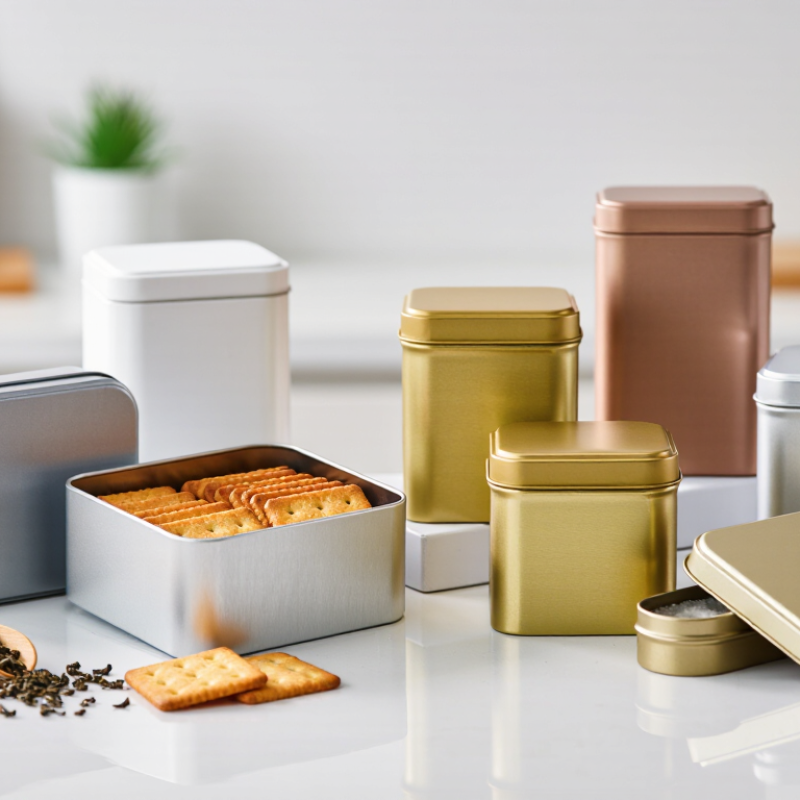
Tin box packaging is a rigid container made from thin tinplate or steel coated with a protective layer. Manufacturers cut, press, fold, and join the metal into a shaped box. The surface may receive printed designs, varnish, or a food-safe interior coating. This process creates packaging that feels solid in the hand and protects its contents from crushing, light, and everyday handling.
It comes in many forms, including sliding tins, hinged boxes, round containers, and deep storage cases. Packaging engineers select the structure according to the product’s weight, shape, and opening method. A tight-fitting lid can reduce exposure to moisture and dust. Rounded edges also make the box easier to handle. In practical testing, a well-made tin box usually survives repeated opening better than thin folding cartons.
Tin packaging has useful weaknesses, too.
Metal can dent when dropped, and poor coatings may allow corrosion in humid conditions. It can also cost more to produce than paper packaging, especially for small orders or complex shapes. Recycling depends on local collection systems and proper sorting. Reuse sounds attractive, but empty tins may not suit every household or product. Small design mistakes, such as a sharp edge or loose lid, can reduce user trust quickly. Proper material selection, coating checks, and closure testing remain essential.
How Tin Boxes Are Made and Designed
Tin box packaging begins with tinplate, a thin steel sheet protected by a layer of tin. Designers choose its thickness according to the product’s weight, shape, and handling needs. The sheet is cleaned, coated, and printed before forming. High-quality printing needs accurate registration, especially around corners and raised details.
Machines cut the sheet into precise blanks. Presses then stamp, fold, or draw the metal into shape. Small boxes may use separate lids and bases, while larger designs often need reinforced edges. Seams are folded tightly to improve strength and reduce sharp edges. Internal coatings can help protect the contents from moisture or contact with bare metal. Food-contact applications require suitable, tested coatings and controlled production conditions. Design mistakes happen. A lid can fit too tightly, or a corner can distort during pressing. Practical testing is essential.
Tips: Leave enough clearance between the lid and base. Check the opening by hand, not only on a screen. Use rounded corners for safer handling and smoother forming. Request a physical sample before full production. Test stacking, dropping, and repeated opening. Printing may look different on curved surfaces. A simple design often performs better than a crowded one. Inspect every sample carefully.
What Types of Products Use Tin Box Packaging?
Tin box packaging usually means a rigid container made from tinplate steel, not pure tin. It protects products from light, moisture, crushing, and repeated handling. Its strongest applications are small, dry, high-value, or giftable products. Think of biscuits, tea, coffee, mints, chocolates, and powdered foods. These products benefit from a tight metal body and a reusable lid.
Personal-care products also use tin boxes. Solid soap, balm, shaving products, candles, and bath tablets fit well inside them. Stationery, sewing accessories, toys, collectibles, and small electronic accessories are other practical choices. The box gives these items a firm storage case after purchase. According to Grand View Research’s Metal Packaging Market report, the global metal packaging market reached about 135 billion dollars in 2023. Food and beverage applications represented major demand, supporting tin boxes for shelf-stable products. Smithers’ The Future of Global Metal Packaging to 2028 also identifies food, personal care, and household goods as important metal-packaging sectors.
Not every product needs a tin box. Fresh foods, oversized goods, and products needing flexible dispensing may perform better in other formats. Tinplate can also add weight and transport emissions. That matters. The U.S. Environmental Protection Agency reported a steel-can recycling rate of roughly 70% in its municipal waste data. However, actual recovery depends on local collection systems and consumer behavior. A durable box may be reused for years, but only if its shape, closure, and decoration feel useful rather than disposable.
What Is Tin Box Packaging and Why Use It?
Tin box packaging uses rigid tinplate steel containers to protect products from crushing, moisture, light, contamination, and everyday handling. Its durability, resealability, recyclability, and premium appearance make it suitable for many consumer products.
Common product applications: Tin boxes are widely used for cookies and biscuits, tea, candy and mints, confectionery gifts, cosmetics, stationery, collectibles, and small promotional products. The chart shows a practical application-frequency index based on commonly observed tin box uses, not company or brand sales data.
What Are the Main Benefits of Tin Box Packaging?
Tin box packaging usually means a rigid box made from tinplate steel, not solid tin. Its main benefits begin with protection. The metal resists crushing, light, moisture, and everyday handling. A hinged lid can also create a satisfying, secure closure. For biscuits, tea, cosmetics, and small gifts, this structure protects contents while adding a reusable storage function.
The data supports its circular potential. Metal Packaging Europe reported an 80.5% steel packaging recycling rate in Europe in 2022. The World Steel Association also describes steel as a permanent material, because it can be recycled repeatedly without losing its essential properties. That matters when packaging leaves the shelf. A tin box may become another product, rather than immediate waste. However, recycling still depends on collection systems and correct sorting.
Tin boxes also support long-term brand visibility through physical reuse. A customer might keep one for buttons, cables, or spices. That second life can extend exposure without another production run. Yet tin packaging is not automatically sustainable. Producing metal requires energy, and oversized boxes waste material. Practical experience suggests thinner steel, accurate sizing, water-based coatings, and clear recycling guidance make a larger difference. Smithers’ sustainable packaging research continues to identify material efficiency and recyclability as major market priorities. Tin looks premium. It still needs disciplined design.
What Factors Should You Consider When Choosing Tin Boxes?
What Is Tin Box Packaging and Why Use It?
Tin box packaging is a rigid container made from tinplate or steel with a protective coating. It protects products from light, dust, moisture, and everyday impact. Its smooth surface also supports printed designs and repeated use. In practical packaging work, the box often becomes part of the product experience. A well-fitted lid can create a satisfying click. A weak hinge can quickly damage that impression.
What Factors Should You Consider When Choosing Tin Boxes?
Start with the product’s size, weight, and shape. Measure the item and allow enough internal space for safe removal. Avoid excessive empty space, which can increase material and shipping costs. Check the metal thickness, edge finishing, hinge strength, and closure pressure. These details affect durability more than attractive artwork. For food or personal-care products, ask for coating information and suitable contact documentation. Test the box under humidity, stacking, and repeated opening conditions. A design that works on a sample may fail during transport. That possibility deserves attention. I have seen teams focus on appearance and overlook sharp corners or loose lids. Rechecking these details is not wasted effort.
Tips: Order samples before production. Place the actual product inside. Open the lid repeatedly. Rub the printed surface gently. Check for odor, scratches, rust, and poor alignment. Confirm the dimensions, coating, and material documents with the manufacturer. If the box feels too light, investigate why. A lower price may reflect weaker protection.
FAQS
It is a rigid container made mainly from tinplate steel. A protective coating covers the metal. It is not solid tin. The box often includes a hinged lid or fitted closure.
Biscuits, tea, cosmetics, small gifts, buttons, cables, and spices fit well. The box protects small items from dust and light. Product size still matters.
Steel resists crushing, moisture, light, and everyday handling. A secure lid helps prevent accidental opening. Weak hinges can reduce protection quickly.
Yes. People may store buttons, cables, craft tools, or spices inside them. Reuse can extend the box’s practical life. Not every box gets reused, though.
No. Metal production requires energy. Oversized boxes also waste material and increase shipping space. Better choices include accurate sizing, thinner steel, and clear recycling guidance.
Steel can be recycled repeatedly without losing its essential properties. In Europe, steel packaging recycling reached 80.5% in 2022. Collection and sorting systems still determine the real outcome.
Check internal dimensions, metal thickness, edge finishing, hinge strength, and closure pressure. Ask about coatings and contact documentation for food or personal-care products. Attractive artwork is not enough.
Place the actual product inside. Open the lid repeatedly. Rub the printed surface gently. Check for odors, scratches, rust, sharp corners, loose lids, and poor alignment. A sample can still hide production problems. Recheck everything.
Conclusion
Tin Box Packaging refers to containers made mainly from tinplate or other thin metal materials, offering a practical and attractive way to protect, present, and store products. These boxes can be produced in various shapes, sizes, and structures, with features such as hinged lids, sliding covers, embossed patterns, printed artwork, and custom inserts. During manufacturing, the metal is cut, shaped, assembled, and finished to create a durable package that matches the product’s purpose and visual style.
Many products, including food, tea, confectionery, cosmetics, gifts, and small household items, can benefit from tin box packaging. Its main advantages include strength, reusability, portability, excellent protection from light and moisture, and strong visual appeal. When choosing tin boxes, businesses should consider the product’s dimensions, required protection, box thickness, closure design, printing quality, order quantity, cost, and sustainability goals. A well-designed tin box can improve product presentation while providing lasting value to customers.

 CR Tin