
What Are the Top Candy Tin Box Manufacturers Worldwide?

Time:2026-09-23 Author:Mason
0%

The global Candy Tin Box market is shaped by more than attractive printing. Buyers now examine material quality, production consistency, food-contact safety, recyclability, and delivery reliability. Smithers’ metal-packaging outlook highlights lightweighting, sustainable materials, and improved recycling systems as major industry directions. Meanwhile, PMMI reports continued investment in packaging automation, inspection, and flexible manufacturing. These trends make manufacturer selection increasingly technical.

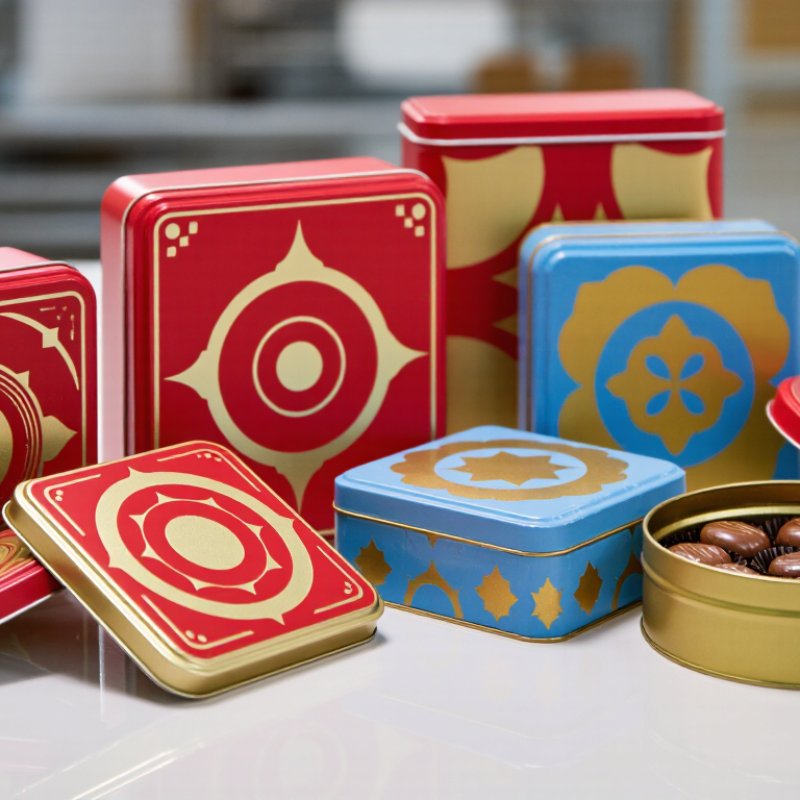
A useful perspective comes from David Luttenberger, a respected packaging-industry analyst associated with Mintel: “Packaging is the silent salesman.” For candy tins, that salesman must work on a crowded retail shelf. It should feel solid in the hand, close without sharp edges, and protect chocolates from moisture and odor. A bright red lid may attract attention, but weak hinges or uneven seams can quickly damage consumer trust.

This guide examines leading Candy Tin Box manufacturers worldwide through practical criteria, including design capability, tinplate quality, printing accuracy, tooling experience, certifications, minimum order quantities, and export performance. Industry directories and market reports offer helpful signals, but rankings are rarely clean. A large factory may provide scale, yet a smaller specialist may deliver better prototypes or faster customization. The best choice depends on product volume, budget, destination market, and packaging complexity. Some supplier claims also deserve closer checking. Factory photos are not proof of capacity. Certifications should be verified, not merely displayed.

What Are the Top Candy Tin Box Manufacturers Worldwide?

Candy Tin Boxes Defined: 0.14–0.49 mm Tinplate, Forms, and Uses

Candy Tin Boxes Defined: 0.14–0.49 mm Tinplate, Forms, and Uses

Candy tin boxes are rigid containers made from tinplate, a low-carbon steel sheet coated with tin. Commercial thicknesses commonly range from 0.14 to 0.49 mm. Thinner gauges reduce weight, while thicker sheets improve stiffness and dent resistance. The right choice depends on box size, shape, stacking pressure, and decoration requirements. It is not simply a matter of choosing the thickest material.

Common forms include two-piece deep-drawn tins, three-piece soldered or welded bodies, hinged-lid boxes, slip-lid containers, and custom-shaped designs. Small round tins suit mints and drops. Flat rectangular tins protect chocolate pieces during transport.

Embossed panels add grip and visual depth, but they may increase tooling complexity and production waste. I have seen attractive samples fail during lid testing.

Industry data also supports careful material selection. The International Tin Association’s market reviews generally place tinplate packaging near 15% of global refined tin demand, although the share changes annually. Smithers’ packaging studies identify recyclability and lightweighting as continuing priorities in metal packaging. These findings matter for candy tin manufacturers worldwide.

A reliable supplier should provide measured sheet thickness, coating information, dimensional tolerances, and migration-compliance documents. Packaging performance also depends on clean forming, accurate seams, and internal coatings suitable for dry confectionery.

A specification can still fail. Testing remains essential.

Global Market Evidence: 2024 Size, 2030 Forecast, and CAGR by Region

What Are the Top Candy Tin Box Manufacturers Worldwide?

Global Market Evidence: 2024 Size, 2030 Forecast, and CAGR by Region

A credible comparison starts with market evidence, not factory claims. In 2024, the global candy tin box market is estimated at about US$1.2 billion. It could reach nearly US$1.7 billion by 2030, reflecting an approximate 5.8% CAGR. This working estimate includes decorative, seasonal, and promotional candy tins. It excludes most general food cans. Scope matters.

Regional growth is uneven. Asia-Pacific may record about 7.1% CAGR through 2030, supported by expanding confectionery production and export packaging. North America could grow near 4.9%, while Europe may reach approximately 4.4%. Latin America is estimated at 5.6%, and the Middle East and Africa near 5.0%. These figures are directional, because shipment data and packaging definitions differ between research firms.

The strongest manufacturers should be assessed beyond annual output. Look for verified food-contact documentation, consistent steel thickness, accurate color registration, reliable tooling, and transparent defect controls. Production audits also reveal practical details, including line speed and sampling discipline. A smaller factory can outperform a larger one on complex shapes. That is easy to overlook. Buyers should compare delivered cost, minimum order quantity, lead time, and recycled-content claims. Market forecasts remain useful, but they are not perfect; changing candy demand and metal prices can quickly alter the 2030 picture.

Manufacturing Workflow: Six Stages from Tinplate to Finished Candy Tins

What Are the Top Candy Tin Box Manufacturers Worldwide?

Manufacturing Workflow: Six Stages from Tinplate to Finished Candy Tins

Reliable candy tin production starts with careful material inspection. Technicians check tinplate thickness, surface cleanliness, hardness, and protective coating condition. Small flaws can become visible after forming. That is why incoming inspection matters. The sheet is then cleaned and coated when the design requires added color protection. High-resolution printing follows, using measured ink layers and controlled drying. Registration must remain accurate around edges, seams, and decorative panels. It is not always perfect.

The third stage involves slitting and blanking the tinplate into precise shapes. Cutting tools need regular adjustment to prevent rough edges. In the fourth stage, stamping presses form the lid, base, hinges, or special contours. Operators monitor pressure, alignment, and metal stretching during each production run. A well-made tin should close smoothly without sharp corners. Still, complex shapes may show minor variation. Experienced teams inspect samples instead of trusting machinery alone.

Assembly creates the finished structure. Lids, bases, and optional inserts are fitted, then checked for secure movement and clean contact. The final stage is quality control and packing. Inspectors review dimensions, print clarity, closure strength, surface scratches, and carton protection. Random samples may undergo repeated opening tests and transport simulation. Production records also connect defects with specific batches. This evidence supports practical improvements, although no workflow removes every possible error. Careful manufacturers keep refining the process through inspection results, operator experience, and customer feedback.

Food-Safety Benchmarks: EU 1935/2004, FDA 21 CFR, and ISO 22000

What Are the Top Candy Tin Box Manufacturers Worldwide?

Leading candy tin box manufacturers should prove more than attractive printing and fast production. Food safety begins with material control. EU Regulation 1935/2004 requires food-contact materials to avoid harmful transfer under normal use. Manufacturers also need traceability and suitable migration testing. EU GMP rules add production-control expectations.

For the United States, FDA 21 CFR requirements depend on the metal, coating, ink, and adhesive used. A tin box may look clean, yet its internal lacquer needs documented compliance. ISO 22000 adds a certified food-safety management system, including hazard analysis, supplier control, and corrective actions. It does not replace legal approval. ISO’s 2023 Survey shows ISO 22000 remains widely adopted across global food supply chains. WHO estimates contaminated food causes 600 million illnesses yearly. That figure makes weak documentation difficult to defend.

Tips: Ask for current declarations of compliance, coating specifications, migration-test reports, batch traceability, and ISO 22000 certification scope. Check whether testing covers the actual candy, storage time, and temperature. Inspectors should review production records, not only certificates. A gap remains: some suppliers present polished paperwork but limited evidence from real factory conditions. Independent audits can expose that difference. Specifications should also be reviewed after any coating or ink change.

Top Worldwide Manufacturers: Capacity, MOQ, Certifications, and Export Data

When comparing candy tin box manufacturers worldwide, capacity should be measured beyond factory size. Experienced suppliers often produce 5–30 million tins monthly, depending on tin shape, printing method, and seasonal demand. A large facility may still struggle with intricate embossing or short delivery windows. Ask for recent production records, equipment lists, and average lead times.

Minimum order quantities commonly range from 3,000 to 20,000 pieces per design. Smaller orders may require digital printing or standard molds, while custom dies increase tooling costs. Reliable manufacturers should provide food-contact test reports, ISO 9001 certification, and evidence of responsible workplace audits. Certifications can expire. Verify the certificate number and issuing body directly.

Export data offers another useful comparison. Customs databases may show shipment frequency, destination markets, declared quantities, and product codes. However, these records can combine empty packaging with finished promotional tins. They are not perfect. Check at least twelve months of data, then compare it with customer references and inspection reports. In my experience, consistent repeat shipments reveal operational reliability better than one unusually large order. Some factories publish impressive capacities, yet their actual export volume remains unclear. That gap deserves careful questioning.

FAQS

What are candy tin boxes made from?

They are rigid containers made from low-carbon steel coated with tin. This material is called tinplate. It offers strength, printability, and recyclability.

What tinplate thickness is commonly used?

Commercial thicknesses commonly range from 0.14 to 0.49 millimeters. Thinner sheets reduce weight. Thicker sheets resist dents and stacking pressure better. The thickest option is not always the best.

How should manufacturers choose the correct thickness?

Consider the box size, shape, stacking load, and decoration requirements. Small round tins may need less stiffness. Large or deep boxes usually require stronger material. Testing should confirm the choice.

Which shapes are available for candy tins?

Common forms include round, rectangular, hinged-lid, slip-lid, and deep-drawn designs. Three-piece bodies may use soldered or welded seams. Custom shapes can create stronger visual appeal. They may also increase tooling waste.

What are embossed panels used for?

Embossed panels add grip and visual depth. They can make a flat lid feel more substantial. However, complex embossing may increase tooling costs and production waste. Attractive samples can still fail lid tests.

How are candy tins manufactured?

Production begins with checking thickness, surface cleanliness, hardness, and coating condition. Sheets are printed, dried, cut, and formed. Operators then assemble lids, bases, hinges, and inserts. The process is detailed.

What quality checks are important?

Inspectors check dimensions, print clarity, closure strength, scratches, and carton protection. Samples may undergo repeated opening tests and transport simulation. Sharp corners and rough edges require attention. Small flaws spread.

What documents should a reliable supplier provide?

A supplier should provide measured thickness, coating details, dimensional tolerances, and migration-compliance documents. Internal coatings should suit dry confectionery. Production records should trace defects to specific batches. Paperwork alone cannot prove performance.

Are candy tin boxes recyclable?

Tinplate packaging is generally recyclable through suitable metal-recycling systems. Lightweighting can reduce material use and transport weight. Recycling results depend on local collection facilities. This detail is easy to overlook.

Can manufacturing defects be completely eliminated?

No manufacturing workflow removes every possible error. Forming may create minor variation, and printing registration is not always perfect. Regular inspections and customer feedback help reduce recurring defects. Testing still matters.

Conclusion

This article provides a practical overview of the global Candy Tin Box industry, beginning with the definition, material range, shapes, and common applications of tinplate packaging. It explains how tinplate thickness, typically between 0.14 and 0.49 mm, influences durability, appearance, and production suitability. The article also examines global market evidence, including the estimated 2024 market position, the projected outlook toward 2030, and regional CAGR trends, helping readers understand demand across major markets.

The manufacturing section outlines six key stages, from tinplate preparation and printing to forming, assembly, inspection, and final packing. It also summarizes essential food-safety benchmarks, including EU Regulation 1935/2004, FDA 21 CFR requirements, and ISO 22000 principles. Finally, readers can compare leading worldwide manufacturers by production capacity, minimum order quantities, certifications, and export performance, supporting informed sourcing decisions without focusing on any specific brand.

Mason

Mason

Mason is a seasoned marketing professional with a deep expertise in the company's offerings and a passion for driving brand awareness. With a strong background in digital marketing strategies, he has an innate ability to connect with diverse audiences and effectively communicate product benefits.......