Why Choose Gummies Tin Boxes for Global Sourcing?

Time:2026-09-13 Author:Charlotte
0%

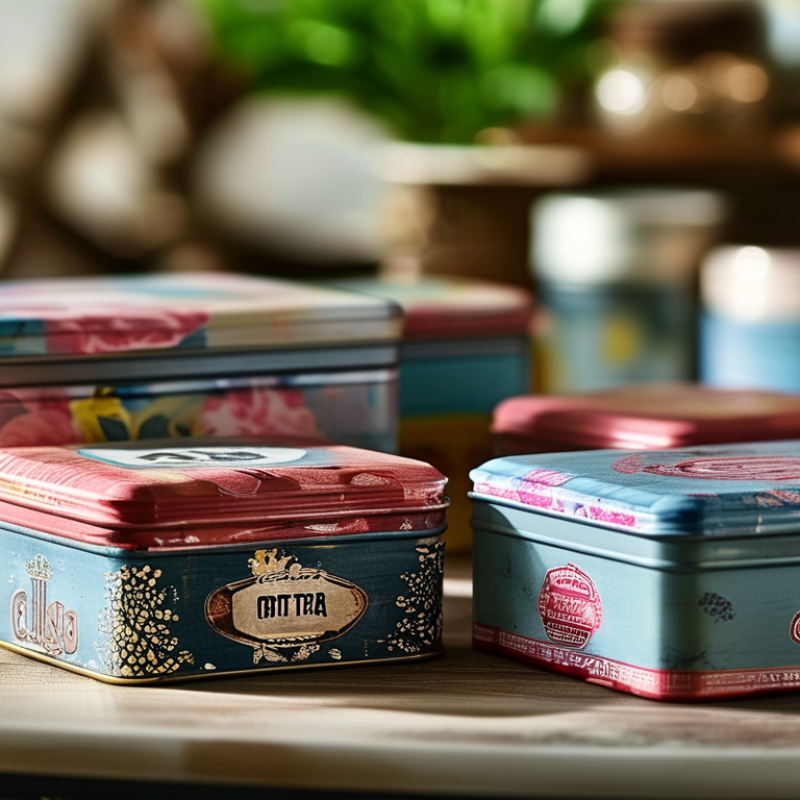
Global sourcing demands more than an attractive package. It requires protection, consistency, compliance, and predictable costs. A Gummies Tin Box can support these goals with a rigid steel body, fitted lid, and compact shipping profile. It helps protect gummies from crushing, dust, and repeated handling during international transport. Small details matter. Lid pressure, coating quality, and inner cleanliness can affect the final customer experience.

Elena Marlowe, a packaging engineer specializing in confectionery containers, says, “A reliable tin begins with product protection, not decoration.” Her point is practical. Buyers should review food-contact documentation, coating specifications, factory quality controls, and sample performance before placing large orders. A colorful prototype may look excellent, yet fail after vibration testing or long warehouse storage.

For global sourcing teams, a Gummies Tin Box also offers flexible branding. Embossed logos, matte finishes, and printed artwork can create a memorable shelf presence. Standard sizes may reduce tooling expenses and simplify replenishment. Custom dimensions can improve product fit, but they usually increase minimum order quantities and lead times. That trade-off deserves honest calculation.

Tins are reusable and widely recyclable, but sustainability claims need evidence. Material composition, transport distance, and recycling access all matter. The package is not automatically green. It needs responsible design.

Suppliers should provide production samples, inspection reports, and clear shipping terms. Buyers should compare more than the unit price. A low quotation can hide weak seals, inconsistent printing, or expensive rework. With careful verification, this container becomes a practical sourcing choice rather than merely a decorative box.
Why Choose Gummies Tin Boxes for Global Sourcing?

What Are Gummies Tin Boxes and How Are They Used?

Gummies tin boxes are rigid metal containers designed to hold gummy candies in a clean, portable format. Most use tinplate steel with a food-contact coating and a fitted lid. Their shape may be round, rectangular, or custom formed. Inside, a small liner or sealed pouch can reduce moisture exposure. That detail matters because gummies may become sticky, hard, or misshapen during storage. They look simple. The engineering is not.

In practice, these boxes serve retail shelves, seasonal gift sets, travel packs, and promotional sample kits. Consumers can open them repeatedly without tearing the package. The empty box may later hold small household items, improving its practical value. For global sourcing, buyers usually review metal thickness, dimensions, hinge strength, surface finish, and coating documentation. They should also request migration test reports and production samples before approving a large order. A sample often reveals sharp edges, loose lids, or color differences that drawings miss. This is where careful sourcing becomes more than price comparison.

Tin boxes protect contents from crushing better than flexible bags, but they are not moisture-proof by themselves. Gummies still need suitable inner packaging and controlled storage. Tins can dent during transport, and intricate shapes may raise tooling costs. That trade-off deserves honest discussion. Suppliers should provide material declarations, recycling information, carton details, and consistent inspection records. Clear specifications reduce misunderstandings across languages, factories, and shipping routes. I would not treat a decorative finish as proof of quality. The coating, closure, cleanliness, and repeatability matter more.

Why Are Gummies Tin Boxes Suitable for Global Sourcing?

Why Are Gummies Tin Boxes Suitable for Global Sourcing?

Gummies tin boxes suit global sourcing because they protect products during long, complex journeys. Their rigid steel walls resist crushing, moisture, and repeated handling. This matters when cartons move through humid ports, warehouses, and delivery networks. The Grand View Research Gummy Market Report identifies strong double-digit growth in the global gummy category. More gummies require packaging that travels reliably, not merely attractive packaging.

Tin also supports consistent international production. Standard shapes simplify filling, stacking, labeling, and pallet planning. Lightweight designs can reduce shipping volume, although metal is not always the lightest option. That trade-off needs real testing. The Smithers report, The Future of Global Packaging to 2028, highlights sustainability, supply resilience, and material efficiency as major packaging priorities. Tin boxes respond well to these demands because steel is widely recyclable through established collection systems. The World Steel Association reports that steel remains one of the world’s most recycled materials.

Practical sourcing experience shows another advantage: tin boxes tolerate repeated opening and closing better than many flexible packs. Their flat surfaces also provide space for batch codes, ingredient information, and market-specific labels. However, decoration quality can vary between factories. Small color differences may appear under different printing conditions. Buyers should request production samples, food-contact documentation, migration testing, and drop-test results before placing large orders. This step feels slower, but it prevents expensive surprises across borders.

Which Materials, Sizes, and Designs Can Buyers Choose?

Why Choose Gummies Tin Boxes for Global Sourcing?

Which Materials, Sizes, and Designs Can Buyers Choose?

For global sourcing, gummies tin boxes offer a practical balance of protection, presentation, and transport efficiency. Buyers can choose food-contact-grade tinplate with a protective inner coating. This layer helps reduce contact between the product and metal. Some projects also use recycled steel content, but suppliers should confirm the exact percentage. Material certificates and migration test reports are essential. Visual confidence is not enough.

Sizes should match the gummies, pouch, or inner tray. Small tins suit sample packs and travel formats. Medium tins work well for daily-use quantities. Larger tins may improve shelf impact, but they can increase shipping volume and empty space. I have seen buyers select attractive dimensions before checking pallet loading. That choice often raises costs. A better process measures product weight, headspace, closure strength, and carton efficiency together.

Tips:

Request a physical sample before approving mass production. Test the lid after repeated opening. Check dents, coating quality, odor, and print accuracy. Designs may include hinged lids, slip covers, embossed patterns, matte finishes, or full-color printing. Rounded corners feel comfortable, while window designs improve visibility. However, windows can complicate recycling and sealing. Simple designs are not always better, but unnecessary details can weaken cost control. Supplier audits and batch inspections add reliability. Specifications should be written clearly, not assumed from sample photos.

How Do Gummies Tin Boxes Support Branding and Product Protection?

Gummies tin boxes give a product a clear physical identity before the lid opens. Their smooth metal surface supports sharp color printing, embossed logos, and tactile finishes. According to Smithers’ The Future of Global Packaging to 2028, packaging value is increasingly influenced by design, convenience, and material performance. A tin can turn those factors into a compact shelf signal. It feels deliberate. It also travels well in retail displays and promotional shipments.

Protection is equally important. A fitted tin helps reduce crushing, dust exposure, and accidental opening during handling. Its rigid walls can protect soft gummies from pressure that may deform pouches or thin cartons. The metal also offers strong resistance to light, supporting more stable product presentation. However, tins do not replace correct sealing, moisture barriers, or food-contact compliance. A beautiful box can still fail.

Small details matter. A tight lid, clean interior coating, and suitable insert can prevent movement and scuffing. The Packaging Industry Association reports that packaging waste reduction and material efficiency remain major purchasing considerations across supply chains. Tin boxes can support reuse, but only when their size and construction suit repeated handling. Otherwise, the sustainability claim becomes weak. That deserves honest review. Packaging trials should include drop tests, humidity exposure, stacking checks, and artwork inspection. According to Grand View Research, the global confectionery packaging market continues to expand with demand for attractive, convenient formats. For global sourcing, a tested tin offers branding value and dependable protection, but quality control must remain the deciding factor.

Why Choose Gummies Tin Boxes for Global Sourcing?

How do gummies tin boxes support branding and product protection? Their rigid steel structure helps protect gummies from crushing, while the printable metal surface creates a durable area for colors, logos, and product information.

Packaging sustainability context: Tin boxes are made from steel-based tinplate, placing them in the steel packaging category. In the U.S. Environmental Protection Agency’s 2018 data, steel cans recorded a 70.9% postconsumer recycling rate, higher than glass containers and plastic containers. This recyclable material profile, combined with strong protection and large decoration surfaces, makes tin boxes suitable for globally sourced gummy packaging.

Source: U.S. Environmental Protection Agency, Advancing Sustainable Materials Management: 2018 Fact Sheet.

What Should Importers Check Before Placing an Order?

When sourcing gummies tin boxes globally, importers should inspect more than appearance. The box must fit the product without crushing pieces or leaving excessive movement. Ask for exact internal dimensions, metal thickness, lid tolerance, and empty weight. A practical sample test can reveal sharp edges, loose lids, or difficult opening. These problems often appear after production, not during a sales presentation.

Tips: Request production samples before approving a large order. Check the inner coating, odor, color consistency, and resistance to oil or moisture. Confirm that materials are suitable for direct or indirect food contact in the destination market. Ask the supplier for current test reports, material declarations, and batch traceability records. Do not rely only on copied certificates. Verify issuing laboratories when possible. Also review the factory’s quality process, inspection points, minimum order quantity, and replacement policy for defective units.

Shipping details deserve equal attention. Confirm carton strength, pallet dimensions, stacking limits, and protection against humidity. A tin may look strong, yet dents easily when packed poorly. Clarify printing colors, artwork approval, barcode placement, and tolerance for small surface marks. Written specifications reduce misunderstandings across languages and time zones. I have found that cheap unit pricing can hide tooling, inspection, or customs-related costs. That lesson is easy to overlook. Before placing the order, compare the approved sample with the final purchase contract, including delivery dates and acceptable defect levels.

FAQS

What are gummies tin boxes made from?

Most are made from food-contact-grade tinplate steel. A protective inner coating helps reduce direct metal contact. Ask for material certificates and migration test reports.

How do tin boxes protect gummy candies?

Their rigid walls help prevent crushing during storage and transport. They do not provide complete moisture protection. Use a sealed pouch or inner liner when needed.

Which tin box sizes suit different gummy quantities?

Small tins fit samples and travel packs. Medium tins suit regular daily quantities. Large tins may improve shelf presence but increase shipping volume.

How should buyers select the right dimensions?

Measure the gummies, pouch, headspace, and inner tray together. Check carton space and pallet loading before approving the shape. Attractive dimensions can become expensive mistakes.

Which closure and design options are available?

Buyers can choose hinged lids, slip covers, rounded corners, embossed surfaces, or matte finishes. Full-color printing is also possible. Simple may work better.

What quality checks should buyers perform before mass production?

Request a physical sample and open the lid repeatedly. Check sharp edges, loose closures, dents, odors, coating quality, and print accuracy. Samples sometimes expose problems drawings hide.

Are decorative finishes evidence of high quality?

Not necessarily. Closure strength, cleanliness, coating performance, and production consistency matter more. A beautiful surface can still hide weak construction.

Can these boxes be reused or recycled?

Empty boxes may hold buttons, clips, or other small household items. Steel is generally recyclable, but coatings and windows can complicate recycling. Request clear recycling information.

What documents should global buyers request from suppliers?

Request material declarations, migration reports, production samples, carton details, and inspection records. Confirm recycled steel content when claimed. Photos alone are not enough.

Conclusion

Gummies Tin Box packaging offers a practical and attractive solution for storing, protecting, and presenting gummy products. These metal containers are commonly used for supplements, confectionery, and other small items because they are durable, lightweight, resealable, and easy to transport. For global sourcing, buyers can choose from different tinplate materials, capacities, shapes, lid styles, finishes, and decoration methods to match product requirements and target markets. Standard sizes may support efficient production, while custom dimensions and designs help create a distinctive package.

A Gummies Tin Box also supports branding through printed graphics, embossed details, color choices, and carefully planned layouts, while its solid structure helps protect contents from crushing, dust, and handling damage. Before placing an international order, importers should confirm material quality, dimensions, closure performance, printing accuracy, food-contact suitability where applicable, packaging specifications, production capacity, sample approval, lead times, and shipping arrangements. Clear communication and quality inspections can reduce risks and ensure the boxes arrive ready for safe, effective product presentation.


Charlotte

Charlotte

Charlotte is a seasoned marketing professional with a deep understanding of the company's portfolio and a passion for elevating its presence in the market. With a keen eye for detail and a commitment to excellence, she ensures that our professional blog is regularly updated with insightful articles......