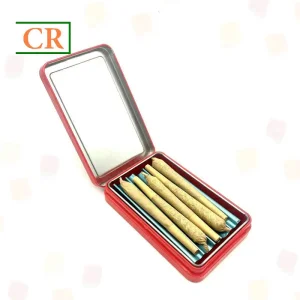
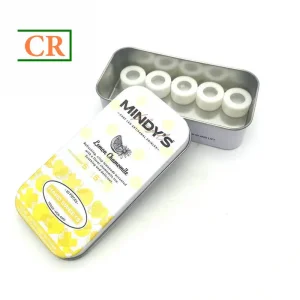
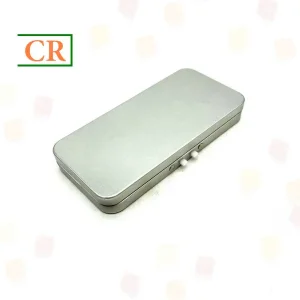
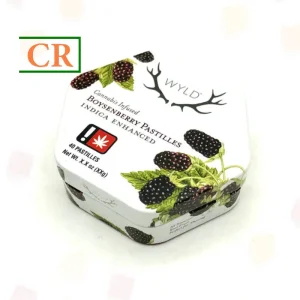
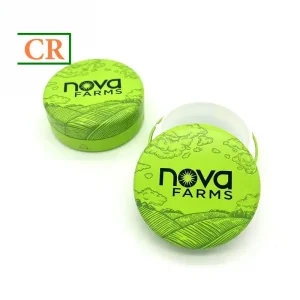
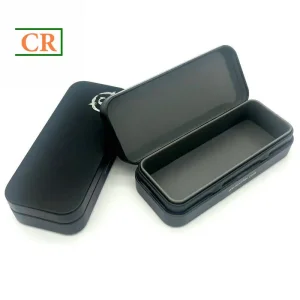
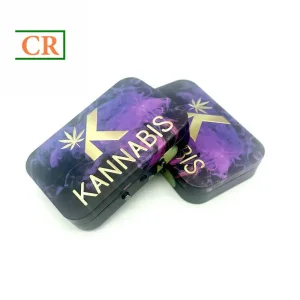
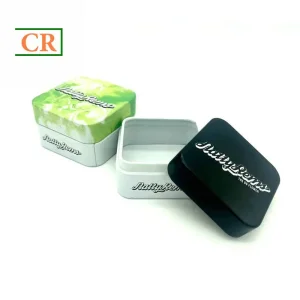
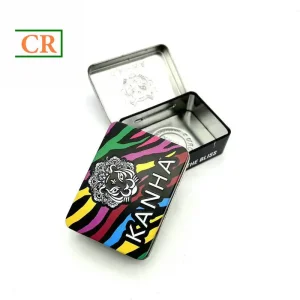
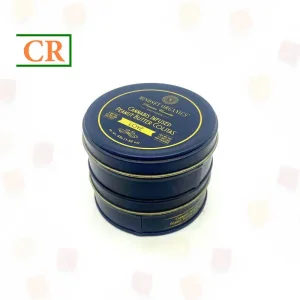
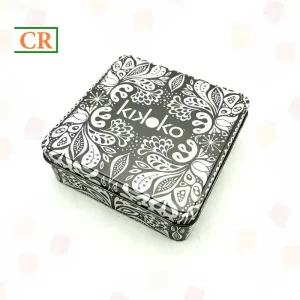
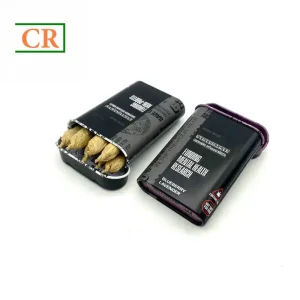
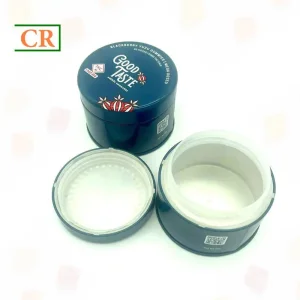
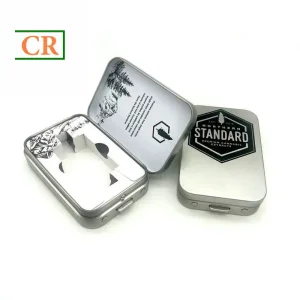
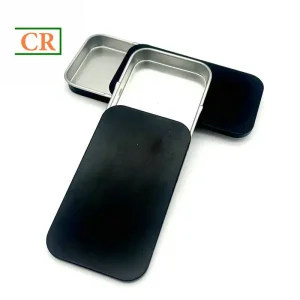
Explore our flagship catalog of airtight, certified child-resistant tin cases, meticulously built for highly volatile commodities, pharmaceuticals, and pre-rolls.
How airtight metal packaging is shaping the global industrial landscape under strict climate compliance and sustainability guidelines.
In the modern manufacturing landscape, packaging has transitioned from a simple container utility to a critical component of product lifecycle management, brand differentiation, and compliance. Globally, the demand for Custom Airtight Tin Boxes has surged, driven primarily by the global shift away from single-use plastics and the expansion of strict regulatory frameworks governing medical, chemical, and recreational products. The rise of high-barrier protection is no longer optional; it is a fundamental requirement to prevent the degradation of volatile substances, food-grade materials, and sensitive chemical formulas.
As governments globally enforce extended producer responsibility (EPR) mandates, metal packaging stands out due to its permanent circular economy properties. Unlike plastics, which degrade in quality through recycling phases, tinplate steel remains fully recyclable with zero loss of structural properties. This macro shift has forced brands in North America, the European Union, and the Asia-Pacific region to adapt their supply chains. Industrial operations now utilize custom tin boxes to protect organic compounds from ultraviolet radiation, oxygenation, and humidity infiltration, maintaining volatile organic compound (VOC) profiles over extended transit routes.
Achieving a true hermetic seal in rigid tin packaging requires meticulous mechanical tolerances and high-performance material integration. Standard metal-to-metal closures cannot restrict gas flow at a molecular level. To solve this, our factories integrate specialized gasket assemblies.
We deploy liquid-injected Plastisol, food-grade Silicone, and Thermoplastic Elastomers (TPE) directly into the tin's curled rim recesses. The thickness and durometer (hardness) of these gaskets are designed to match the closing force exerted by our custom locking mechanisms. This creates a reliable seal capable of passing stringent differential pressure validation protocols.
A technical look at performance metrics across key preservation criteria.
| Evaluation Parameter | Airtight Metal Tin Packaging | High-Density Polyethylene (HDPE) | Standard Glass Containers |
|---|---|---|---|
| Oxygen Infiltration | Near zero (with gasket integration) | Low to moderate (permeable over time) | Zero (fragile closure limits) |
| UV Light Protection | 100% block (total opacity) | Partial block (requires dark pigments) | Partial (depends on amber/dark glass tinting) |
| Durability & Drop Resistance | Excellent (dent-resistant, won't break) | High (prone to stress cracking) | Low (highly fragile, risk of contamination) |
| Recycling Capability | Infinite (high scrap value) | Downgraded after each cycle | High (demands intensive sorting & energy) |
| Custom Design Geometry | Highly customizable tooling & embossing | Low tooling variations for custom shapes | Extremely costly mold developments |
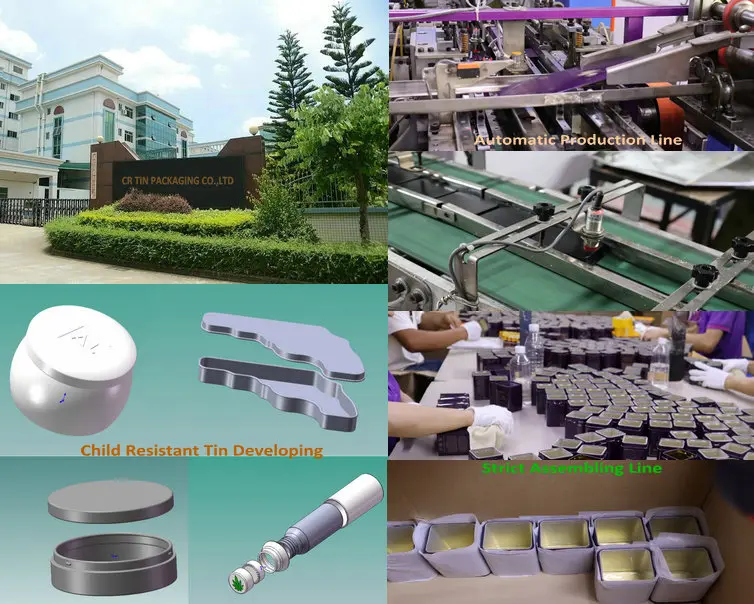
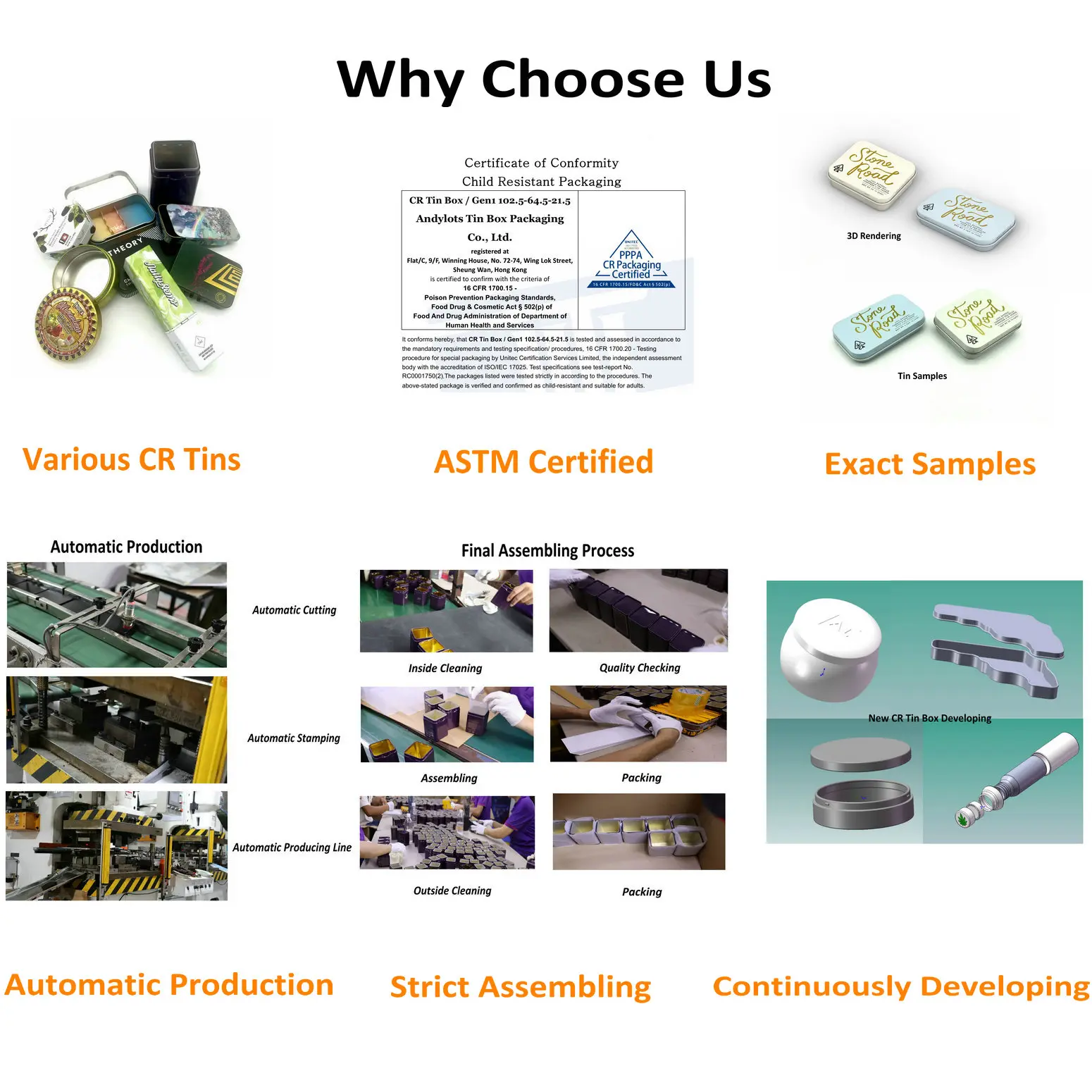
We are a streamlined, single-source professional supplier of child resistant tin boxes, integrating child resistant lock design, mold making and sampling, child resistant lock testing, and mass production. CR Tin began developing child resistant lock tin boxes in 2017. After nine years of research and development and pioneering experience, we have over 70 certified child resistant lock tin boxes, covering all tin box packaging styles in the industry, and have established our own unique child resistant lock tin box system.
With an emphasis on compliance and precision manufacturing, we provide professional child resistant metal packaging that complies with strict global market rules. We manage structural R&D internally, keeping lead times short and design execution highly accurate.
Combining safety validation with smooth adult usability via mechanical force and structural alignment.
Most of our custom tins comply with the rigorous ASTM D3475 standards, passing strict CPSC 16 CFR Part 1700.20 testing protocols. These designs successfully prevent access by children under 5 years old while remaining accessible to seniors.
Our solutions feature dual-action opening movements, such as "Push Down & Turn," "Press and Slide," or "Squeeze to Release." These require a level of dexterity beyond the cognitive and physical range of young children.
We've created a comprehensive system of child-resistant boxes. From sliding cartridges to hinged boxes, our designs offer strong security while remaining budget-friendly.
Tailored configurations optimized to meet specific regulatory frameworks and preservation demands across key markets.
In the USA and Canada, regional laws require certified child-proof packaging for cannabis-infused edibles, pre-rolls, and concentrates. Airtight containers are crucial to stop the leakage of distinct odors and to keep contents fresh. By combining custom-formed silicone seals with push-button lids, our tins comply with child-safety regulations while keeping products dry.
With strict EU limits on plastic packaging, major brands are turning to metal containers. Our food-grade tinplate options are widely used for vitamins, specialty lozenges, and prescription capsules. The airtight seals protect these formulations from moisture, preventing clumping and maintaining potency without needing plastic bottles.
Premium teas, dark chocolates, and gummies degrade quickly when exposed to oxygen. Our tins protect these delicate items from light, air, and humidity, keeping flavors rich and textures soft. Custom embossing options also help brands stand out on retail shelves.
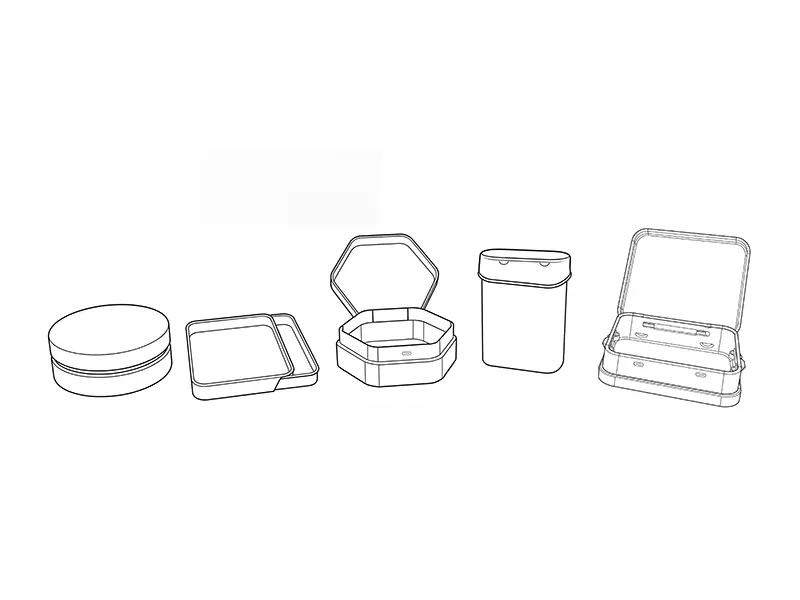
A look at the production stages that ensure high-precision, compliant, and cost-effective tin manufacturing.
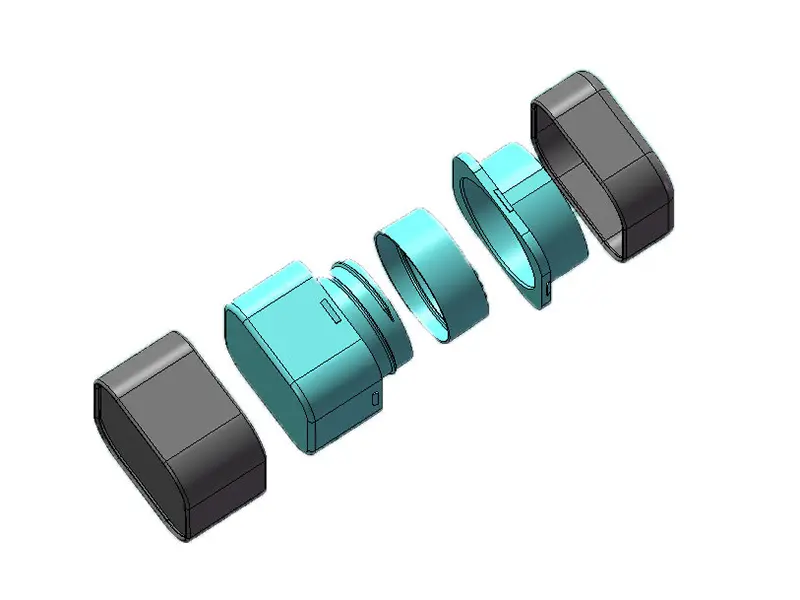
Our engineering team handles all steps of the tin construction process. We offer complimentary design reviews, structural design services, 3D renderings, and plastic 3D-printed prototypes. This allows clients to test locking mechanisms and volume dimensions before starting metal tooling production, helping to avoid costly mistakes.
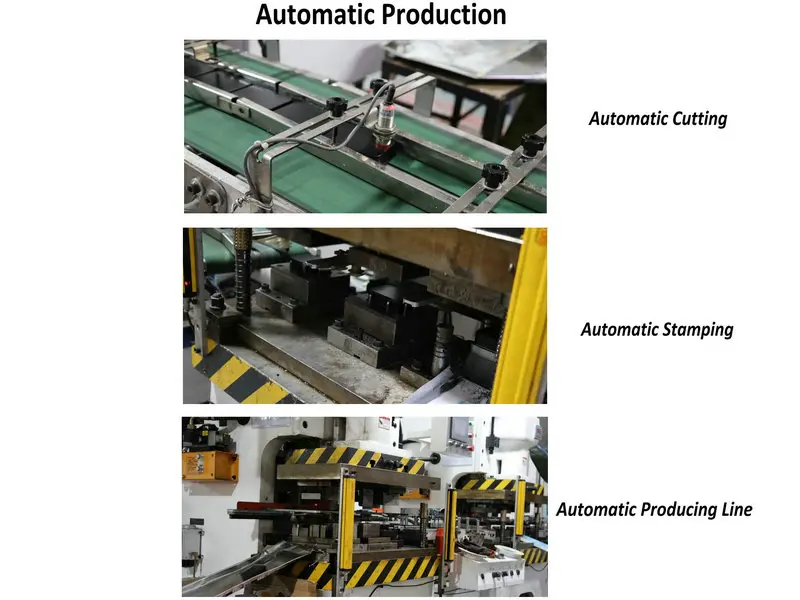
By automating key steps, we cut down on manual labor, lower production costs, and maintain consistent quality. Automatic tooling ensures precise dimensions for every tin, which is critical for maintaining consistent airtightness and reliable child-resistant lock functions over large production runs.
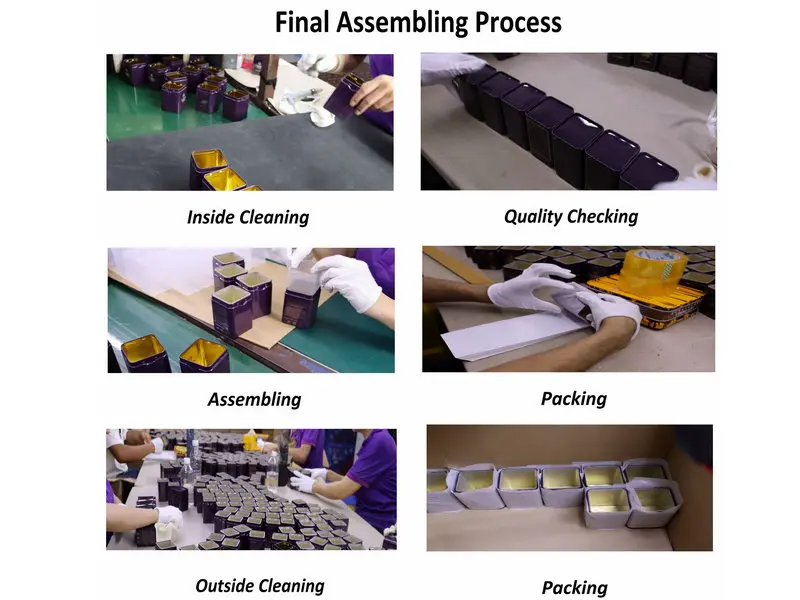
We check raw materials and inspect parts during assembly to ensure the final product is reliable. Third-party testing companies audit our production, validating that the airtight seals and locking mechanisms meet global standards.
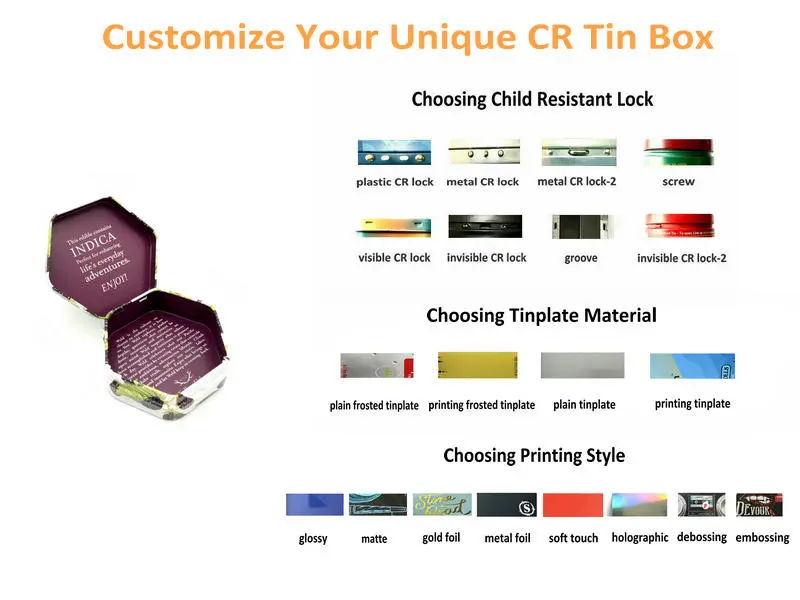
We customize tins with CMYK and Pantone matching, matte or gloss finishes, spot UV, and custom embossing. We also design structural elements like inner dividers, specialized hinges, and custom base inserts to meet your specific packaging needs.
Where high-performance metal packaging and ecological stewardship meet.
Metal packaging is evolving with a focus on smart technologies and sustainability. Our current R&D plans focus on integrating smart features, such as printable NFC tags placed under the airtight seal, allowing for digital tracking without compromising the product's freshness barrier. This will let consumers check product authenticity and track temperature history throughout transit simply by scanning the package with a phone.
On the environmental side, we are working to replace traditional petroleum-based liners with biodegradable coatings. These new compostable materials are designed to match the sealing performance of classic gaskets while ensuring the packaging remains fully recyclable. We are also optimizing raw material use by shifting to thinner tinplates that maintain their high strength and durability, helping to reduce our carbon footprint across the supply chain.
Quick answers to common questions about airtight tin designs, custom options, and child-resistant certification.
Explore our additional range of specialized, certified tinplate designs configured for global export markets.
 CR Tin