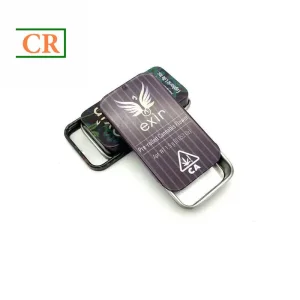
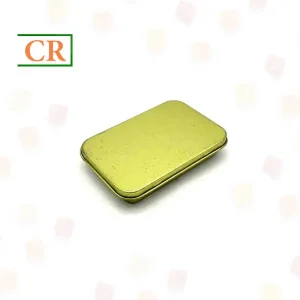
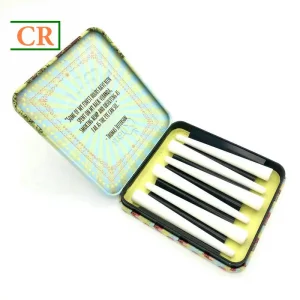
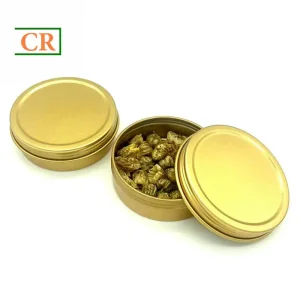
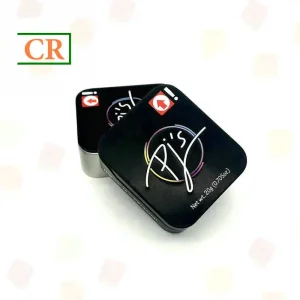
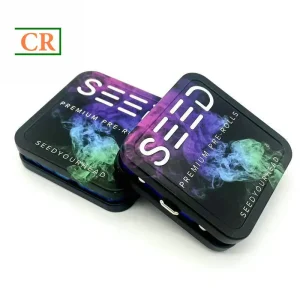
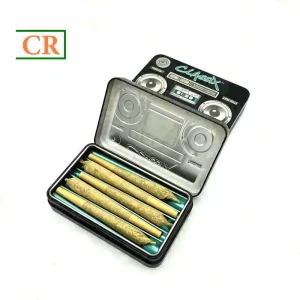
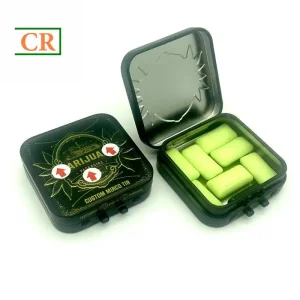
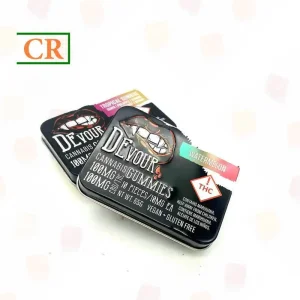
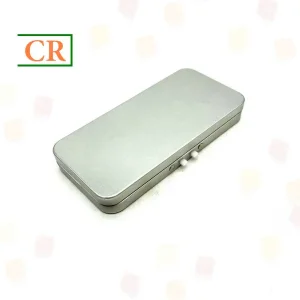
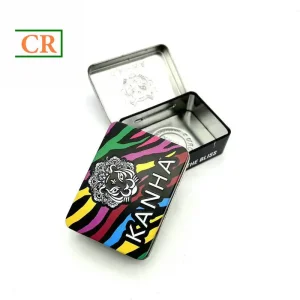
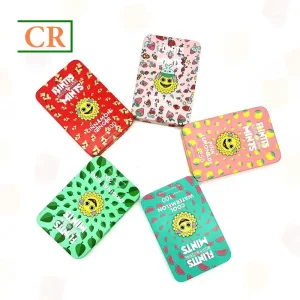
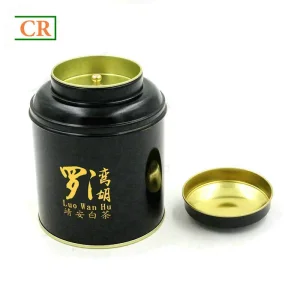
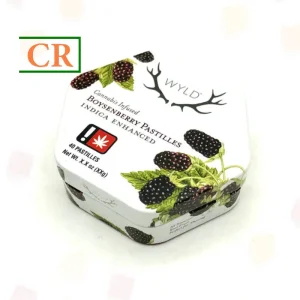
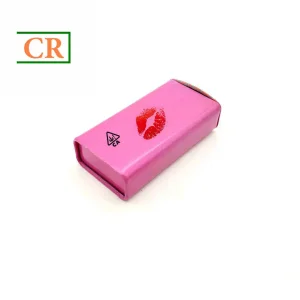
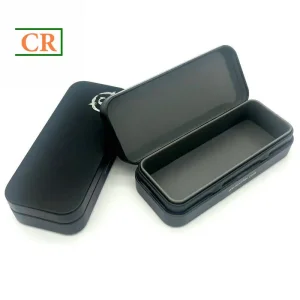
Explore our leading metal configurations designed specifically to combine tamper-proof safety with premium aesthetics.
In the contemporary packaging ecosystem, the intersection of regulatory compliance, environmental sustainability, and brand integrity forms a complex playing field. Globally, authorities like the U.S. Consumer Product Safety Commission (CPSC) and Health Canada have instituted rigorous packaging mandates. These standards demand that products containing potentially hazardous substances—ranging from concentrated pharmaceuticals to cannabis-infused edibles—remain secure from children under five years old, yet accessible to senior citizens. This requirement is codified under ASTM D3475 standards.
Historically, manufacturers relied heavily on plastic packaging to achieve child-resistant (CR) compliance. However, the global push toward carbon neutrality and plastic waste reduction has rendered single-use plastic obsolete. Tins have emerged as the definitive sustainable alternative. Metal packaging offers a high degree of recyclability, exceptional barrier properties against light and moisture, and an elevated tactile experience. These qualities enhance the perceived value of premium brands.
The global shift toward metal packaging is driven by market pressure and consumer preference. Tinplate packaging is uniquely suited for premiumization. In sectors like medical cannabis, organic wellness, and high-potency pharmaceuticals, a child-proof tin serves not only as a protective barrier but also as an extension of the brand's identity.
Our role as a leading custom child resistant tin ball manufacturer and supplier places us at the forefront of this shift. We leverage advanced metal stamping technology, automated assembly lines, and certified engineering systems to support brands transitioning to compliant, high-quality, plastic-free packaging.
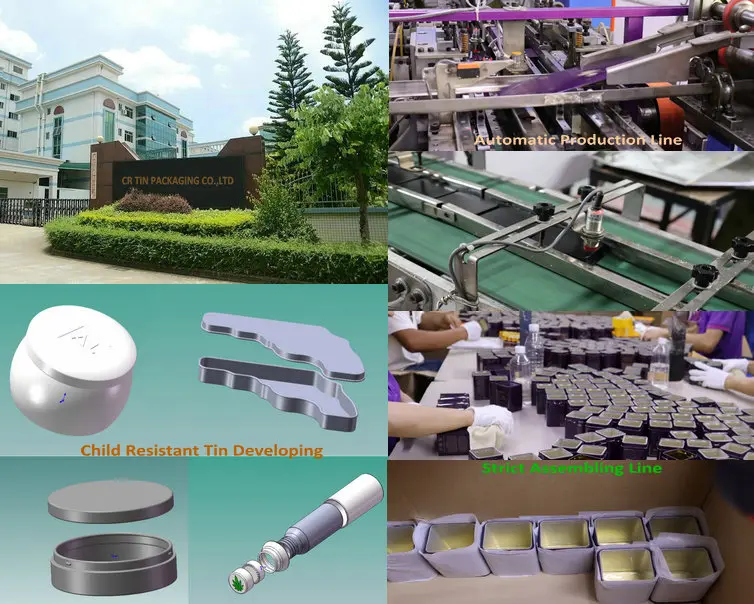
A testament to our manufacturing capacity, quality assurance protocols, and pioneering technical engineering.
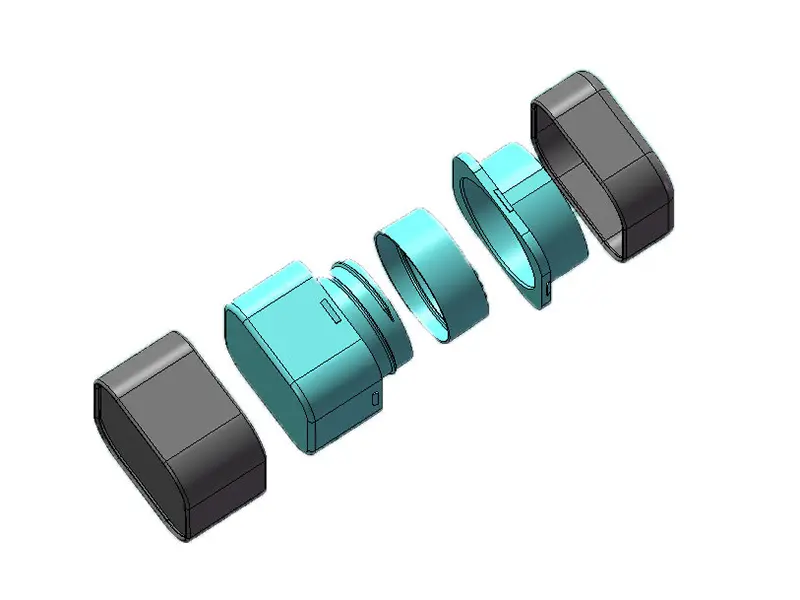
The engineering of a spherical or "tin ball" package presents unique manufacturing and structural design challenges. Unlike flat rectangular or cylindrical tins, a spherical shape lacks natural linear guides or parallel surfaces to anchor locking mechanisms. Our engineering team overcame this obstacle by designing custom locking interfaces, enabling the production of secure spherical tin packaging.
The child-resistant tin ball mechanism relies on a dual-action mechanical release system. To open the sphere, a user must apply coordinated, multi-directional force—such as pressing specific alignment points on the outer shell while rotating the hemispheres in opposite directions. This movement requires a level of manual dexterity beyond the cognitive and physical development of young children, but remains accessible for adults and seniors. This mechanism meets the strict criteria of 16 CFR Part 1700.20.
Our spherical metal tins feature optional food-grade silicone liners or internal gasket systems. This maintains an air-tight, moisture-resistant barrier that preserves product freshness, blocks UV rays, and controls odors.
The 360-degree surface of a child-resistant tin ball supports advanced decoration, including high-definition offset printing, spot UV coatings, tactile 3D embossing, and matte or metallic finishes.
Designed for premium confections, mints, herbal remedies, and personal care products, our tin ball structures provide a distinctive retail presence while maintaining child-resistant security.
As regulatory requirements tighten, companies must evaluate the lifetime value, carbon footprint, and brand impact of their packaging materials. Metal packaging offers distinct advantages over traditional plastic formats:
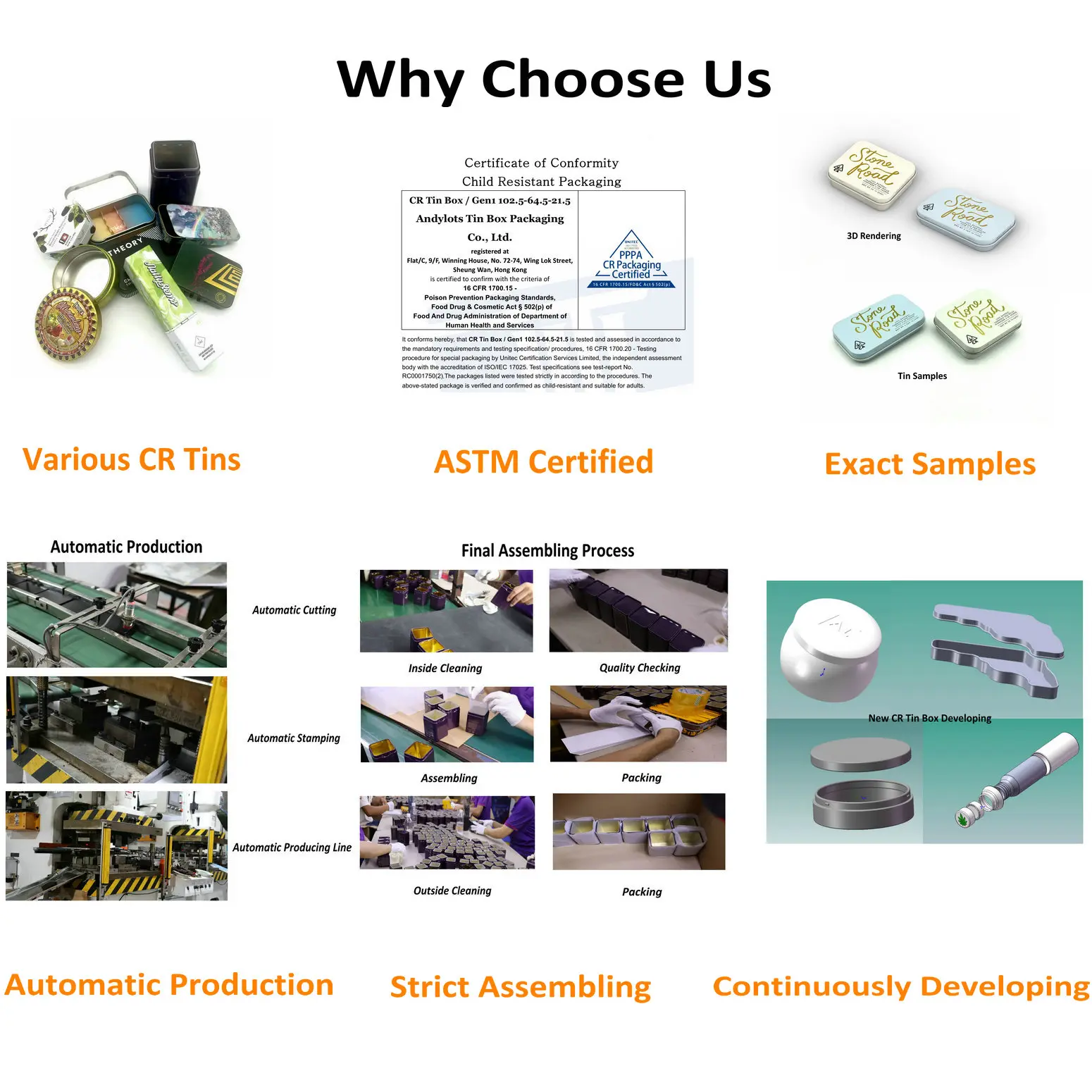
Our vertically integrated facility controls every step of the development cycle, from 3D CAD modeling to physical stress testing and automated assembly.
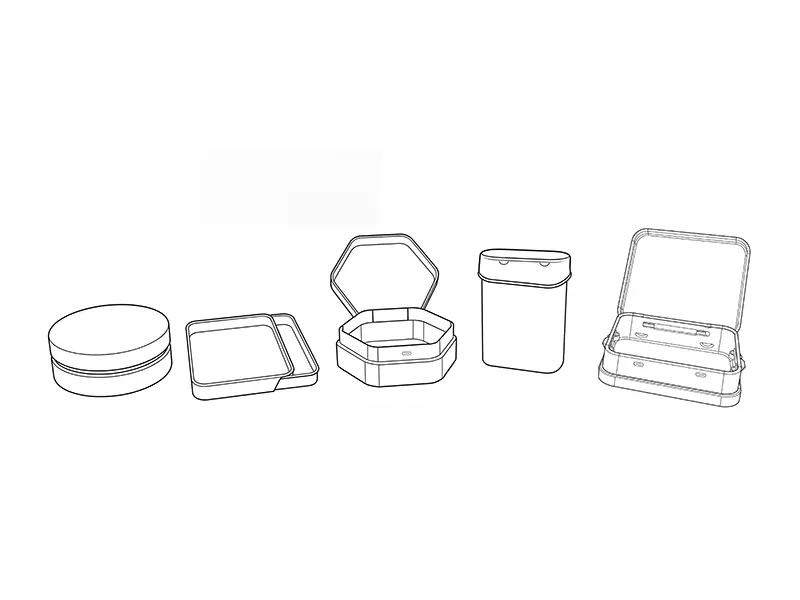
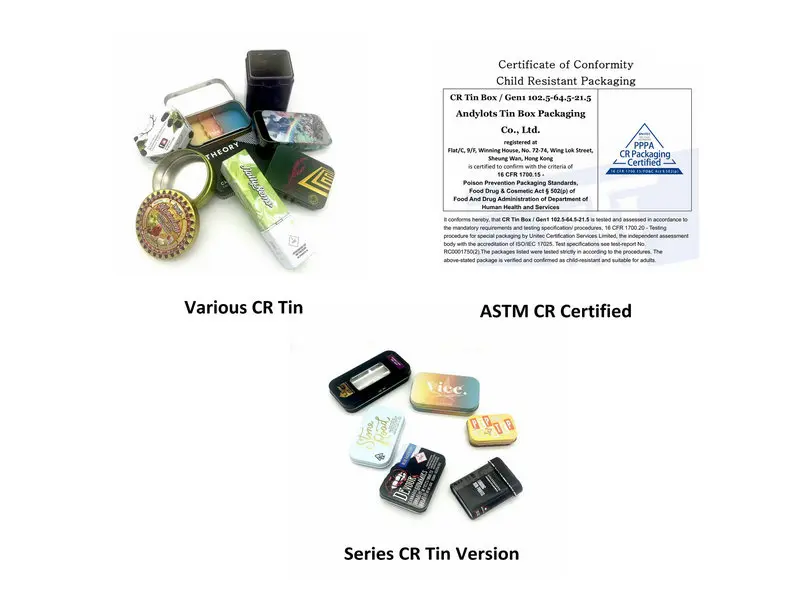
We offer more than 12 distinct child-resistant structures to fit various product volumes, storage requirements, and dispensing styles. By choosing from our pre-certified catalog, clients can significantly reduce custom tooling costs and bypass the lengthy ASTM certification process.
Our collection includes side-slide buttons, hinged mechanisms with dual-button releases, screw-top closures, and custom formats tailored to specific product lines.
Every packaging project starts with precise 3D rendering and structural finite element analysis. Our in-house R&D team can generate functional plastic mockups using 3D printing, allowing clients to test ergonomic handle dynamics and lock engagement before investing in production tooling.
We work closely with clients' marketing and product development teams to ensure our packaging designs integrate smoothly with automated filling and labeling equipment.
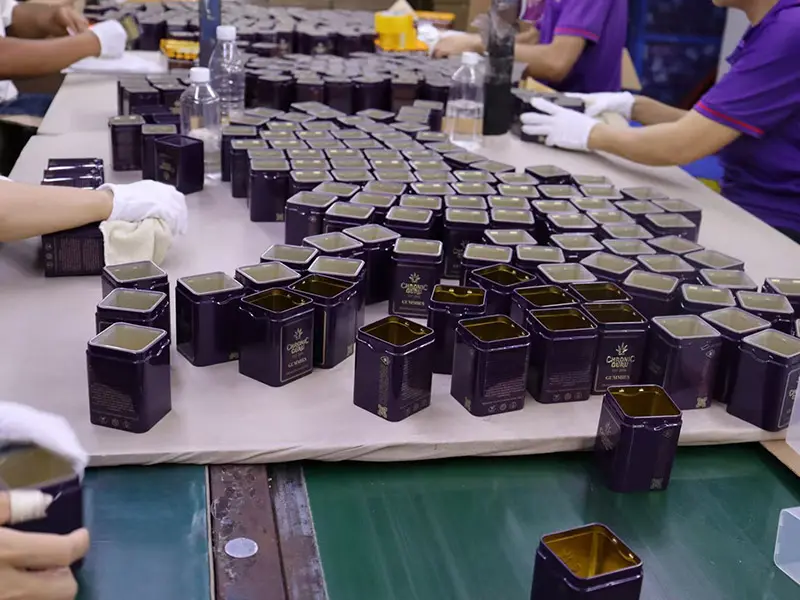
We use automated assembly processes to maintain tight physical tolerances on locking tabs, hinges, and friction fitments. Every production run undergoes multi-stage inspections, including testing the structural release force of the child-resistant locks.
We partner with third-party testing labs to verify that our tins comply with ASTM D3475 and US CPSC standards. This gives clients confidence that their packaging meets necessary compliance guidelines.
Navigating global regulatory landscapes requires a packaging partner with deep compliance expertise. CR Tin provides comprehensive documentation, including certificates of conformity and testing protocols, to support import clearance and regulatory audits. We serve key markets across North America, Europe, and the Asia-Pacific region.
We tailor our manufacturing and logistics support to meet the requirements of different regional markets:
We ensure full alignment with US CPSC 16 CFR Part 1700.20 and Health Canada guidelines. Our designs are optimized for automated pre-roll filling lines and standard bulk distribution networks.
Our tins are designed for compliance with EN 862 standards and European REACH chemical safety regulations. They feature bisphenol-A (BPA) free inner coatings and 100% recyclable compositions.
We offer managed shipping services, flexible stocking programs, and custom palletizing configurations to integrate directly with our clients' filling operations and supply chains.
Through close collaboration, we help our clients lower production costs, guarantee quality, and simplify customization. We design simple, certified structures that reduce material use, optimize automated production lines, and use audited component suppliers.
By pairing certified child-resistant closures with inner silicone gaskets, we provide airtight solutions that protect product freshness and keep out external moisture.
We work to simplify child-resistant lock designs, helping our clients launch compliant packaging quickly while controlling unit production costs.
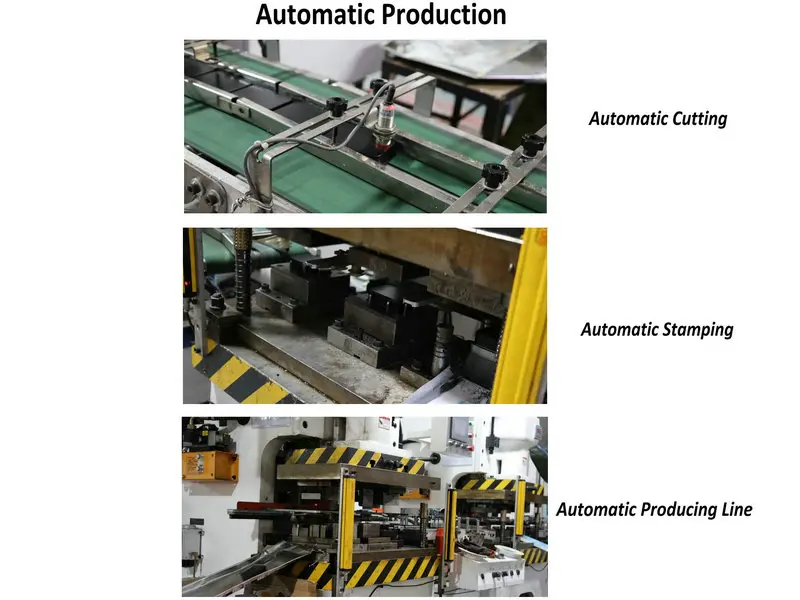
By optimizing the layout of metal sheets, reducing assembly steps, and using automated production lines, we help keep unit costs competitive without sacrificing quality.
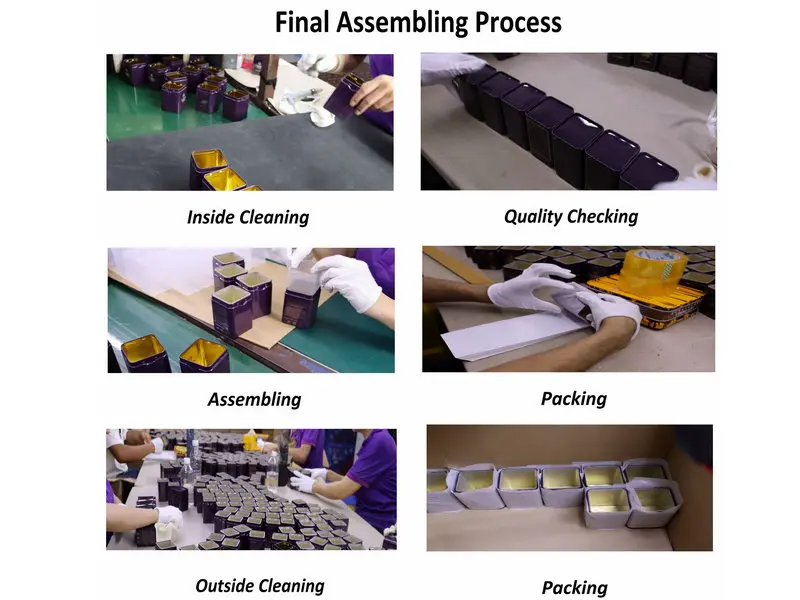
We implement a multi-stage QA process, including incoming material testing, in-line inspections, and third-party validation reports, to ensure consistent packaging performance.
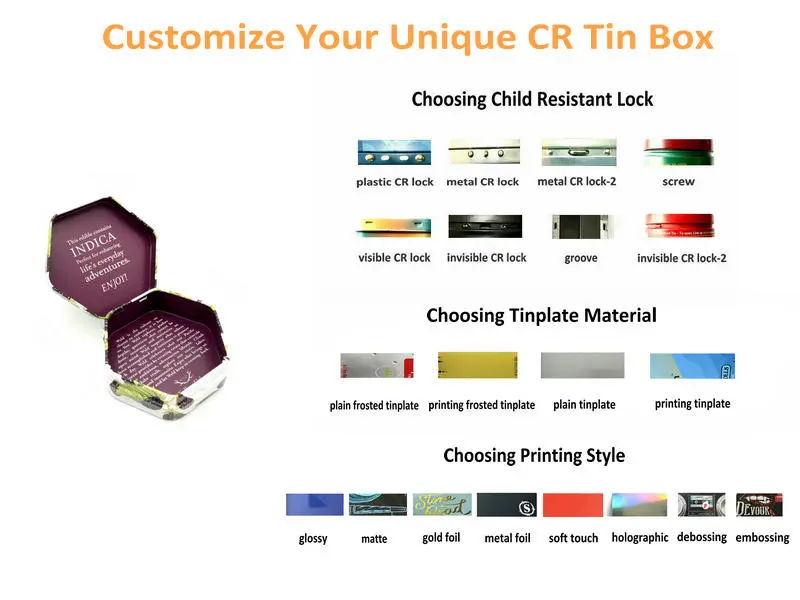
We provide full design and development support, including 3D product rendering, prototype prints, and custom layout adjustments for our clients' packaging art.

Our automated production facilities are built to handle large-volume orders, delivering consistent quality and reliable lead times across our entire range of tins.
As regulatory requirements evolve, we continue to invest in development and testing. We focus on integrating smart features, improving material sustainability, and expanding our production capacity.
Developing biodegradable internal coatings that are completely free of BPA and PFAS, ensuring safety for direct-contact food, gummies, and sensitive pharmaceutical products.
Integrating NFC chips and tamper-evident digital systems into metal packaging, helping brands verify authenticity, track shipments, and communicate safety instructions directly with consumers.
Transitioning toward post-consumer recycled (PCR) metals to reduce carbon footprints, while maintaining the structural durability needed for child-resistant safety certifications.
Our child-resistant tins are certified to meet ASTM D3475 standards, CPSC 16 CFR Part 1700.20 requirements, and EN 862 guidelines. We provide official compliance certificates and third-party laboratory test reports with every order.
We offer a structured design and development process. We create initial 3D renderings and output 3D-printed plastic samples within 10–14 days. Once design details are approved, we fabricate the steel production mold, produce pre-shipment tin samples, and begin mass production within 30 days.
Yes. We use food-grade tinplate and apply FDA-approved, BPA-free coatings. These coatings provide barrier protection against degradation, preserving product quality while meeting food and pharmaceutical contact safety guidelines.
Our standard production MOQ for custom-printed and sized child-resistant tins starts at 10,000 units. For existing molds and select configurations, we can often support smaller pilot run quantities to accommodate new product launches.
Explore our additional certified child-resistant and sliding tin box formats designed for diverse storage and compliance requirements.
 CR Tin