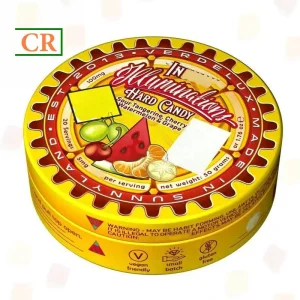
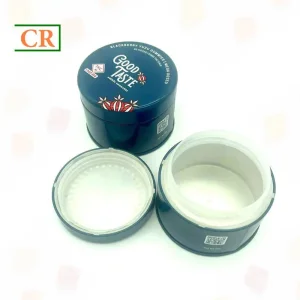
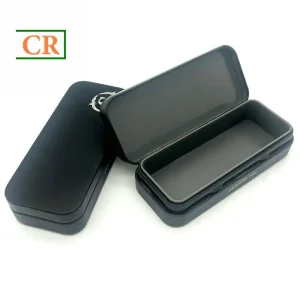
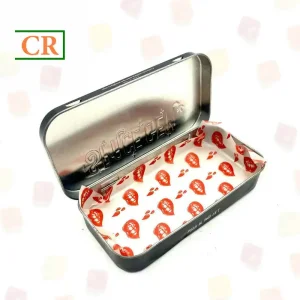
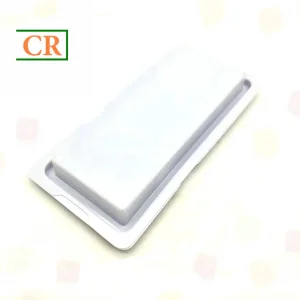
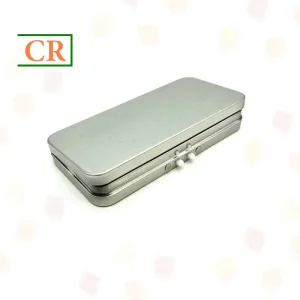
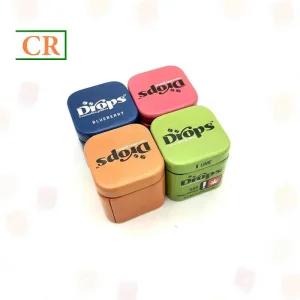
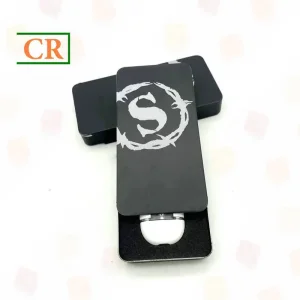
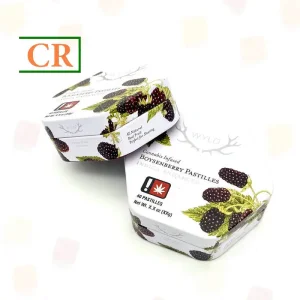
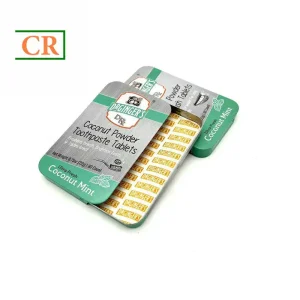
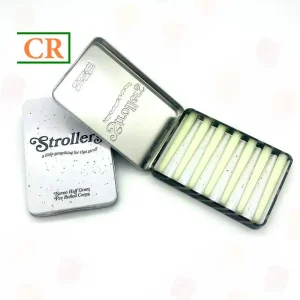
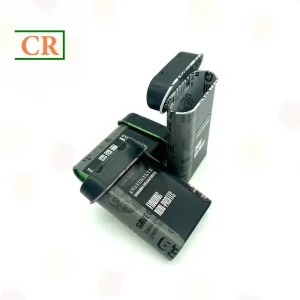
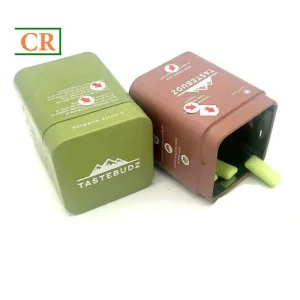
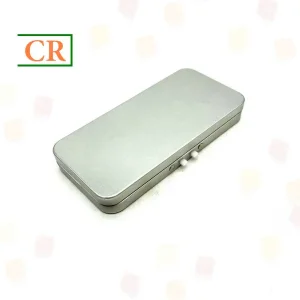
Explore our state-of-the-art ASTM-certified child-resistant metal packaging systems, engineered for maximum compliance, modern shelf presence, and structural reliability.
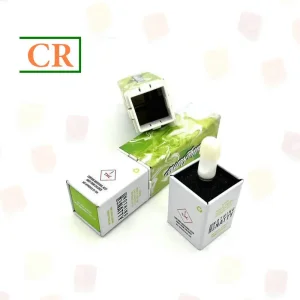
Under our premium brand Andylots Tin Box Packaging Co.,Ltd, we provide streamlined, single-source metal packaging engineering services, merging security compliance with brand aesthetics.
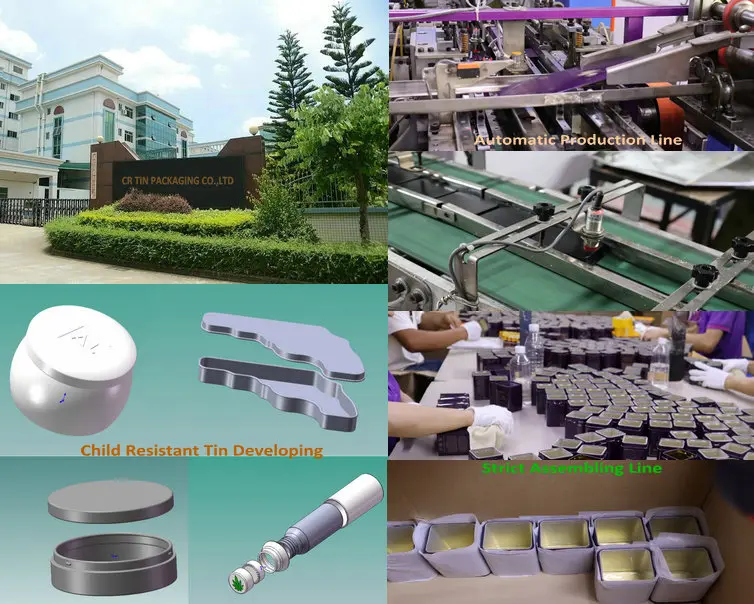
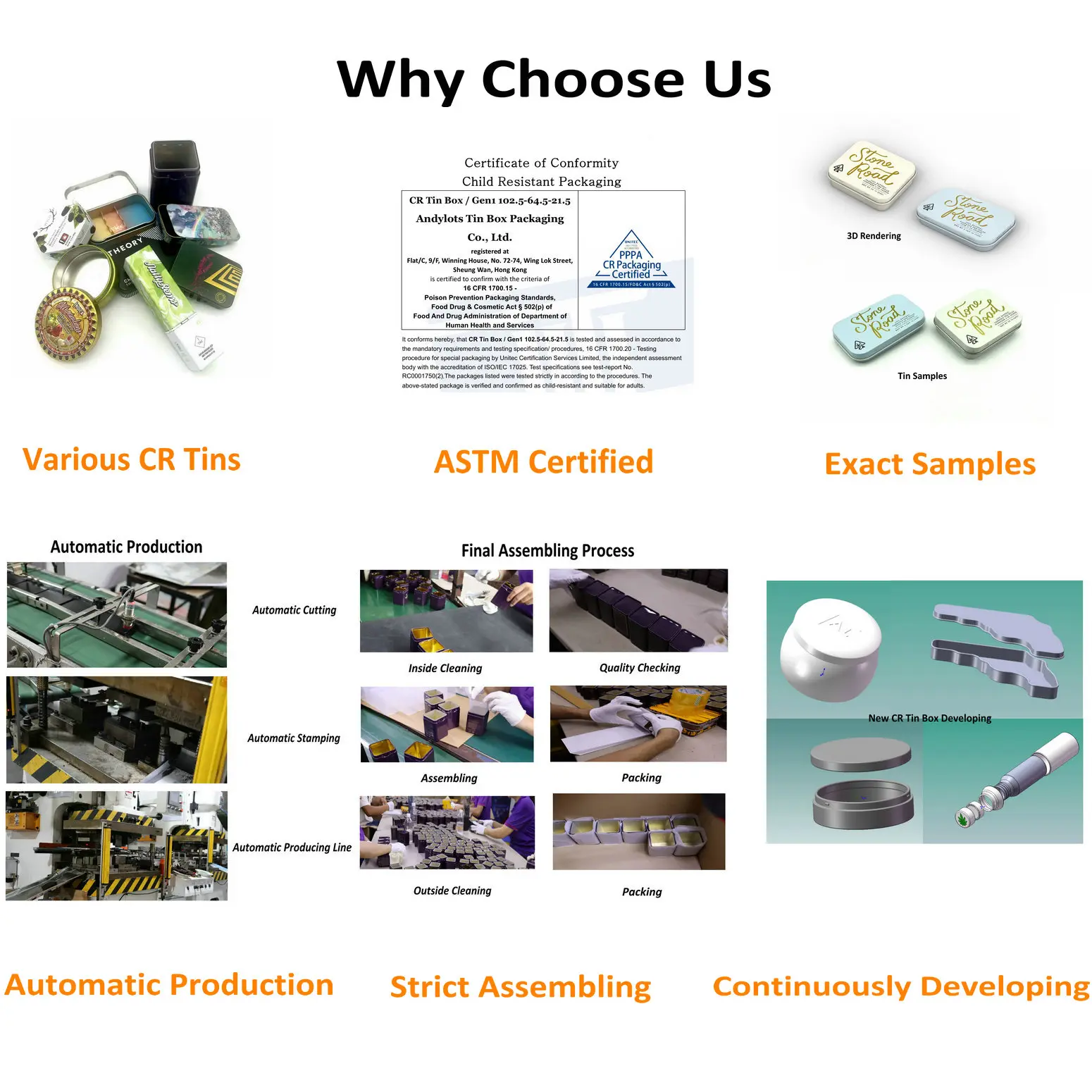
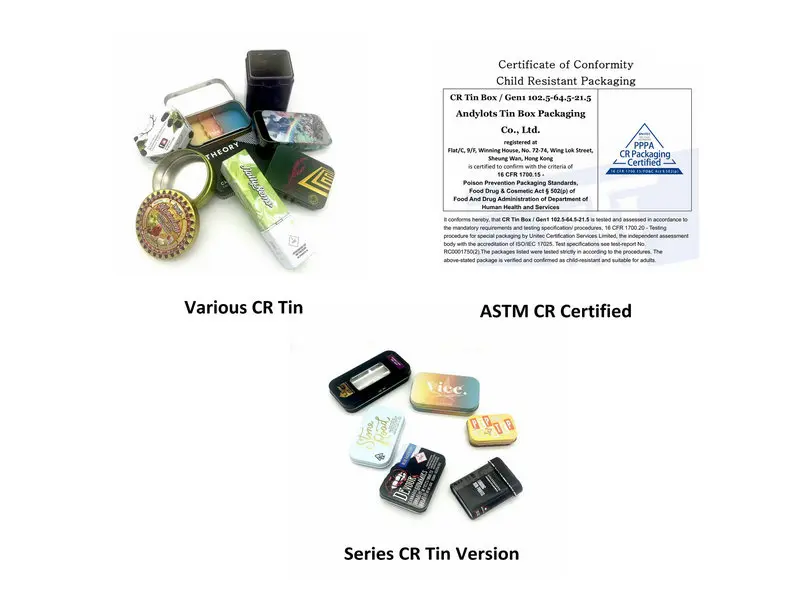
CR Tin (Andylots Tin Box Packaging Co.,Ltd) represents the pinnacle of modern, single-source metal packaging technology. We integrate complex child-resistant lock mechanical engineering, mold design, prototyping, third-party laboratory safety testing, and automated mass-scale manufacturing under one roof.
Initiated in 2016, our specialized R&D division has been at the forefront of the child-resistant tin packaging evolution. Over a decade of engineering research has produced a portfolio of more than 70 proprietary certified designs. Covering all major tin box layouts utilized across the pharmaceutical, recreational cannabis, nutraceutical, and chemical industries, we provide a unified Child-Resistant compliance standard for global consumer safety.
Empowering dynamic consumer brands with high-performance packaging structures, unmatched prototyping speed, and state-of-the-art Quality Assurance.
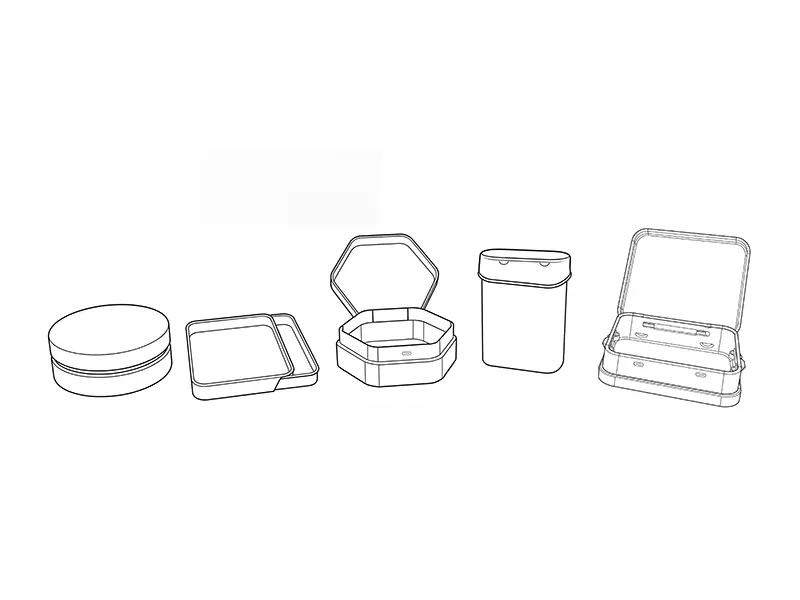
Select from over 12 proprietary, certified CR tin structures that allow you to rapidly address changing regional safety regulations without expensive new tooling delays.
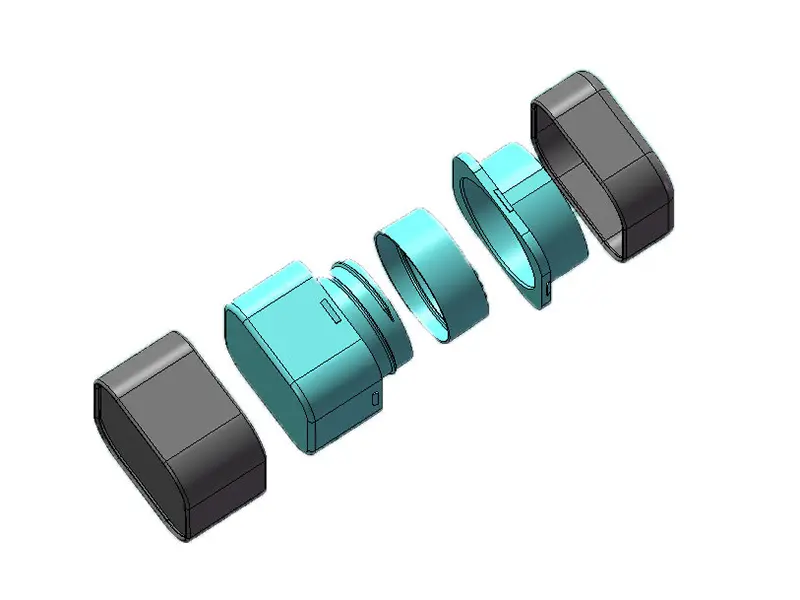
Access free custom design services, 3D digital renderings, and rapid physical 3D-printed mockups to shorten your brand’s commercial launch cycle.
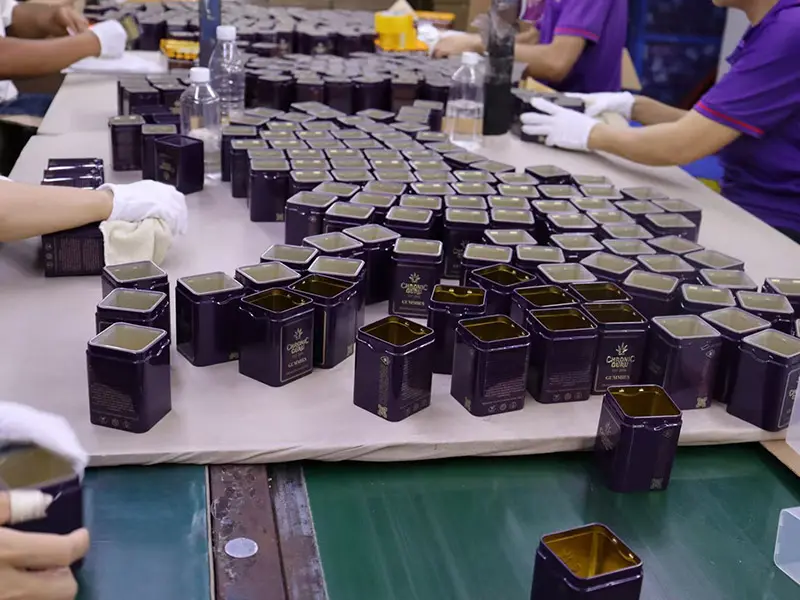
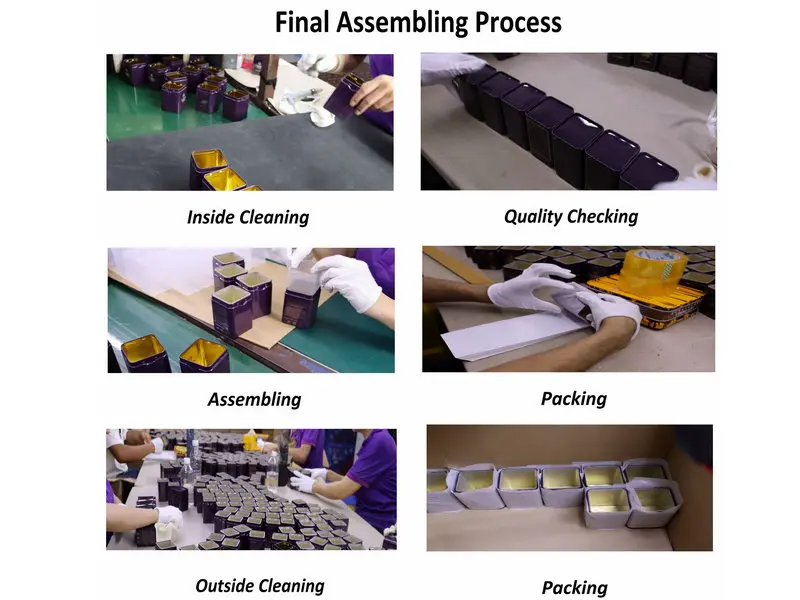
Benefit from automated optoelectronic inline inspections and experienced operational teams capable of delivering high-volume, defect-free tin packaging orders.
Our engineering team leverages decades of combined metalwork experience to build structural integrity and reliability into every custom tin. Whether you are launching a startup or managing a large-scale consumer packaging transition, our team guides you from concept to regulatory validation.
We work across all structural and material variations—from highly secure, airtight, gasketed metal containers that protect product freshness to eco-friendly, infinitely recyclable custom designs. We cover all technical requirements for your target market.
An in-depth guide to child-resistant packaging engineering, localized regulatory landscapes, and the operational advantages of Chinese manufacturing.
In highly regulated consumer markets like North America and Europe, Child-Resistant (CR) packaging is a legal necessity for products containing active botanicals, pharmaceuticals, concentrated chemicals, and household unit-doses. Regulations such as the U.S. Poison Prevention Packaging Act (PPPA), administered by the CPSC under 16 CFR § 1700.20, and international standards like ISO 8317, dictate that packaging must be significantly difficult for children under 51 months to open, while remaining accessible to seniors (ages 50 to 70).
Plastic has traditionally been the default material for these applications. However, global shifts toward circular economies and extended producer responsibility (EPR) have made plastic less viable. Tinplate—a thin steel sheet electrolytically coated with tin—offers a rigid, premium, plastic-free alternative. Tins provide excellent barrier protection against light, moisture, and oxygen, and they are infinitely recyclable, helping brands meet environmental goals while maintaining high safety standards.
Designing a child-resistant mechanism in tinplate requires balancing material rigidity with tight manufacturing tolerances. Steel does not behave like injected plastic; it has unique spring-back properties and tensile limits that must be managed through precise stamping. Our certified CR designs leverage two main mechanisms:
By using Finite Element Analysis (FEA), our engineers simulate stress points on the tin's locking mechanisms. This ensures the lids maintain their spring-back force and compliance through hundreds of opening cycles, preventing structural failure over the product's lifespan.
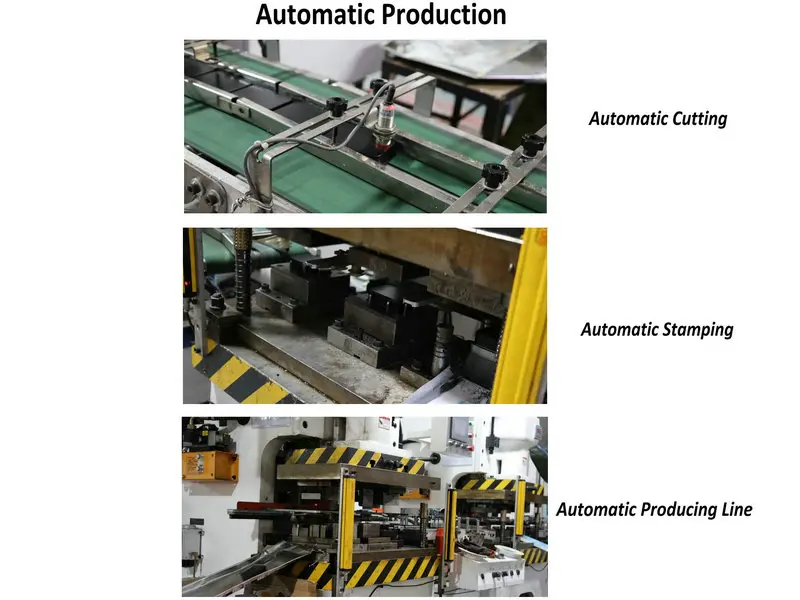
High-quality packaging must also be economically viable. At CR Tin, we optimize production costs by focusing on structural simplicity and manufacturing automation. By reducing the number of individual parts in our child-resistant tins, we lower assembly time, decrease raw material costs, and reduce potential failure points.
We source raw tinplate directly from regional mills, ensuring consistent metallurgical properties. We also collaborate with local accessory suppliers for custom foam, silicone, and molded inserts. This regional integration keeps material costs low and ensures fast production turnarounds.
Our manufacturing base in China offers clear benefits in tooling speed, cost, and capacity. Developing custom tin packaging requires high-precision molds. Outside of China, toolmaking can take months and require large capital investments. Our facility delivers finished, hardened tool steel dies in 15 to 20 days at a fraction of the cost.
This agility is supported by our automated lines, which stamp, curl, bead, and assemble with high consistency. Automation ensures each tin meets the exact dimensions required for child-resistant compliance, which is critical for automatic filling lines where even tiny deviations can cause lines to jam.
For brands looking to build a unique market presence, off-the-shelf packaging is rarely enough. We work with clients to develop custom tin dimensions, shapes, and branding styles. Our industrial design team uses 3D rendering to showcase artwork placement, embossing details, and surface finishes before cutting steel.
We also provide 3D-printed SLA resin models and pre-production metal samples. This allows brands to test lock tolerances, retail display fits, and automated filling setups before committing to full production runs, reducing product launch risks.
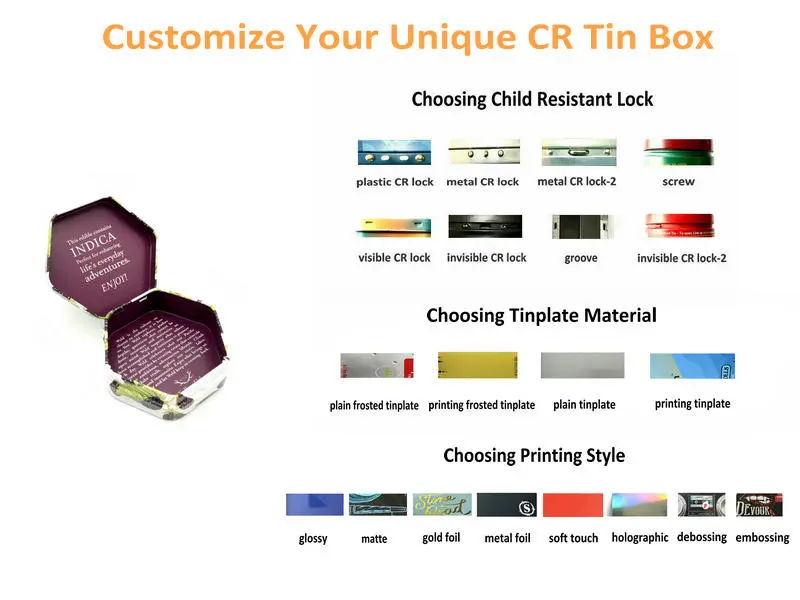
Different markets present distinct regulatory challenges. In North America, the packaging of pre-rolls, vape cartridges, and infused gummies is subject to state-by-state child-resistant compliance checks. Our airtight, smell-proof tin designs protect product freshness while complying with local laws, helping brands enter new markets smoothly.
In Europe, the focus is on sustainability, circular economy compliance, and premium confectionery packaging. European brands use our food-grade, lacquer-finished tin cubes and sliding tins to replace single-use plastics for mints, supplements, and tablets. This meets the EU's strict environmental goals while offering high-quality retail packaging.
Answers to common technical, regulatory, and production questions about custom child-resistant metal packaging.
Our child-resistant tins are tested and validated by accredited third-party laboratories. The testing follows CPSC 16 CFR § 1700.20 and ISO 8317 protocols. The testing process evaluates the design's effectiveness with children under 51 months, as well as its ease of use for senior adults. We can supply the testing reports and compliance certificates for our designs to assist with your regulatory submissions.
For our standard child-resistant structures with custom printing, the MOQ is 10,000 units. For completely custom shapes or sizes that require new tooling, the MOQ starts at 30,000 units. This volume is necessary to cover the setup costs of automated stamping lines and lithographic printing runs.
Yes. We can integrate food-grade silicone, neoprene, or plastisol gaskets into the lid or neck of our tins. This creates a secure seal that prevents air exchange and controls odors, which is particularly important for products like infused gummies, lozenges, and pre-rolls.
We offer a range of printing options, including CMYK offset printing, Pantone color matching, metallic and pearlescent inks, matte/gloss/crackle varnishes, and selective spot UV. We can also add multi-level embossing and debossing to emphasize your logo or brand details.
We construct all our tins using premium food-grade tinplate. The interior surfaces are coated with FDA-approved, BPA-free clear or gold lacquers. This protective layer prevents direct contact between the product and the steel base, preventing oxidation and preserving flavor.
We provide 3D CAD models and renderings in 2 to 3 business days. Physical 3D-printed SLA resin models take 5 to 7 days. Once the design is finalized, tool construction and physical pre-production metal samples require 15 to 20 days. Bulk production is typically completed in 25 to 30 days after the final sample is approved.
Select from our certified, high-performance tin packaging designs to find the right solution for your product line.
 CR Tin