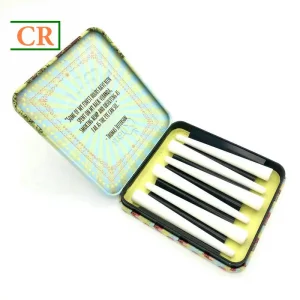
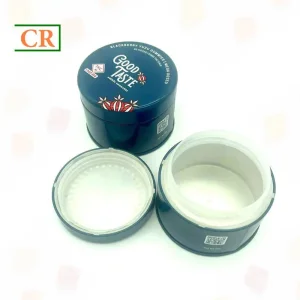
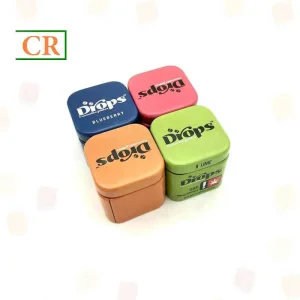
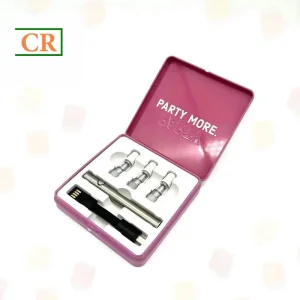
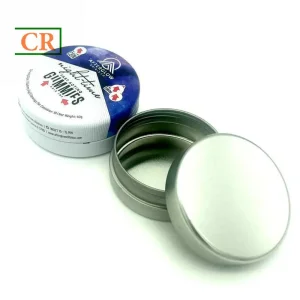
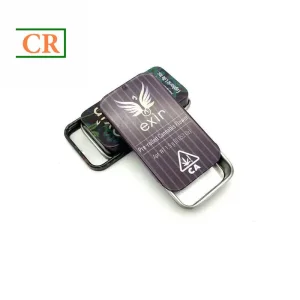
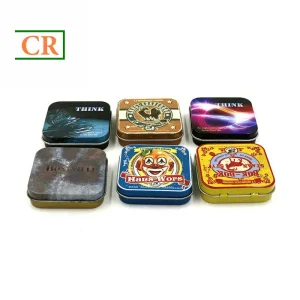
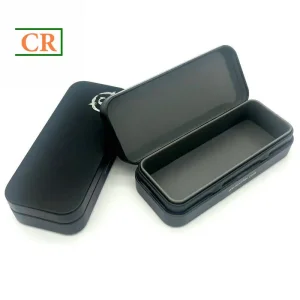
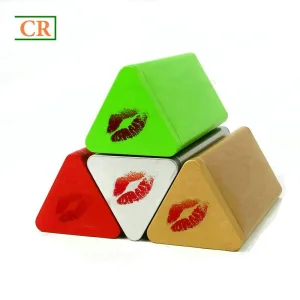
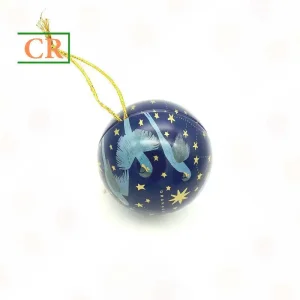
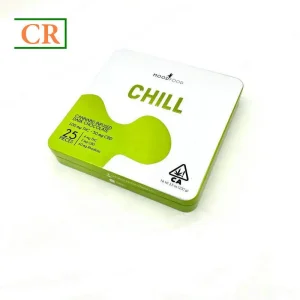
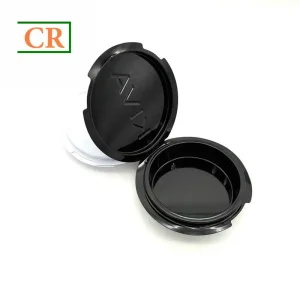
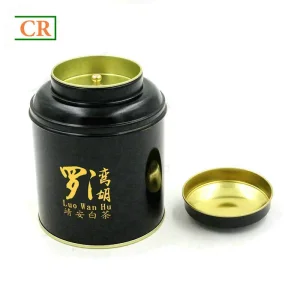
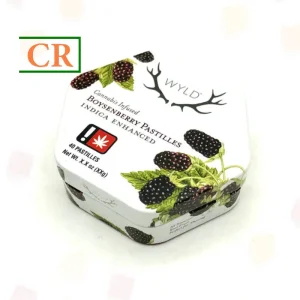
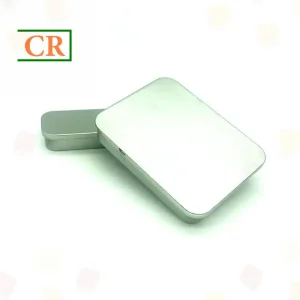
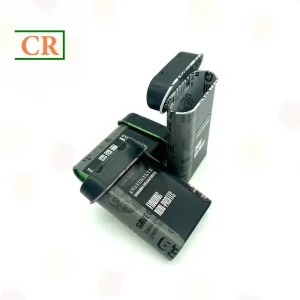
Explore our certified, structurally optimized tin configurations, engineered for superior shelf preservation and child safety compliance.
Globally, consumer-focused industries are undergoing a paradigm shift. Rising compliance mandates regarding product safety, along with an urgent demand for plastic reduction, have elevated custom sealing tin cases to a vital position in standard supply chains.
The demand is driven not only by aesthetics, but by legal mandates in key markets—particularly North America and the EU—which require certified Child-Resistant (CR) mechanisms for medications, cannabis products, and chemical concentrates. Sealed tin cases provide an impermeable barrier to oxygen, moisture, and light, guaranteeing freshness and protecting active ingredients while maintaining CPSC certifications.
From a logistics perspective, custom metal tins offer superior mechanical protection during transit compared to flexible pouches, preventing content crushing and product degradation. This structural integrity minimizes supply chain waste, aligning with eco-conscious brand values and circular economy targets.
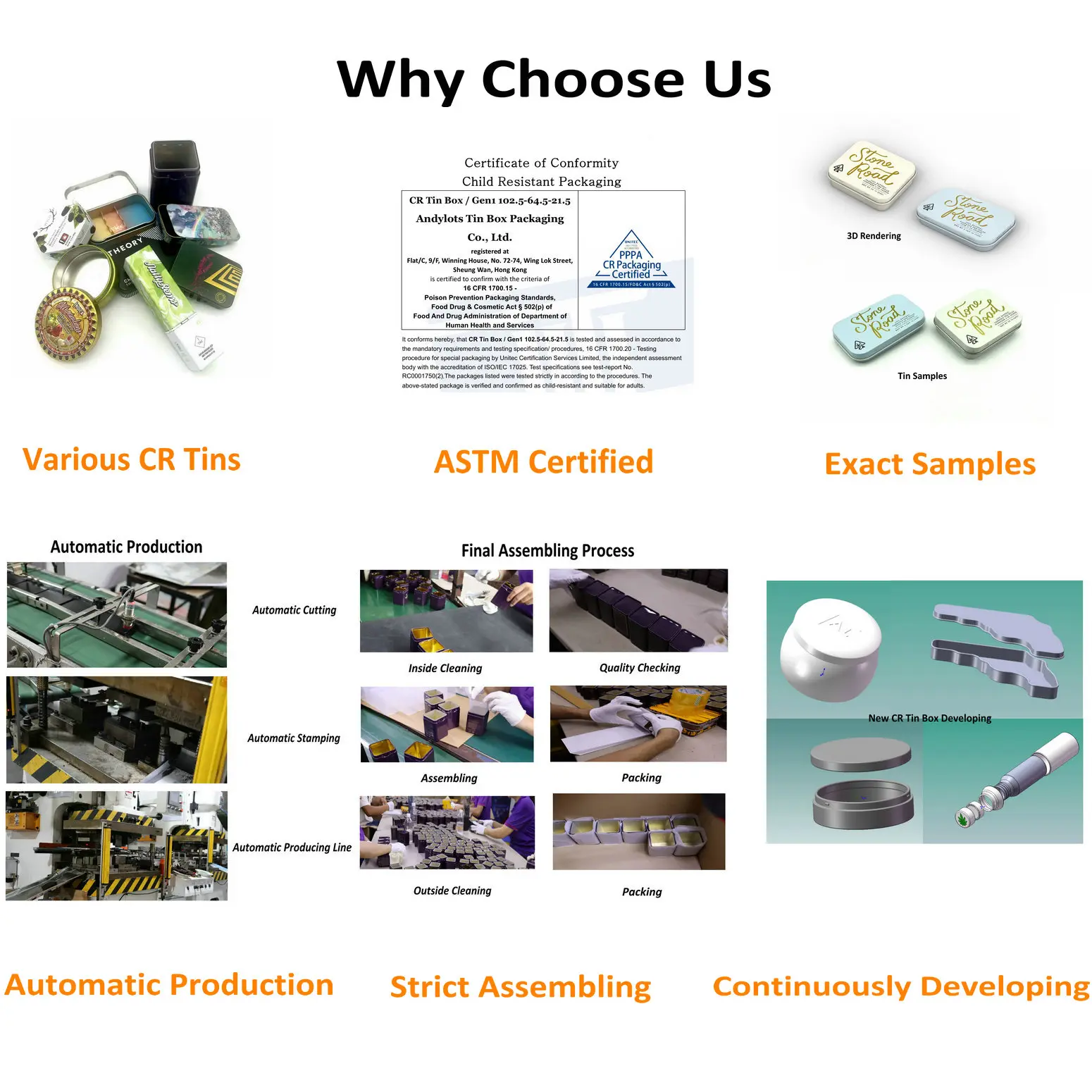
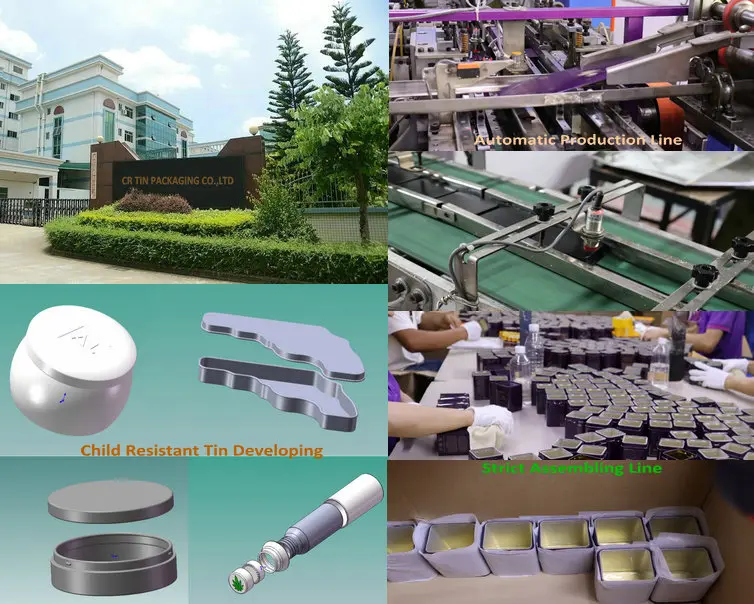
CR Tin (Andylots Tin Box Packaging Co.,Ltd) stands as a streamlined, single-source professional supplier of child resistant tin boxes.
We integrate child resistant lock design, mold making, rapid sampling, physical child resistant lock testing, and automated mass production under one centralized manufacturing framework. CR Tin began focused development on child resistant lock tin boxes in 2017.
Following nearly a decade of dedicated research, development, and pioneering manufacturing experience, we have developed over 70 certified child resistant lock tin configurations. This comprehensive portfolio covers every main packaging style in the industry, establishing our own proprietary child-resistant lock tin box system.
Providing high-end child resistant metal packaging for strict regulatory environments, engineered to minimize costs while maintaining optimal quality.
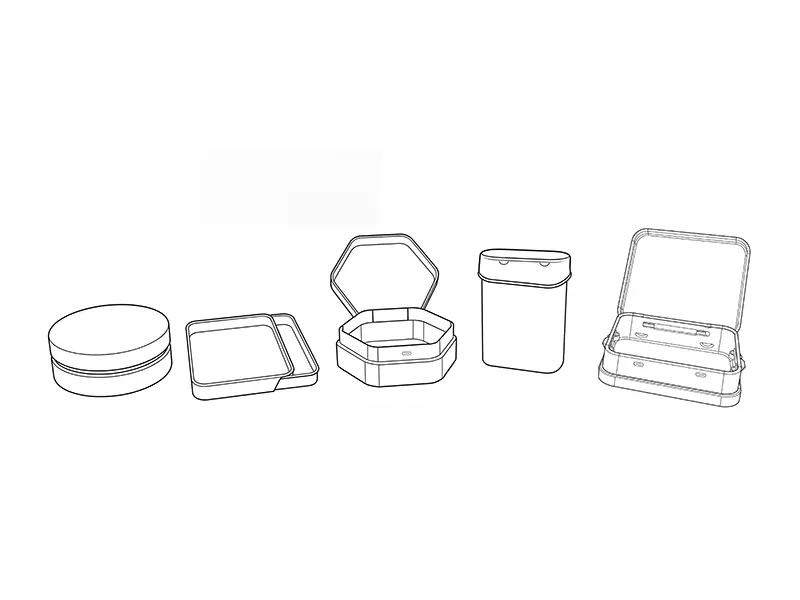
We offer over 12 distinct ASTM-certified child-resistant tin structures. These range from slide tins to double-hinged locks, allowing immediate integration with your production lines without custom tooling delays.
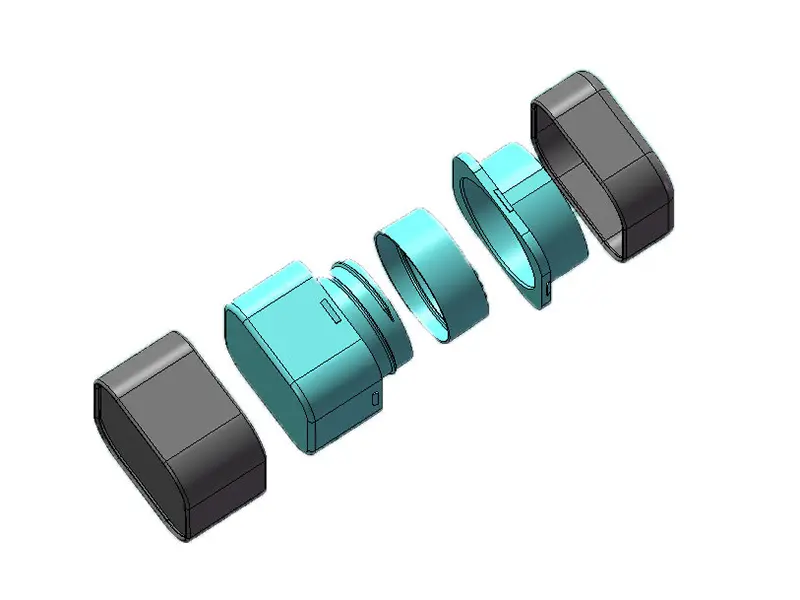
We provide full structural support, including 3D rendering, rapid plastic mockups, and structural Finite Element Analysis (FEA) to ensure safety performance before committing to steel tooling.
Using advanced inline optical inspection and high-speed robotic assembly, we eliminate human assembly errors. Every batch undergoes physical locking audits and drop tests before shipping.
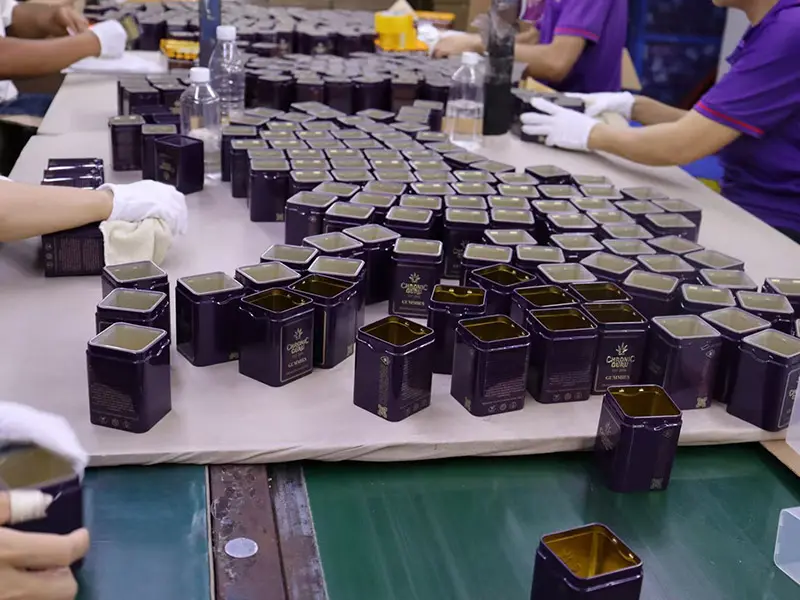
A technical overview of how we maintain hermetic seals and ASTM D3475 compliance in premium metal packaging.
Developing Airtight & Child-Resistant Tins
Creating an airtight metal tin requires precise dimensional management. Unlike plastic molding, metal stamping is subject to spring-back forces. To combat this, we use premium tinplate and precise tool designs, keeping tolerances within ±0.1mm.
Airtightness is achieved by pairing structural locks with custom food-grade liners. We use food-grade silicone, TPE, and plastisol liners applied directly inside the lid track. When the locking mechanism is engaged, it applies even vertical pressure across this gasket, forming an airtight barrier.
Airtight Barrier Performance: Keeps the interior relative humidity stable and maintains oxygen transmission rates close to zero, protecting delicate ingredients from light, heat, and moisture degradation.
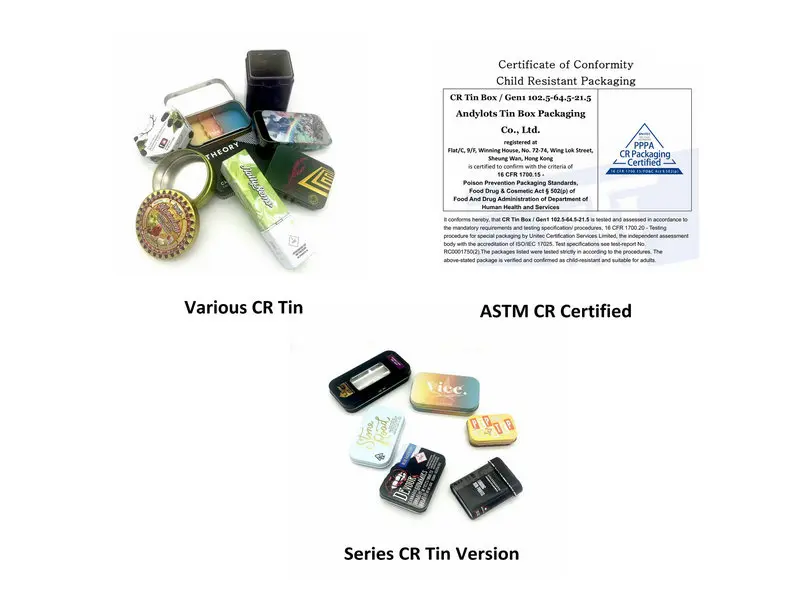
How Andylots Tin Box Packaging Co.,Ltd balances strict compliance with competitive manufacturing pricing.
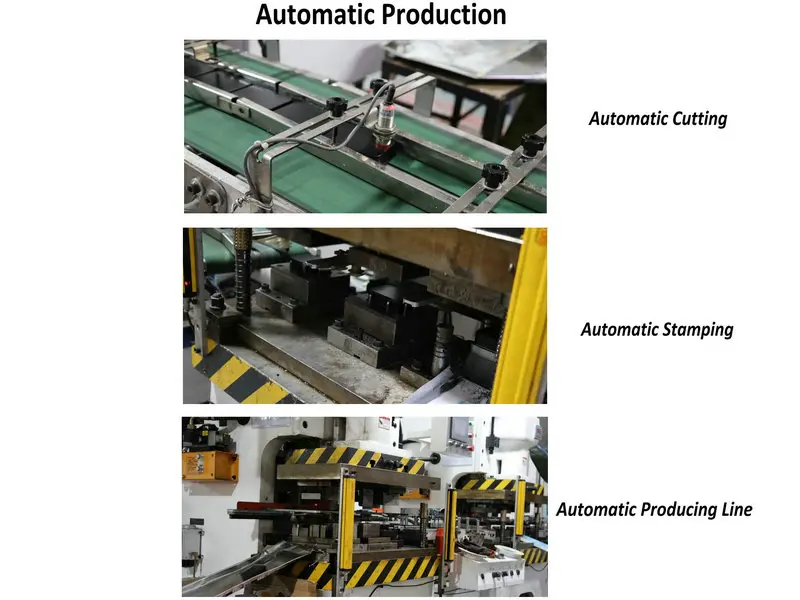
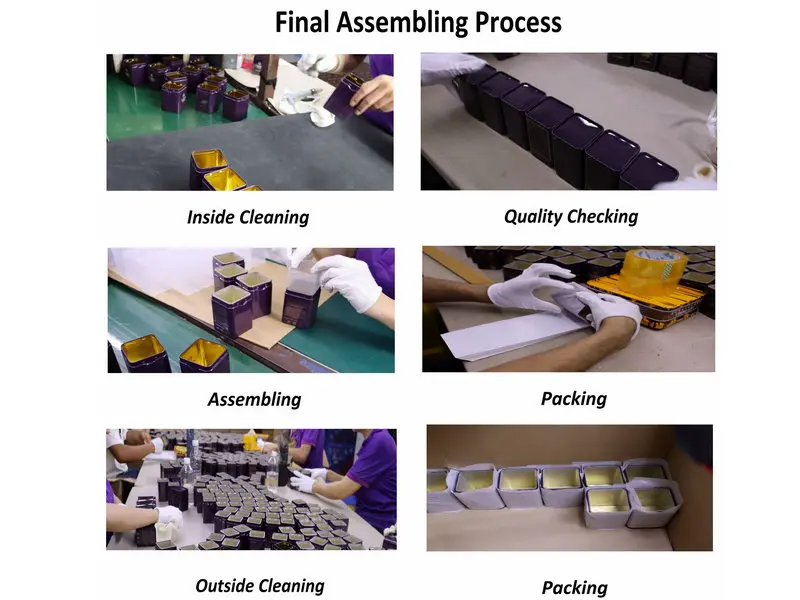
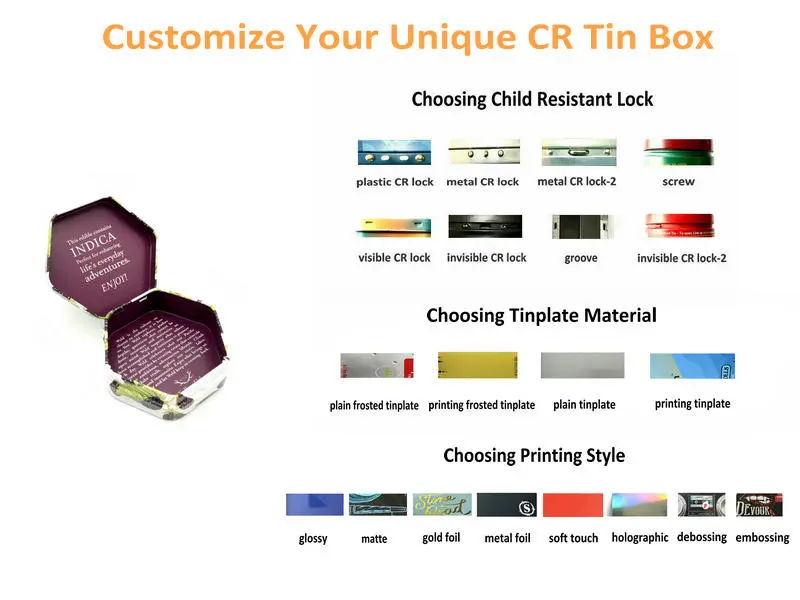
A technical breakdown comparing tinplate packaging against common plastics and glass options for regulated consumer products.
| Performance Metrics | Custom Sealing Tinplate Case | High-Density Polyethylene (HDPE) | Borosilicate Glass Containers |
|---|---|---|---|
| Oxygen Barrier Properties | Excellent (OTR near 0 ml/m²/day) | Poor (Permeable to ambient gases) | Excellent (Complete physical block) |
| UV & Light Protection | 100% Barrier (Blocks all light waves) | Semi-permeable (Unless heavily pigmented) | Variable (Requires amber/dark treatments) |
| Impact Resistance | Extremely High (Dents, does not shatter) | High (Flexible but prone to crushing) | Fragile (High risk of breakage in transit) |
| Sustainability & Circularity | Infinite (100% recyclable without quality loss) | Low (Degrades after limited recycling cycles) | Moderate (High energy required to recycle) |
| Customization Potential | Embose/Debose, custom tooling, litho print | Limited styling, relies on labels | Expensive custom molds, limits color palettes |
Our packaging systems are engineered to meet strict compliance standards across global markets.
In North America, packaging for pharmaceuticals, cannabis, and household concentrates must meet strict CPSC standards. Under 16 CFR Part 1700.20, child-resistant containers must be tested with both children (ages 42–51 months) and seniors (ages 50–70 years).
Our child-resistant locks feature a push-and-turn or squeeze-and-slide mechanism. This design requires two distinct physical motions, preventing access by young children while remaining easy for seniors to open.
Our tins are designed to pass ASTM D3475 standards, allowing brands to launch products with pre-certified packaging solutions.
In the European Union, packaging must comply with food contact materials guidelines, including EC No. 1935/2004 and German LFGB regulations. Our tins use BPA-free coatings and FDA-approved food-safe varnishes.
For the Asia-Pacific market, our designs focus on moisture-proof seals for premium tea, herbal blends, and nutritional supplements. A tight seal is critical in humid climates to prevent mold and clumping.
Additionally, our raw steel meets international RoHS and REACH directives, confirming the absence of lead and heavy metal contamination.
How we are preparing for the future of smart, circular, and carbon-neutral packaging.
We are researching compostable, plant-based elastomers to replace standard TPE sealing gaskets. This transition will make our child-resistant tins fully biodegradable in organic waste streams.
By embedding thin RFID/NFC microchips into the inner rim of our sealing tins, brands can offer anti-counterfeiting verification, lot tracking, and interactive digital experiences for consumers.
Using next-generation high-tensile tinplate allows us to reduce wall thickness by 15% while maintaining dent resistance. This reduces material costs and lowers shipping emissions.
Common questions about engineering, customization options, safety compliance, and production lead times.
Explore more shapes, including round, square, hexagonal, and custom sliding metal tins.
 CR Tin