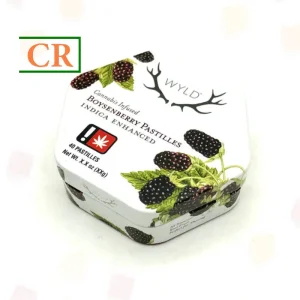
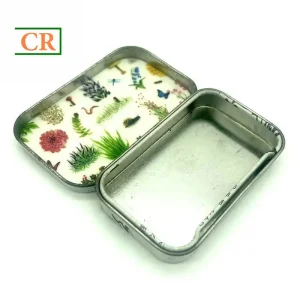
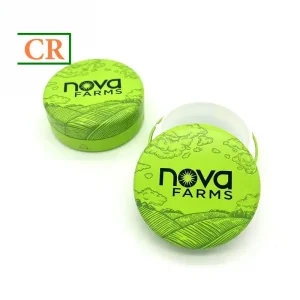
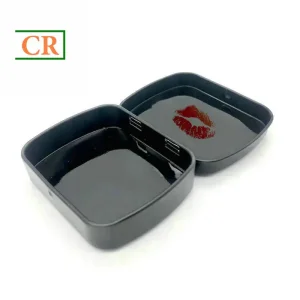
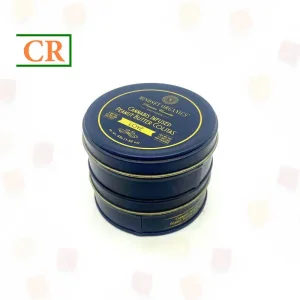
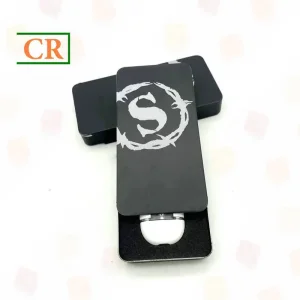
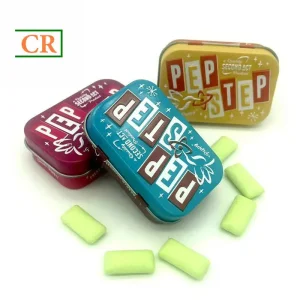
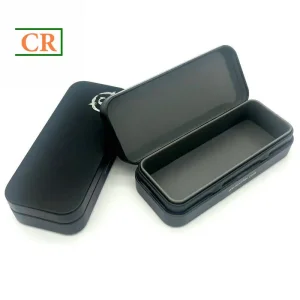
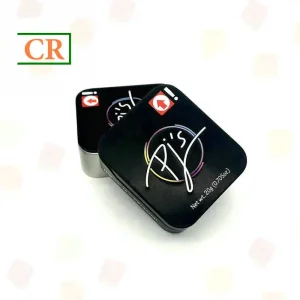
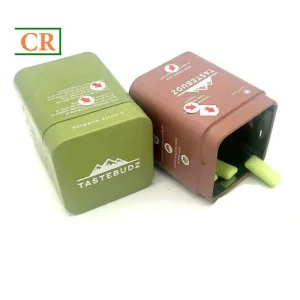
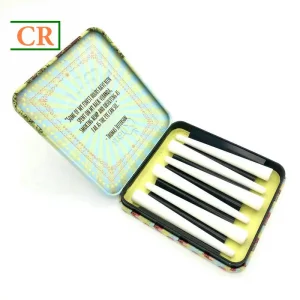
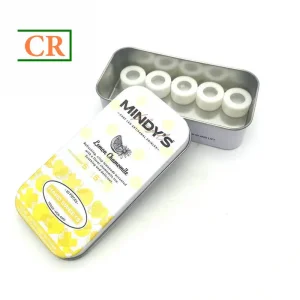
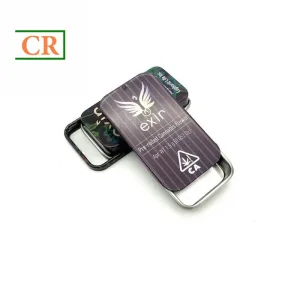
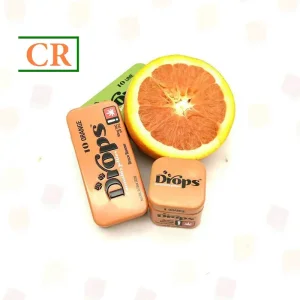
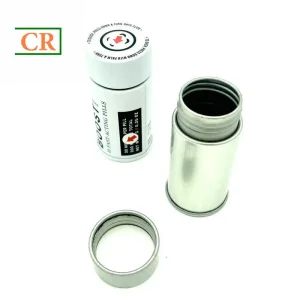
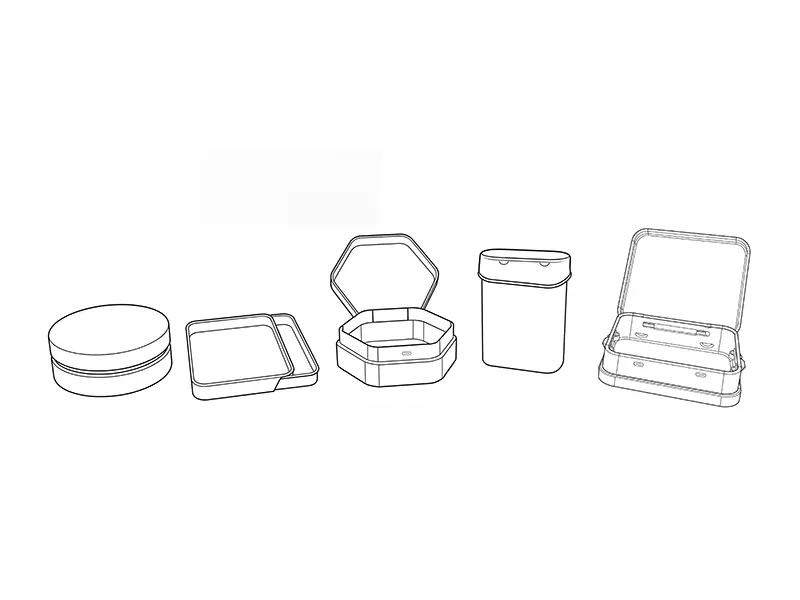
Explore our flagship configurations. Engineered with proprietary lock mechanisms to prevent access by children under 5 while offering user-friendly access for seniors.
A Technical Assessment of Tinplate Packaging Performance and Compliance Frameworks
In modern industrial logistics and premium product retail, the selection of packaging configurations plays a vital role. Among these options, the custom tin cube represents a significant achievement in structural design, combining optimal space efficiency with physical durability. As fast-moving consumer goods (FMCG), specialized pharmaceuticals, cannabis-derived products, and gourmet foods search for alternatives to single-use plastics, tinplate packaging offers an excellent combination of strength, environmental sustainability, and functional protection.
From a technical standpoint, the cubical configuration maximizes spatial utilization index metrics across shipping and warehousing. Unlike cylindrical containers, which leave up to 21.5% of shipping space empty because of their circular shape, cubic tins pack tightly together without gaps. This difference directly reduces logistics volume requirements, resulting in a smaller carbon footprint during transport. Additionally, the structural strength of a rectangular or cubic tin ensures it can handle vertical stacking pressures without losing its shape, protecting premium items from damage during long shipping processes.
Tessellation reduces shipping and warehousing voids, saving up to 21.5% in freight volume compared to round designs.
Rigid geometric corners distribute stress efficiently, protecting sensitive cargo in multi-tier distribution networks.
Electrolytic tinplate maintains its material characteristics indefinitely, supporting corporate circular economy goals.
High-quality liners block oxygen, water vapor, and ultraviolet light to extend product shelf life.
How Regulatory Pressure and Eco-Conscious Consumers Drive the Metal Packaging Shift
Sourcing trends in North America, the European Union, and developed Asian markets show a clear move toward metal packaging. Driven by strict extended producer responsibility (EPR) regulations and plastic taxes, procurement managers are reassessing their reliance on composite materials. Metal packaging, specifically electrolytic tinplate (ETP), stands out for its high recycling rate. Unlike plastics, which degrade in quality during recycling, tinplate maintains its properties indefinitely, making it a valuable material for circular economy initiatives.
In addition, child-resistant compliance has become a standard requirement for products containing active ingredients, pharmaceutical components, or concentrated botanicals. In the United States, regulations like the Poison Prevention Packaging Act (PPPA) require packaging to meet child-resistant status. As a result, custom tin cube factories have expanded their engineering capabilities, developing custom-molded tins that integrate safety closures with premium brand aesthetics.
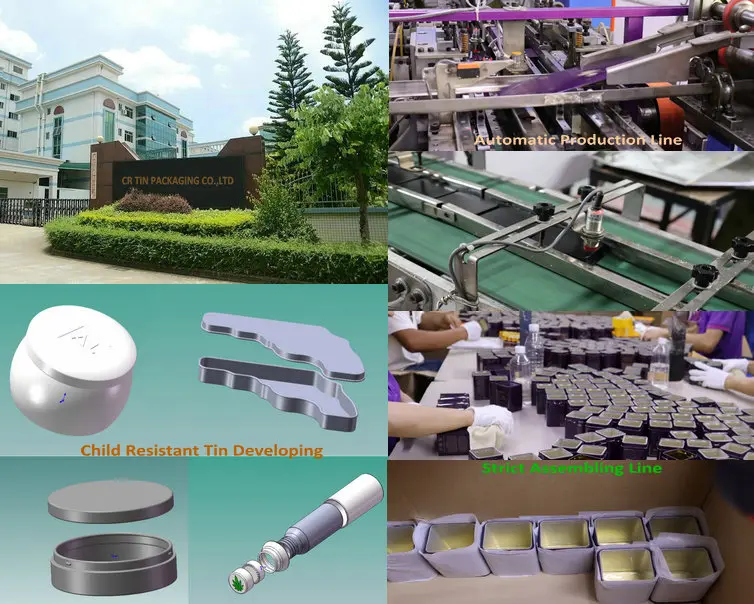
A trusted manufacturing partner with certified quality control and advanced automated production.
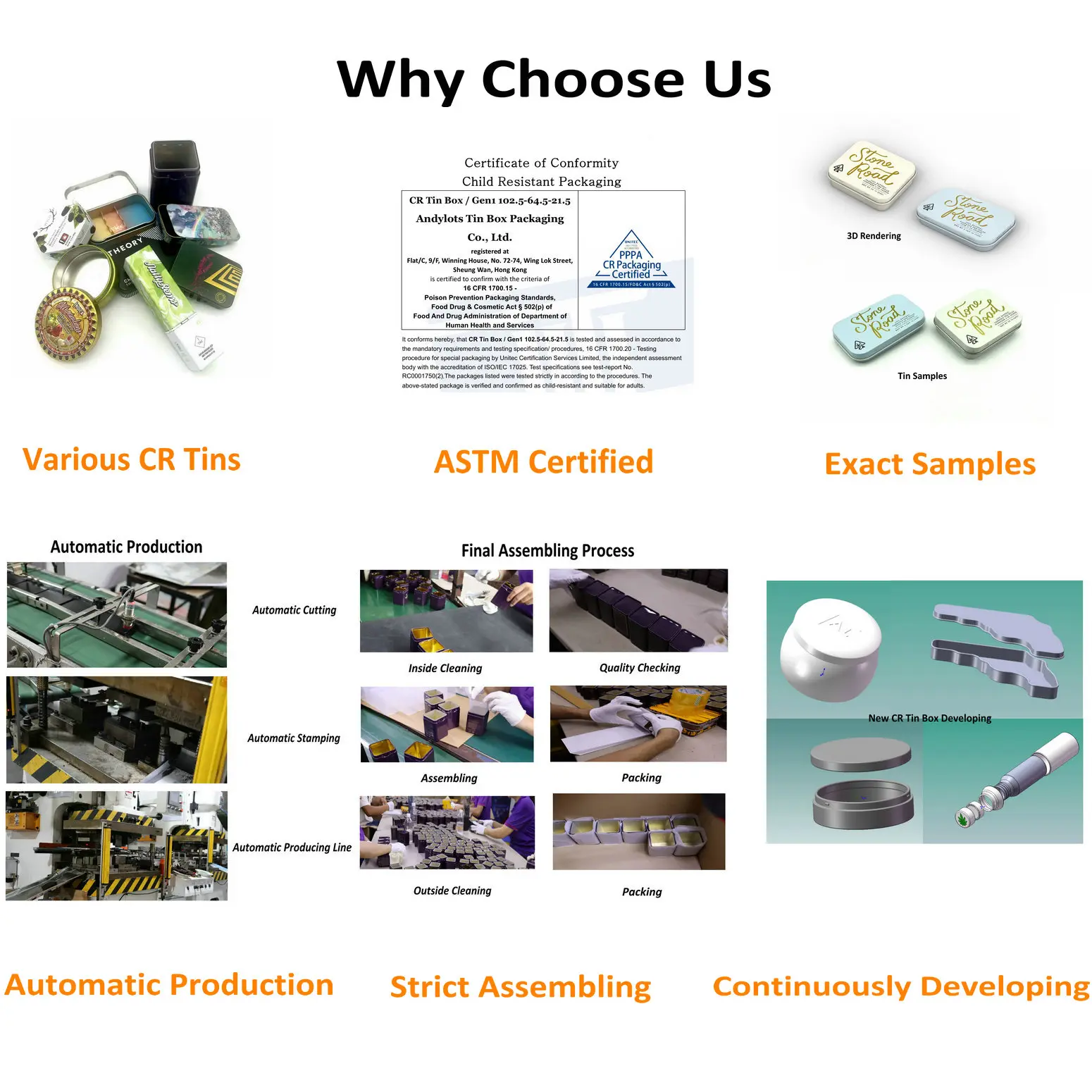
CR Tin (Andylots Tin Box Packaging Co., Ltd) operates as a streamlined, single-source professional supplier of child resistant tin boxes. We manage the entire lifecycle of tin packaging, including child resistant lock design, mold making, rapid sampling, child resistant lock testing, and high-volume mass production.
We began developing child resistant lock tin boxes in 2017. After nine years of research, development, and hands-on manufacturing experience, we have over 70 certified child resistant lock tin boxes. Our products cover all major tin box packaging styles in the industry, establishing our own unique child resistant lock tin box system designed for demanding international markets.
Engineering customized structures to meet specific regulatory, freshness, and display requirements.
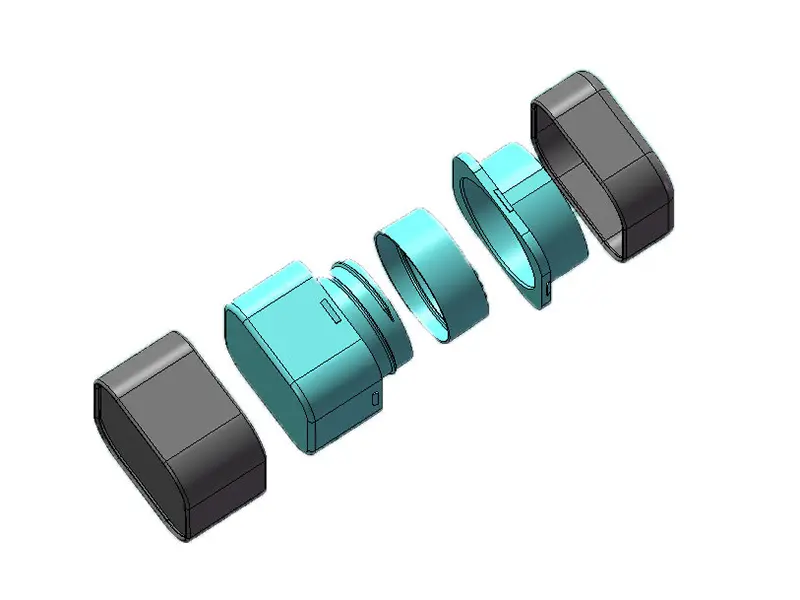
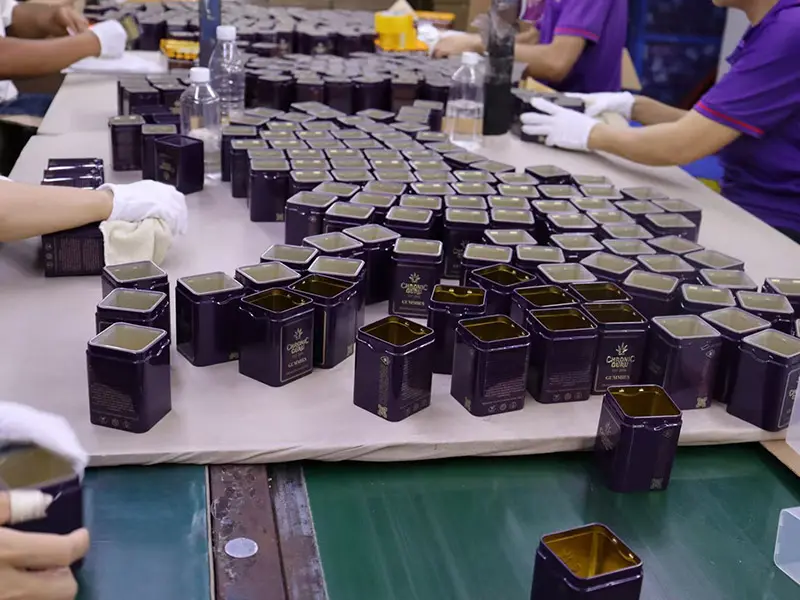
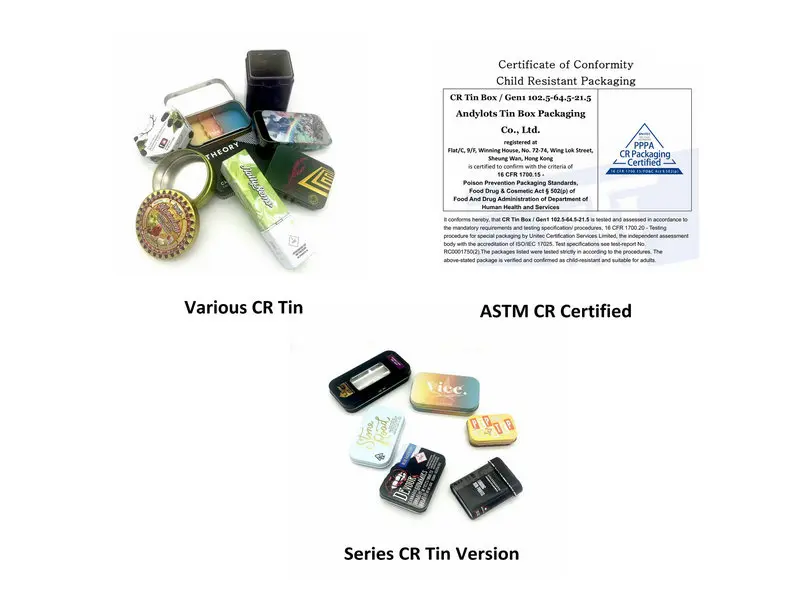
Optimizing manufacturing stages to ensure cost efficiency, durability, and reliable safety locks.
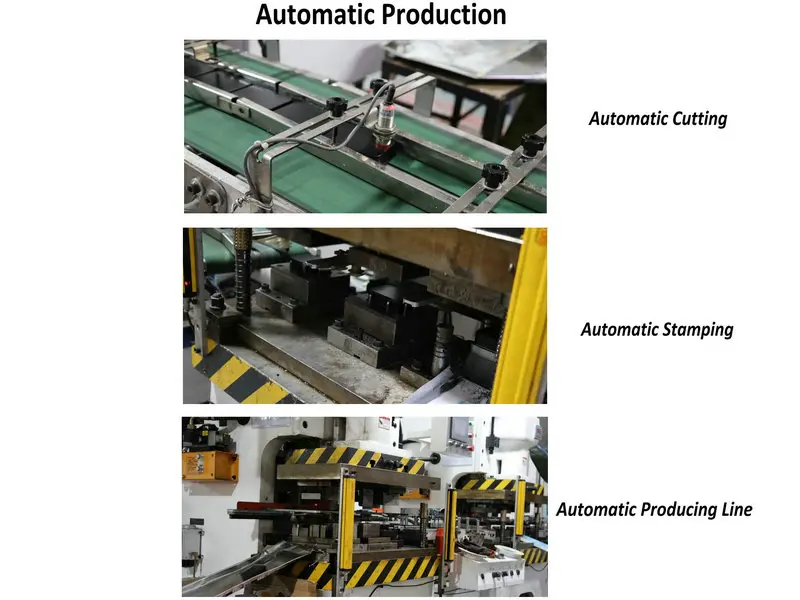
We design simplified child-resistant structures to lower tooling expenses. By using optimized molds and automated punching lines, we reduce setup costs and speed up production startup.
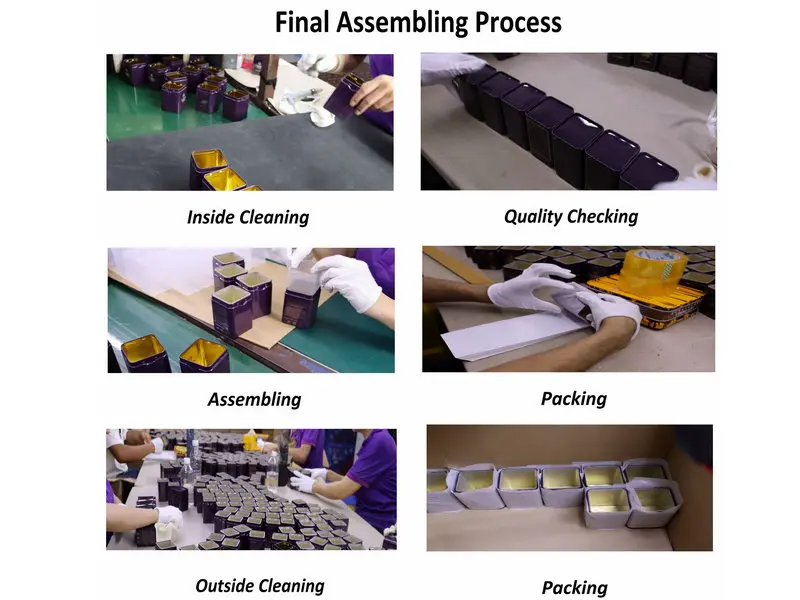
Our QC team monitors incoming materials and tracks every step of stamping and styling. Regular checks during final assembly ensure that all child-resistant lock mechanisms perform consistently.
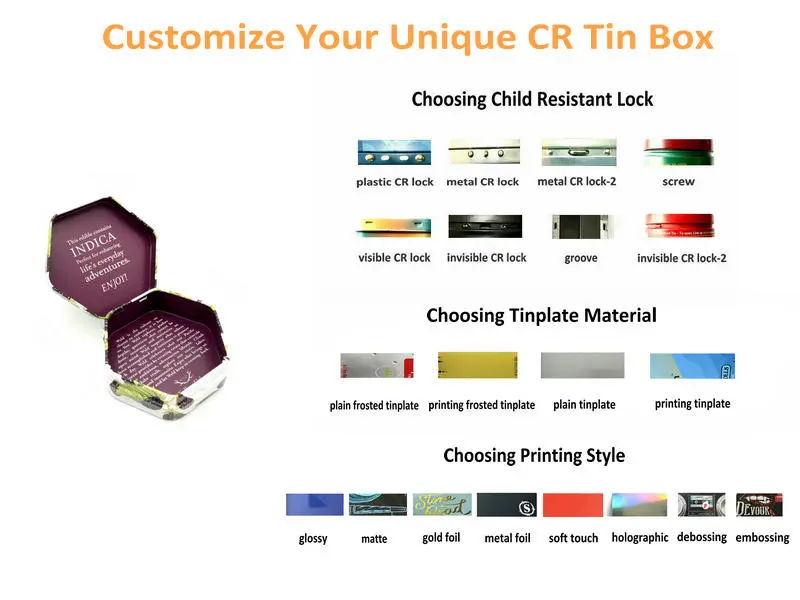
Our engineers provide functional mockups, 3D renderings, and plastic 3D-printed prototypes. This helps brands review and confirm their custom packaging designs before starting full mold production.
Understanding ASTM D3475 Protocols and Food-Grade Material Safety
Entering international consumer markets requires strict compliance with packaging safety standards. In the United States, the Consumer Product Safety Commission (CPSC) enforces rigorous testing protocols for child-resistant packaging (CRP). To be certified under 16 CFR Part 1700.20, packaging must undergo evaluation panels with children aged 42 to 51 months and adults aged 50 to 70 years. The packaging must successfully resist access by children while remaining simple enough for seniors to open easily.
CR Tin's engineering team focuses on meeting these requirements. Our custom tin cubes feature double-locking button systems, slide-and-catch mechanisms, and push-turn lids that comply with ASTM D3475 classifications. These systems use the natural spring of tinplate combined with food-grade plastic inserts to create secure child-resistant locks. This design prevents children from opening the tins through force or simple manipulation, while ensuring reliable, repeated use for adults.
In addition to safety locks, food safety compliance is a core requirement for our manufacturing. Tinplate boxes used for edibles, mints, or herbal products must prevent chemical migration from the metal. We use FDA-approved, BPA-free coatings and interior varnishes that pass international food-contact tests (including EU Regulation No. 1935/2004 and FDA 21 CFR standards). This high level of protection safeguards food and pharmaceutical products from oxidation, UV light, moisture, and chemical contamination.
Direct responses to technical questions about mold engineering, custom printing, and supply chain setups.
Our standard timeline is 30 days. This includes custom 3D drawing approvals (2-3 days), physical mold tooling and sample production (12-15 days), child-resistant certification checks, and final mass production.
We test our child-resistant tins through third-party laboratories to meet CPSC 16 CFR Part 1700.20 requirements. We provide complete certification documents to help clients quickly secure FDA and customs clearance.
We use food-grade, FDA-compliant silicone gaskets or customized TPU seals. These gaskets are molded directly into the tin rim to block moisture and oxygen, keeping contents fresh.
Our standard MOQ ranges from 5,000 to 10,000 units, depending on the tin's size and shape. Higher-volume runs allow us to optimize printing plate setups and maximize material efficiency.
Yes. We offer custom 3D embossing, debossing, spot UV, glossy/matte varnishes, and metallic ink prints. These finishes help improve shelf presence and support brand identity.
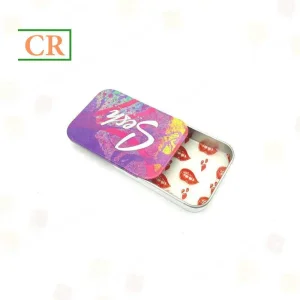
Explore our small-format and slide-to-open tins, engineered for precise fit, safety compliance, and smooth operation.
 CR Tin