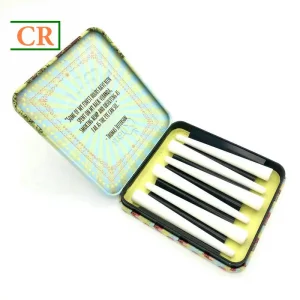
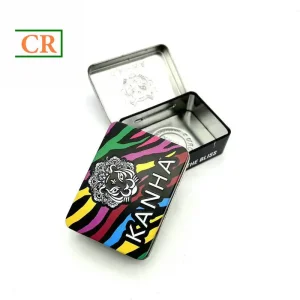
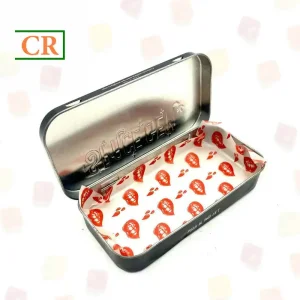
Exploring materials, pressure differentials, and barrier kinetics that define elite metal containment.
In modern industrial product preservation, exposure to external environmental variables such as oxygen, ambient relative humidity, and ultraviolet radiation is the primary driver of chemical degradation. For consumer markets spanning specialty food, active pharmaceuticals, nutraceuticals, and premium cannabis derivatives, packaging is not merely a container; it is a critical component of shelf-life management. Custom metal tinplate containers, when engineered with specialized silicone or thermoplastic elastomer (TPE) liners, achieve near-zero gas transmission rates. This hermetic isolation prevents volatile terpene vaporization, mitigates food oxidation, and ensures active ingredients retain their structural integrity over multi-year cycles.
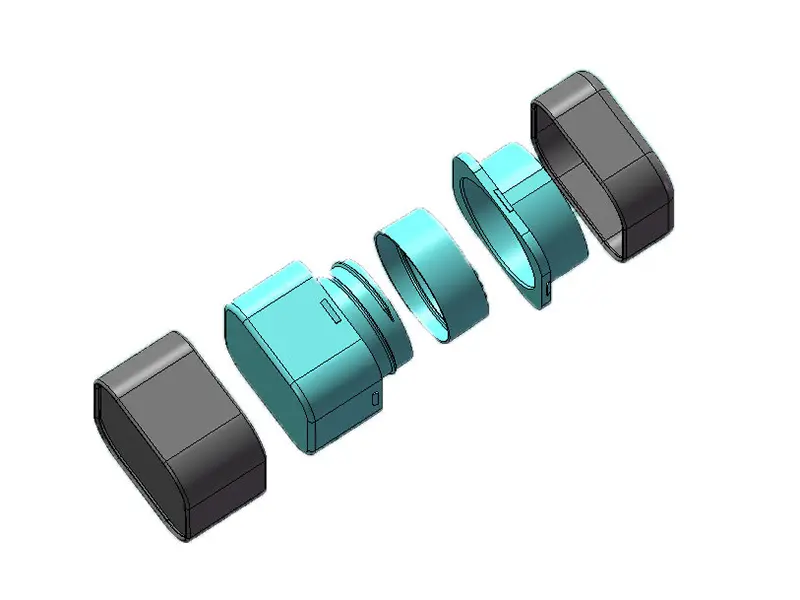
From an engineering standpoint, achieving a reliable airtight seal in structural metal requires precise tolerances. Sheet metal thickness (typically measured between 0.21mm to 0.35mm depending on dimensions) must be calibrated to withstand external ambient pressure differentials without buckling. By integrating custom-molded elastomeric gaskets directly into the tinplate bead profile, we resolve the historical weakness of metal-to-metal interfaces, guaranteeing a reliable gas-tight seal.
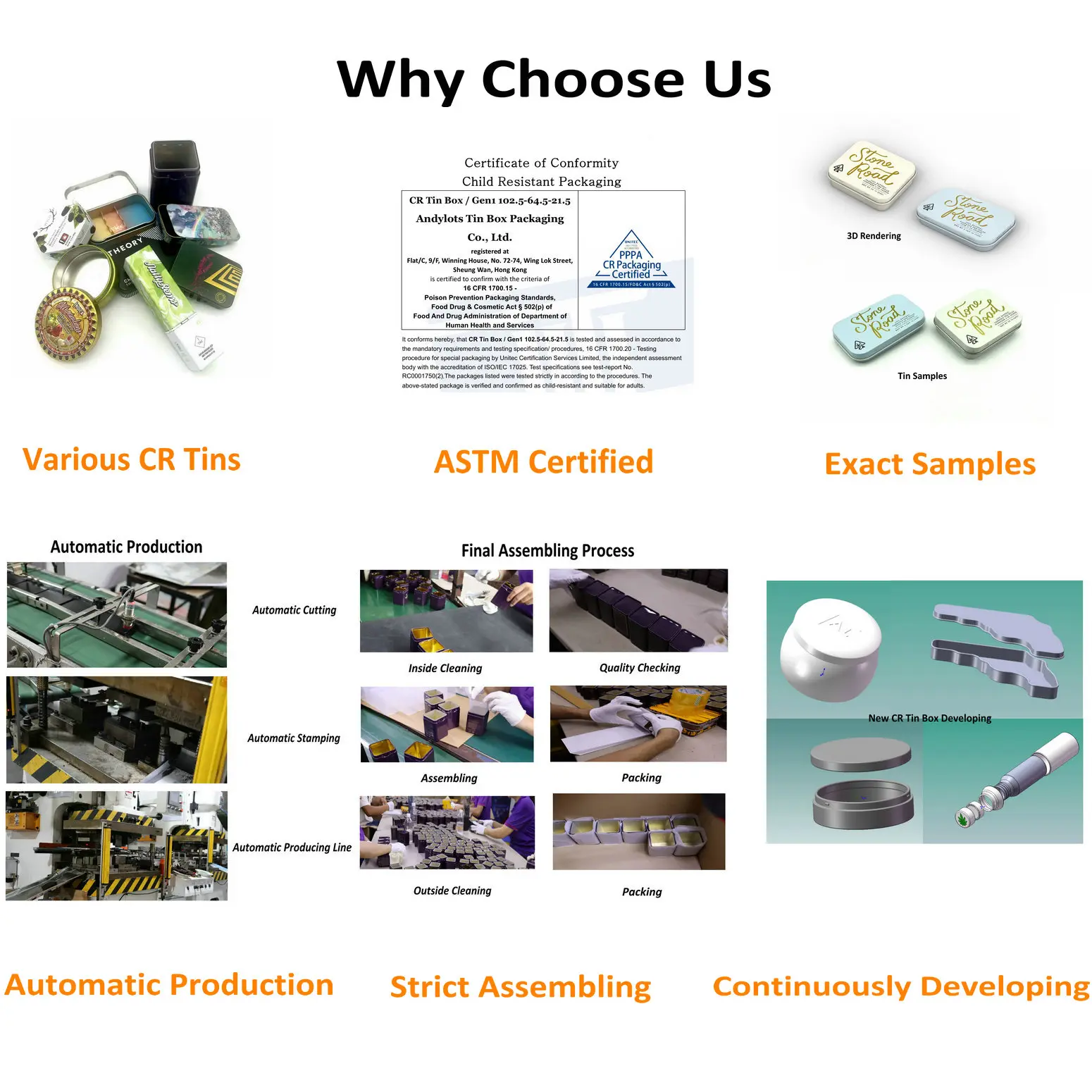
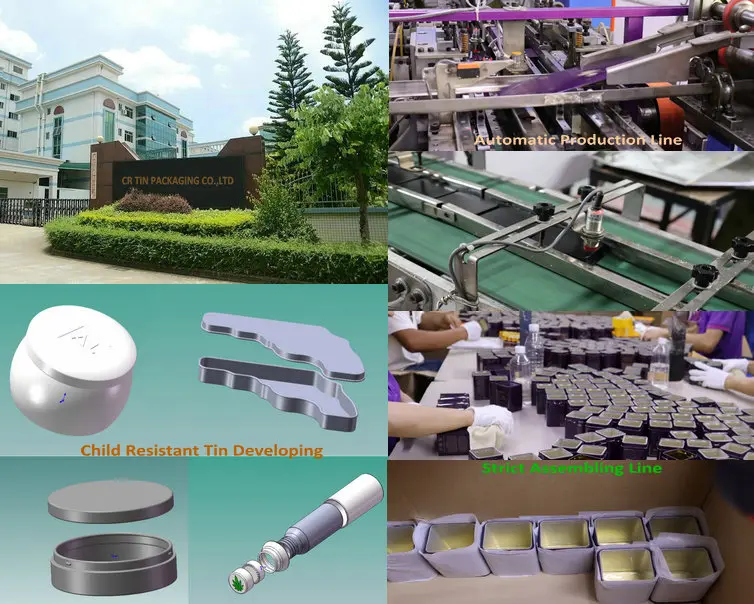
CR Tin (Andylots Tin Box Packaging Co., Ltd) is a streamlined, single-source professional supplier of child resistant tin boxes, integrating child resistant lock design, mold making and sampling, child resistant lock testing, and mass production.
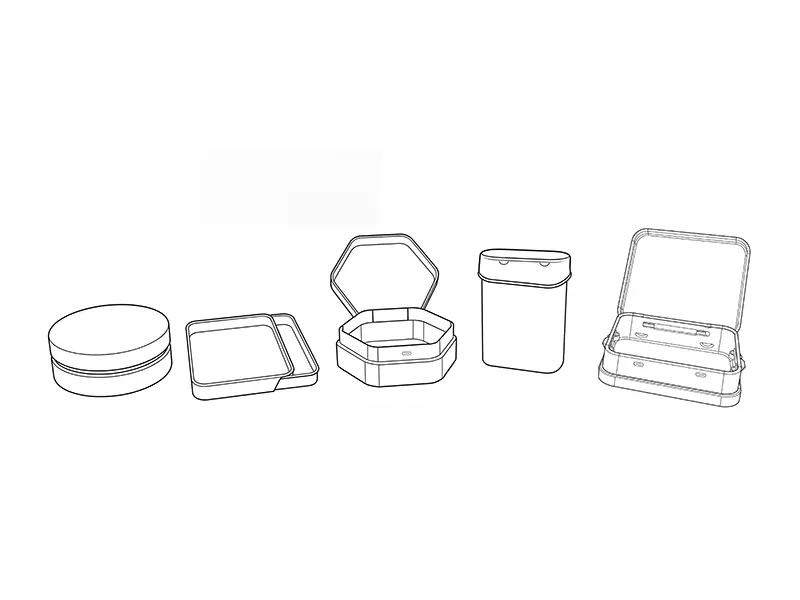
CR Tin began developing child resistant lock tin boxes in 2017. After nine years of research and development and pioneering experience, we have over 70 certified child resistant lock tin boxes, covering all tin box packaging styles in the industry, and have established our own unique child resistant lock tin box system.
With over 8 years of pioneering child resistant tin developing experience, decades of collective industry experience fuel our team’s unparalleled tin structure knowledge, fresh CR Tin ideas, and consistent quality in our premium and unique CR tin box packaging. Whether you are new to cannabis or deeply seasoned, we are here to support and guide you to choose and use our unique tins. From airtight CR tin, recycling material to high-end, unique tin structure, we have your needs covered.
Tracing the demand vector for hermetically sealed metal packaging across global supply chains.
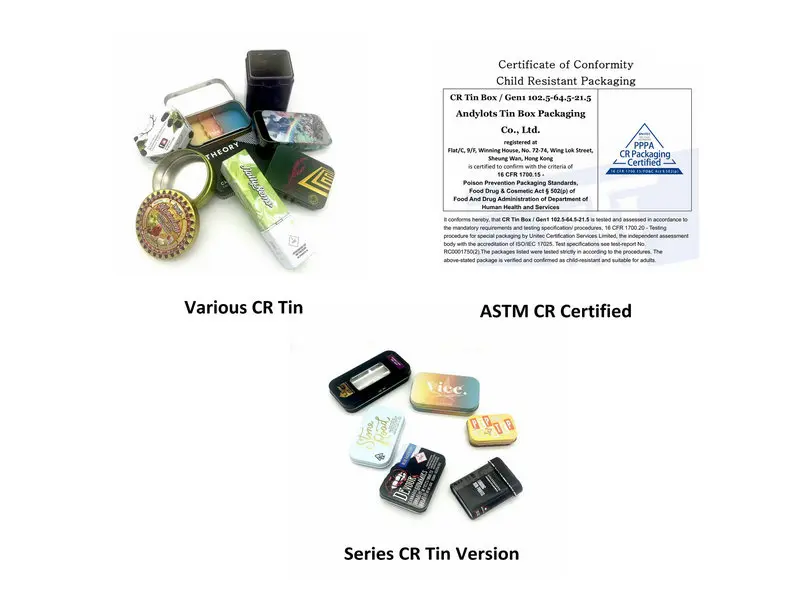
In the United States and Canada, federal mandates governing child safety are driving massive growth in child-resistant (CR) airtight tin adoption. Under ASTM D3475 standards, packaging must satisfy rigorous testing cycles to prevent access by children under 5 years of age while remaining accessible to seniors. Concurrently, state-level guidelines require cannabis flower and concentrates to be kept in opaque, light-blocking, airtight containers to ensure freshness and compliance.
The European Union focuses heavily on the Circular Economy Action Plan. Unlike single-use plastics, tinplate packaging is "permanently available material" that can be recycled infinitely without loss of quality. European food brands are replacing composite plastics with food-grade varnished tinplate (BPANI) featuring airtight silicone gaskets for gourmet coffee, confectionery, and functional mints, reducing carbon footprints while optimizing preservation.
The Asia-Pacific region dominates advanced automated tin forming. Leveraging precision tooling facilities and deep material expertise, factories in China supply premium custom tins globally. Seamless design integration, short prototyping lifecycles, and high capacity from automated lines allow APAC suppliers to support major retail programs across Europe and North America.
CR Tin is a professional child resistant metal packaging supplier who customizes, certifies, develops and produces high-end child resistant metal packaging for the US market.
More than 12 different CR tin structures as your option
Free unique CR tin design & creative service, provide 3D rendering and 3D sample
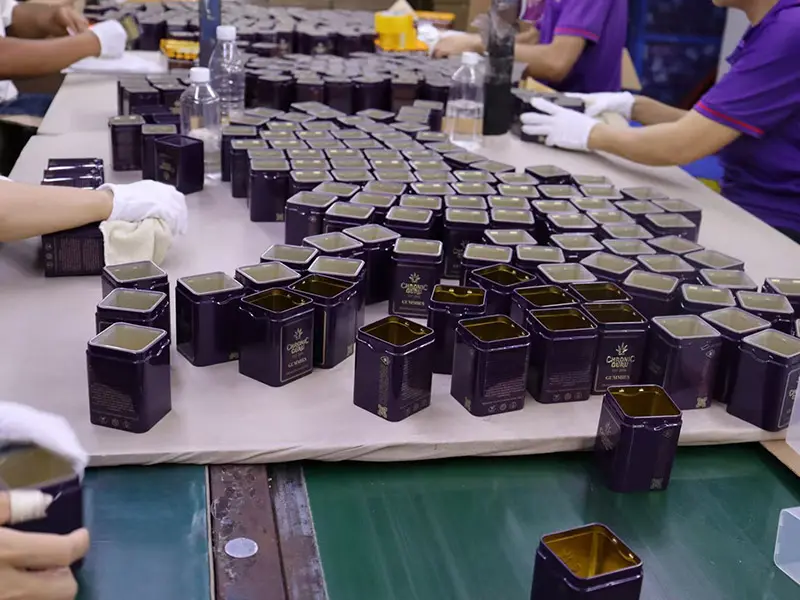
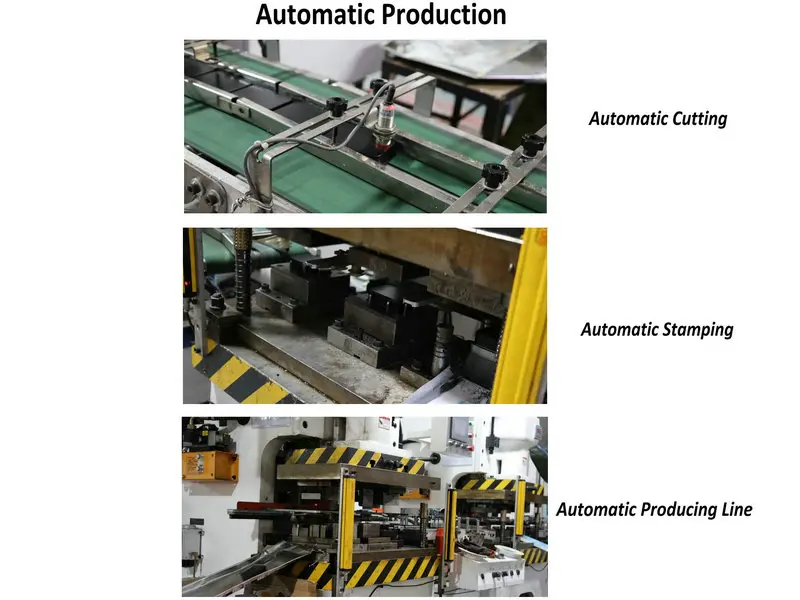
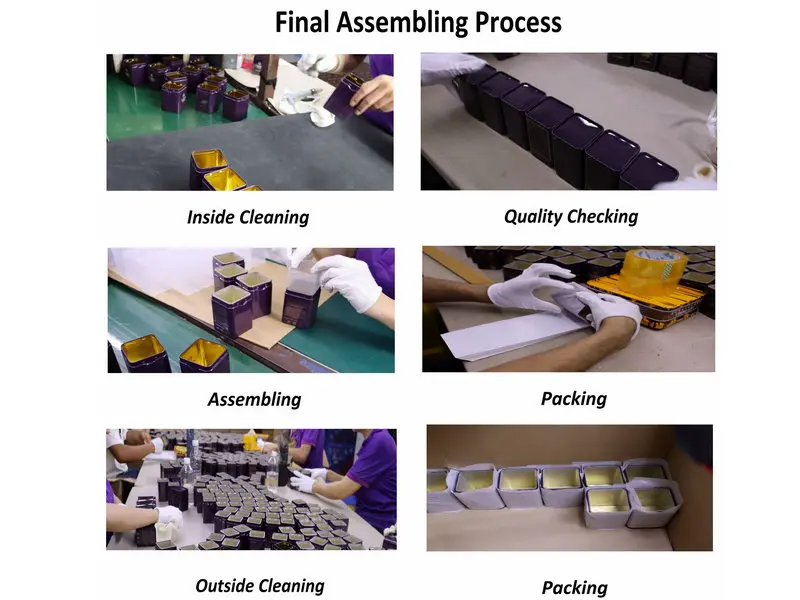
Advanced automation and expert teams producing high-volume, high-quality tins
Our systematic approach to engineering, quality assurance, and global compliance.

Pushing the boundaries of material engineering and sustainable production from 2025 to 2030.
Standard PVC liners are being phased out. Our engineering team is testing and qualifying bio-based thermoplastic polyolefins (TPO) and corn-derived PLA formulations. These compounds maintain exceptional elastic recovery and mechanical properties while meeting strict landfill biodegradation criteria, allowing for fully circular metal packaging.
We are integrating micro-embossed matrix structures, dynamic QR coding, and colorimetric indicators inside the lid bead. These elements signal internal gas composition changes, tamper detection, or brand validation directly, transforming rigid metal tins into interactive, smart packaging units.
Our goal is to run all automatic punching and assembly lines on zero-carbon power by 2028. Upgraded energy recovery loops on high-speed forming presses capture kinetic force, cutting manufacturing energy consumption by 22% while boosting production rates.
How specialized industries integrate airtight metal tins to secure product integrity and market authority.
Solid dose forms, mints, and active-ingredient gummies require rigorous barriers against relative humidity (RH). Atmospheric moisture can degrade tablets, cause gel caps to stick, and accelerate active ingredient breakdown. Our airtight, child-resistant tins feature food-grade internal varnishes and food-safe gaskets. This maintains a stable internal microclimate, keeping moisture levels below critical thresholds and extending product shelf life without relying on chemical desiccants.
For high-value agricultural goods like roasted coffee beans, artisanal mints, and loose leaf teas, volatile organic compounds (VOCs) are vital for aroma and taste. Conventional plastics can absorb these aromatic compounds over time. Tinplate acts as an absolute barrier, blocking light and oxygen while preventing odor transfer. The mechanical lock mechanism also ensures the container remains sealed during transport, preventing accidental opening or spills.
Expert technical insights regarding certification, materials, engineering, and manufacturing logistics.
 CR Tin