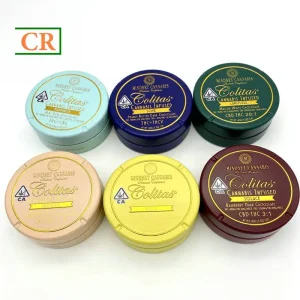
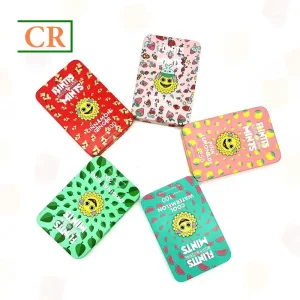
OEM Candy Tin Can Suppliers & Factories

Global Industrial Insights & Premium Certified Child-Resistant Packaging Solutions for Confectionery and Cannabinoid Brands

The Evolution of Candy Tin Can Packaging in the Global Market

The confectionery packaging landscape is undergoing a significant transition. Once dominated by single-use polymers and films, high-end confectionery, mint, and functional cannabinoid brands are turning to premium candy tin cans. This structural shift is propelled by consumer demand for sustainability, strict child-safety regulations across North America and Europe, and the clear branding differentiation that rigid metal containers provide on shelves.

Tinplate packaging offers an absolute barrier to moisture, oxygen, and light, ensuring the integrity, potency, and shelf-life of premium chocolates, herbal mints, and active-ingredient gummies. From a brand perception standpoint, metal containers elevate product prestige, functioning as reusable keepsakes that retain top-of-mind brand awareness long after the initial contents are consumed.

Key Industry Trend

Recent market research indicates that metal packaging in the gourmet and functional sweets segment is projected to grow significantly as regulatory bodies implement tighter limits on single-use plastics and demand certified safety closures.
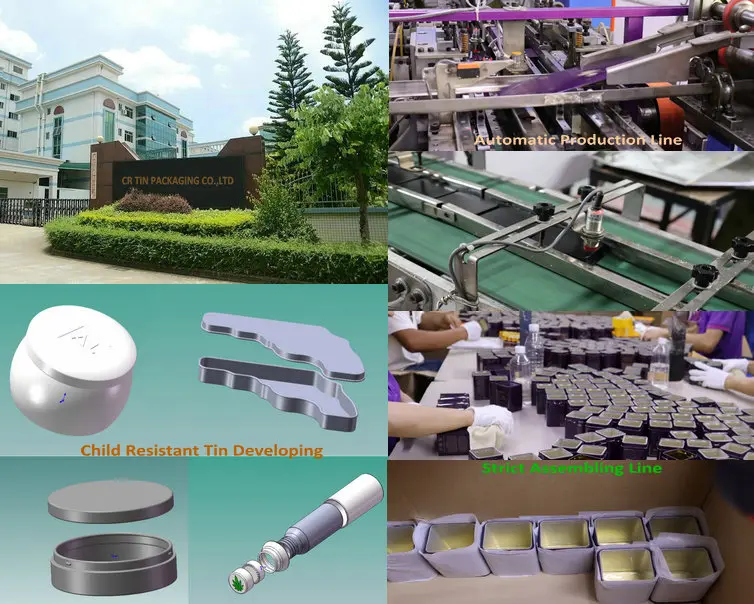
Candy Tin Can Manufacturing Factory

Corporate Profile: CR Tin (Andylots Tin Box Packaging Co.,Ltd)

CR Tin is a streamlined, single-source professional designer and manufacturer of high-end child resistant and custom metal packaging. Since beginning our dedicated development of specialized child-resistant (CR) locking systems in 2017, we have pioneered the integration of security and aesthetics in the tinplate industry.

2016
Founding & Prep
Began development and tooling research to ensure elite customization capabilities.
70+
Certified Tins
Over 70 certified child-resistant lock structures developed and approved.
8+
Automated Lines
Equipped with high-speed machinery to guarantee stable lead times and cost-efficiencies.
30
Day Delivery
Complete cycle from custom design, tooling, validation to full production run.

With nearly a decade of experience, we have established our own unique, proprietary child-resistant lock tin box packaging system. Today, we support thousands of global clients, particularly in the US and EU markets, in choosing secure, compliant, and aesthetically superior packaging layouts that balance child safety with senior-friendly accessibility.

Core Advantages & Manufacturing Standards

How we optimize material consumption, automate engineering, and enforce strict quality verification to deliver premium cost-effective metal packaging.

Various CR Tin Structures

Offering over 12 primary certified child-resistant tin styles including sliding, push-button, squeeze-and-turn, and hinged options ready for direct market adaptation.

Elite Technical R&D

Equipped with high-performance 3D rendering systems, rapid tooling, and 3D physical modeling to shorten design cycles and guarantee secure fitment prior to tool making.

Rigorous Quality Auditing

Integration of automatic optical inspection (AOI) lines, manual secondary assurance checks, and independent third-party lab testing certificates (ASTM D3475 / CPSC).
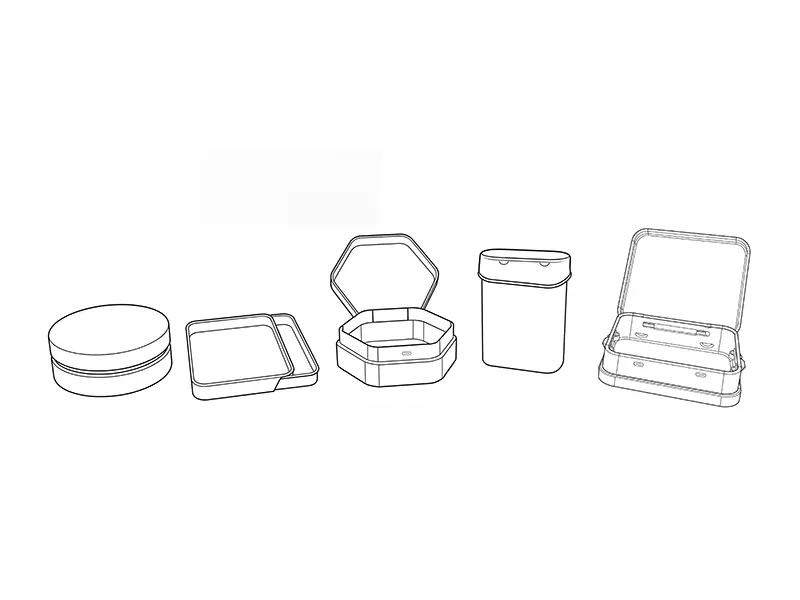
Certified Child Proof Packaging Manufacturing

Optimizing Factory Costs Without Quality Compromise

In high-volume manufacturing, cost-efficiencies must never compromise structural integrity. CR Tin achieves this through three main pillars:

  • Optimized CR Hinged Mechanics: Simplifying lock geometries to minimize assembly steps while passing structural stress tests.
  • Automated Production Lines: Minimizing raw-labor variances via automatic stamping, rolling, and automated liner installations.
  • Upgraded Auxiliary Tooling: Leveraging specialized accessory suppliers to source durable food-safe food-grade plastics and silicones.

Engineered Anatomy of Food-Grade & Child-Resistant Candy Tins

A granular breakdown of the material layers, lining technology, and safety closures that make our metal boxes standard-setting packaging options.
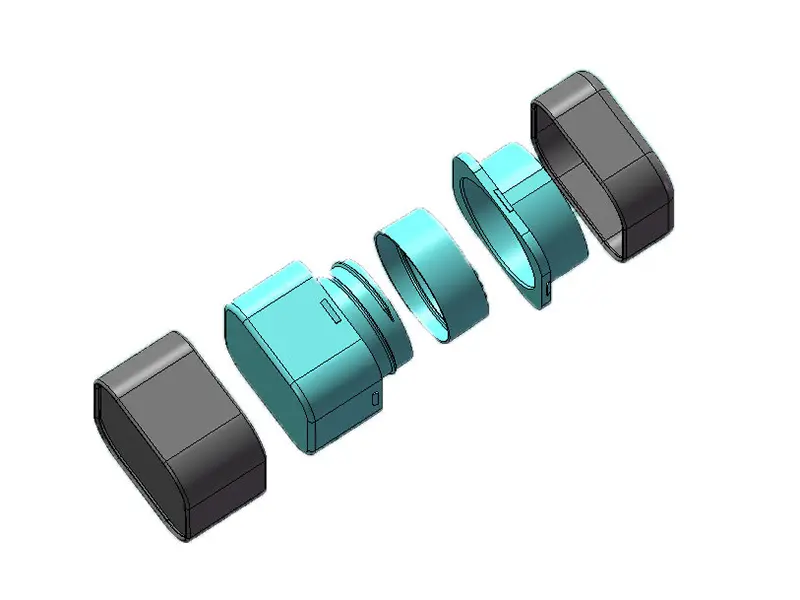
Testing and R&D for Child Proof Locks

Advanced Protective Layers & Materials

Standard candy tins must defend products against external degradation factors. Our canisters rely on multi-tier preservation layering:

  • Electrolytic Tinplate (ETP): High-purity steel base coated with a microscopic layer of tin to combine strength with high corrosion resistance.
  • FDA-Approved Interior Lacquers: BPA-free, food-grade coatings (organosol or epoxy-phenolic based) that eliminate organoleptic reactions with candies, mints, and chocolates.
  • Hermetic Seal Inserts: Precision-fitted silicone, EPE (expanded polyethylene), or elastomer gaskets to lock out air, humidity, and keep contents fresh.

Step-by-Step Customization to Scale Workflow

Phase 01

Concept & 3D Render

Developing complex CAD layouts matching the sizing, shape, and mechanical needs of the product.

Phase 02

3D Prototyping

Generating SLA/SLS plastic mockups to verify fitment and mechanical clearance of lock tabs.

Phase 03

Precision Tooling

Machining high-hardened steel molds ensuring dimensional accuracy down to standard tolerances.

Phase 04

Mass Customization

High-speed automated stamping, printing (offset/CMYK), inline quality check, and packaging.

Localized Applications & Global Regulatory Adaptations

How different regions leverage OEM candy tin designs to fulfill commercial objectives and comply with strict distribution laws.

North America (US & Canada) Compliance

In the North American region, strict regulations govern the packaging of child-attractive edibles, particularly functional vitamins, active sleep aid gummies, and legal cannabis-derived sweets. The Consumer Product Safety Commission (CPSC) and Health Canada require packaging to comply with ASTM D3475 child-resistant standards.

Our OEM childproof metal canisters utilize specialized multi-point mechanisms (e.g., dual-push buttons, squeeze-turn friction points, or sliding mechanical locks) that ensure child safety, yet remain highly usable for adult consumers and seniors.
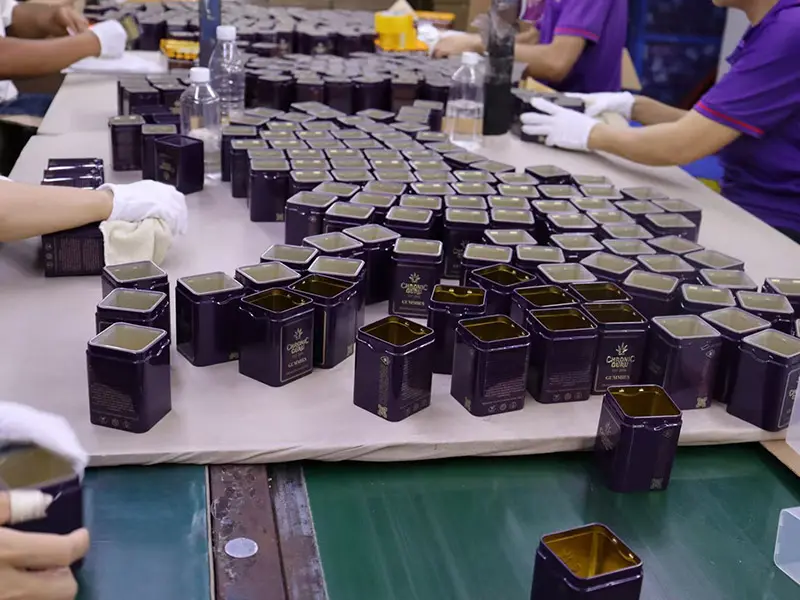
Automated Production Line for Candy Tins

European Union & UK Sustainability Directives

Across Europe, the main catalyst is the transition away from single-use plastics under Extended Producer Responsibility (EPR) programs and plastic taxes. Recyclability and durability are crucial.

Tinplate matches these demands perfectly as an "infinitely recyclable material" that keeps its intrinsic mechanical qualities after processing. Gourmet confectioneries, premium chocolate brands, and specialty mint producers use custom-shaped embossed metal tins to appeal to ESG-conscious consumers and to command premium pricing.
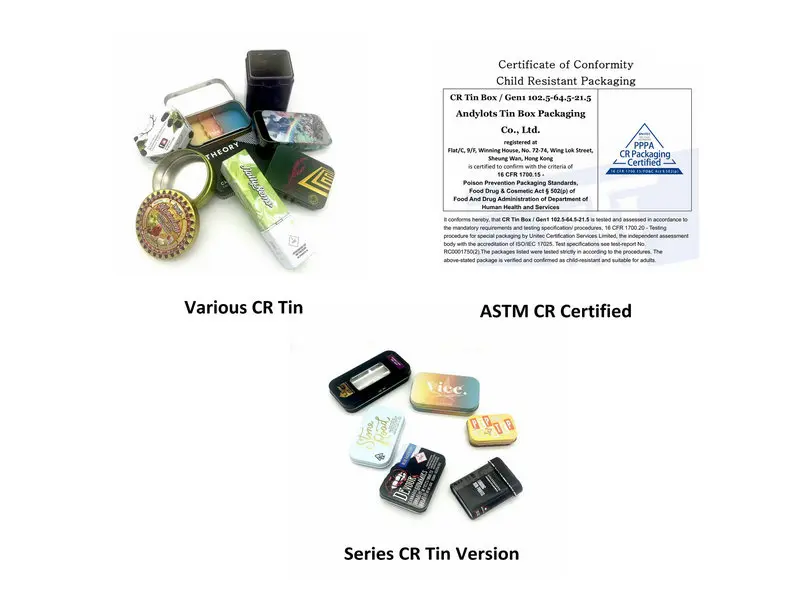
Custom Embossed Confectionery Tin Box

Technology Roadmap & Future Outlook (2025–2030)

Innovation in raw metal processing, smart closures, and bioplastic laminates are defining the future of premium rigid container manufacturing.
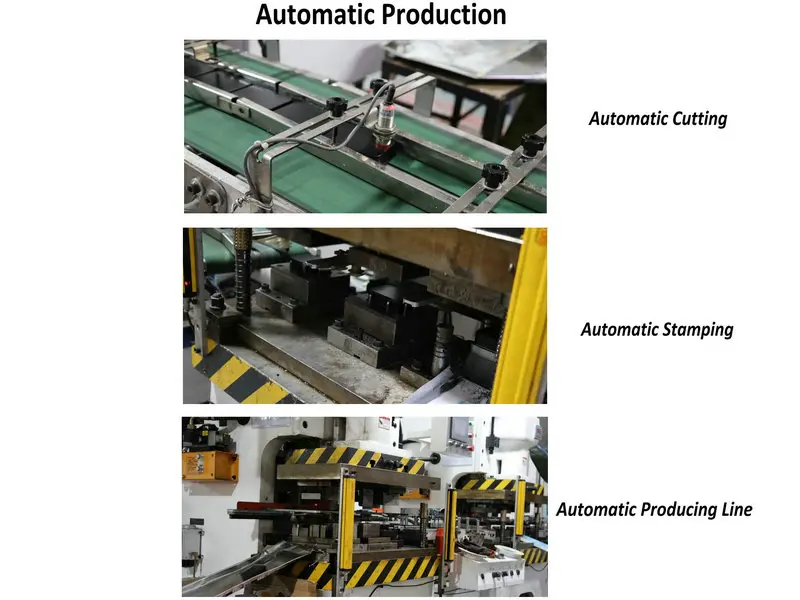
Advanced Quality Inspection of Metal Packaging

Key Milestones on the Confectionery Tin Horizon

  • Ultra-Lightweight Tinplate (DWI technology): Minimizing raw steel weight while retaining dent resistance and structure, resulting in lower shipping weights and carbon footprints.
  • Biodegradable and Cellulose Liners: Replacing typical plastic and silicone gaskets with bio-resins that decompose cleanly without disrupting the metal recovery stream.
  • Smart Anti-Counterfeiting Elements: Integrating unique laser-etched QR and NFC tags into the embossing detail, allowing brands to secure authenticity and trace inventory in real-time.
  • Universal Adaptive Locks: Redesigning child-resistant configurations to fit variable size footprints, reducing initial tooling costs for startups and boutique makers.

Industrial Process Flow & Quality Assurance System

Our commitment to defect-free mass production relies on systematic operational checkpoints throughout the production cycle:
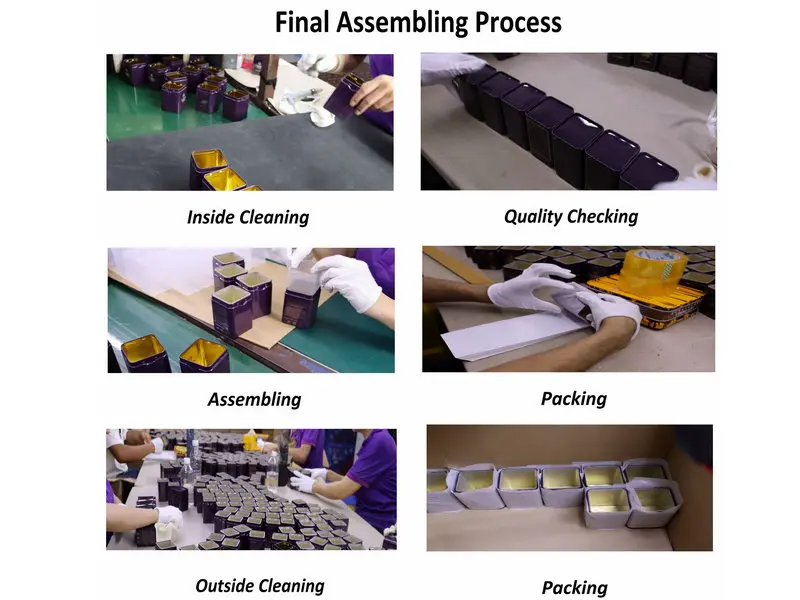
  • Raw Material Validation: Every batch of electrolytic tinplate undergoes strict thickness, coating weight, and chemical safety checks.
  • Visual and Color Consistency Check: Leveraging automated high-resolution inline cameras to detect even minor paint or printing offsets.
  • Dimensional Verification: Using custom-built sizing jigs to verify consistent clearance tolerances for secure child-resistant operations.
  • Pre-Shipment Inspections: Independent third-party inspection firms test and verify structural resistance before shipping.
Testing and Sizing Jigs for Metal Tins

Frequently Asked Questions (FAQ) - Global Sourcing & Design

Deep industrial answers to help sourcing directors, brand managers, and product engineers optimize their packaging selections.

What makes a candy tin box officially certified as "Child-Resistant" (CR)?
To be certified child-resistant, packaging must pass rigorous testing protocols specified under ASTM D3475 standards and CPSC 16 CFR 1700.20. Testing involves assessing the design's effectiveness at keeping children under five years old from opening the container within a specified timeframe, while remaining accessible to adults and seniors. Designs usually incorporate dual-action mechanisms (e.g., press-and-slide, squeeze-and-pull) that require a higher level of cognitive step-coordination and manual force than young children possess.
How does tinplate protect premium food and confectionery items over other packaging materials?
Tinplate provides a complete barrier to oxygen, moisture, and light. Oxygen causes food fats to go rancid and degrades essential ingredients; moisture causes hard candies to dissolve and mints to lose shape; light decomposes organic pigments and degrades active cannabinoids or vitamins. By blocking all these factors, tinplate packaging preserves product flavor, texture, and potency much longer than porous cardboard or polymer packaging options.
What is the typical tooling and lead time for custom OEM metal packaging?
Generally, the complete custom manufacturing cycle takes around 30 days. This includes 3D digital concept rendering (2-3 days), producing SLA plastic prototypes (3-5 days), tooling mold creation (15-20 days), and starting the first production run (10-15 days). Lead times vary based on the physical size of the container, mechanical complexity, and current facility capacity.
Are internal linings and printed inks food-safe?
Yes, all our interior lacquer coatings and exterior printing inks comply with major international standards, including US FDA, EFSA (European Food Safety Authority), and REACH requirements. The interior surfaces are lined with food-grade varnishes (like organosol, BPA-free epoxy, or polyester coatings) that prevent acidic or oily sweets from reacting directly with the metal container.
Can child-resistant tins be recycled indefinitely?
Yes, steel and tinplate are highly sustainable, circular-economy packaging materials. Unlike plastics, which degrade in quality and eventually end up in landfills, tinplate can be melted down and repurposed endlessly without losing its strength or protective qualities. The magnet-friendly nature of steel also makes it easy to separate and recover from municipal waste systems.
How do you help brands balance child safety with senior-friendly ease of use?
This is a core consideration of the 16 CFR 1700.20 testing protocol. Our design team creates mechanisms that leverage physical principles (like leverage points, flexible hinges, and push buttons) rather than raw strength. This ensures children struggle to open the container, while seniors with minor arthritis can comfortably squeeze or press the release tabs to access the contents.

Expert Factory Customization Support

We combine custom design expertise with advanced technology, providing complete support through every step of your packaging development.
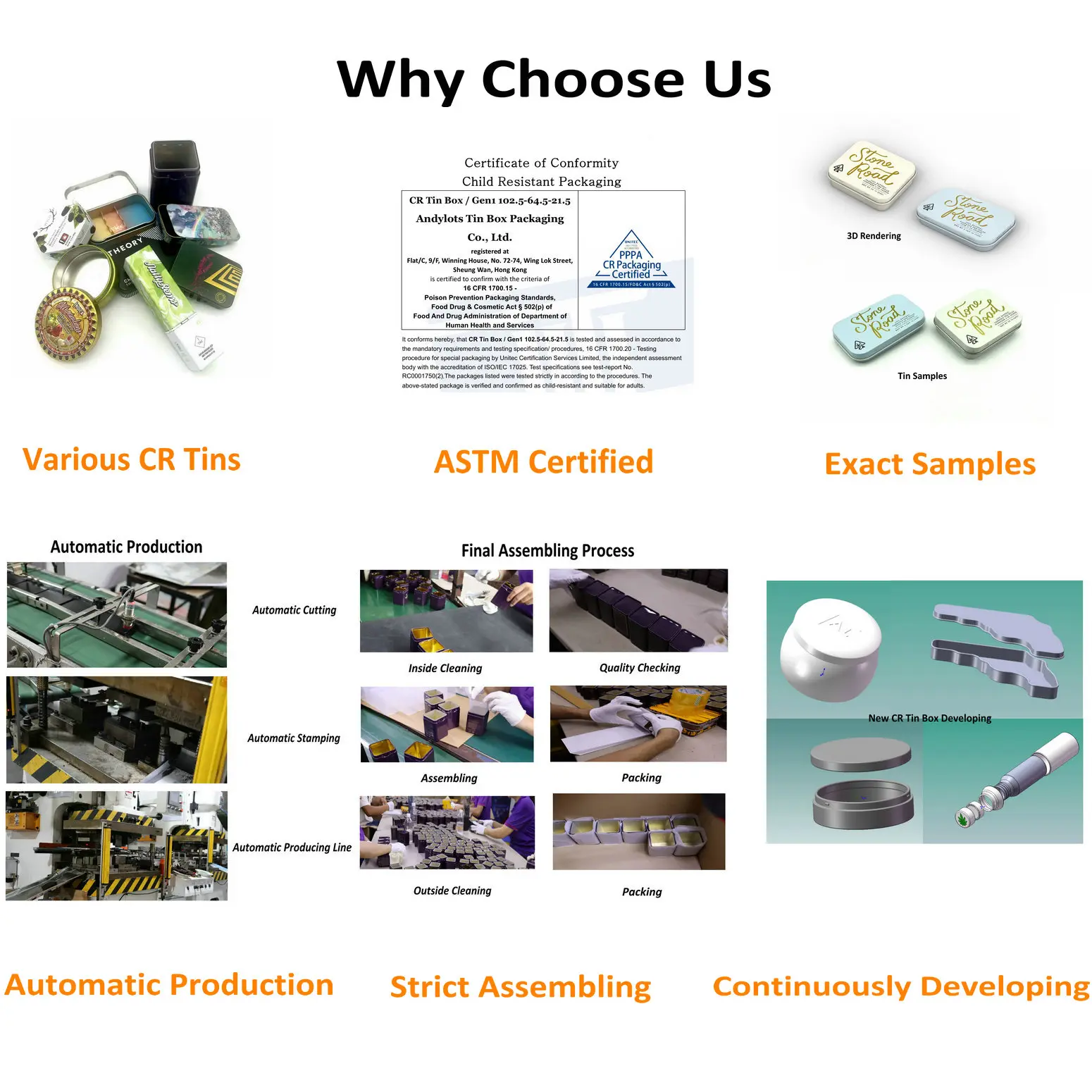
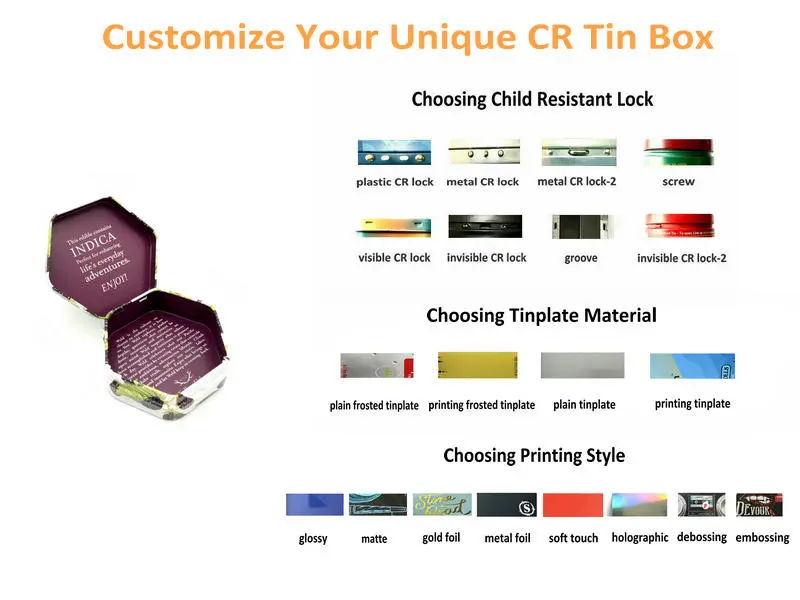
Customized Child Resistant Tin Box Support Gallery
Certified Child Resistant Metal Tins Display