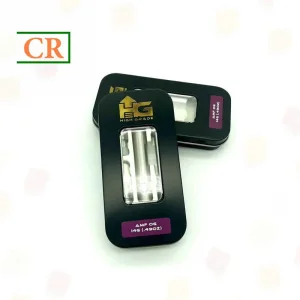
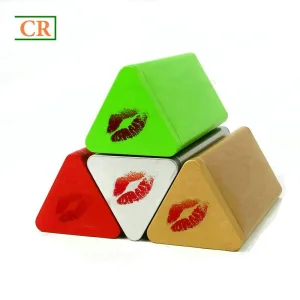
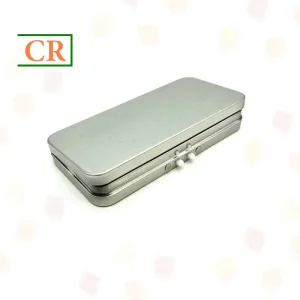
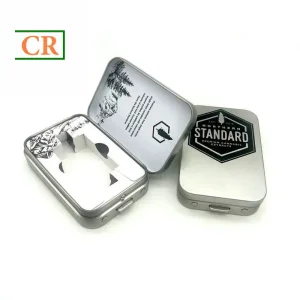
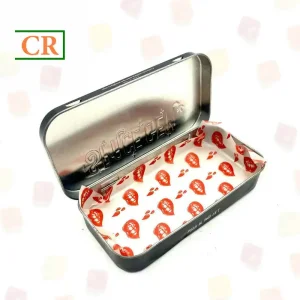
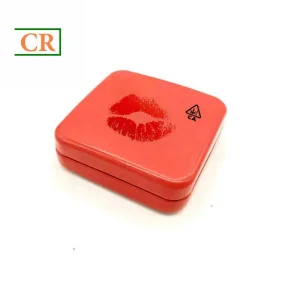
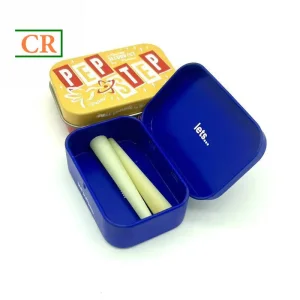
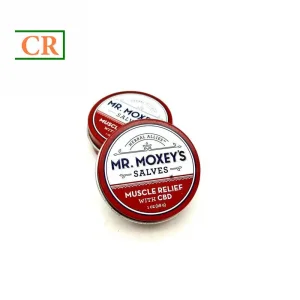
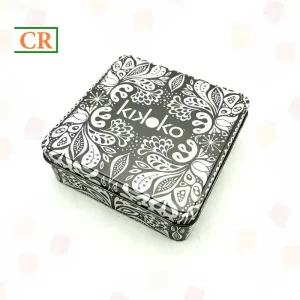
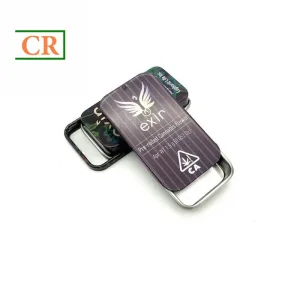
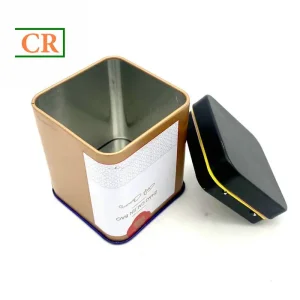
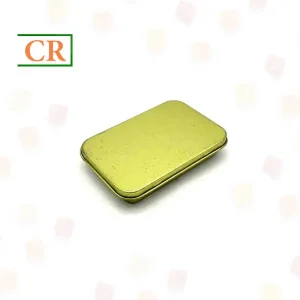
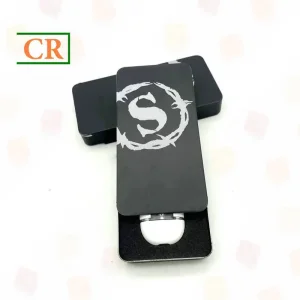
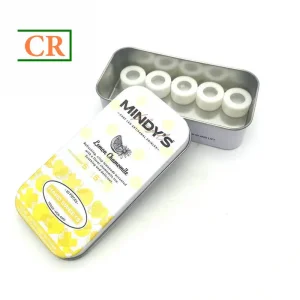
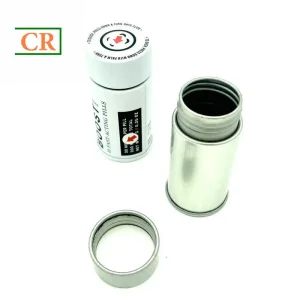
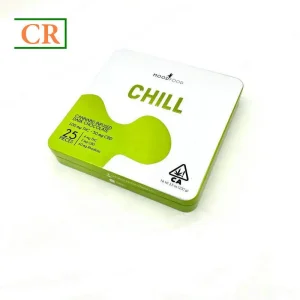
CR Tin (Andylots Tin Box Packaging Co.,Ltd) operates as a streamlined, single-source professional developer and global supplier of premium child resistant tin boxes and innovative rigid locking packaging solutions. Since our founding and initial breakthrough in developing specialized lock mechanisms in 2017, we have successfully integrated all operational stages: child resistant lock design, CAD & 3D mold-making, rapid prototyping, structural child safety lock testing, and global mass production.
Over nine years of persistent research and development, pioneering market experience, and technical iterations have culminated in a portfolio of over 70 certified child resistant lock tin boxes. Our designs span across all major packaging configurations in the consumer and industrial goods sectors. By engineering custom push-button, slide-to-lock, and multi-step latch assemblies, we have established our own unique, proprietary child resistant lock tin box system, solving critical security challenges for brands globally.
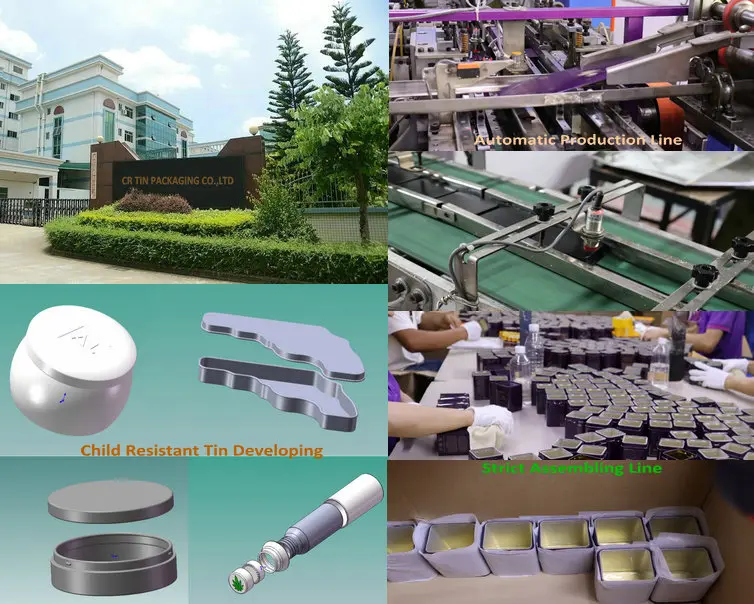
Quantified manufacturing strength and speed designed to handle volatile high-volume supply chains.
Modern child-resistant (CR) packaging is no longer merely a regulatory check-box; it has transformed into a core competitive asset for premium brands. The global commercial landscape faces shifting compliance mandates alongside growing consumer demands for plastic-free alternatives. As traditional thermoformed plastic clamshells face intense regulatory crackdowns and anti-plastic sentiment, rigid steel and tinplate alternatives have emerged as the premier medium.
Traditional plastic clamshells present significant environmental challenges and are prone to micro-cracking during long-distance transit. Modern tinplate constructions offer natural structural integrity, infinite recyclability, and a high-barrier defense against light, moisture, and oxygen, ensuring product stability and safety.
In high-stakes sectors like legal cannabis, clinical pharmaceuticals, nutraceuticals, concentrated extracts, and household chemicals, physical protection must be paired with child safety. A robust child-resistant container prevents accidental ingestion while maintaining access for seniors. Navigating this balance requires deep technical expertise, meticulous material selection, and rigorous design validation.
By employing tinplate (steel coated with a micro-thin layer of tin), our factories produce packaging that offers structural rigidity, tamper-evidence, and childproof security. Unlike plastic clamshells, which are prone to structural failure when subjected to high vertical pressure, metal tin boxes maintain their protective integrity throughout the entire retail logistics journey.
How CR Tin combines structural customization, expert engineering, and rigorous QC for the US and EU markets.
Over 12 fully certified, ready-to-use child resistant structural configurations configured for distinct product shapes and sizes.
Free, bespoke CR tin design and creative engineering services, featuring rapid 3D CAD rendering and precision plastic prototypes.
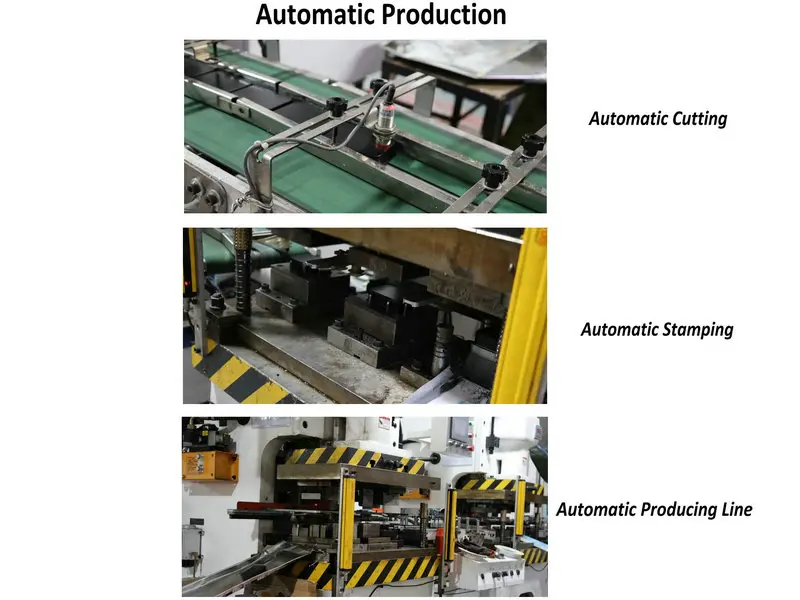
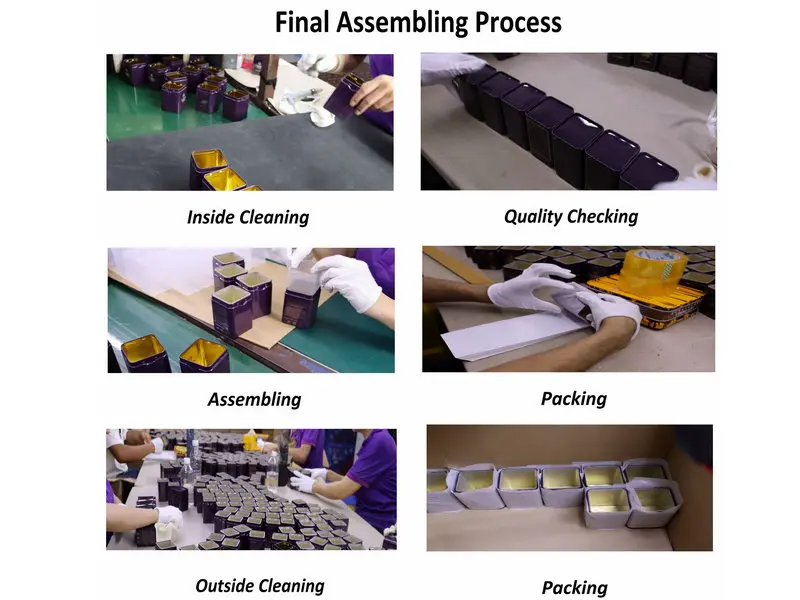
Advanced, high-capacity automated production lines operated by specialized quality assurance personnel to maintain tight clearances.
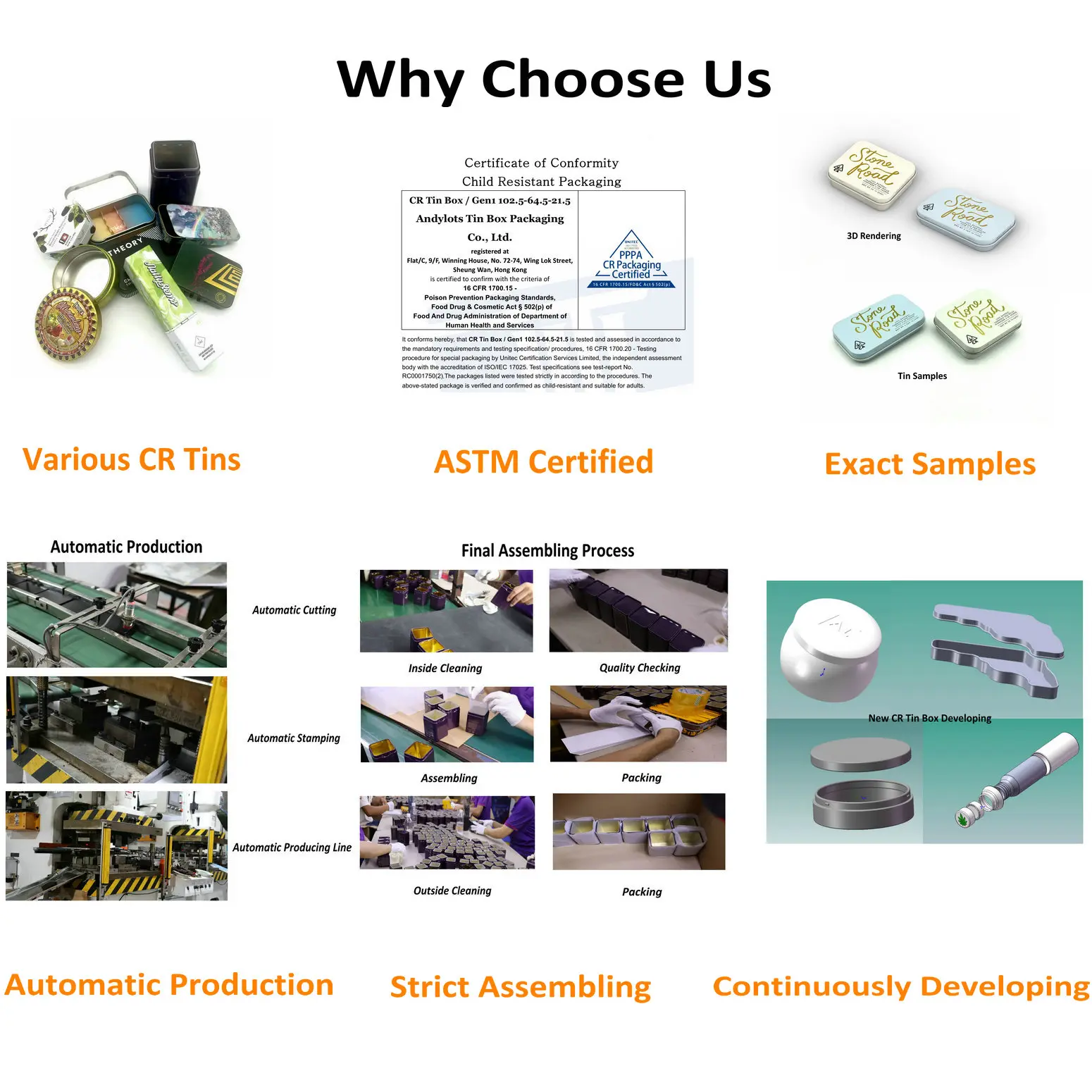
Decades of collective metal packaging knowledge empower our structural team to develop specialized mechanisms, advanced airtight gasket configurations, and eco-friendly tinplate solutions. Whether you are launching a startup or managing a multinational CPG brand, we guide you through every step of selection, testing, and production. From airtight liners and secondary recycling-friendly inserts to high-end custom hinges, we ensure your child-resistant packaging meets the demands of your market.
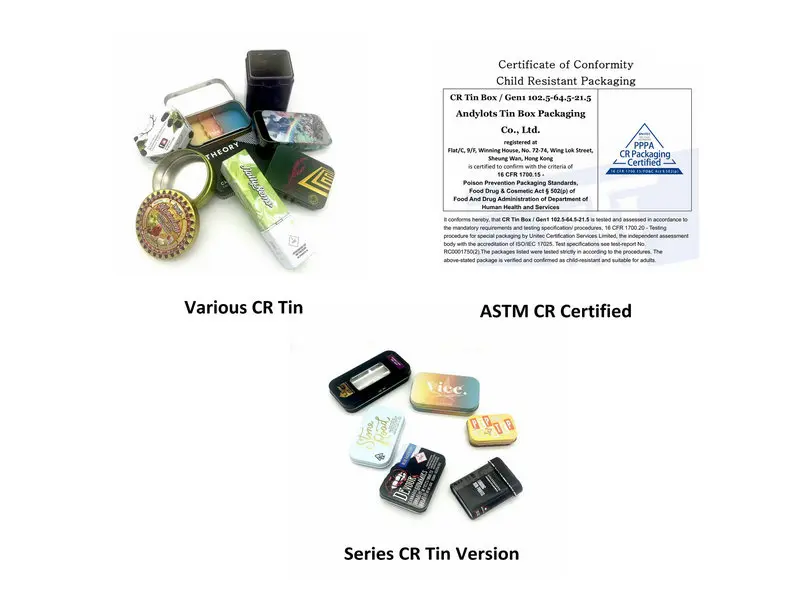
Shipping high-risk items into major markets like North America, the United Kingdom, and the European Union requires strict compliance with localized packaging laws. Our manufacturing practices align with global regulatory frameworks, including U.S. 16 CFR Section 1700.20 ( Poison Prevention Packaging Act standards), ISO 8317 (international reclosable child-resistant packaging requirements), and EN 862 (non-reclosable packaging standards for medicines and chemicals).
In the United States, child-resistant containers must successfully pass panels involving children (aged 42–51 months) and senior adults (aged 50–70 years). The container must resist opening by at least 85% of children during a 10-minute trial, while remaining accessible to at least 90% of senior adults. Our engineering team designs metal locks with hidden dual-action mechanisms, such as press-and-slide or pinch-and-pull configurations, that challenge children's cognitive and motor skills while remaining easy for adults to open.
For brands operating globally, localized support is essential. We provide full compliance documentation, factory-backed test reports, and customs-clearance documentation to prevent import delays. Our design templates are pre-vetted by regulatory agencies, helping our clients launch new products with confidence.
To maintain leadership in child-resistant packaging, our engineering teams focus on three key pillars: material sustainability, smart digital tracking integration, and mechanical optimization.
Transitioning entirely to PCR (post-consumer recycled) steel plates. We are testing thinner-gauge tinplates that reduce total metal consumption by 15% without sacrificing dent resistance or the mechanical strength of child-resistant locks.
Integrating unique QR codes and RFID/NFC chips directly into the lithographed metal surfaces. This supports tamper-evident tracking and authenticates products in markets prone to counterfeiting.
Developing modular tooling sets that allow clients to adjust the height and capacity of certified lock bases without purchasing entirely new molds. This lowers entry costs for startups and boutique brands.
Expert technical answers to common questions about child-resistant tin boxes and regulatory compliance.
ASTM D3475 is the standard classification for child-resistant packages. It classifies containers based on their locking mechanisms. Our tin boxes undergo physical child testing panels to ensure compliance with CPSC standards. This ensures your products can be legally imported and sold in regulated markets.
Tinplate metal is infinitely recyclable and offers superior light, oxygen, and moisture barrier properties compared to plastic. It does not degrade over time, provides a premium tactile experience, and features structural rigidity that prevents damage during transit.
Our standard tooling and prototyping lifecycle takes approximately 30 days. This includes 3D CAD modeling, 3D printed functional mockups, physical mold tooling, and initial factory sample approval before starting mass production.
Yes, we design specialized silicone, neoprene, or food-grade plastic gaskets that fit tightly into the lid profile. This creates an airtight seal that locks in freshness, prevents product degradation, and controls odors.
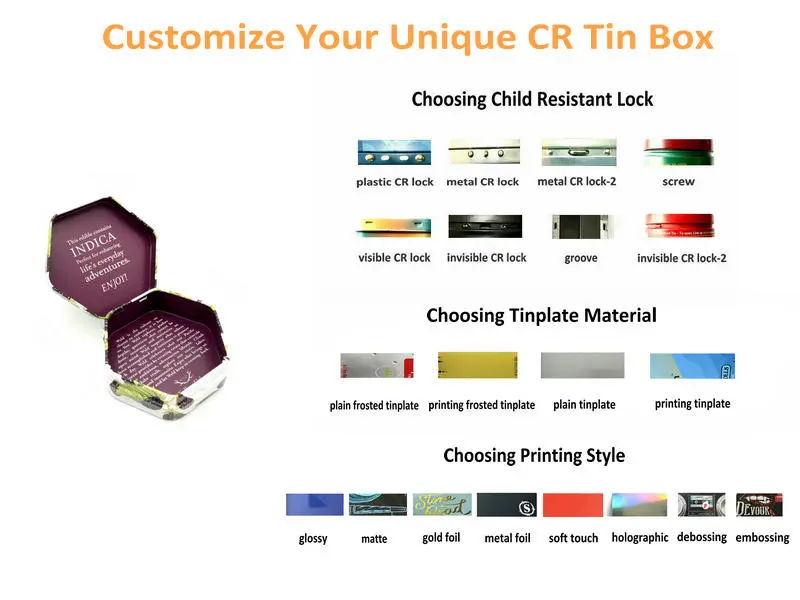
We offer high-definition CMYK offset lithography, spot PMS (Pantone) metallic colors, matte, glossy, and soft-touch varnishes. We also provide dimensional single-level or multi-level embossing and debossing to highlight logo designs.
 CR Tin