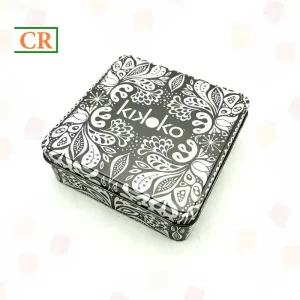
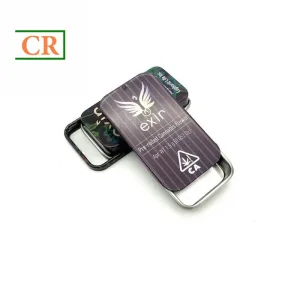
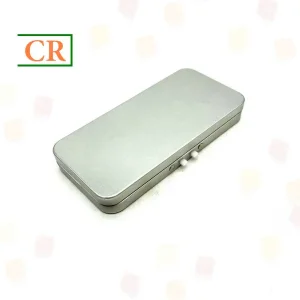
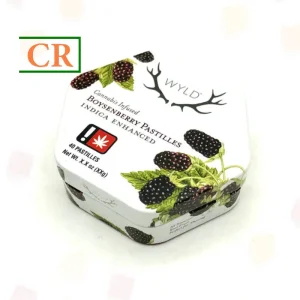
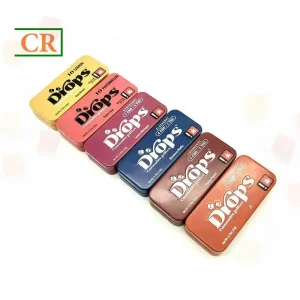
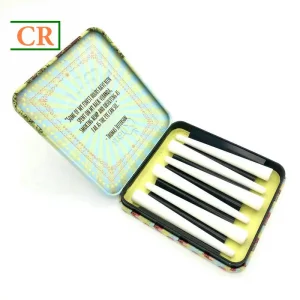
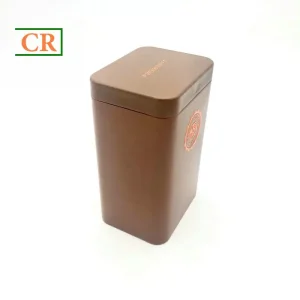
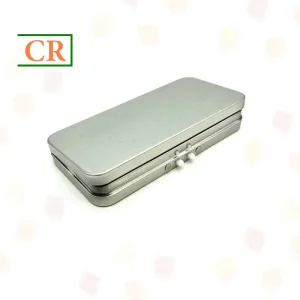
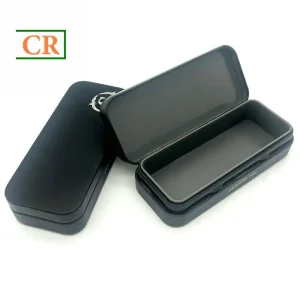
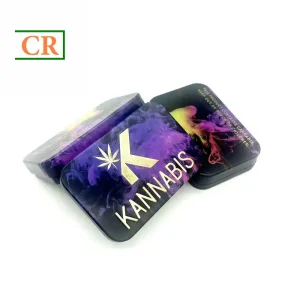
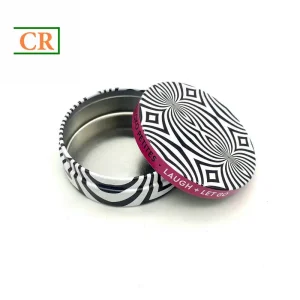
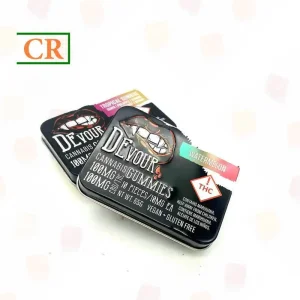
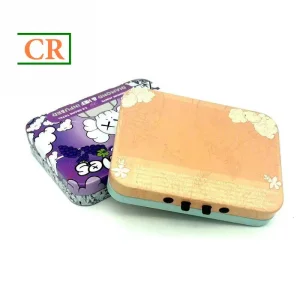
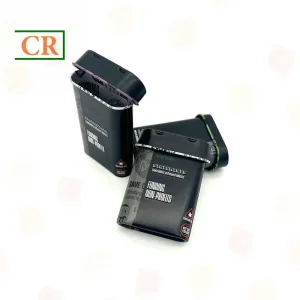
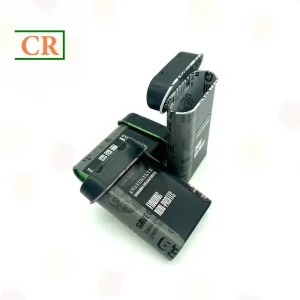
Explore our flagship engineered packaging designed for security, shelf presence, and regulatory compliance.
In the contemporary retail and commercial landscape, packaging is no longer merely a protective vessel. It functions as a critical nexus of branding, consumer experience, structural engineering, and regulatory compliance. Among diverse structural configurations, hexagonal tin packaging has emerged as a premium solution for enterprises seeking to differentiate their products while ensuring high safety performance. This whitepaper analyzes the industrial relevance of OEM Hexagon Tin Packaging, examining its integration into global procurement matrices, compliance systems, and sustainable manufacturing processes.
Hexagonal geometry offers inherent physical and aesthetic advantages. In structural engineering, the hexagon is one of the most efficient shapes in nature, maximizing interior volume while maintaining structural integrity. For global brands, selecting an OEM Hexagon Tin means utilizing a shape that distributes physical stress evenly across six distinct facets, minimizing the risk of denting during transport. From a merchandising perspective, hexagonal tins tessellate efficiently, minimizing dead space during secondary packaging and maximizing shelf-space density in high-cost retail environments.
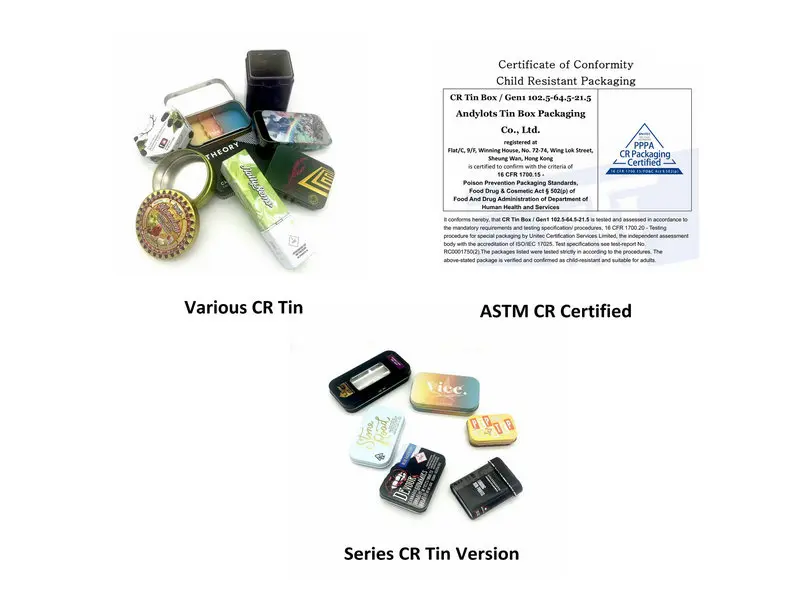
For sectors such as pharmaceuticals, cannabis, and household chemical concentrates, safety and regulatory compliance are critical. Developing certified child-resistant closures (CRC) on metal materials requires precision engineering. Metal, unlike plastics, cannot be easily molded into flexible locking tabs without strict quality control. Advanced CR metal tins utilize a combination of press-and-squeeze, sliding buttons, or dual-locking mechanisms. These engineering processes ensure the container remains child-resistant under standardized ASTM D3475 testing while keeping them accessible for senior consumers.
CR Tin (Andylots Tin Box Packaging Co.,Ltd) is a streamlined, single-source professional supplier of child-resistant tin boxes, integrating child-resistant lock design, mold making and sampling, child-resistant lock testing, and mass production. CR Tin began developing child-resistant lock tin boxes in 2017. After nine years of research, development, and pioneering experience, we have developed over 70 certified child-resistant lock tin boxes, covering all major tin box packaging styles in the industry, and have established our own unique child-resistant lock tin box system.
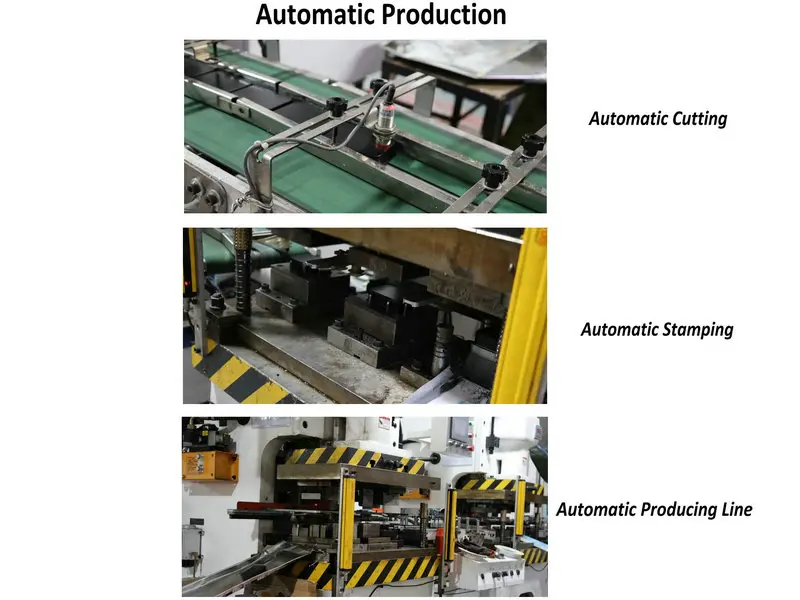
Our capabilities enable us to assist global brands in transitioning from preliminary concepts to fully certified, shelf-ready custom packaging. By combining high-speed automated production with specialized safety engineering, we balance regulatory safety compliance with commercial cost efficiency.
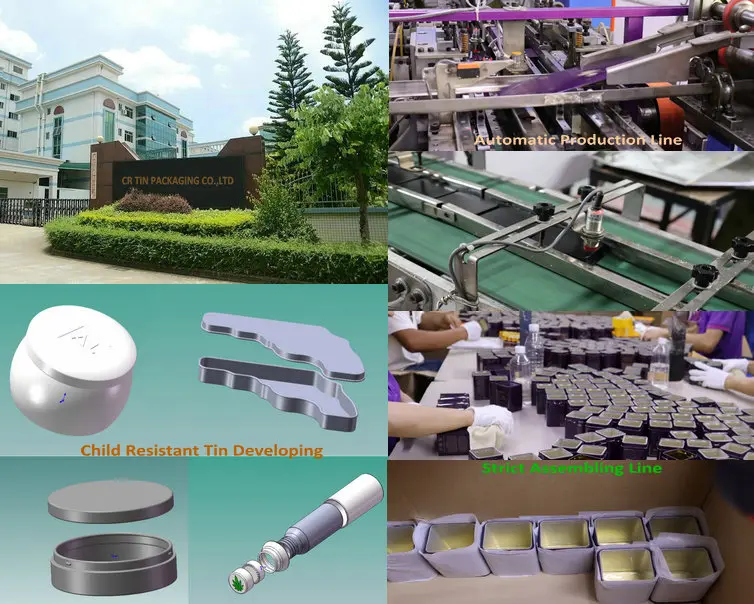
CR Tin functions as a specialized child-resistant metal packaging supplier, developing and producing certified child-resistant metal packaging tailored for the North American and European markets.
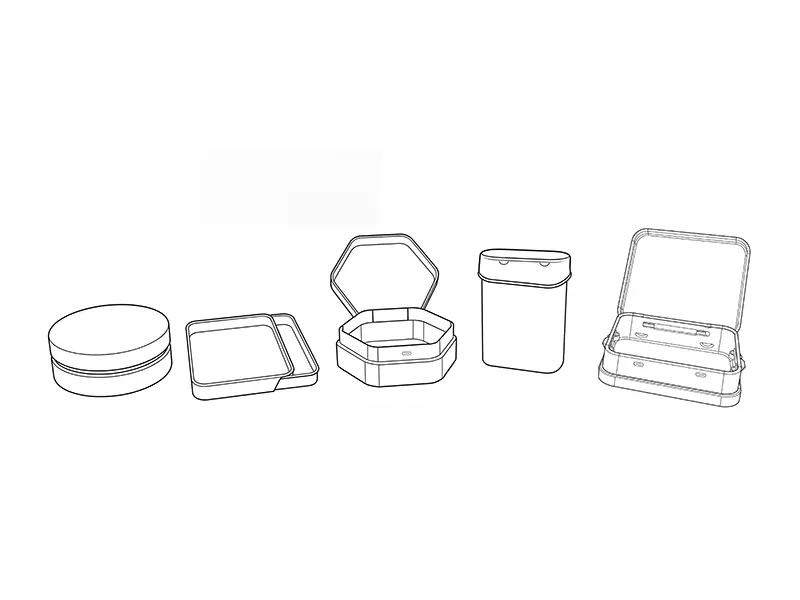
We provide over 12 distinct certified child-resistant tin structures, allowing brands to choose functional and structural fits for their specific market demands.
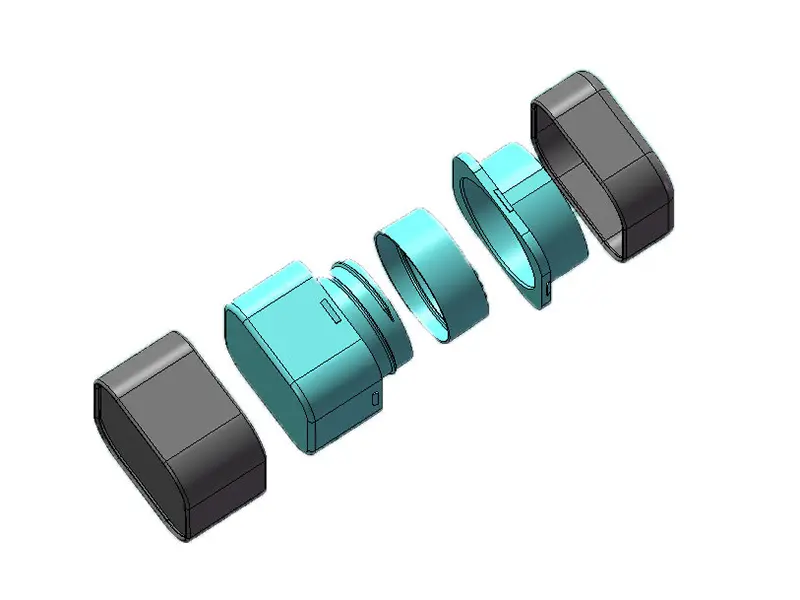
Our engineering division provides custom CR tin design and creative services, generating 3D renderings and 3D-printed physical samples for layout testing.
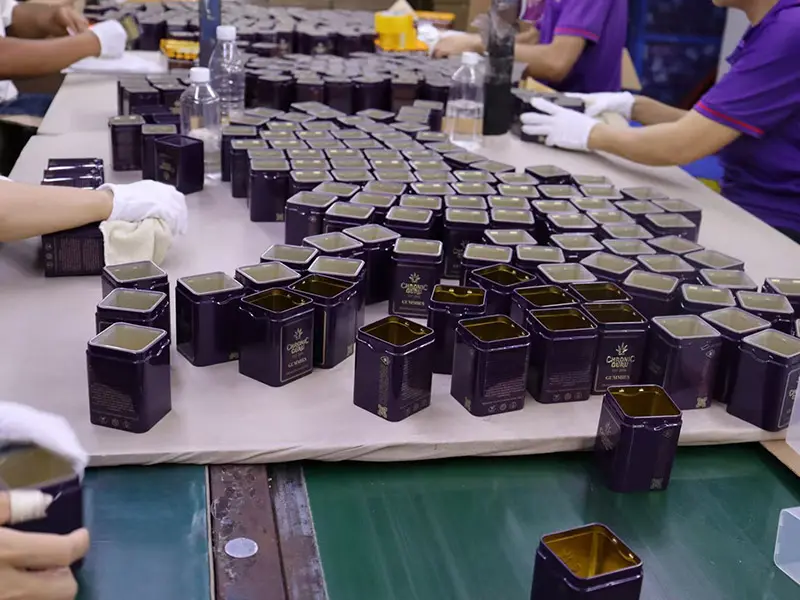
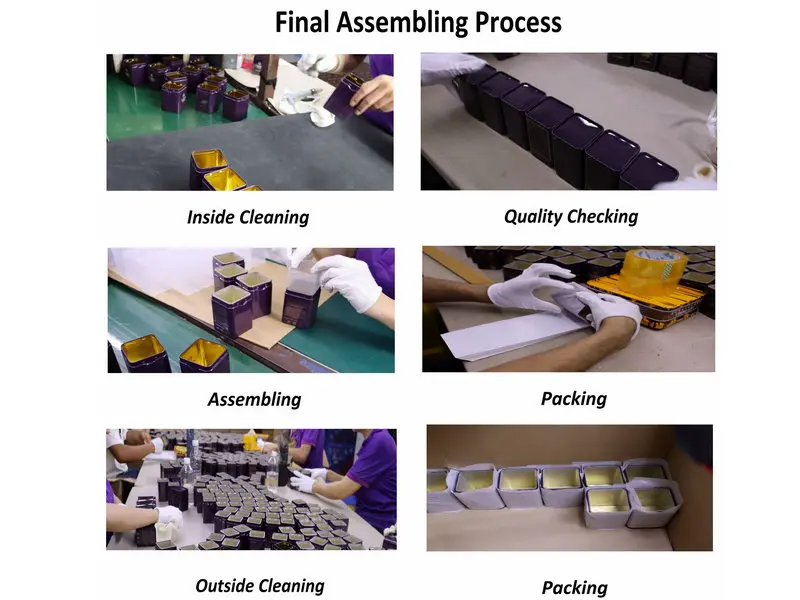
Automated assembly lines combined with inspection teams manage volume capacity while maintaining tolerances across large production runs.
Decades of collective industry experience support our team’s understanding of tin structure mechanics, child-resistant locks, and consistent quality standards. Whether you are launching a new product line or looking to optimize an existing supply chain, we assist you in evaluating and integrating functional tin options. From airtight CR designs and highly recyclable metal materials to premium structural tins, our team works to match your brand requirements.
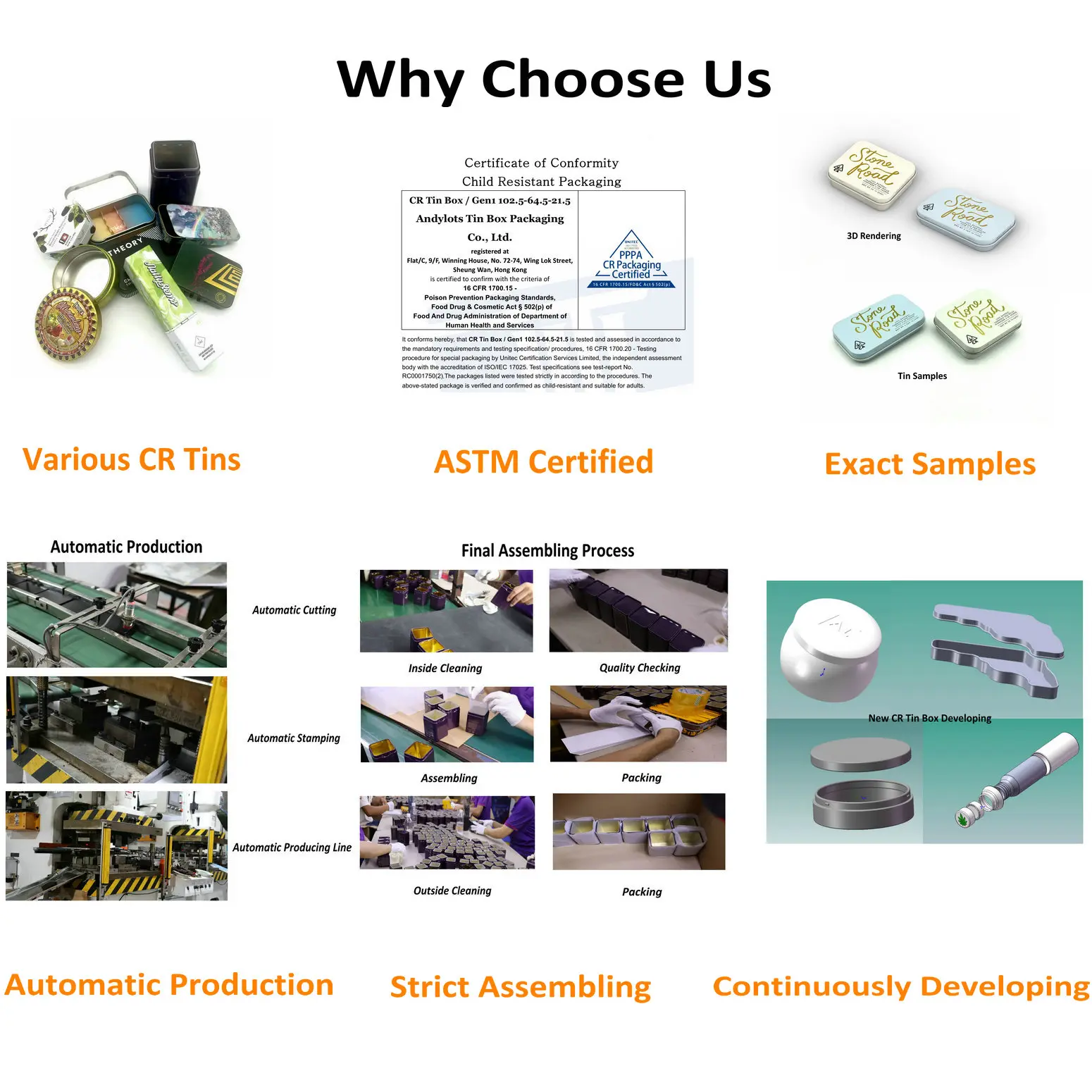
Operational efficiency, cost management, and quality control are essential to our manufacturing process.
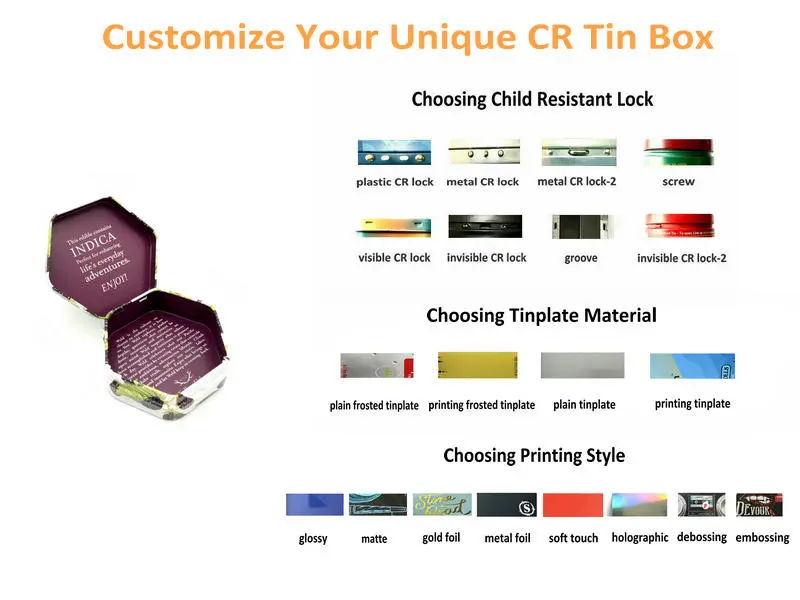
Regulatory pressures, consumer sentiment, and corporate ESG mandates are driving brands to transition away from single-use plastics. Tinplate—a low-carbon steel sheet coated with a micro-layer of tin—stands out as a highly recyclable packaging material. Unlike plastics, which degrade in quality during recycling, metal retains its structural properties indefinitely. By selecting an OEM Hexagon Tin Packaging solution, companies can improve their environmental profile and communicate a clear sustainability narrative to end consumers.
Bringing a custom child-resistant metal container to market involves a sequence of design, prototyping, and testing phases:
Global brands must operate within localized legal frameworks. In the United States, child-resistant compliance is overseen by the Consumer Product Safety Commission (CPSC) and governed by the Poison Prevention Packaging Act (PPPA). Tins containing regulated items must meet 16 CFR § 1700.20 standards. In Europe, the EN ISO 8317 standard applies. CR Tin addresses these varying requirements by integrating ASTM-certified mechanisms into customizable tin shapes, helping brands reduce legal and regulatory risk during distribution.
Technical guidance for packaging engineers, procurement managers, and quality assurance teams.
Generally, the complete lifecycle spans 30 to 45 days. This includes initial 3D rendering design and physical prototype feedback (10-15 days), mold fabrication and tooling calibration (15-20 days), followed by pilot production runs and final testing validation.
Our designs undergo testing in third-party labs according to ASTM D3475 standards. This protocol tests children aged 42-51 months to ensure the package is difficult to open, while testing adults (50-70 years) to ensure they can operate it without tools.
We print using food-safe, high-resolution offset lithography. All exterior inks and interior protective varnishes are FDA-approved, BPA-free, and comply with REACH and RoHS standards, protecting both food products and active compounds.
Yes. For moisture-sensitive items like tea, mints, and herbal formulations, we can integrate custom silicone or food-grade rubber gaskets. These inserts create an airtight seal that limits moisture transfer and preserves product freshness over time.
Our standard production runs typically start at 10,000 units per style. This volume helps offset setup costs for raw tinplate printing, stamping line configurations, and precision mold calibration, providing a better cost-per-unit ratio for buyers.
Browse our complete catalog of certified child-resistant, hinged, and airtight tin packaging solutions designed for global export.
 CR Tin