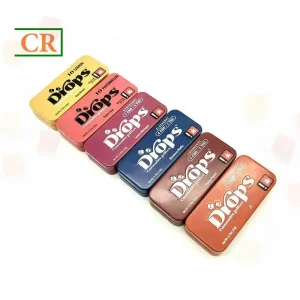
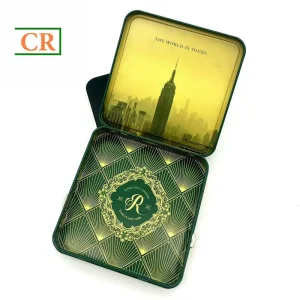
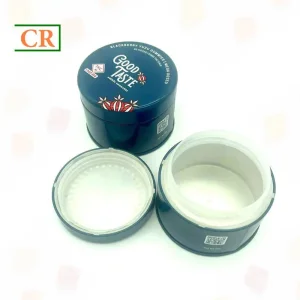
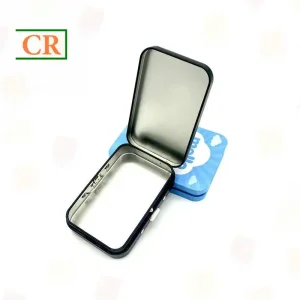
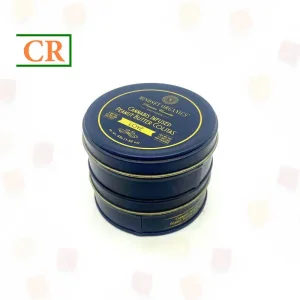
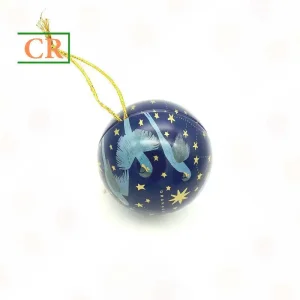
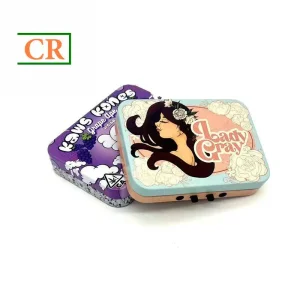
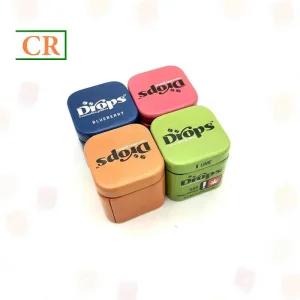
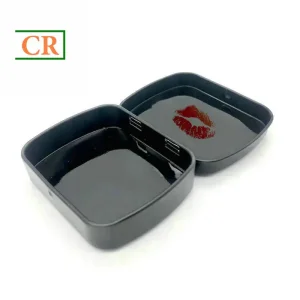
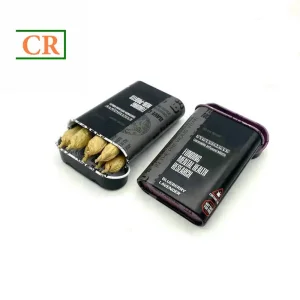
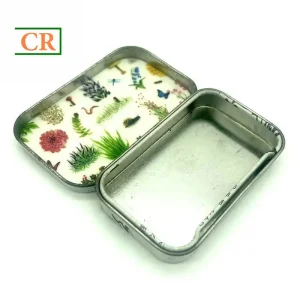
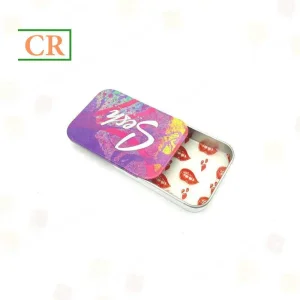
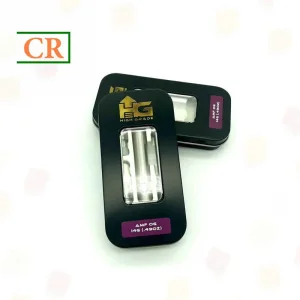
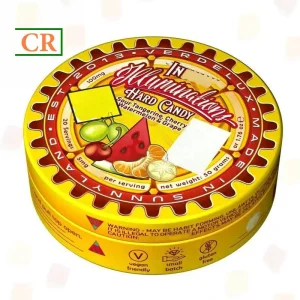
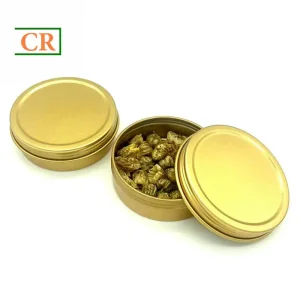
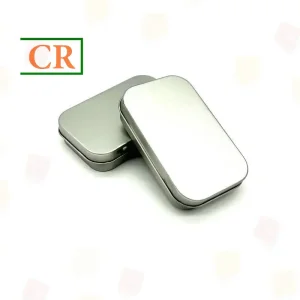
Under tight global regulations and intensifying brand wars, the packaging of pre-rolls has evolved from soft paper wraps and brittle plastic containers to sophisticated, premium, and compliant child-resistant metal tin boxes.
As a leading OEM Pre-Rolls Tin Container Manufacturer, we understand that modern packaging is not merely a container; it is a critical nexus of preservation, regulatory safety, and brand differentiation. Today’s consumers demand tactile luxury, while regulatory frameworks like the US Consumer Product Safety Commission (CPSC) dictate rigorous child safety standards. Metal tin structures provide the optimal balance of these factors, keeping internal contents fresh, dry, and secure from children, while displaying vibrant, high-fidelity branding on dispensary shelves.
By leveraging certified child-resistant lock systems, our tinplate solutions offer unbeatable light barriers, physical rigidity to prevent pre-rolls from breaking, and airtight options to trap volatile organic compounds and active terpenes. This white paper breaks down the industrial dynamics, engineering standards, and supply-chain efficiency rules that govern this fast-growing global sector.
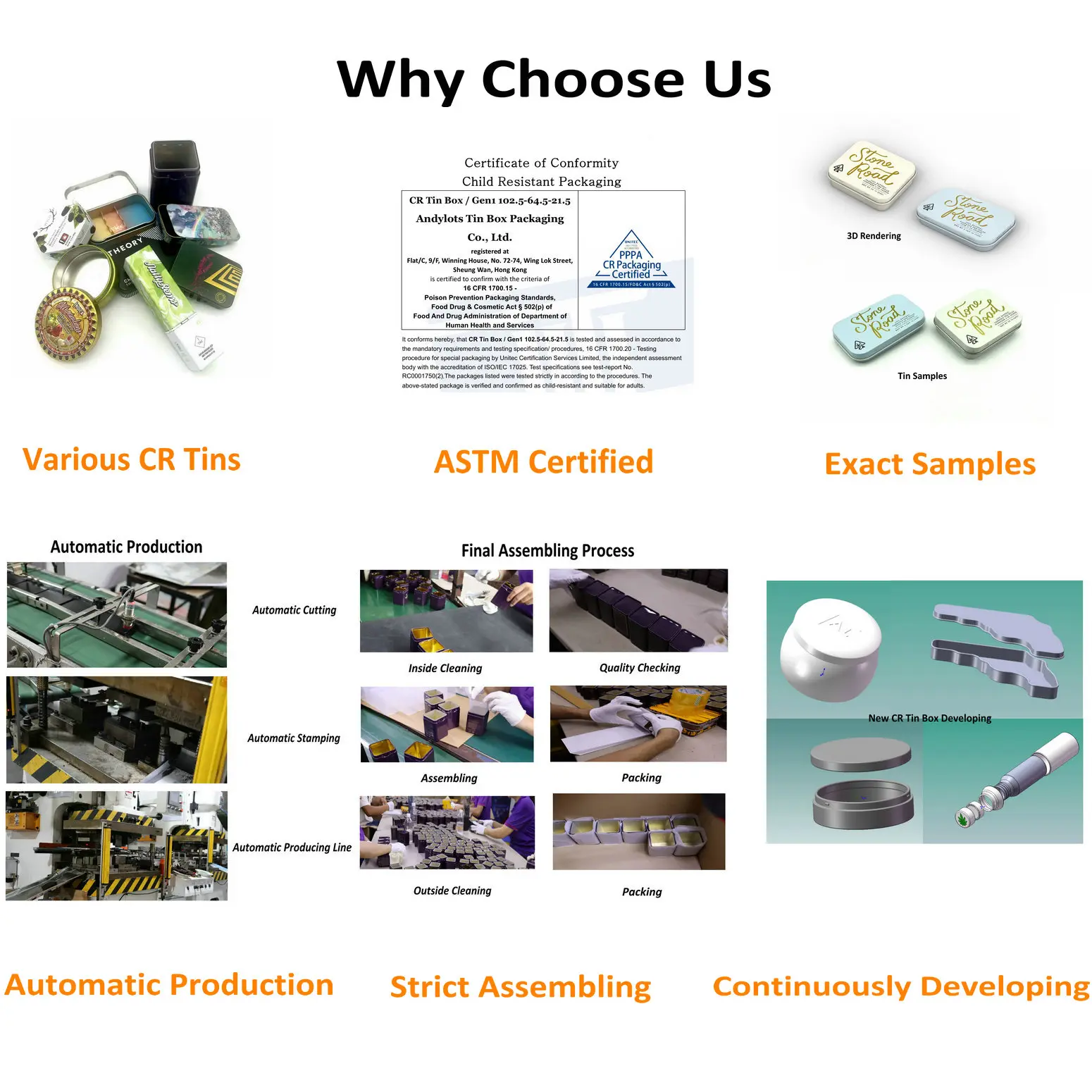
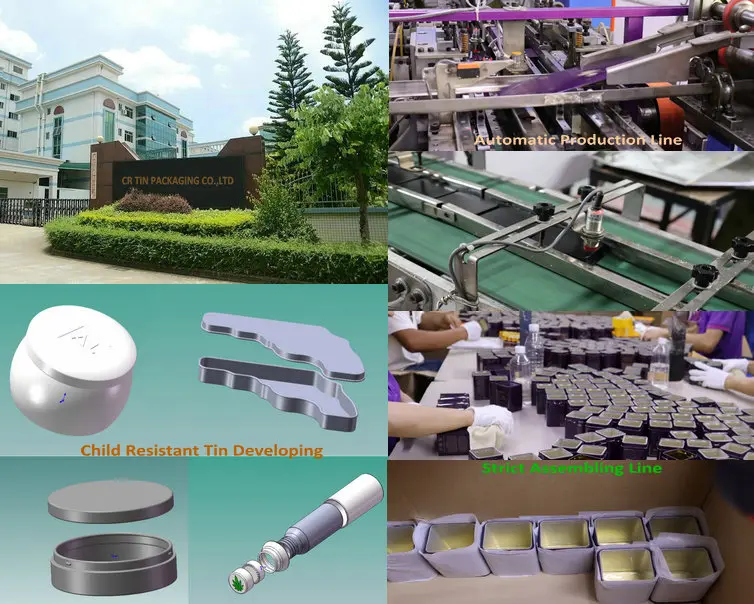
CR Tin (Andylots Tin Box Packaging Co.,Ltd) is a streamlined, single-source professional supplier of child resistant tin boxes, integrating child resistant lock design, mold making and sampling, child resistant lock testing, and mass production.
CR Tin began developing child resistant lock tin boxes in 2017. After nine years of research and development and pioneering experience, we have over 70 certified child resistant lock tin boxes, covering all tin box packaging styles in the industry, and have established our own unique child resistant lock tin box system.
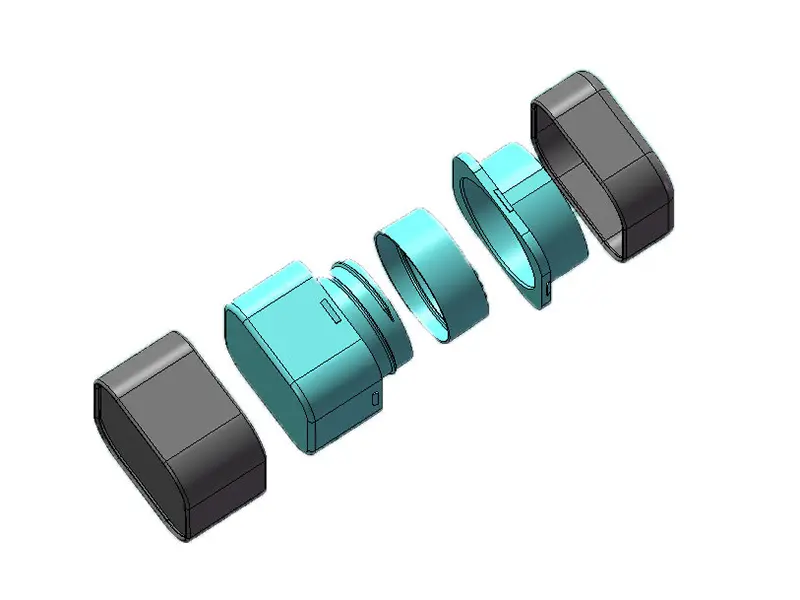
Our operation is built to support brands navigating the transition from generic packaging to highly customized, certified metal configurations. Whether you need a standard Gen1 push-button lock or a highly sophisticated Gen2 airtight tin box, our team ensures your compliance requirements are met swiftly without sacrificing visual flair.
Discover why premier cannabis, mint, and pharmaceutical brands worldwide are moving away from single-use plastics toward food-grade tinplate options.
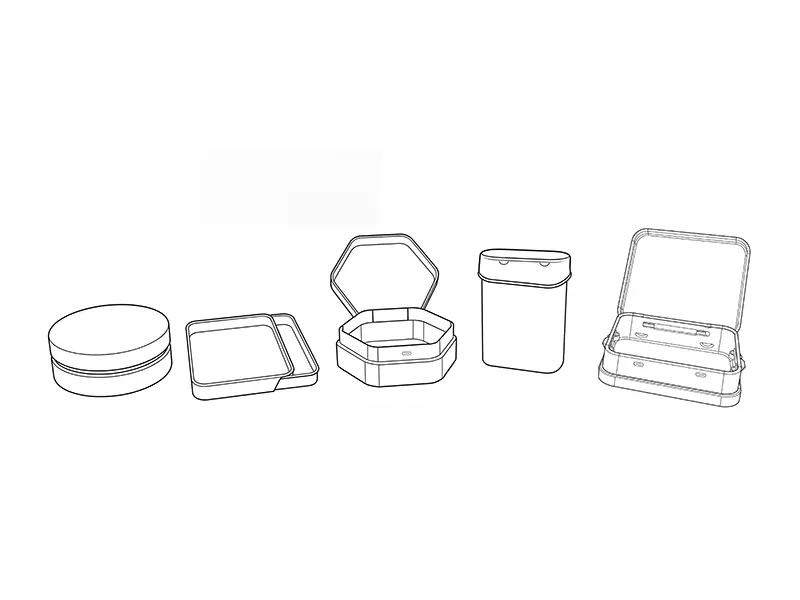
We provide more than 12 different CR tin structures as your option, offering custom sizes for mini, slim, pre-rolled joints, and large multi-pack configurations. Having tested patents already registered means brands can directly access the market without high barrier testing fees.
Free unique CR tin design & creative service. We provide 3D rendering and 3D plastic samples to evaluate ergonomics and structural safety before cutting expensive tooling molds. This dramatically shortens new product introduction cycles.
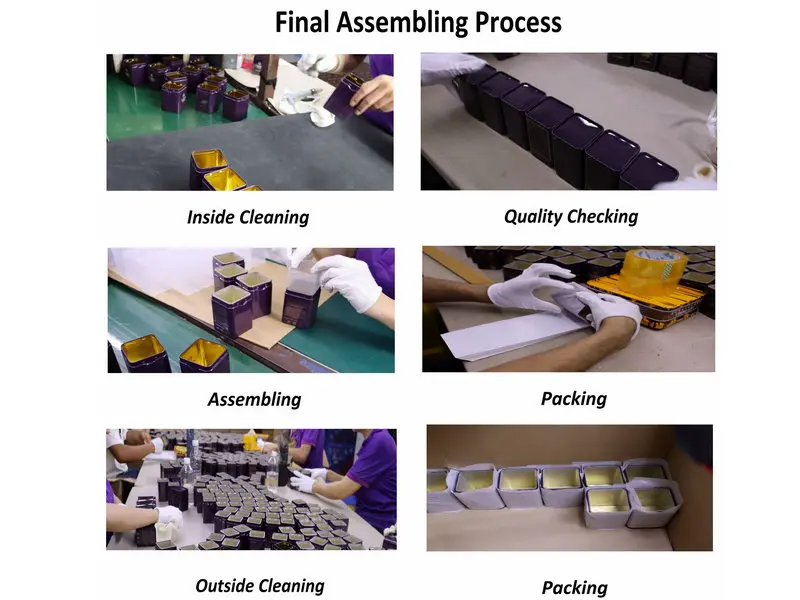
Advanced automation and expert teams producing high-volume, high-quality tins. Our QC inspectors review incoming tinplate thickness, print registration, locking mechanism smooth operation, and structural alignment, providing thorough safety reports.
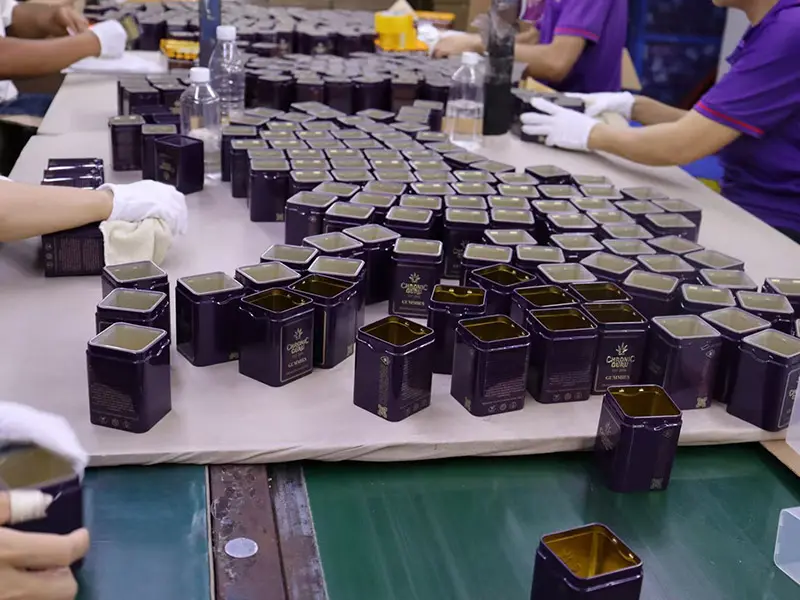
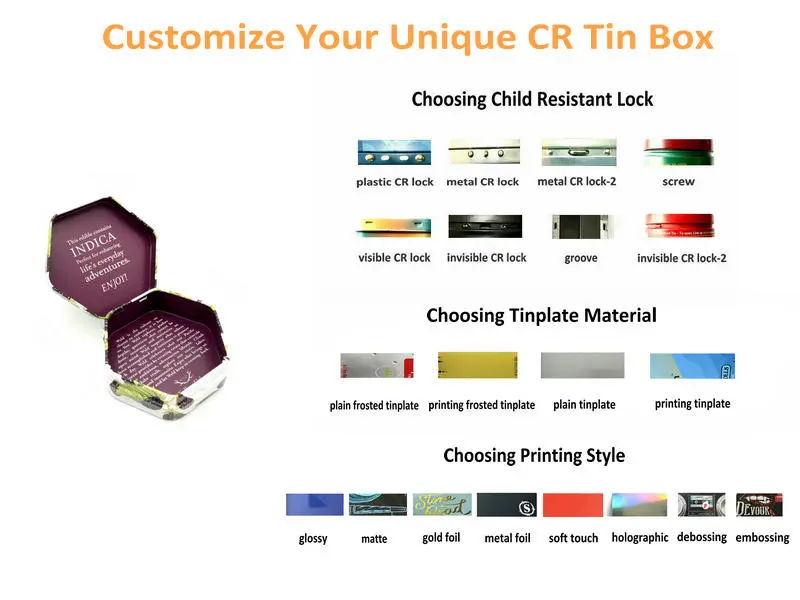
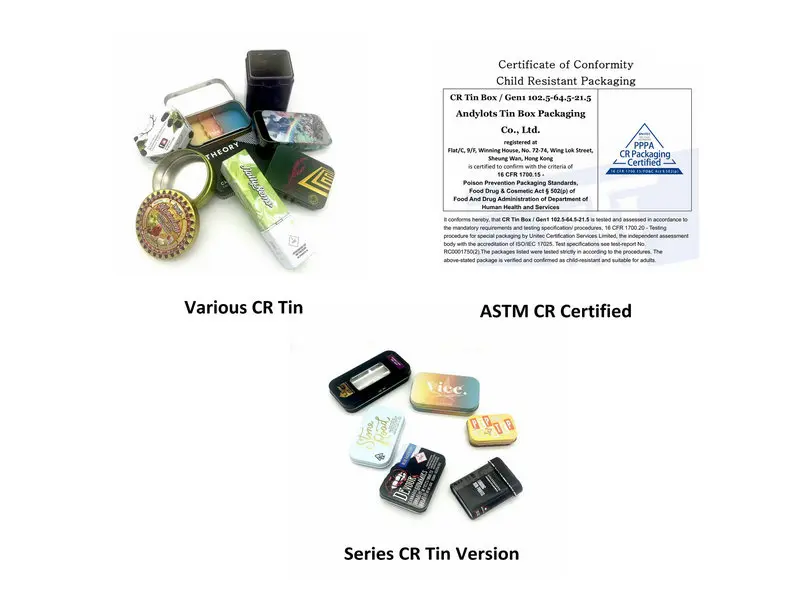
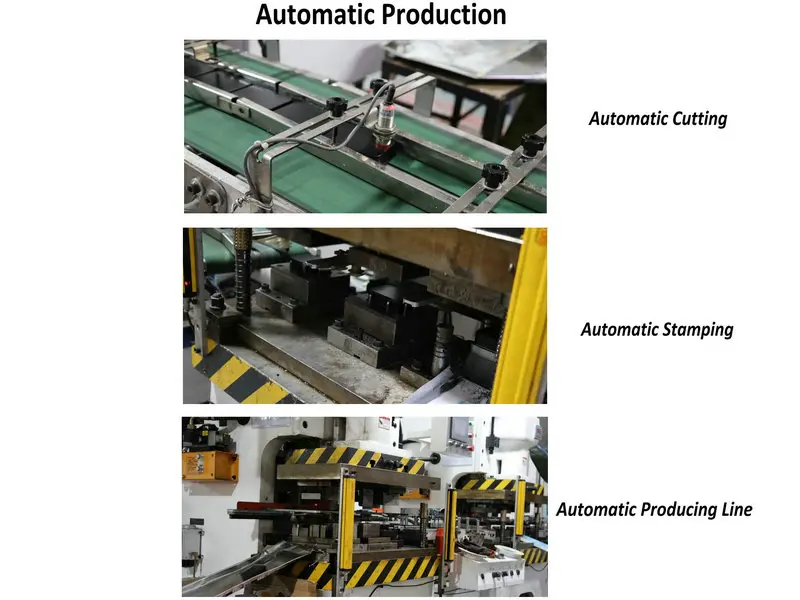
Global markets require speed, precision, and regulatory strictness. Partnering with a China-based OEM specialist like Andylots Tin Box Packaging Co.,Ltd provides critical logistical and financial benefits. The concentrated supply chain for tinplate raw material and the availability of advanced tooling facilities allows for unmatched speed in R&D. We can go from initial sketch to 3D sample in 48 hours, and custom steel mold building in under 20 days.
By automating the metal cutting, pressing, and assembly of complex lock mechanisms, we minimize human-error variances. This is particularly vital for child-resistant tins: a minor sizing difference of 0.2mm could result in the push-button mechanism jamming or becoming too loose, causing failure in ASTM child safety tests. Through continuous investment in robotic systems, we achieve uniformity at scale.
In regions such as North America and Europe, the cannabis and mint markets are governed by rigid testing protocols. To pass child-resistance certification, containers undergo CPSC testing (16 CFR Part 1700.20), where children under 5 years old attempt to open the packages, followed by senior adults verifying the packaging is easy to open. Our designs, including our Gen1 and Gen2 boxes, are pre-certified, offering a faster route to market.
Furthermore, sustainability has become non-negotiable. Metal is infinitely recyclable, making it an excellent alternative to single-use plastics that face bans or environmental taxation globally. Brands that adopt tin packaging communicate their environmental responsibility directly to consumers.
How custom metal boxes are utilized to address market conditions across different regional landscapes.
In highly regulated dispensaries, product visibility and shelf appeal are vital. Embossed, multi-colored pre-roll tin containers provide excellent branding real estate. By utilizing ASTM-certified containers, brands comply with strict state and provincial child-resistant laws, protecting children and staying out of regulatory trouble.
The European market values clean, minimalist aesthetics combined with strict ecological sustainability. Our tins are constructed with food-grade lacquer coatings and BPA-free plastics, assuring consumers of product purity and high-grade safety standards. They are often reused as elegant, long-term personal pocket cases.
For confectionary brands, luxury feel and freshness are paramount. Airtight child-resistant tins keep moisture out, protecting dry goods, mints, and herbal medicines from degradation. The premium metallic feel increases the perceived value, helping items stand out in retail environments.
Procurement officers and product managers need reliable metrics to evaluate child-resistant metal packaging partners.
Always verify the raw tinplate used is food-safe. Ask for SGS testing documents, FDA-compliant internal coatings, and ASTM D3475 test certificates for child resistance. A premium supplier will readily provide copies of these reports.
A supplier relying on manual stamping cannot guarantee consistent locking mechanisms or high volume production. Our 8+ automated lines ensure uniform quality, fast production schedules, and competitive unit costs.
Look for comprehensive design support. A strong partner should offer 3D renderings and 3D plastic prototypes, saving time and resources before physical steel molds are created.
 CR Tin