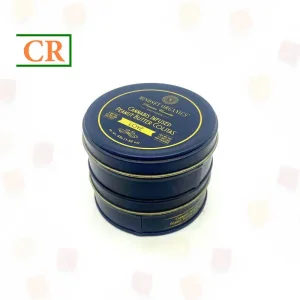
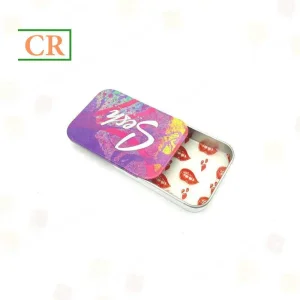
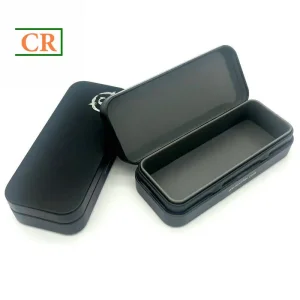
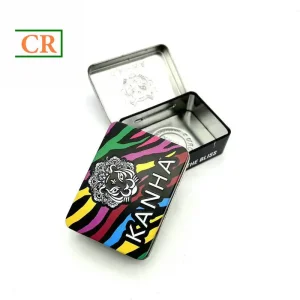
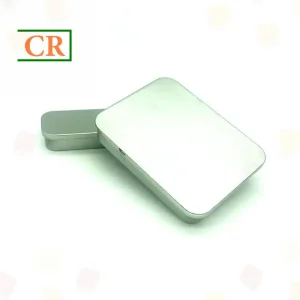
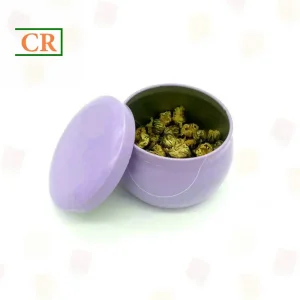
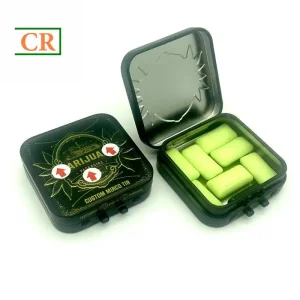
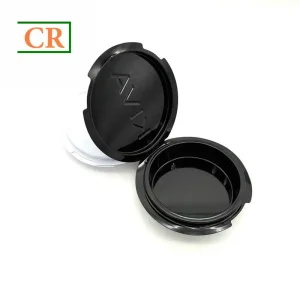
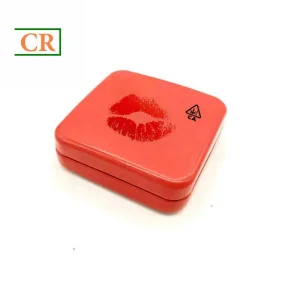
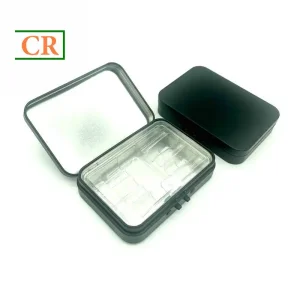
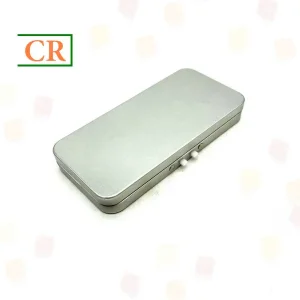
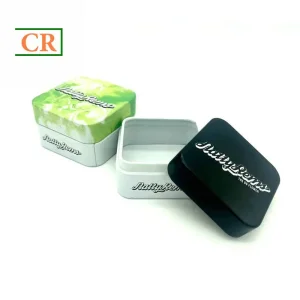
Explore our leading range of engineered, ASTM-compliant, and airtight metal containers designed for pharmaceuticals, cannabis, and high-value confectionery.
CR Tin (Andylots Tin Box Packaging Co., Ltd) operates as a streamlined, single-source professional developer and supplier of high-end child-resistant tin boxes. Our integrated operation spans across initial child-resistant mechanical lock design, precise mold fabrication, customized prototyping, regulatory ASTM/CPSC lock verification, and scalable high-speed mass production.
We began our R&D roadmap for child-resistant metal locks in 2017. Following nine years of deep technical pioneering, structural evolution, and market validation, we have successfully developed over 70 certified child-resistant lock tin boxes. These designs accommodate virtually every packaging format utilized across modern consumer markets, consolidating our position as a foundational architect of unique child-resistant metal systems.
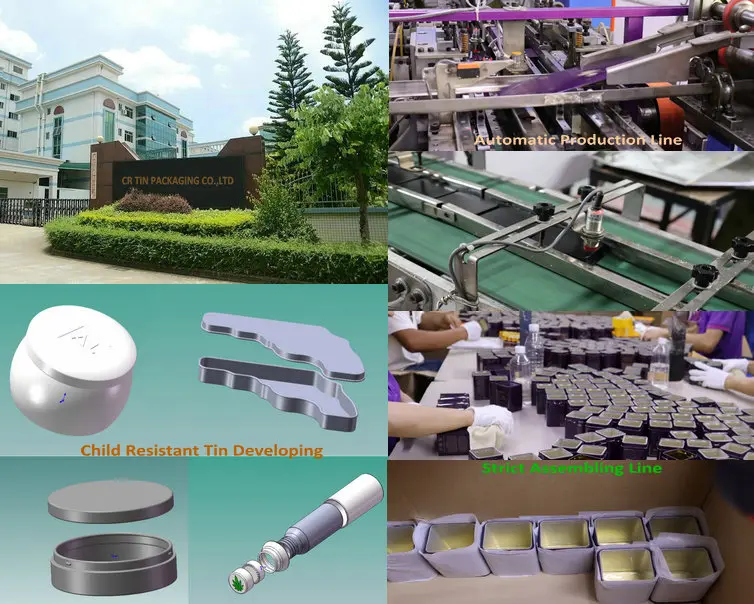
A comprehensive examination of child-resistant mechanisms, material integrity, and compliance paradigms within global industrial metal packaging.
In the modern regulatory and ecological landscape, the demand for high-performance sealed tin cases has experienced unprecedented growth. As global legislative bodies enforce stricter directives regarding single-use plastics, corporate supply chains are shifting toward infinitely recyclable materials. Steel-based packaging (tinplate) stands out as a premier choice due to its superior mechanical barriers, oxygen exclusion capabilities, and structural reliability.
OEM factories and custom packaging manufacturers are no longer merely stampers of metal; they have transformed into precision engineering hubs. The global supply chain now expects packaging suppliers to address two critical requirements simultaneously: airtight sealing (to preserve organic and volatile chemical compounds) and child-resistant compliance (to satisfy consumer safety regulations). From pharmaceutical formulations and controlled substances to high-end food ingredients, the role of a sealed metal box is to protect the integrity of the product while maintaining safety boundaries.
Developing a functional child-resistant lock system on a tinplate substrate requires advanced metallurgical engineering and precise calculation of structural tolerances. Unlike plastics, which are molded with flexible polymer chains, metal possesses high stiffness and limited elasticity. This characteristic demands innovative tooling designs to create reliable mechanisms.
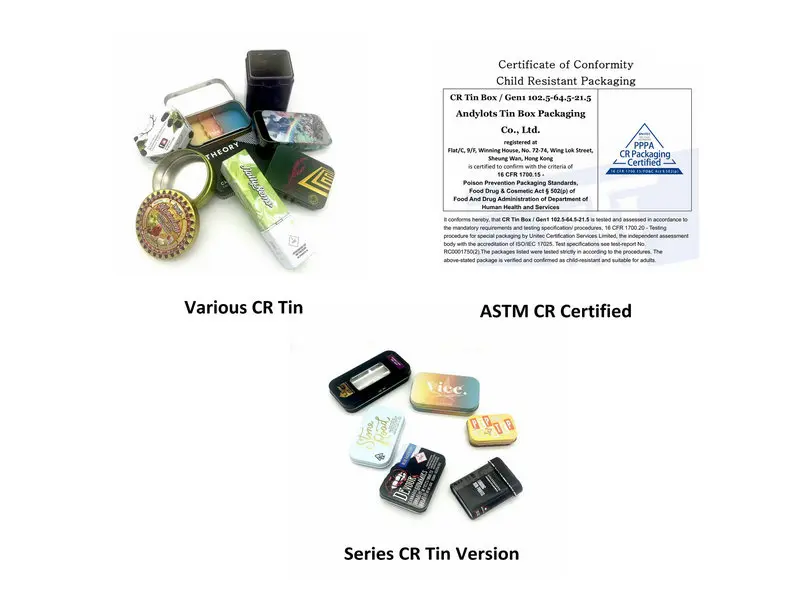
Our engineering division relies on a combination of push-and-turn mechanisms, dual-button releases, and squeeze-and-slide architectures. The fundamental challenge lies in balancing the force requirement: the container must resist the manual dexterity and cognitive efforts of children under 51 months old, yet remain accessible to seniors (tested in accordance with 16 CFR Title 1700.20 protocols). By applying finite element analysis (FEA) to the metal stamping processes, we optimize the locking tabs and spring-back properties of the tinplate. This ensures that the locking mechanism functions reliably over hundreds of cycles without material fatigue.
Different markets present distinct regulatory expectations regarding packaging security. For instance, the United States market is governed strictly by the Consumer Product Safety Commission (CPSC) and the Poison Prevention Packaging Act (PPPA). Tins manufactured for this sector must carry official ASTM D3475 designations. Conversely, the European Union emphasizes compliance with ISO 8317 standards, which utilize different test panels and evaluation parameters.
To assist global brand partners in navigating these requirements, our factories maintain dedicated documentation portfolios. When designing custom molds, we integrate localized warnings directly into the tinplate using embossed instructions or lithographic print. This process ensures that compliance warnings remain permanently visible and cannot peel off like traditional adhesive labels. Furthermore, our supply chain is designed to withstand transit humidity and mechanical shock, utilizing food-grade varnishes and corrosion-resistant coatings appropriate for marine transit.
The next era of metal packaging is defined by smart functionality and enhanced barrier properties. Our research and development roadmap focuses on the following key areas:
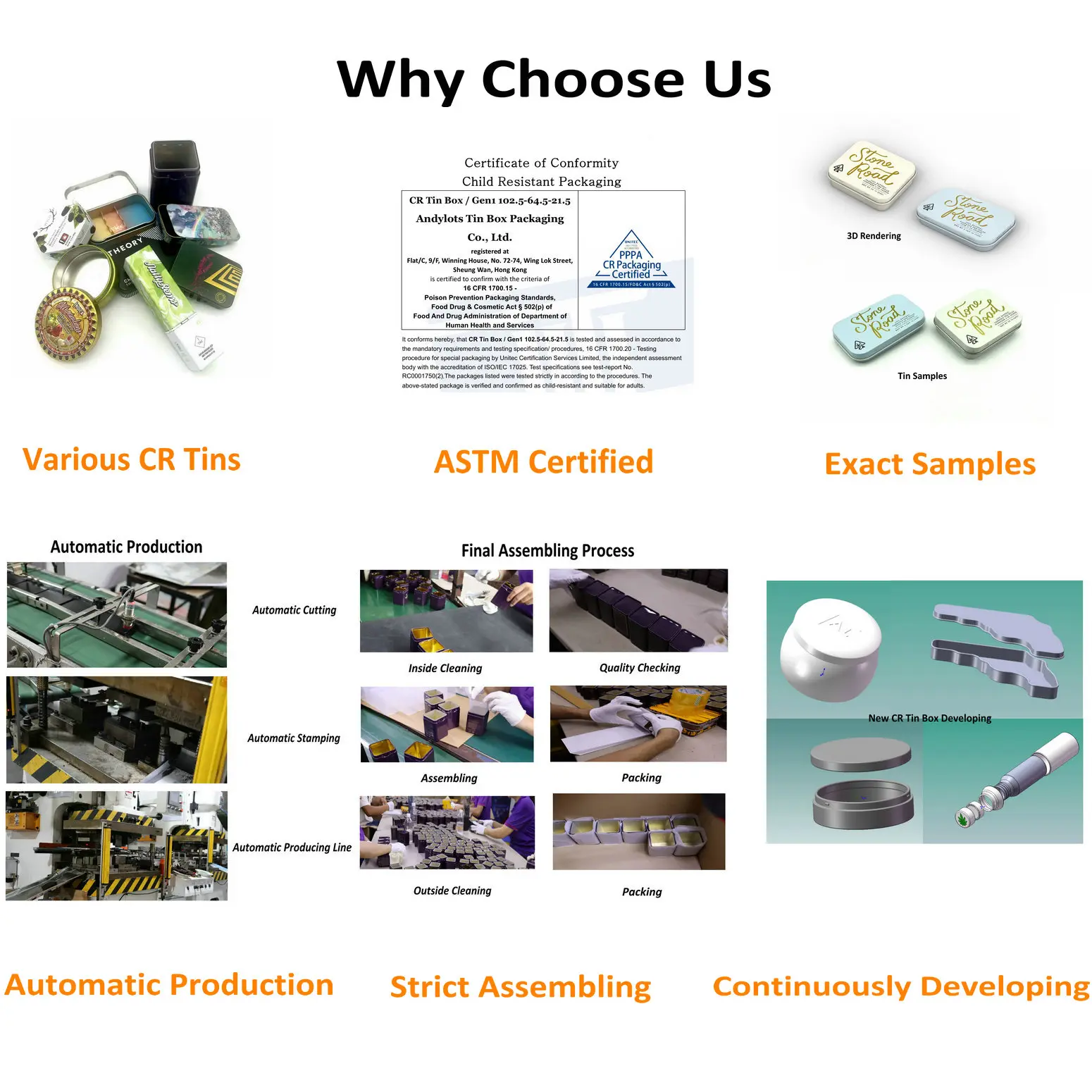
Leveraging deep industrial experience, fully automated manufacturing facilities, and client-focused design capabilities.
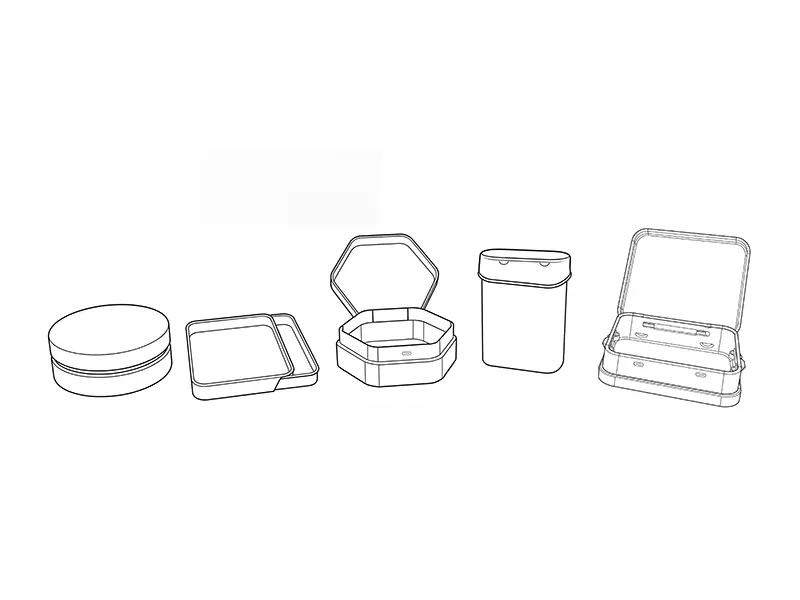
Select from more than 12 distinct, fully certified child-resistant tin structures ready for immediate tool setup and production scaling.
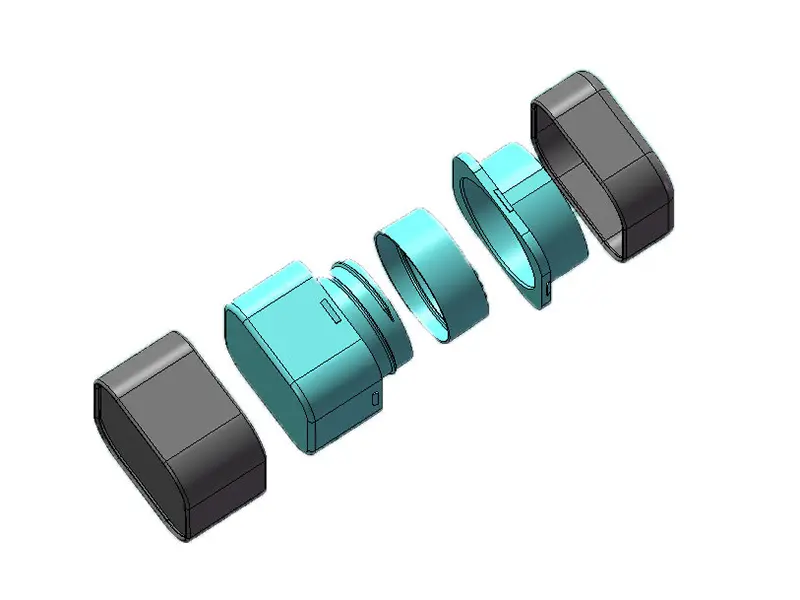
Benefit from our complimentary custom tin engineering and design services, offering precise 3D rendering, plastic mocking, and structural calculations.
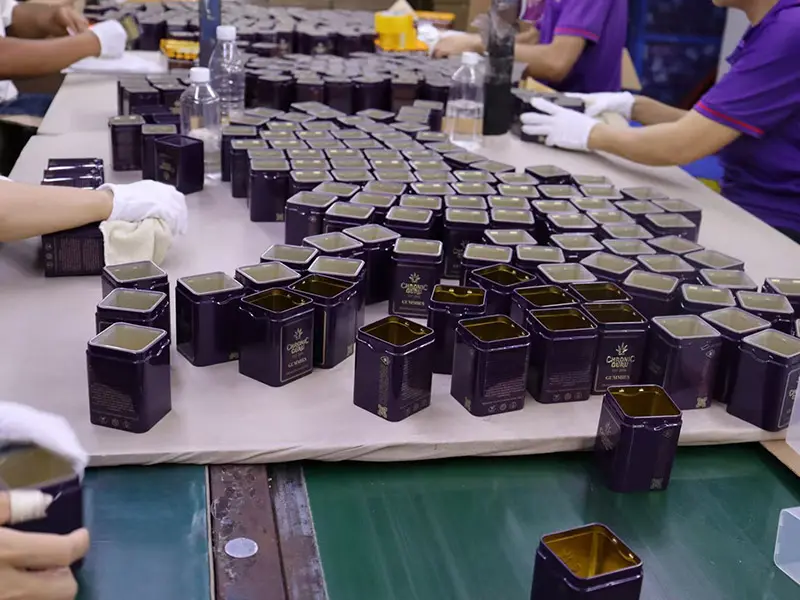
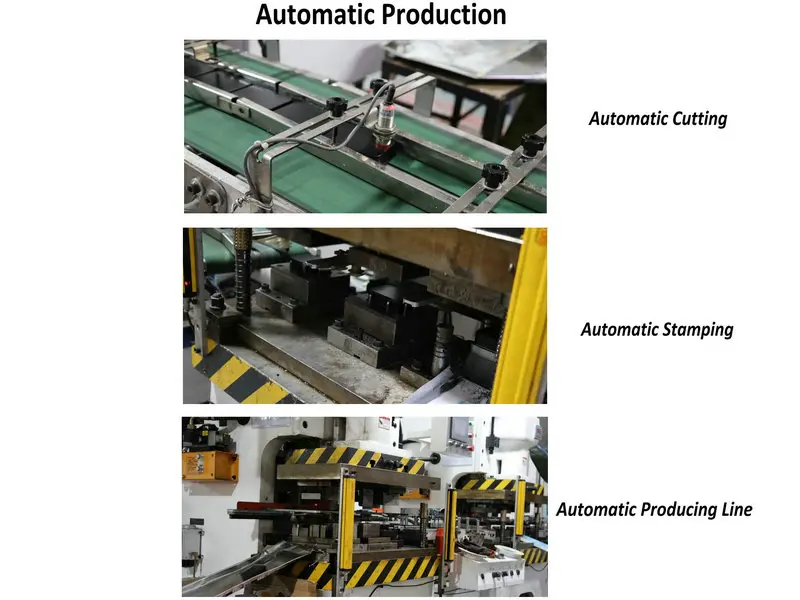
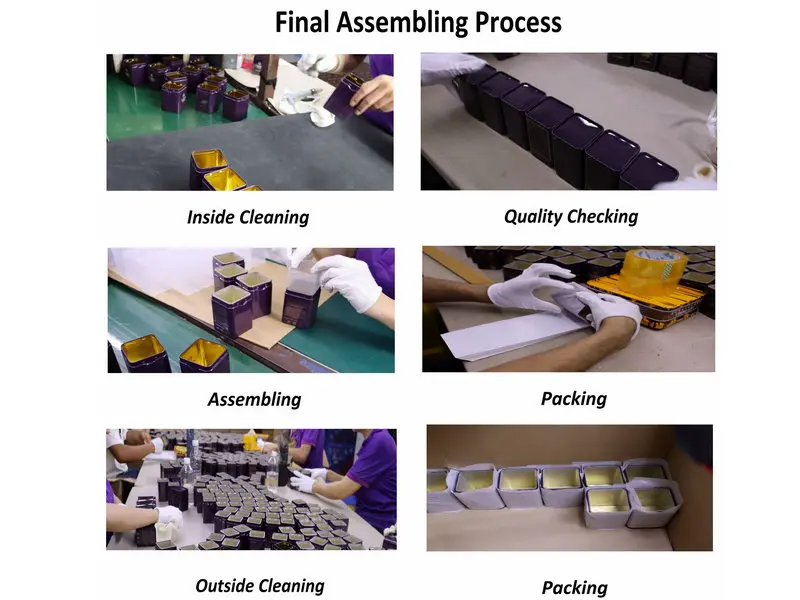
Advanced in-line automation sensors coupled with certified quality control specialists to ensure consistent quality in high-volume production runs.
With over 8 years of pioneering child-resistant tin developing experience, we leverage our collective knowledge to deliver reliable, high-end packaging solutions.
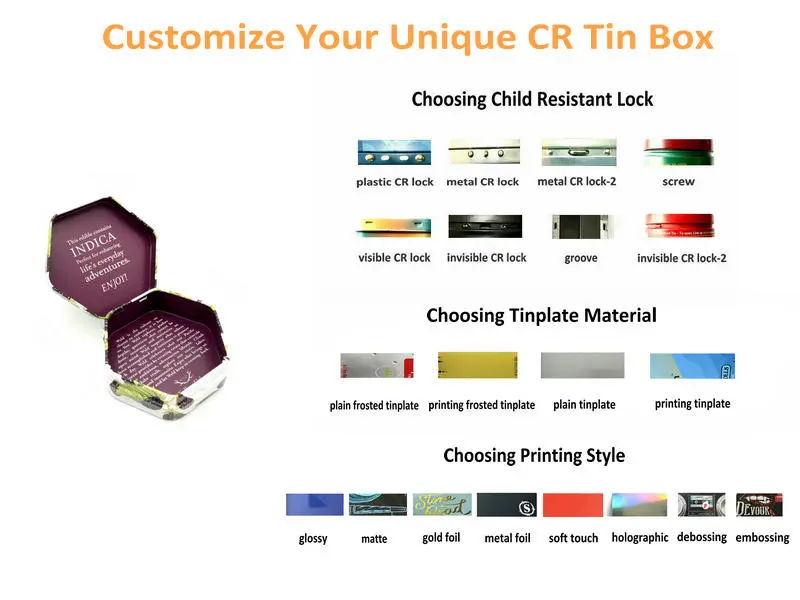
Answering key structural, manufacturing, and compliance questions about child-resistant tin boxes.
Explore our specialized slide tins, button closures, and round metal clamshell models.
 CR Tin