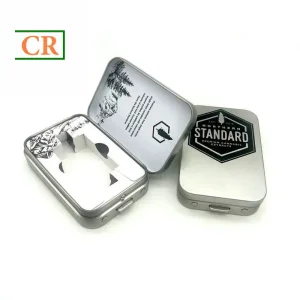
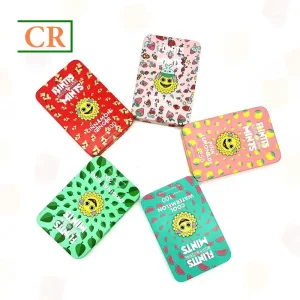
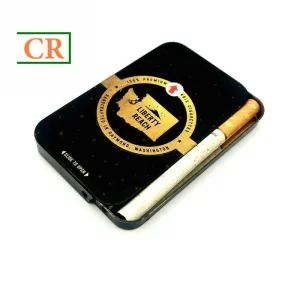
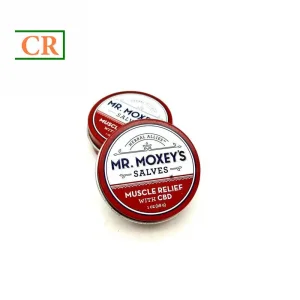
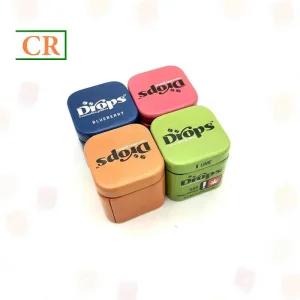
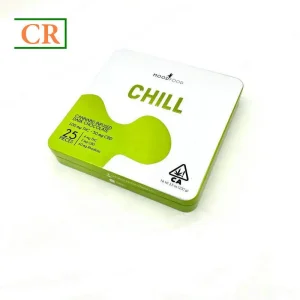
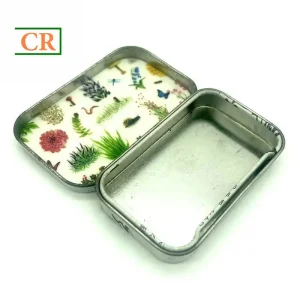
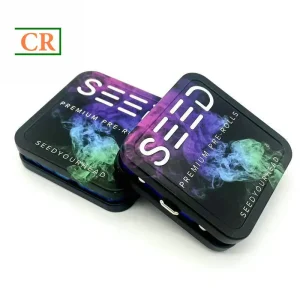
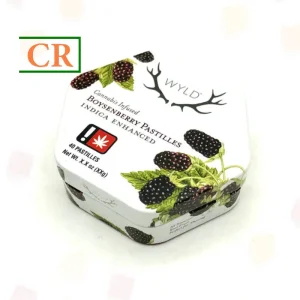
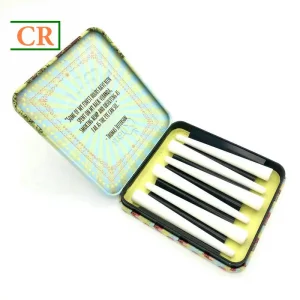
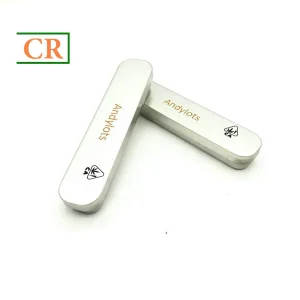
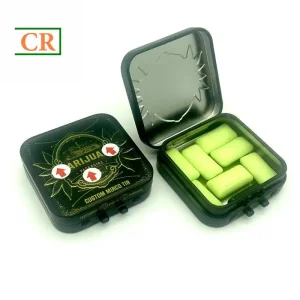
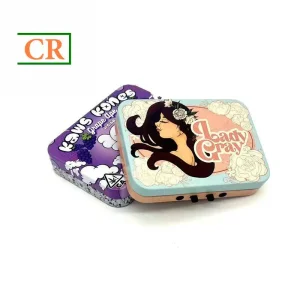
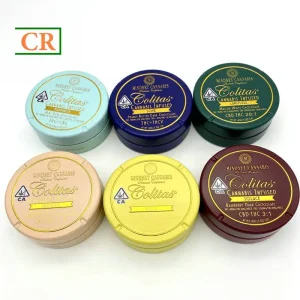
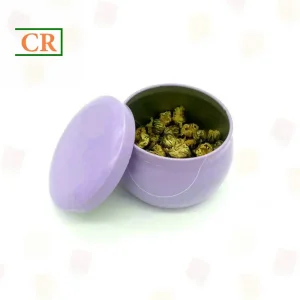
Explore our leading selection of engineered, child-resistant metal packaging. Custom sizes, configurations, and branding options available.
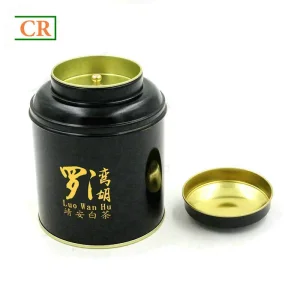
In the global packaging sector, sustainable engineering and consumer safety regulations are reshaping supply chains. The demand for tinplate tablet packaging—particularly Child-Resistant (CR) metal configurations—has accelerated significantly across North America, Europe, and Asia-Pacific. Industry metrics reveal a structural pivot away from single-use plastics towards infinitely recyclable, structurally secure tinplate metal containers.
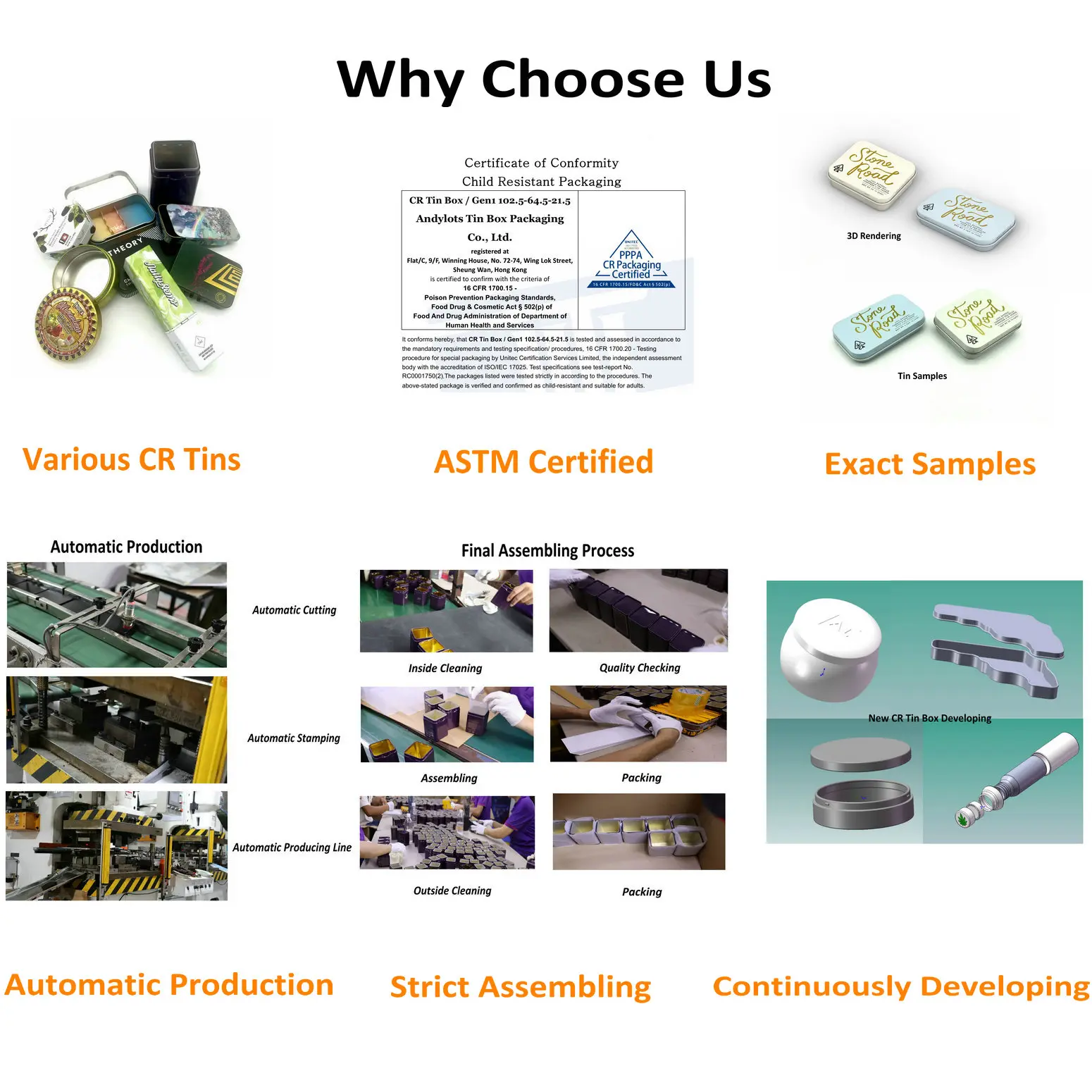
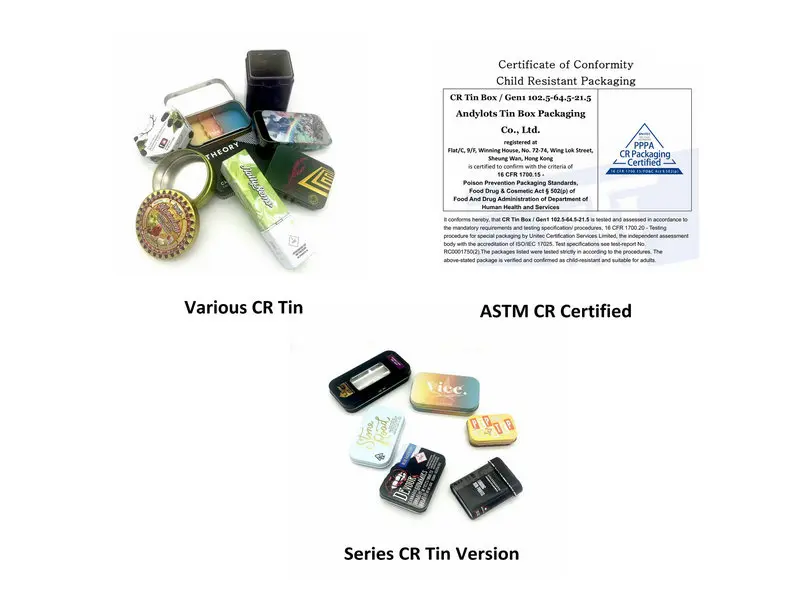
As a premier OEM Tablets Tin Can Manufacturer & Supplier, CR Tin (Andylots Tin Box Packaging Co.,Ltd) bridges the gap between high-precision industrial packaging requirements and commercial design. The implementation of robust locking mechanisms on tin boxes prevents accidental child access while remaining easily usable for senior citizens. This delicate balance of safety and accessibility is compliant with the rigorous standards of ASTM D3475 and CPSC 16 CFR Part 1700.20 testing protocols.
Globally, pharmaceuticals, cannabis-derived edibles, and concentrated nutraceutical mints require container integrity that preserves freshness, prevents oxidation, and secures contents. High-grade tinplate acts as a complete barrier to light, moisture, and gaseous exchange, guaranteeing extended product shelf life under varying climatic conditions.
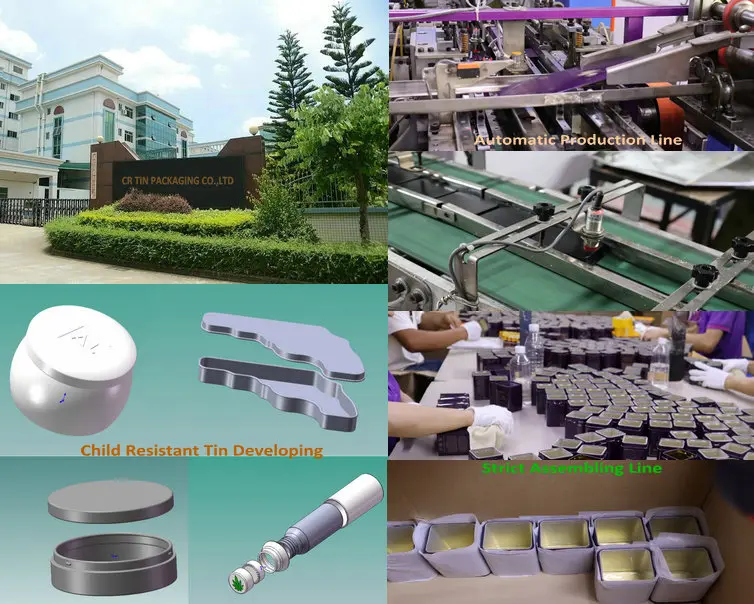
Why global brands select CR Tin as their strategic OEM development partner for child-resistant metal packaging.
Designed for stability, safety, and visual distinction. Explore our manufacturing capabilities in detail.
Analysis of compliance standards, sustainable packaging trends, and manufacturing innovations.
Global initiatives targeting plastic waste reduction have accelerated the regulatory pressure on packaged goods companies. In markets across North America and Western Europe, single-use plastics are increasingly penalized by extended producer responsibility (EPR) taxes. This shifts the focus toward metals, particularly tinplate steel, which boasts high circularity indices.
According to the Association of Plastic Recyclers and the European Metal Packaging association, metal packages are recycled at rates exceeding 75% globally, outperforming multi-layer plastics. Tinplate provides structural permanence, is completely bio-inert, and can be reclaimed via magnetic separation. When branding is applied directly using UV inks or water-based varnishes, the entire container remains fully recyclable without requiring chemical separation, supporting corporate ESG compliance targets.
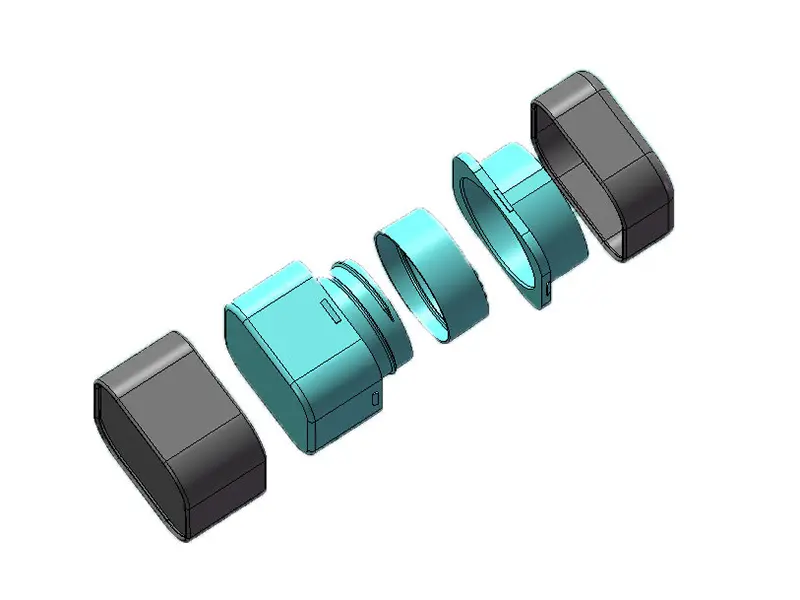
The core innovation of CR Tin lies in the engineering of physical lock mechanisms. A reliable child-proof mechanism must exploit the differences in cognitive and physical development between young children (under 51 months) and adults. Key engineering approaches include:
Each of these mechanisms is stamped with tolerances under 0.05mm. Minor deviations can cause mechanism lockups or failure to meet ASTM standards. High-precision tooling ensures reliability over hundreds of openings.
| Specification Parameter | Standard Range | Application Details |
|---|---|---|
| Material Composition | Electrolytic Tinplate (ETP) | Low carbon steel coated with micro-layers of pure tin for rust prevention. |
| Standard Thickness | 0.20mm – 0.25mm | Balances structural strength with flexibility for stamping. |
| Compliance Standards | ASTM D3475, CPSC 16 CFR 1700.20 | Passes child safety and senior accessibility requirements. |
| Internal Coatings | Food-Grade Epoxy Phenolic / Organosol Lacquer | BPA-free coatings prevent corrosion from acidic or moist contents. |
| Joint Configurations | Airtight Seam / Hinged Welds | Maintains integrity during drop tests and shipping vibration. |
Different markets have distinct regulatory requirements. In North America, the **Consumer Product Safety Commission (CPSC)** enforces packaging standards for pharmaceuticals, cannabis-derived products, and substances containing volatile compounds. Tins must meet standard protocols where panels of children and adults test the opening mechanisms.
In Europe, standard **EN ISO 8317** dictates the parameters for child-resistant packaging. Compliance is essential for medical products and chemical tablets. High-quality tin packaging also provides barriers against light, humidity, and oxygen, preserving active ingredients in pharmaceutical formulations.
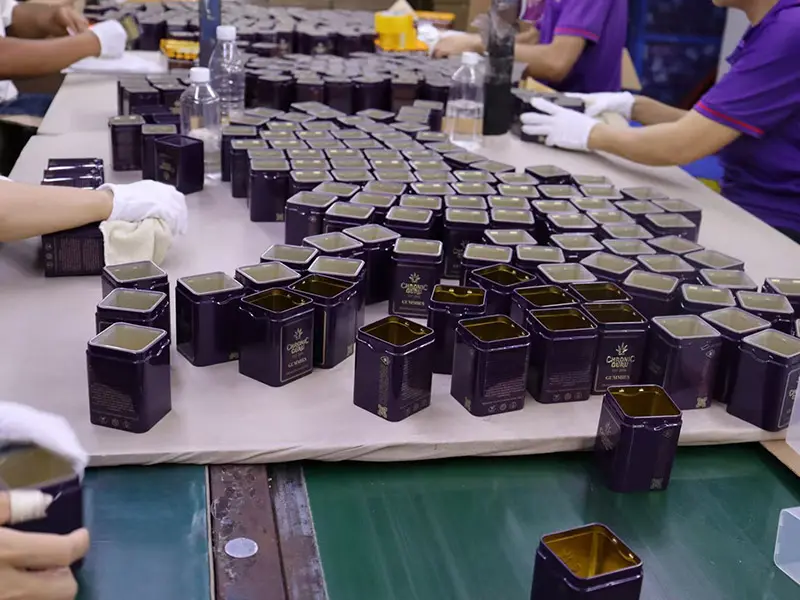
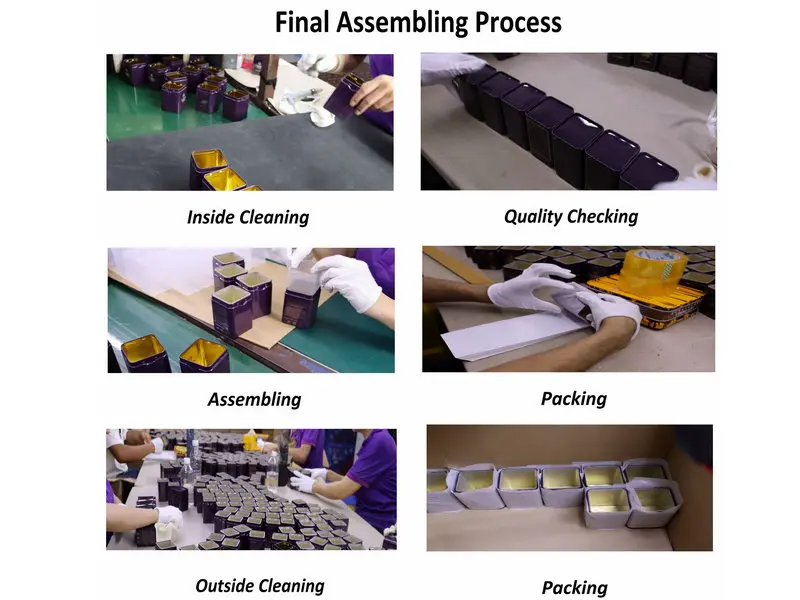
Producing child-resistant tin boxes requires a structured assembly process:
Tracing our milestones in child-resistant metal packaging innovation.
A comparative overview of our customization, cost efficiency, and quality guarantees.
1. 8 years of child-resistant tin development.
2. Most models have completed ASTM certifications.
3. Adaptable structures for various product shapes.
1. Standardized tooling reduces setup costs.
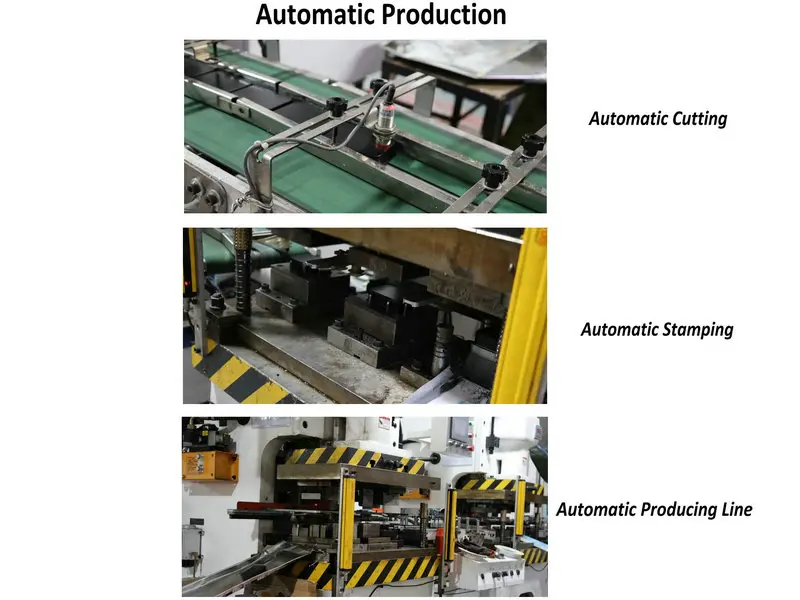
2. Automated assembly lines decrease labor overhead.
3. Reliable raw material sourcing stabilizes costs.
1. Strict QC inspections for accessories.
2. Precise mechanical checks on the assembly line.
3. Standardized reports provided for each production run.
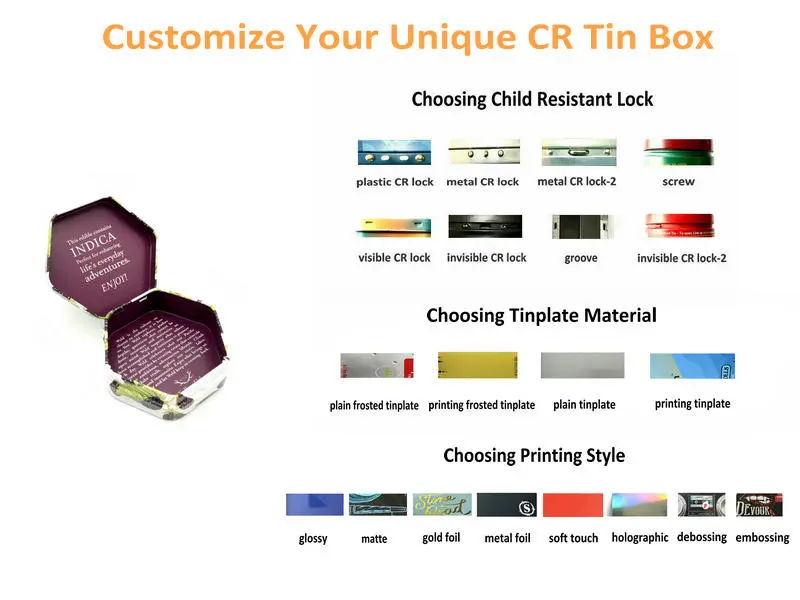
We provide structural engineering support to adapt existing concepts to child-safe requirements. From initial sketches to final production, we guide brands through:
- Custom dimensions and layouts for multi-pack configurations.
- 3D structural drawings and physical plastic prototypes for evaluation.
- Specialized interior trays, materials, and embossment.
Answers to common inquiries regarding regulatory compliance, manufacturing minimums, and custom tooling.
Our child-resistant tin models are tested in accordance with US CPSC regulations under testing standard 16 CFR Part 1700.20, and conform to ASTM D3475 requirements. We supply test documentation upon request to support your compliance filings.
Standard OEM production runs start at 10,000 to 20,000 units, depending on the physical size of the tin box and the complexity of the locking mechanism. Standard styles may support lower order minimums.
Yes. Our R&D department provides custom engineering. We produce 3D CAD models and physical 3D-printed mockups for performance testing. Tooling and sample development are typically completed within 30 days.
Our packaging components utilize FDA-approved, BPA-free coatings and inks. The internal surfaces of the tinplate are protected with food-grade varnishes to ensure product safety and prevent chemical interaction with the contents.
We manufacture airtight tins with custom food-grade silicone rings, rubber gaskets, or internal plastic trays that seal against the tin metal rim, protecting tablets or gummies from moisture damage.
We pack using protective polybags for individual tins or cell-division dividers inside double-walled master cartons. We also offer palletized shipping with corner boards to prevent dents.
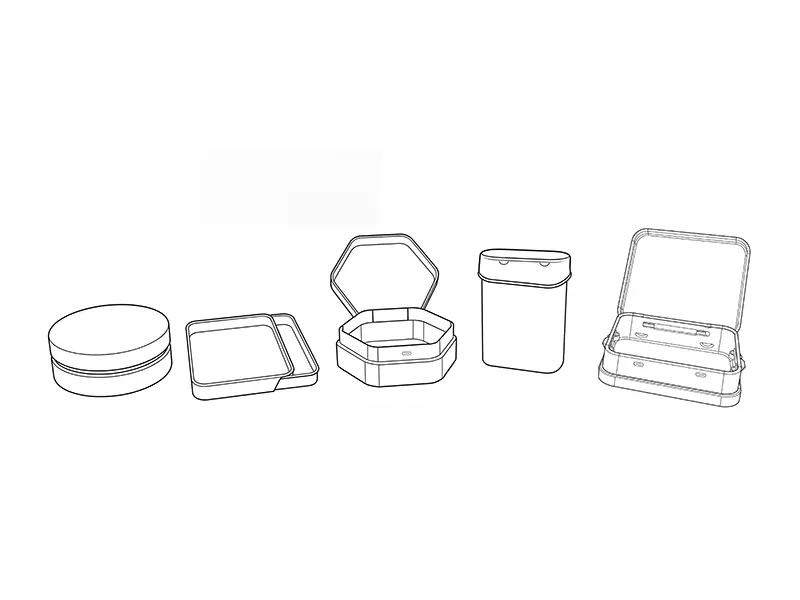
Select from our certified portfolio of childproof and child-resistant sliding, hinged, and screw metal containers.
 CR Tin