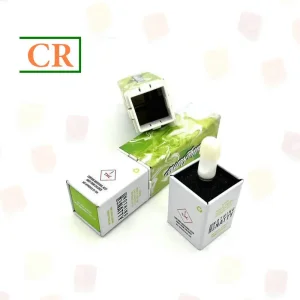
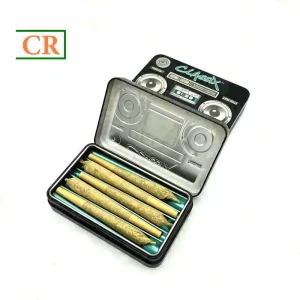
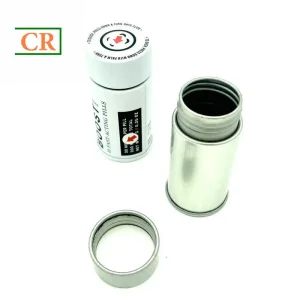
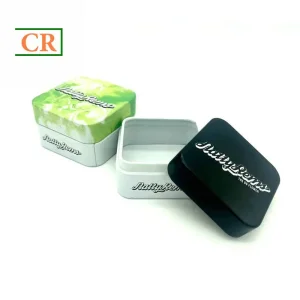
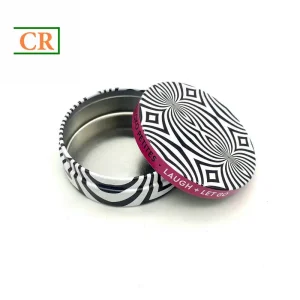
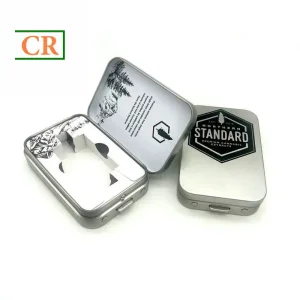
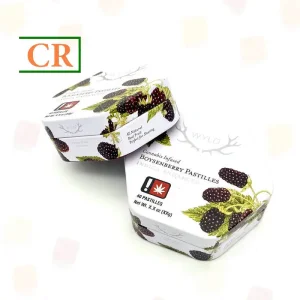
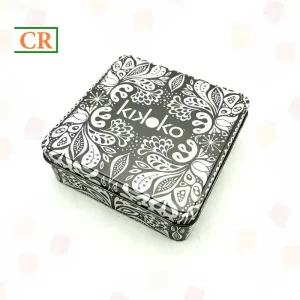
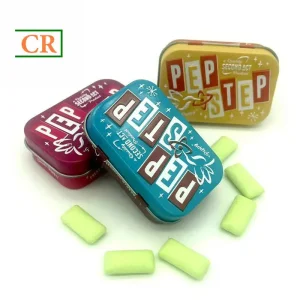
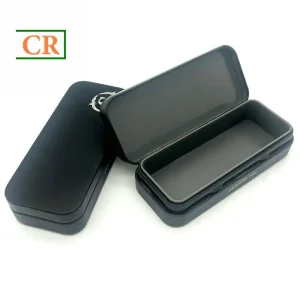
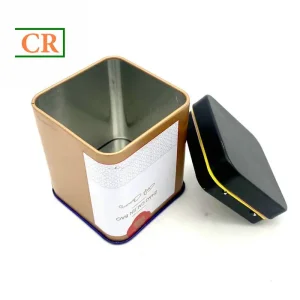
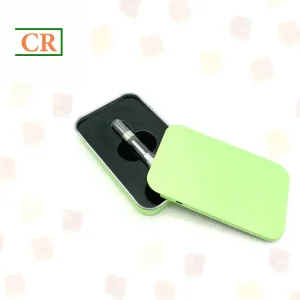
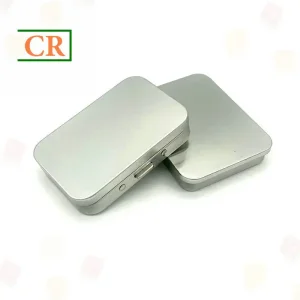
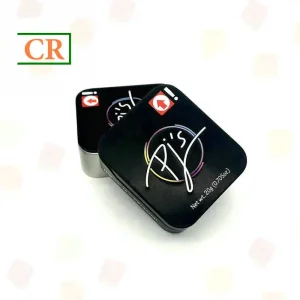
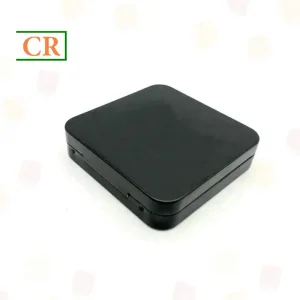
Explore our flagship OEM solutions certified to meet rigorous child safety standards while maintaining premium shelf presence.
In modern industrial packaging, spherical metal containers, commonly referred to as tin balls, represent a pinnacle of structural engineering and aesthetic design. Unlike standard rectangular or cylindrical cans, manufacturing a perfectly balanced, multi-part tin ball requires high-precision tooling and specialized deep-drawing processes. Global packaging trends show a distinct shift toward sculptural, tactile packaging configurations that command retail presence, and the tin ball format stands at the forefront of this evolution.
To produce an optimal tin ball, OEM manufacturers must work with select grades of tinplate, typically Electrolytic Tinplate (ETP) featuring precise temper indexes (such as T2.5 or T3) to handle the multidirectional stress of spherical stamping. The hemisphere formation process is delicate; drawing metal into a half-sphere without causing ripples along the flange, micro-cracks in the steel core, or distortion in the lithographed design requires dynamic tensioning in the forming dies. Leading factories employ multi-stage mechanical presses coupled with progressive toolsets that allow the metal to flow naturally into its spherical shape, preserving both structural integrity and surface print resolution.
CR Tin (Andylots Tin Box Packaging Co.,Ltd) is a streamlined, single-source professional supplier of child resistant tin boxes, integrating child resistant lock design, mold making and sampling, child resistant lock testing, and mass production. CR Tin began developing child resistant lock tin boxes in 2017. After nine years of research and development and pioneering experience, we have over 70 certified child resistant lock tin boxes, covering all tin box packaging styles in the industry, and have established our own unique child resistant lock tin box system.
With an unwavering commitment to engineering quality and child-safety compliance, we serve critical high-growth industries including confectionery, cosmetics, botanicals, and high-end promotional packaging. Our state-of-the-art facility is built to handle rapid prototyping, customized color matching, and high-volume output while adhering to strict Western regulatory baselines.
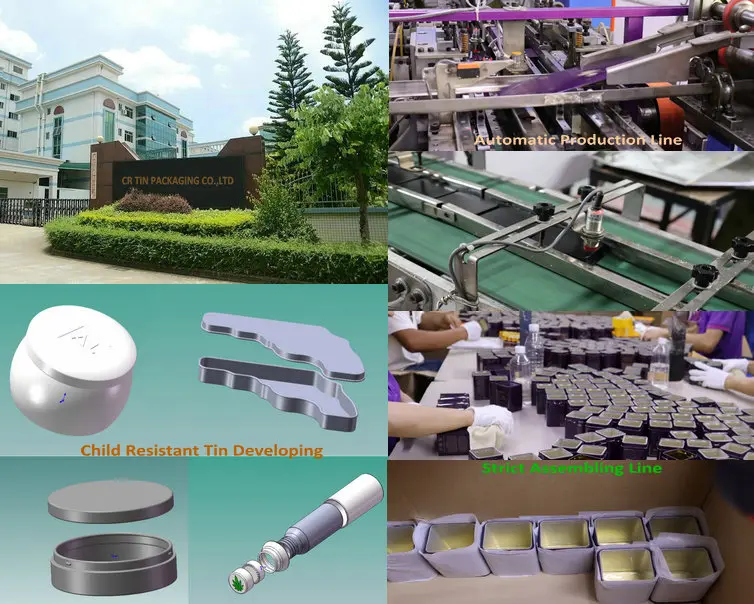
We are a professional child-resistant metal packaging supplier specializing in custom development, certification, and high-efficiency volume production for global markets.
Choose from over 12 distinct, proprietary child-resistant tin architectures ready for immediate application and market integration.
Benefit from complementary structural packaging designs, 3D photorealistic renderings, and physical 3D-printed plastic samples for verification.
Advanced assembly automation is coupled with localized inline inspection teams to guarantee defect-free product batches at scale.
Global enterprise procurement professionals sourcing custom metal packaging prioritize three fundamental metrics: price competitiveness, design agility, and lead-time stability. Chinese OEM tin ball and child-resistant tin manufacturers, centered predominantly in regional industrial hubs like Dongguan, Shenzhen, and Zhejiang, offer structural efficiencies that cannot be matched by localized Western manufacturers.
Our proximity to world-class steel mills producing high-grade Electrolytic Tinplate (ETP) minimizes shipping latency and raw material premiums. Coupled with local printing facilities utilizing high-definition Fujifilm Fuji offset metal printing machines, our processing times are minimized. This tight geographic integration ensures that custom orders transition from metal sheeting to formed tins rapidly.
While Western plants often rely on aging mechanical presses with long changeover times, our Chinese production plants utilize high-speed pneumatic automated systems. The automation of tinplate feeding, mechanical lubrication, stamping, and hemispherical trimming ensures a dimensional variance tolerance of less than 0.05mm. This consistency is vital for maintaining tight tolerances for high-volume automated filling lines at customer facilities.
Furthermore, Chinese suppliers have pioneered modular mold manufacturing. Rather than demanding $15,000 for a fully custom toolset with a 60-day development window, our engineering team utilizes pre-existing bolster frames and modifies only the product-facing cavities. This cuts mold engineering costs by up to 60% and reduces physical test prototyping to a swift 14-day window.
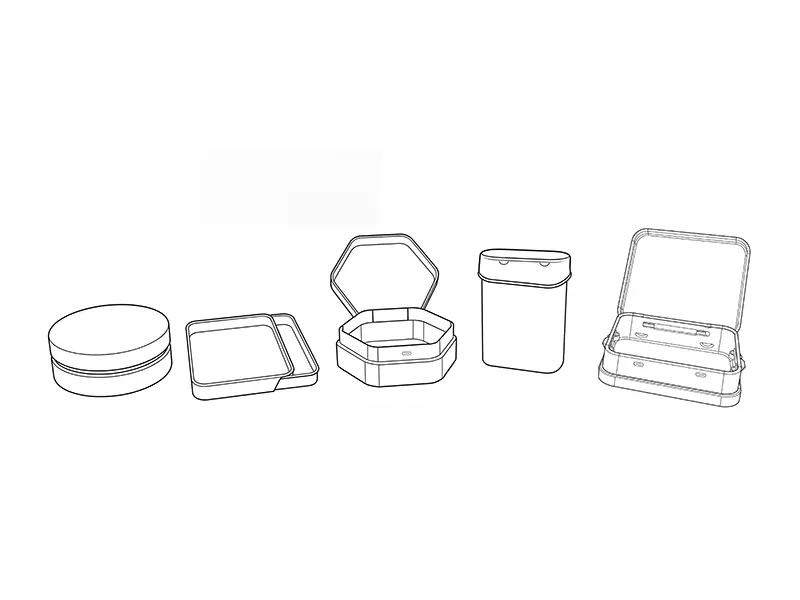
When selling high-potency mints, botanical gummies, concentrate jars, or vaporizer components in regulated regions like North America and the European Union, standard packaging is insufficient. Under US Code of Federal Regulations (CFR) Title 16, Part 1700.20, consumer packaging must prevent children under 5 years old from accessing toxic or active substances, while remaining easy for seniors to operate. CR Tin’s pioneering work since 2017 has produced over 70 certified structures that navigate this delicate line.
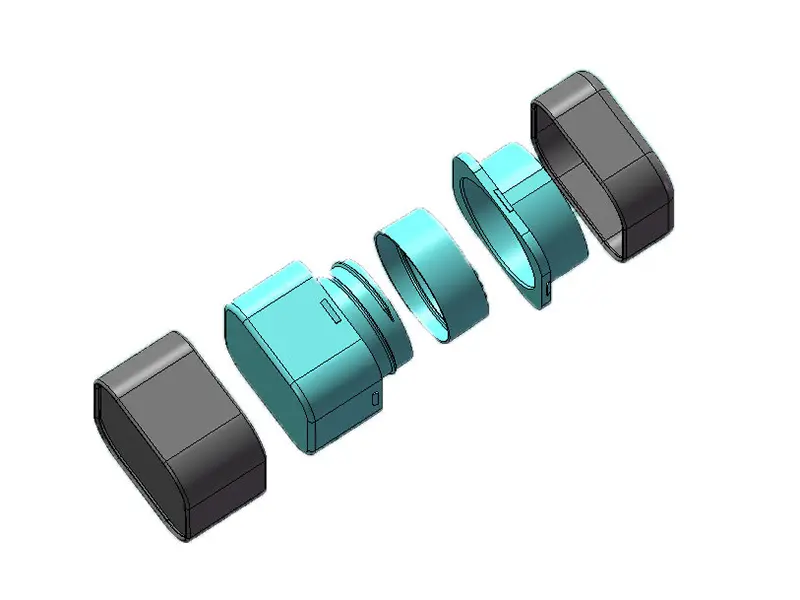
Our ASTM-certified child-resistant mechanisms utilize several mechanical principles:
1. Press & Turn Systems: Replicating the secure cap motion on a stamped tin lid requires internal retention tracks stamped directly into the tin neck, engaging lock teeth on the lid skirt.
2. Metal Push-Button Detents: Precision assembly allows a hidden spring metal leaf to engage with a precut aperture, requiring multi-point force vector inputs that a child cannot easily mimic.
3. Dual-Button Squeeze Mechanisms: Side-actuated tabs require lateral force vectors that exceed the manual dexterity and grip strength thresholds of children under 51 months of age.
The applications for custom-developed OEM tin balls are vast and span multiple industries. Below, we break down how distinct sectors leverage spherical tin packaging to enhance retail visibility, provide product protection, and align with environmental ESG mandates.
During festive retail seasons, spherical tins are widely deployed as hanging tree ornaments, premium chocolate containers, or high-end cosmetic gift sets. These designs often feature embossed relief detailing, metallic base lacquers, and custom interior ribbons.
As international cosmetic giants pledge to eliminate single-use plastics by 2030, aluminum and tinplate spheres have emerged as premium alternatives for solid perfumes, lip balms, and makeup pigments. The tin ball design is fully recyclable and highly durable.
For active botanical gummies and artisan mint brands, we provide miniature tin spheres and custom small child-resistant rounds that maintain air-tightness. Utilizing food-safe PVC-free silicon gaskets, these tins protect active ingredients from moisture degradation.
As the OEM metal packaging industry transitions into a highly automated era, manufacturers are integrating several key technological shifts:
I. Intelligent Structural Modeling: Our R&D team utilizes FEA (Finite Element Analysis) software to simulate the stamping of tin spheres prior to cutting steel. This minimizes scrap metal rate, optimizing material thickness down to 0.21mm while preserving the structure's physical strength.
II. Eco-Friendly Coatings: We are transitioning from traditional solvent-borne internal coatings to water-soluble, food-grade base coats and UV inks that contain zero volatile organic compounds (VOCs). This aligns our products with RoHS and REACH standards.
III. Tactile Finishes & Visual Embellishments: Premium brands are moving away from flat gloss prints. The market demands micro-texturing, soft-touch matte varnishes, and 3D register-matched embossing that highlight key brand graphics.
Expert insights addressing key compliance, manufacturing, and logistical questions frequently raised by global procurement departments.
For customized OEM prints, the standard MOQ typically ranges from 10,000 to 20,000 units. This volume is determined by the minimum setup requirements of industrial lithographic metal printing presses. For plain, unprinted tins utilizing existing molds, the MOQ can be reduced to 5,000 units.
We partner with accredited third-party testing laboratories in the United States and Europe (such as Bitner Associates or Tread Global) to evaluate our tin designs. The testing protocols are performed under strict ASTM D3475 and US 16 CFR 1700.20 conditions, using target panels of children and seniors. We supply clients with the full certification reports required by local customs and retail auditors.
We utilize premium grade Electrolytic Tinplate (SPTE) coated with a protective tin layer. For food contact items, we apply an internal gold lacquer, clear organosol varnish, or food-grade epoxy coating. These materials are tested to ensure compliance with FDA, REACH, and EFSA food safety guidelines.
Yes. We utilize advanced multi-dimensional CNC tooling to mill custom 3D textures directly into our forming dies. This allows logos, brand marks, or geometric patterns to be embossed on spherical surfaces during the final drawing stage without distorting or tearing the pre-printed design.
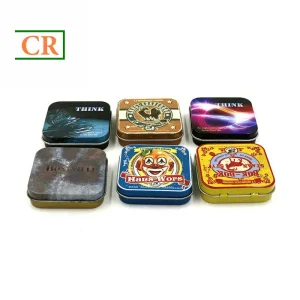
Complete your brand's physical footprint with our specialized range of slide cases, retro flips, and customized product tins.
 CR Tin