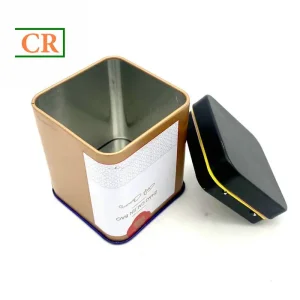
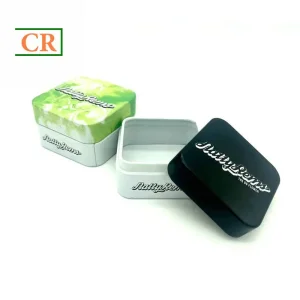
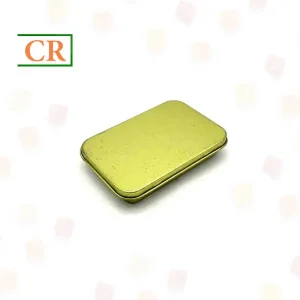
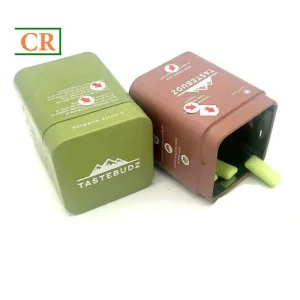
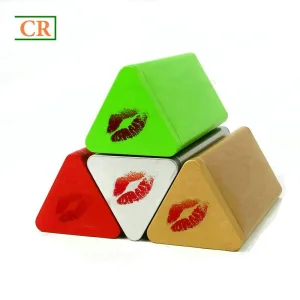
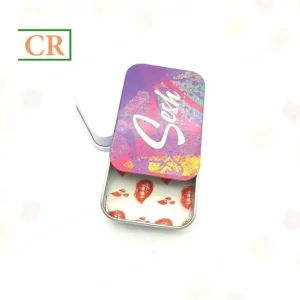
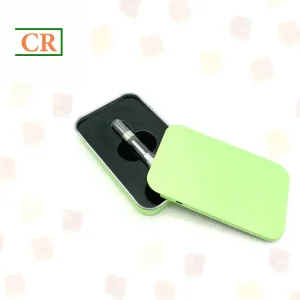
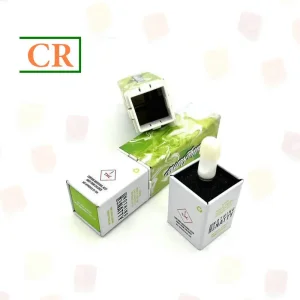
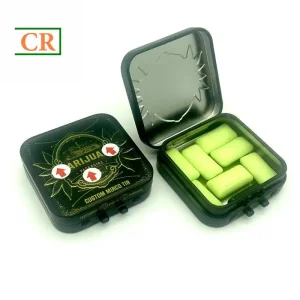
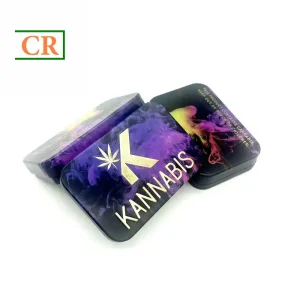
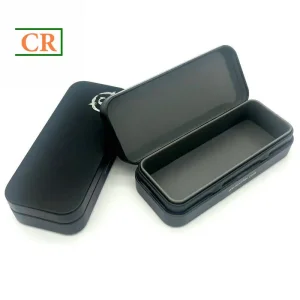
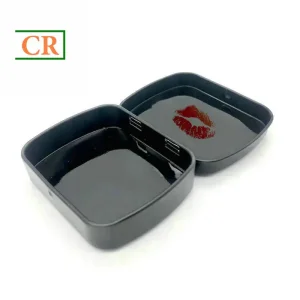
OEM Tin Container Supplier & Custom Child-Resistant Metal Packaging

Precision-Engineered Metal Packaging Solutions for Global Brands, High-Growth Industries, and Multi-Market Compliance.

Navigating the Global Shift to Premium, Sustainable, and Child-Resistant Metal Packaging

In an era defined by aggressive regulatory frameworks, escalating consumer environmental awareness, and the fierce fight for on-shelf brand differentiation, the choice of raw materials and packaging architecture has shifted from a peripheral supply-chain consideration to a core strategic pillar for leading brands globally.

Information Gain Insight: While plastic alternatives face heavy regulatory taxation and long-term brand equity degradation, electrolytic tinplate packaging stands out as an infinitely recyclable, structurally superior, and consumer-trusted alternative. Combined with certified child-resistant (CR) locking systems, metal packaging is the preferred container configuration for pharmaceuticals, cannabis derivatives, nutraceuticals, high-end confectioneries, and chemical specialties.

As a leading OEM tin container manufacturer, CR Tin (Andylots Tin Box Packaging Co.,Ltd) bridges the gap between regulatory rigor and brand aesthetics. We produce metal packaging solutions designed for maximum efficiency in highly automated packaging facilities, guaranteeing high-speed compatibility and reduced waste. Whether you need a standard miniature container for confectioneries, a complex airtight slide box for dry goods, or an ASTM-certified, child-resistant closure for health products, our team applies advanced materials engineering and custom tooling to deliver solutions that outperform basic regulatory expectations.

Company Profile

CR Tin (Andylots Tin Box Packaging Co.,Ltd) operates as a streamlined, single-source supplier of child-resistant and custom tin boxes. We manage the entire lifecycle of your project, including mechanical CAD designs, mold fabrication, sampling, independent child-resistant laboratory testing, and automated mass production.

We began specializing in child-resistant closures in 2017. Over nearly a decade of research, development, and industrial scaling, we have engineered over 70 proprietary, certified child-resistant designs. Our structural systems match the assembly processes of various fast-moving consumer goods sectors, offering high compatibility with your automated filling lines.
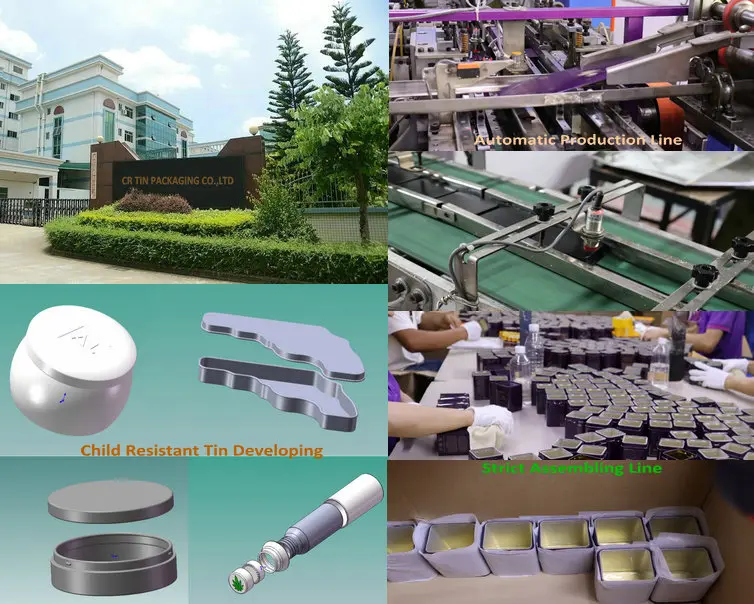
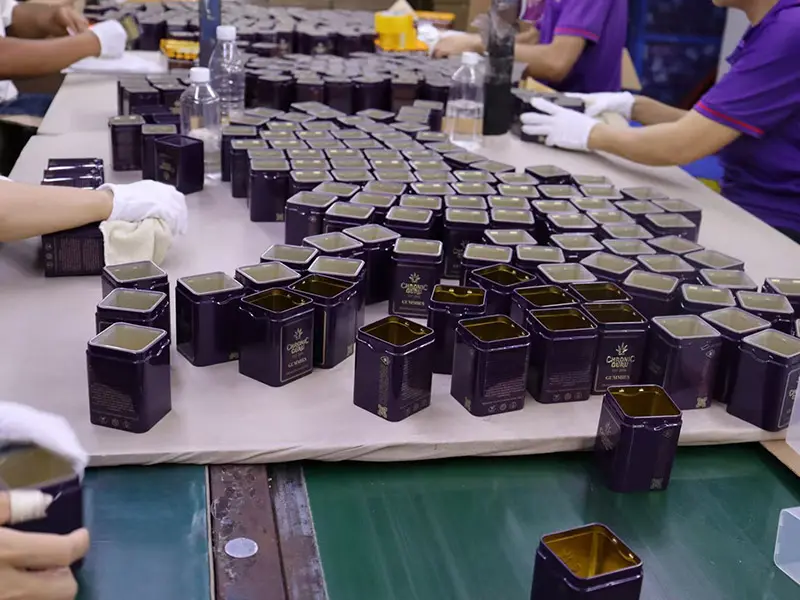
CR Tin Manufacturing Facility Floor
2016
Established R&D Base
12+
Certified CR Structures
8+
Automated Lines
30 Days
Concept to Production

Global Procurement Challenges & Industrial Metal Solutions

Procuring structural metal containers requires balance across regulatory compliance, supply chain predictability, and cost management. Brands often struggle with structural failures, coating wear, chemical interactions between contents and materials, and delays in regulatory certification. CR Tin helps mitigate these risks through reliable engineering and quality-control protocols.

Certified Safety Mechanisms

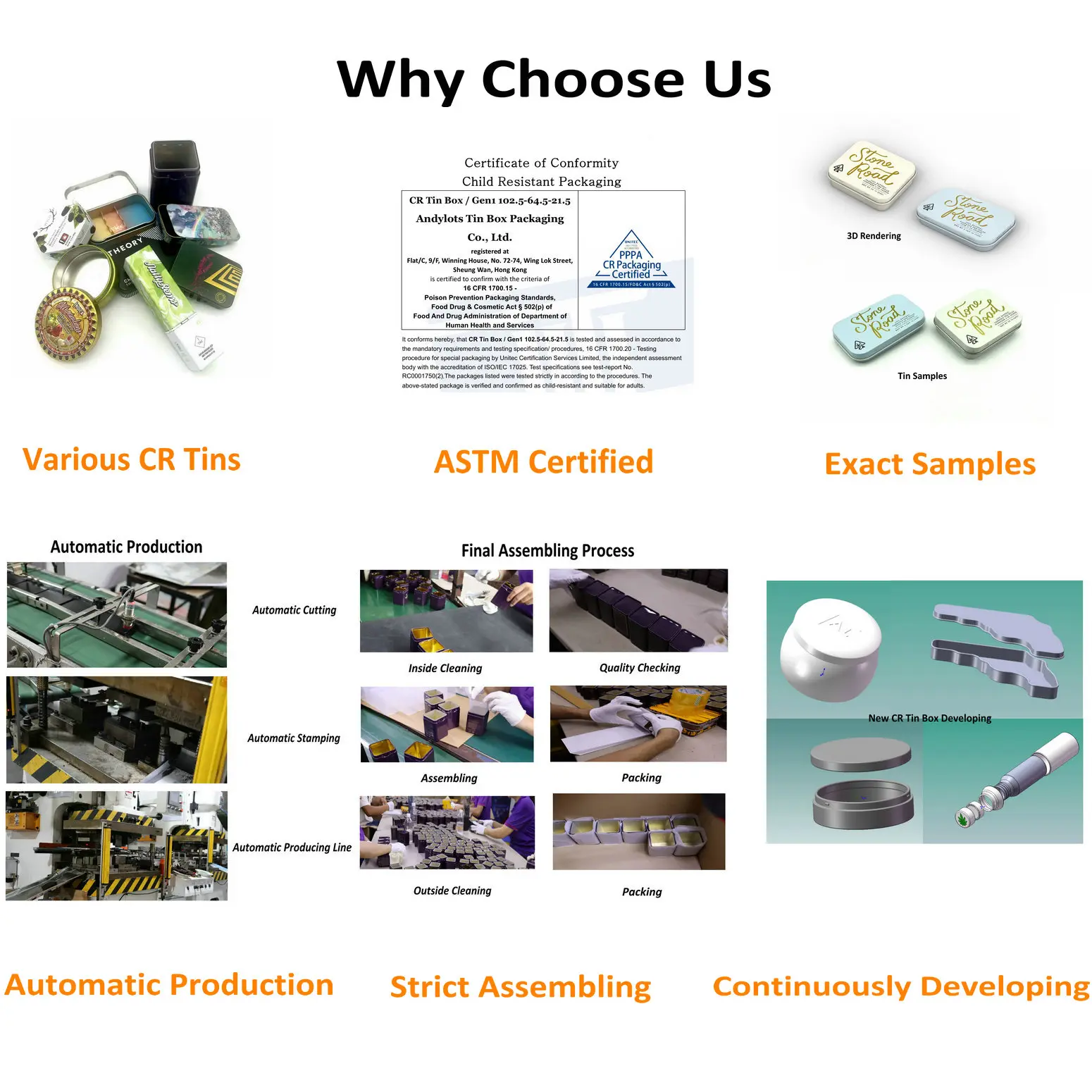
We offer over 12 proprietary, fully certified child-resistant designs. These models feature push-and-turn, squeeze-and-pull, and button-activated mechanisms that prevent access by children while remaining accessible for adults, meeting international child safety standards.

Custom R&D Team

We provide structural design, mechanical engineering, 3D renderings, and plastic functional mockups. This allows packaging engineers and procurement teams to test mechanism performance and brand alignment before investing in tooling.

Rigorous QC Protocol

We monitor key variables such as tinplate hardness, lacquer thickness, opening-force consistency, and child-resistant mechanism reliability. This structured quality assurance ensures our packaging performs consistently on high-speed filling lines.
Advanced Packaging R&D Labs

Materials Engineering & Global Compliance Standards

High-quality tin packaging relies on careful materials engineering. We build our containers from premium electrolytic tinplate (ETP), which consists of a thin steel core coated with pure tin. This structure combines the strength and formability of steel with the non-toxic, corrosion-resistant properties of tin.

To protect the steel from acidic or volatile formulations, we apply specialized, food-grade coatings, including BPA-NI (BPA Non-Intent) lacquers, epoxy-phenolic resins, and organosol linings. These coatings prevent chemical reactions with active ingredients and comply with food contact regulations, including FDA 21 CFR 175.300 and EU Regulation 10/2011.

  • Regulatory Alignment: Products comply with ASTM D3475, CPSC 16 CFR § 1700.20, and European ISO 8317.
  • BPA-NI & Food Safety: Inner coatings are designed to be food-safe, preventing migration into sensitive products.
  • Recyclability: Tinplate offers high recyclability rates globally, supporting corporate sustainability targets.
  • Airtight Closures: Optional integrated silicone, PVC, or TPE gaskets block moisture, oxygen, and light.

Advanced Engineering Solutions & Cost Control

Custom tin projects require balancing custom design features with cost efficiency. We structure our tooling, production, and supply chain to manage unit costs without sacrificing safety, structural stability, or brand presentation.
Certified CR Tin Structures

Optimized Tooling Designs

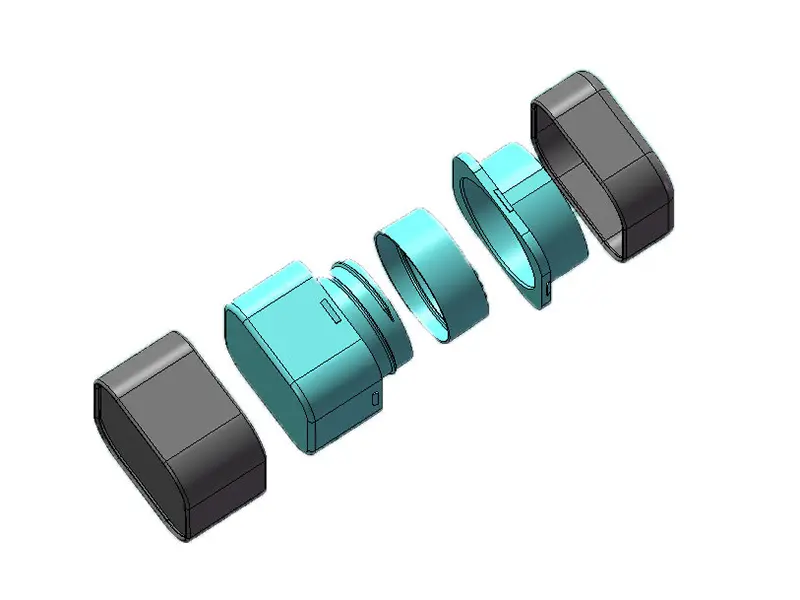
By engineering child-resistant locking features directly into the metal body rather than using complex multi-piece plastic inserts, we simplify production, lower material costs, and reduce shipping weights.
Engineering and R&D CAD Center

Advanced Production Line Automation

We use robotic high-speed stamping, automatic rolling, and optical quality inspections to minimize manual labor, increase output consistency, and lower defective rates in large production runs.
Automated Testing Area

Supply Chain Integration

We source raw tinplate directly from top steel mill partners, which helps stabilize material costs and ensure lead-time predictability during fluctuating market conditions.

Technical Roadmap: The Future of Tin Packaging

We continue to focus on development in three areas to support global packaging efficiency:

1. Smart Packaging Integrations

Integrating unique QR codes, NFC tags, and RFID features under the varnish layer allows for anti-counterfeiting tracking and interactive consumer experiences.

2. Next-Gen Sustainable Inks & Coatings

Transitioning to soy-based printing inks and bio-sourced protective varnishes helps reduce VOC emissions during production while maintaining wear resistance.

3. High-Speed Filling Line Optimization

We optimize tin container profiles for pick-and-place robots and automatic capping systems, ensuring higher stability on automated filling lines.
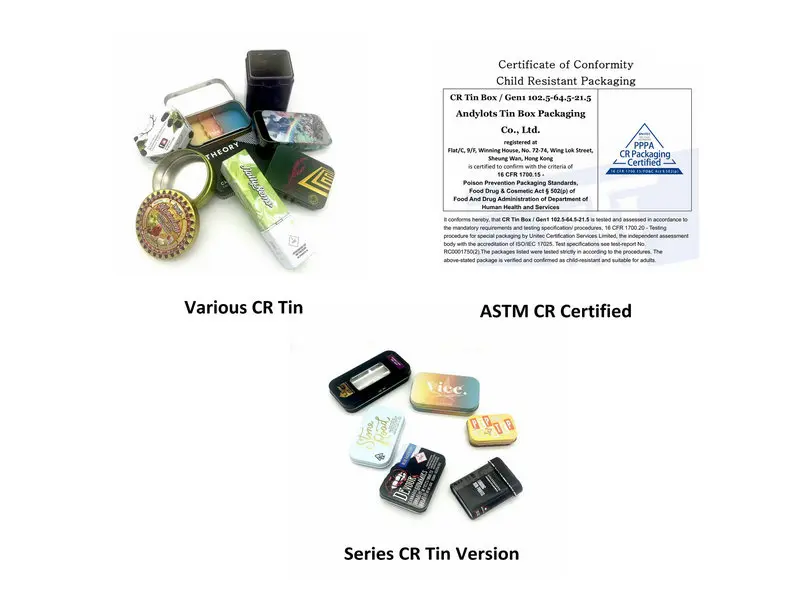
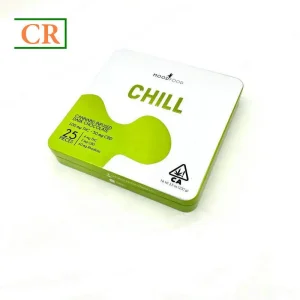
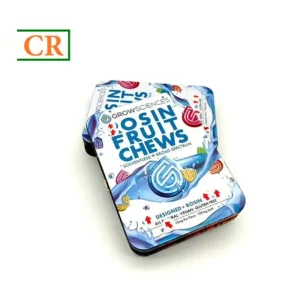
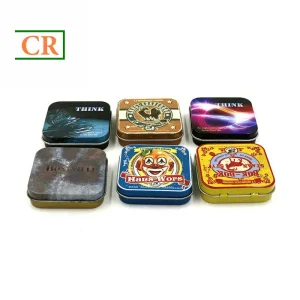
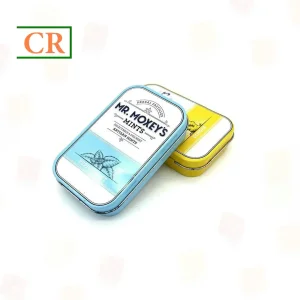
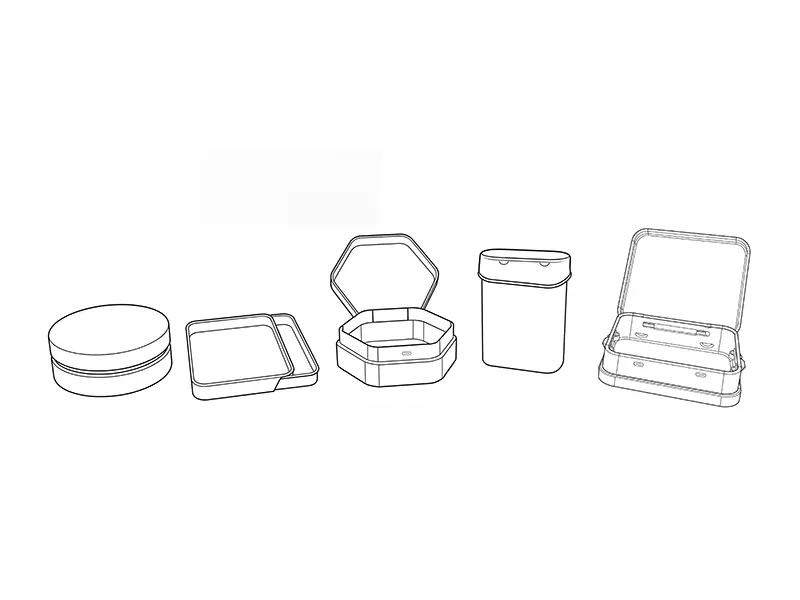
Various Certified Child Resistant Tin Boxes Options

Various Certified Child Resistant Tin Boxes Options

Protecting children from accidental exposure while maintaining accessibility for seniors is key to consumer trust. We focus on engineering compliant closures for various markets:

  • 8 Years of Development: Over 70 certified CR designs to match different market categories.
  • ASTM Certifications: Most designs are tested to meet the requirements of ASTM D3475 and CPSC standards.
  • Structured Packaging Systems: Products are grouped into structured families, making it easier to scale sizes and capacities.
  • Cost-Effective Tooling: We help reduce development costs by utilizing our library of pre-certified tooling.

Engineering-Driven Cost Reduction

Managing production costs requires consistent optimization throughout the design and manufacturing lifecycle. We apply systematic cost-reduction strategies across our lines:
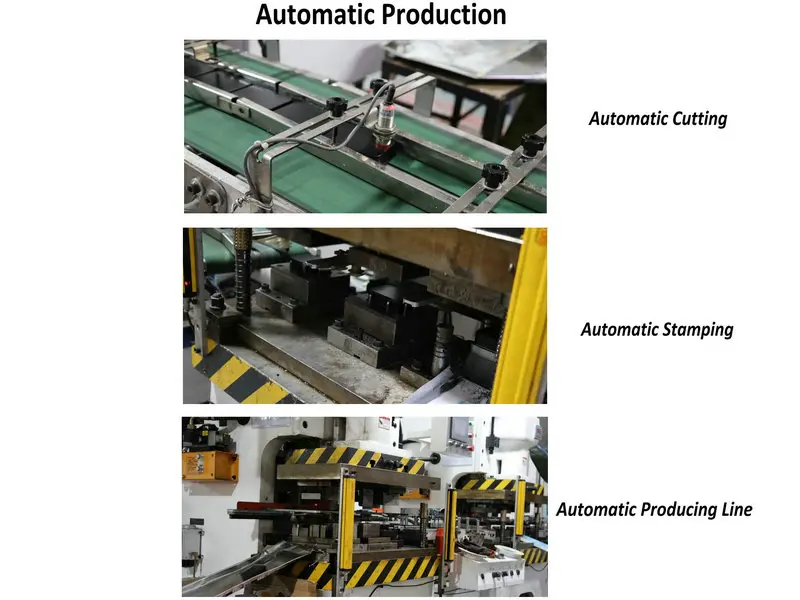
  • Simplified Safety Locks: We optimize lock mechanics to use less metal, reducing raw material and processing costs.
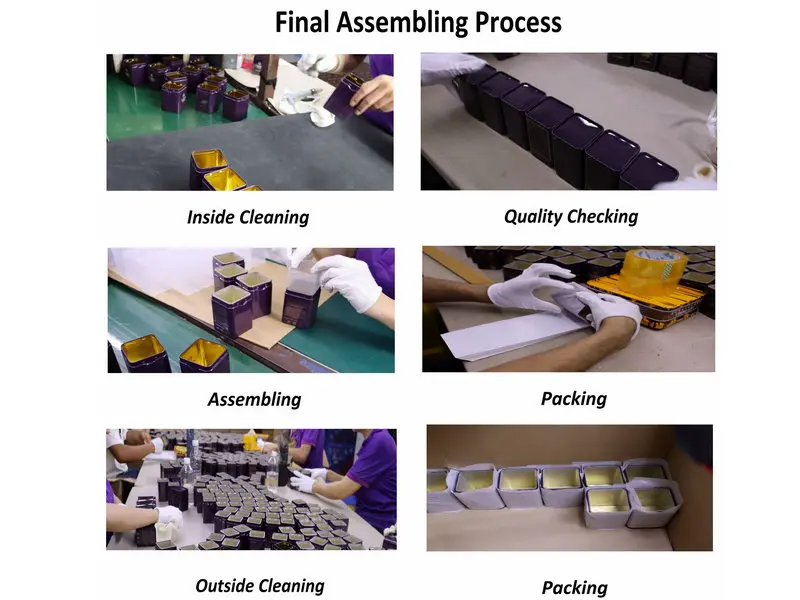
  • Automated In-Line Assemblies: Integrating assembly stages directly into the production line helps lower production labor costs.
  • Optimized Materials Sourcing: Working with certified suppliers for fittings and gaskets ensures component quality and price stability.
  • Ongoing Technology Upgrades: Continuously upgrading tools and machinery helps decrease energy use and reduce material scrap rates.
Factory Cost Control Measures
Quality Guarantee Framework

Quality Control & Assurance Protocols

We apply quality control procedures to ensure every production run meets functional and regulatory requirements:

  • Component Testing: Incoming components like custom closures and seal gaskets are tested to verify consistent material properties.
  • Automated Dimensional Tolerance: High-speed optical systems monitor rolling, crimping, and button alignment.
  • Manual Inspection Lines: Manual checks at the final packaging stage review mechanism functionality and surface finish.
  • Independent Quality Reports: We work with third-party testing agencies to provide SGS, Intertek, or Bureau Veritas inspection reports.

Customization & Engineering Support

We offer full-service OEM/ODM support to adapt metal containers to your brand's specific size and closure requirements:
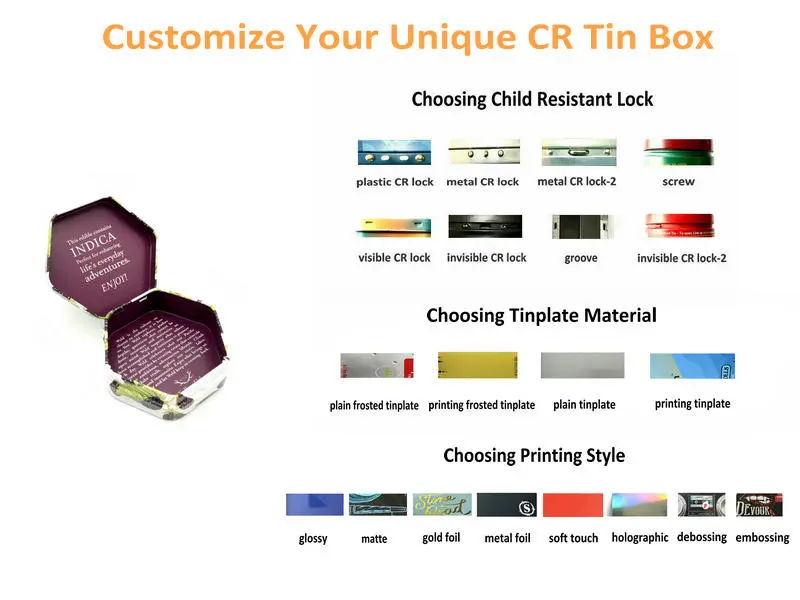
  • Diverse Structural Library: Choose from slide-lid, hinged-lid, click-clack, and push-button designs.
  • Exclusive Tooling Options: We develop proprietary shapes and sizes with exclusive usage rights.
  • 3D Prototype Modeling: Quick-turn 3D CAD modeling and plastic prototyping help verify shapes and fit.
  • Advanced Print Finishes: High-definition offset printing, embossing, matte/gloss textures, and spot UV options.
Customized Child Resistant Tin Box Support

Technical FAQ & Sourcing Specifications

Review answers to common technical, regulatory, and mechanical questions about our child-resistant metal packaging solutions.

Q1: What certifications do your child-resistant tin containers hold?
Our child-resistant metal designs are tested to meet CPSC (U.S. Consumer Product Safety Commission) standards under 16 CFR § 1700.20 and ASTM D3475 protocol guidelines. Third-party testing evaluates child prevention and adult accessibility. We provide copy reports of these certifications to support your regulatory submissions.
Q2: Can your tinplate packaging support modified atmosphere packaging (MAP) or vacuum sealing?
Yes, we design specific airtight metal containers utilizing food-grade silicone, thermoplastic elastomer (TPE), or PVC gaskets. These materials are combined with tighter mechanical latch systems to support nitrogen flushing or oxygen-scavenger packs, helping protect sensitive contents from oxidation.
Q3: What are the minimum order quantities (MOQ) for custom-printed or custom-sized OEM tins?
For standard shapes decorated with custom artwork, our MOQ typically starts at 10,000 units. For completely custom sizes requiring new tooling or mechanical mechanism alterations, MOQs generally start at 30,000 units to offset custom mold development costs.
Q4: Do you offer BPA-NI (BPA Non-Intent) interior coating formulations?
Yes. We offer BPA-NI (BPA Non-Intent) internal lacquer options that comply with FDA 21 CFR 175.300 and European Commission Regulation No 10/2011 for direct food contact. These coatings help protect products while meeting regional food-safety requirements.
Q5: How do you prevent rust and corrosion during ocean transport and warehousing?
We use electrolytic tinplate (ETP) with optimized coating weights (e.g., 2.8/2.8 g/m²) and apply protective topcoats on both interior and exterior surfaces. For shipping, we package tins in polybags with desiccant packs inside double-wall corrugated cartons, helping manage humidity levels during transit.
Q6: How long does the design-to-sample cycle take for a custom metal package?
We can deliver 3D CAD models within 2 to 3 business days. Once approved, we can supply 3D-printed plastic prototypes or hand-cut metal mockups within 7 to 10 days. Custom steel tooling and pre-production metal samples typically require 20 to 30 days to complete.
Q7: Are your metal containers compatible with standard high-speed automated packaging machinery?
Yes, our tins are engineered to work with automated filling equipment. We maintain tight dimensional tolerances (often within +/- 0.15mm) to support automatic lid placement, mechanical capping, and pick-and-place conveyor lines.