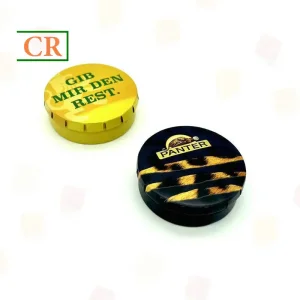
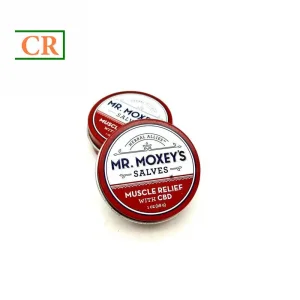
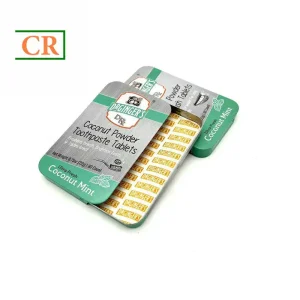
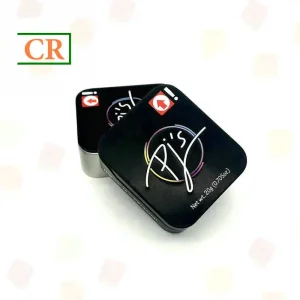
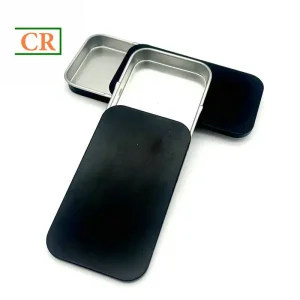
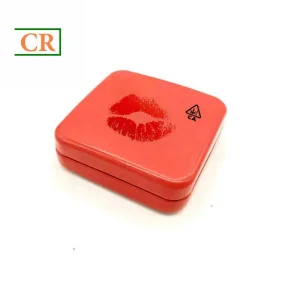
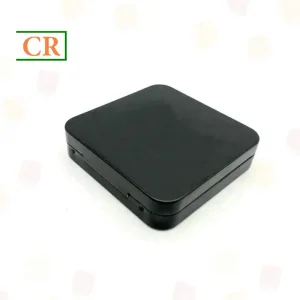
Engineered for tactile satisfaction, airtight freshness, and modern shelf appeal. Specifically adapted to meet local Japanese regulations and premium consumer expectations.
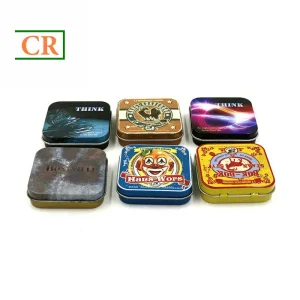
The Japanese confectionery and functional mint market demands a convergence of visual elegance, safety standards, and environmental consciousness. As consumers shift away from single-use plastics under local sustainability mandates, structural metal packaging like premium tinplate has emerged as the definitive premium solution.
Under the Japanese philosophy of Monozukuri (物作り), precision engineering is not merely a metric—it is the baseline. The mechanical click of a custom slide lid, the alignment of high-definition lithographic prints, and the flawless roundness of child-resistant closures represent the difference between standard commodity packaging and premium shelf presence.
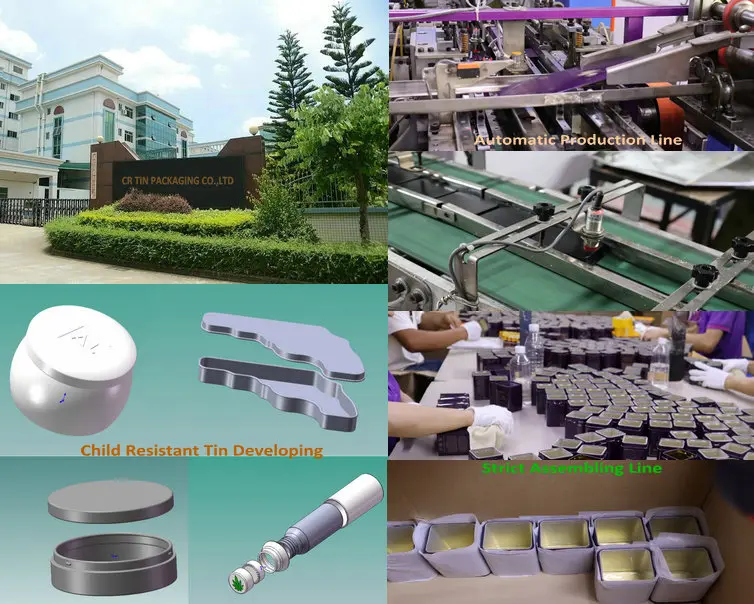
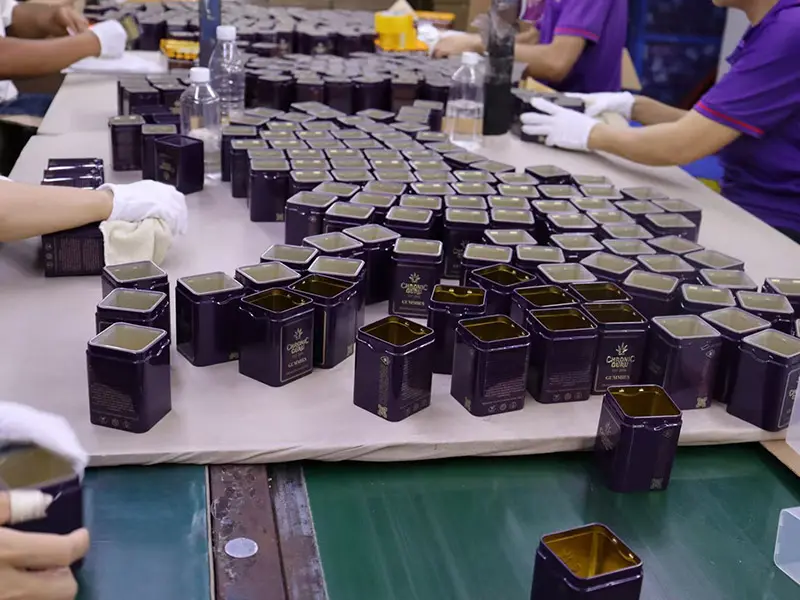
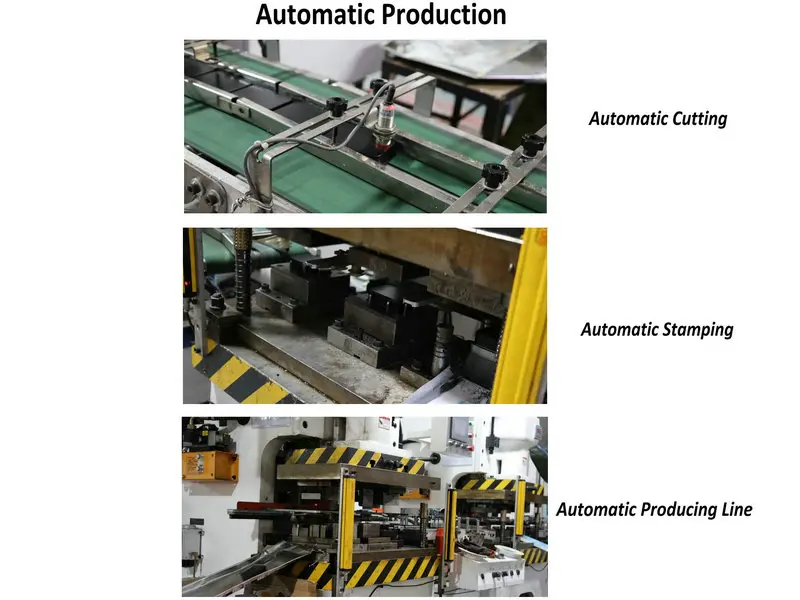
CR Tin (Andylots Tin Box Packaging Co., Ltd) operates as a single-source developer and professional supplier of child-resistant and custom metal packaging. With certified lock designs, prototyping units, and high-volume automated stamping facilities, we build value from raw tinplate coils to shipping docks.
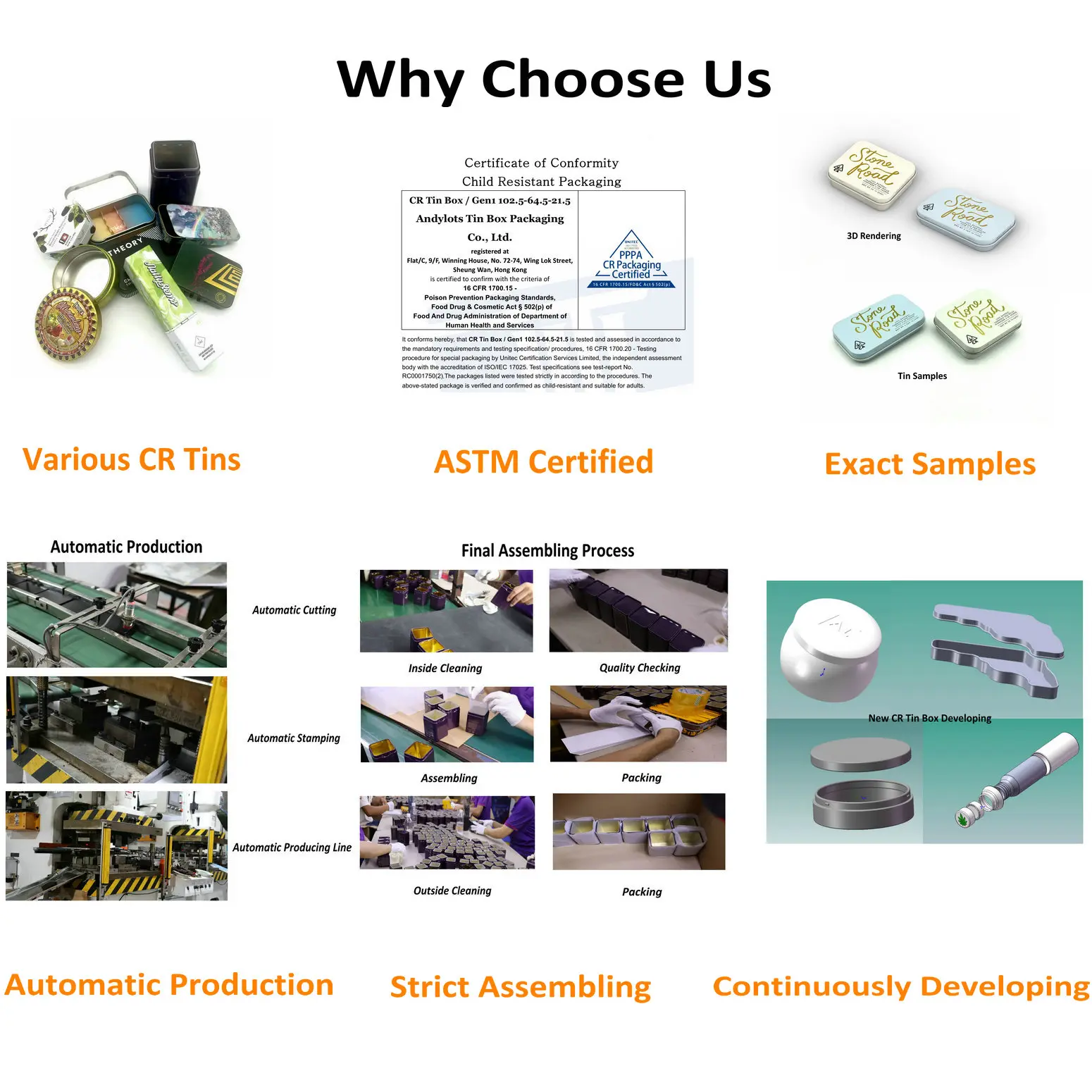
We focus on eliminating redundancies in international supply chains. By acting as a single-source OEM and ODM provider, we mitigate risks in mold alignment, regulatory safety, and quality variances. Our clients in Japan enjoy direct communication channels with design teams and structured lead-time guarantees.
Delivering optimized production cycles, reliable quality assurance, and reduced development costs through automation and raw material partnerships.
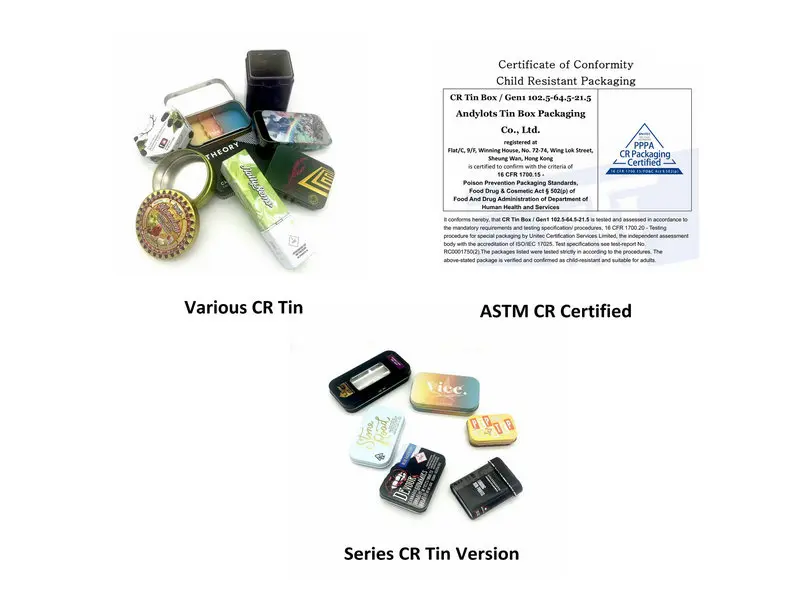
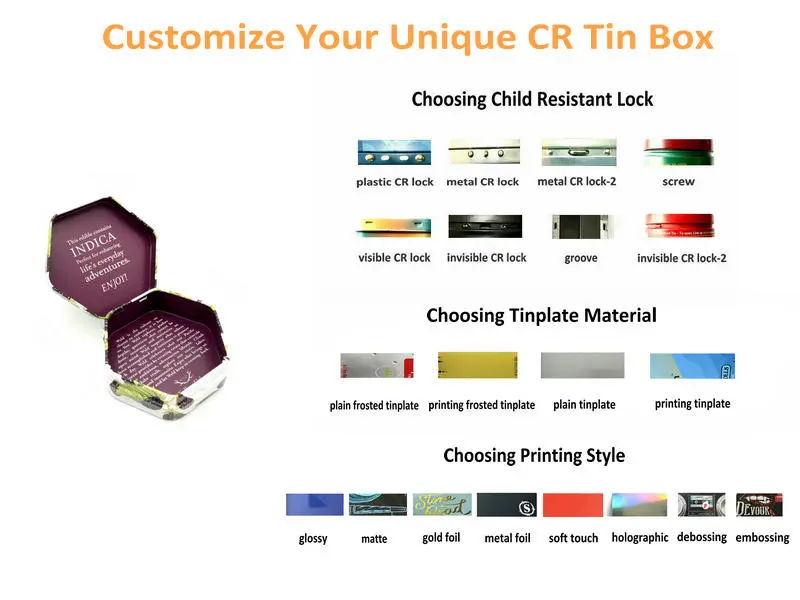
Over 12 proprietary, certified child-resistant structural solutions. Offers flexible mechanisms to match local market parameters and safety rules.
Complimentary packaging architecture consultations, 3D renderings, and precise physical structural samples engineered to custom tolerances.
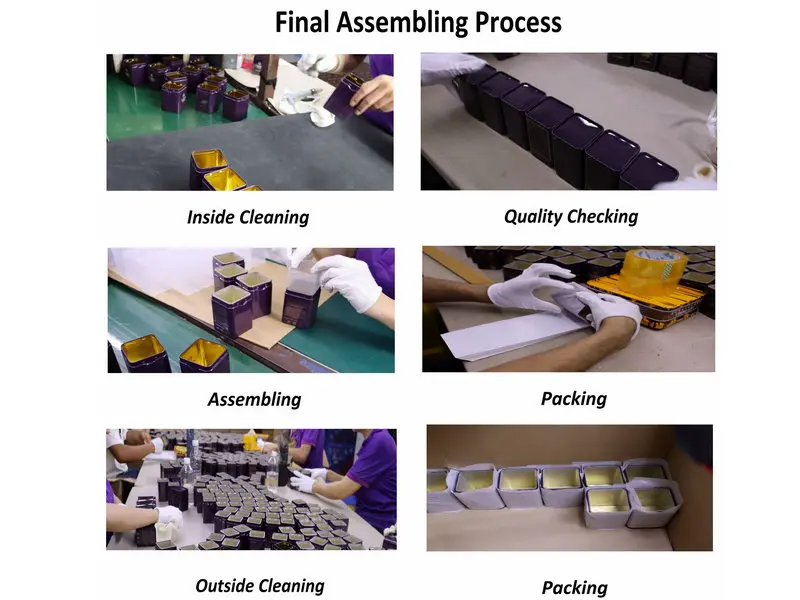
Combining advanced inline optical inspections with experienced QA teams to guarantee consistent mechanical performance and coating adhesion.
Precision food-safe packaging relies on strict material controls and printing tolerances. Below is our standard specification matrix designed for high-performance confectionery tin manufacturing.
| Specification Parameter | Standard Industry Grade | Premium Export Grade (Japan Market) | Compliance Reference |
|---|---|---|---|
| Base Steel Core Material | Single Reduced Cold Rolled (SR) | Double Reduced (DR) High-Tensile Steel | JIS G3303 (Electrolytic Tinplate) |
| Tin Coating Mass | 1.1/1.1 g/m² (D1.1) | 2.8/2.8 g/m² (D2.8) up to 5.6/5.6 g/m² | ISO 11949 / JIS Standards |
| Internal Varnish / Coating | Standard Organosol Lacquer | BPA-Free Gold Epoxy Phenolic / PET Film Lamination | Japanese Food Sanitation Law (MHLW No. 370) |
| Dimensional Tolerances | ±0.15 mm to ±0.20 mm | ±0.05 mm (Automated Assembly Fit) | JIS Standard Tolerances |
| Surface Hardness / Temper | T2 / T3 (Standard drawing) | T4 / DR8 (Optimized dent-resistance) | ASTM A623 / EN 10202 |
| Lithography Print Resolution | 133 LPI to 150 LPI | 175 LPI to 200 LPI (High Definition Offset) | CMYK + PANTONE HIFI Lithography |
We offer premium decoration methods to elevate your product's presentation. Japan's luxury gifting culture values clean aesthetics and precise tactile feedback.
Tinplate stands as a benchmark for packaging circularity. Unlike plastics, which degrade during recycling and ultimately end up in landfills, tinplate is a permanent material that maintains its chemical integrity indefinitely.
Magnetic sorting in sorting facilities ensures steel packaging is captured and recycled efficiently. Choosing custom tin packaging shows an active commitment to environmental responsibility, satisfying both Japanese regulatory goals and the expectations of eco-conscious consumers.
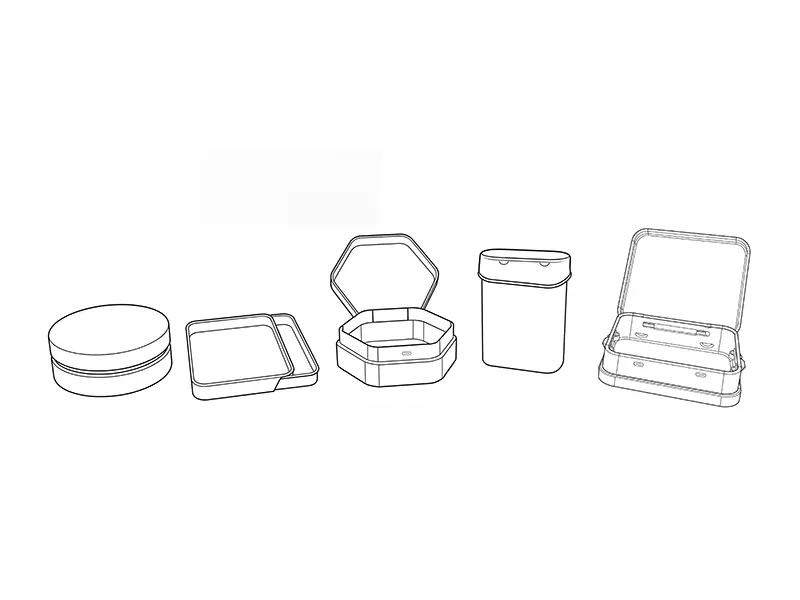
Explore our production models. These formats can be customized with specific sizes, printing options, and custom branding.
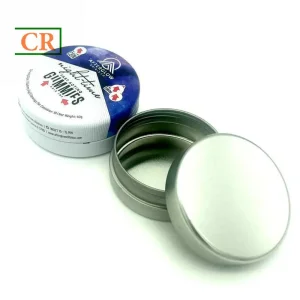
Importing confectionery packaging into Japan requires strict compliance with food sanitation laws. We maintain an audited manufacturing environment to satisfy international inspection guidelines.
Find answers to key questions regarding compliance, manufacturing lead times, customization limits, and logistical processes for shipments to Japan.
Yes. All metal sheets and protective varnishes used in our manufacturing process meet the requirements of the Japanese Food Sanitation Law (Ministry of Health, Labour and Welfare Notification No. 370). We supply food-safe BPA-free epoxy phenolic coatings and PET-laminated options to prevent chemicals from migrating into your food products.
For standard custom-printed runs, our typical MOQ starts at 10,000 units. For fully customized shapes requiring specialized tooling development, the initial order MOQ is typically set to 20,000 units to offset tooling setup costs. Smaller pilot runs can be evaluated on a case-by-case basis.
Our child-resistant metal packaging options are certified to international standards (including ASTM D3475 and EN 862). They feature squeeze-and-slide or squeeze-and-lift mechanisms that restrict easy opening by children while remaining accessible for adults.
Design validation and 3D prototyping are completed within 7 to 10 days. Once the design is finalized, production mold engineering and testing take about 20 to 25 days. Mass production is typically completed in 25 to 30 days, depending on order size and complexity.
We use export-grade corrugated cartons. Each tin is positioned in thermoformed trays or individually wrapped in protective polybags to prevent surface scratching. Shipments are packed onto heat-treated, fumigated pallets to protect against shifts during ocean transport.
Yes. We support quality checks by independent inspection services (such as SGS, TÜV, or Intertek). We grant inspectors full access to our production lines and warehouse storage to verify order details prior to container loading.
Connect with our engineering team to request structural samples, discuss design requirements, or secure volume pricing for the Japanese market.
Send Inquiry Now CR Tin