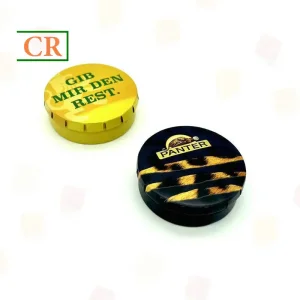
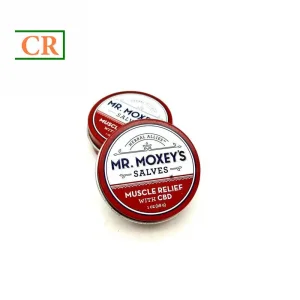
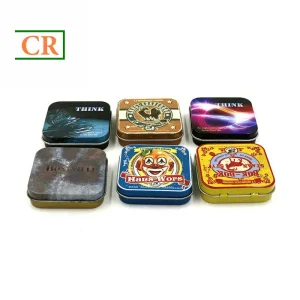
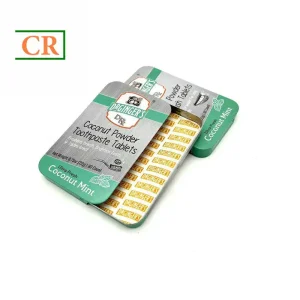
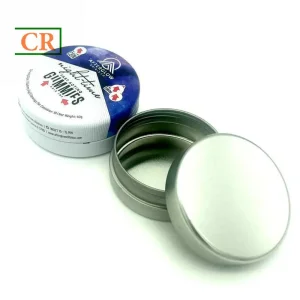
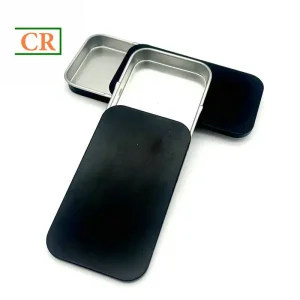
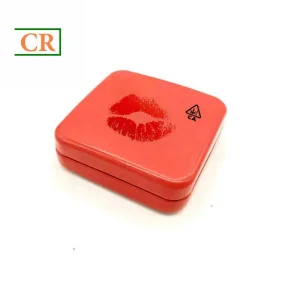
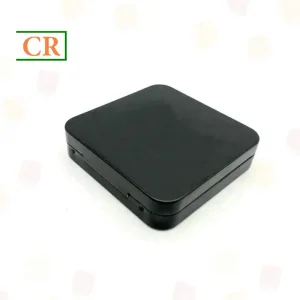
Engineered for freshness, safety, and brand differentiation in Luxembourg's premium market segments.
As the European Union intensifies its transition toward a fully circular economy, packaging standards in high-GDP markets like Luxembourg are undergoing a significant paradigm shift. The Grand Duchy of Luxembourg, characterized by its discerning consumer base, high purchasing power, and strict adherence to environmental regulations, represents a crucial hub for premium confectionery, nutraceuticals, and high-end functional mints.
This industry whitepaper explores the strategic imperative of shifting from single-use plastics to highly recyclable, structurally secure metal packaging. With a focus on ASTM certified child-resistant (CR) configurations and bespoke aesthetic printing, we analyze how global manufacturing capabilities can be seamlessly integrated to serve Luxembourg's local distribution networks, boutique chocolatiers, and pharmaceutical innovators.
By leveraging certified manufacturing partners that offer BRCGS food-grade certifications and automatic production lines, brand owners in Luxembourg can mitigate regulatory risks, optimize supply chain overheads, and establish a distinct market position characterized by security, sustainability, and luxury appeal.
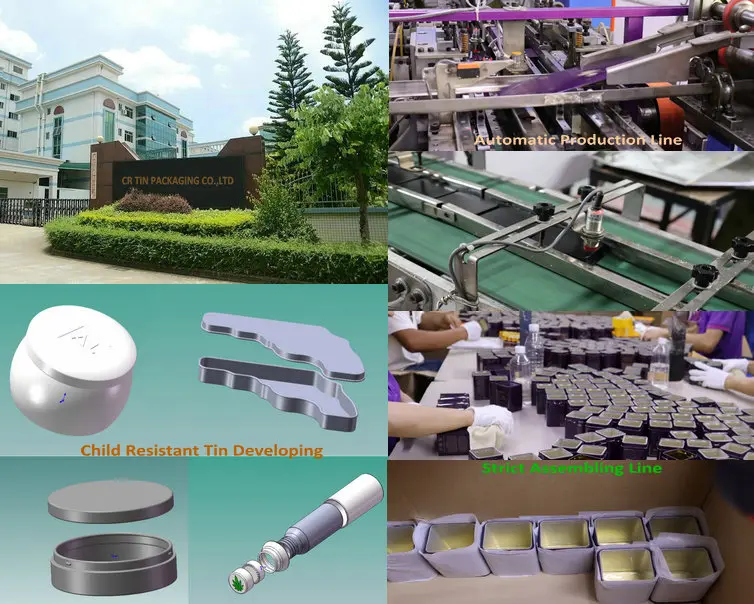
Luxembourg's local packaging sector operates under the strict guidelines of the Luxembourg National Circular Economy Strategy and the broader EU Packaging and Packaging Waste Regulation (PPWR). Consumers within the Grand Duchy show a pronounced preference for brands that actively reduce plastic waste. High-density, multi-use metal tins, composed of infinitely recyclable tinplate steel, align perfectly with this consumer sentiment.
Furthermore, Luxembourg acts as a logistical nexus within the Benelux region, bordering Belgium, Germany, and France. Premium confectionery brands situated in locations like Luxembourg City, Esch-sur-Alzette, and Echternach require reliable local supply chains capable of delivering custom-branded packaging that can withstand international transit while retaining optimal product freshness and safety parameters.
Managing a packaging supply chain in Western Europe requires a hybrid approach. While local distribution hubs in Luxembourg provide rapid just-in-time (JIT) fulfillment, global manufacturing facilities like CR Tin (Andylots Tin Box Packaging Co., Ltd) supply the heavy-duty machinery, tooling expertise, and economies of scale necessary to make premium custom designs financially viable.
By using automatic production lines, we reduce unit production costs, minimize human-error deviations, and maintain strict microbiological cleanliness standards required for direct food contact. These savings are directly passed on to Luxembourg partners, allowing them to compete with larger European multinational brands on both quality and pricing.
How we engineering superiority, regulatory safety compliance, and cost efficiency for Luxembourg's leading mint and pharmaceutical brands.
Over 70 certified CR lock configurations developed in-house. Fully compliant with US ASTM D3475 and European safety benchmarks, safeguarding active ingredients and functional botanicals.
Our rapid prototyping services provide high-fidelity 3D modeling, virtual structural analysis, and physical 3D-printed plastic samples within days to shorten validation cycles.
Continuous testing protocol covering raw sheet tinplate verification, food-contact coating integrity, drop-tests, and mechanical endurance trials checked by independent third-party laboratories.
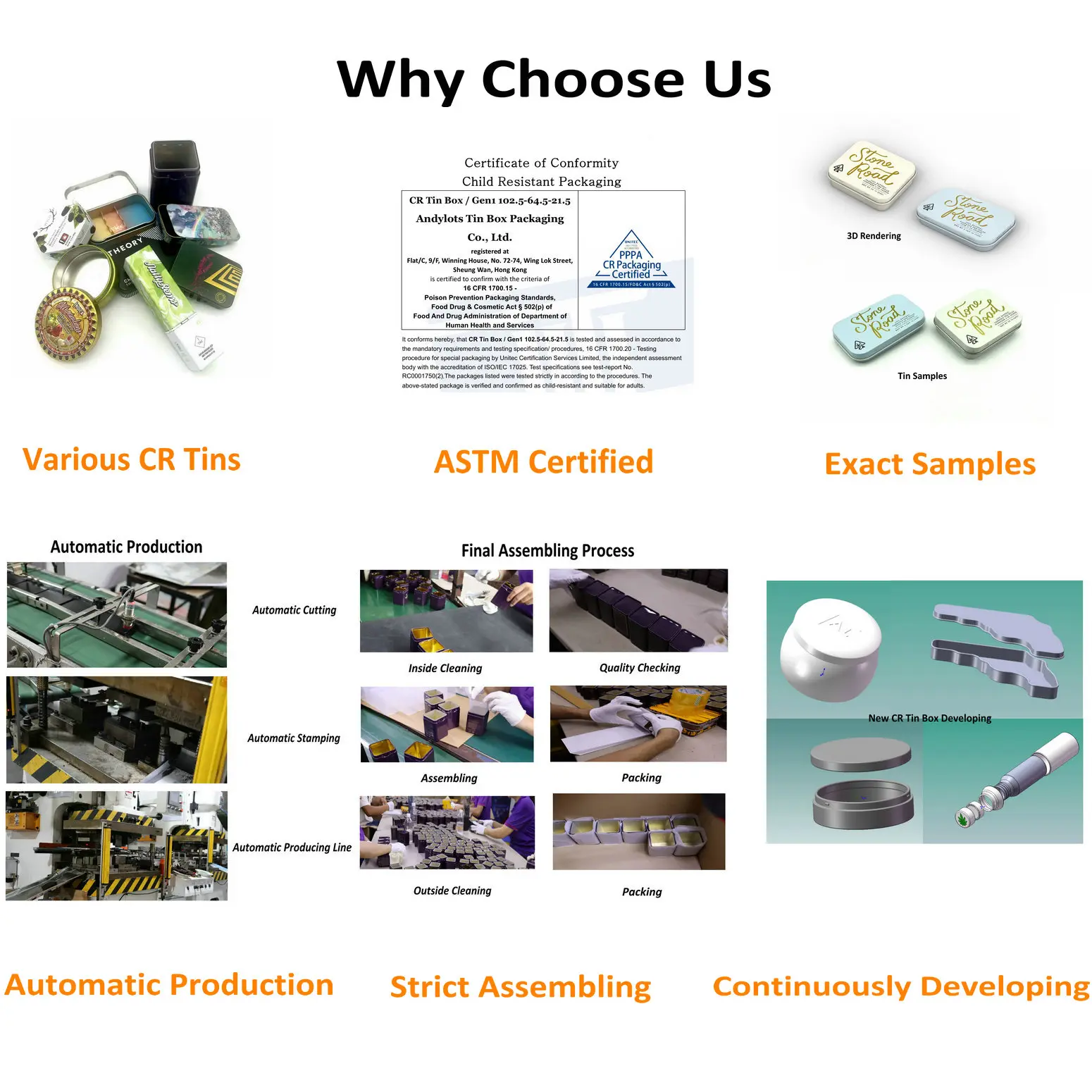
At the center of our manufacturing philosophy is the use of high-grade Electrolytic Tinplate (ETP). This material offers superior structural rigidity, shielding the inner confectionery products from environmental degradation factors such as UV radiation, atmospheric moisture, and oxygen transfer.
For functional mints containing active pharmaceuticals, herbal supplements, or sensitive botanical extractions, maintaining airtight seals is crucial. Our custom slide and hinged tin boxes can be equipped with food-grade silicone or high-barrier TPE liners. These liners guarantee compliance with EU Directive 10/2011 on plastic materials intended to come into contact with food, while ensuring the mints retain their flavor profile from the factory floor to the final consumer in Luxembourg.
Luxembourg represents a highly diversified target market with specific niches requiring custom packaging solutions:
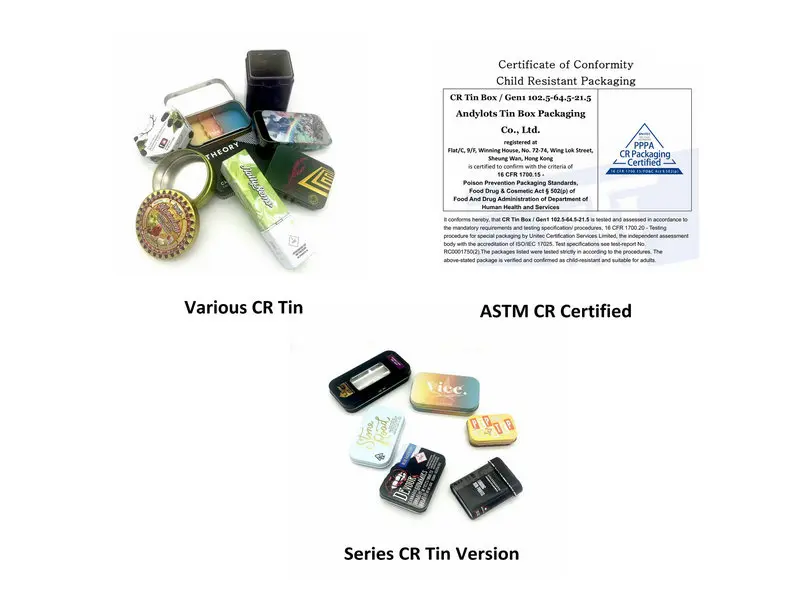
A deep look into our structural cost optimization, multi-tier quality control pipelines, and end-to-end custom design support.
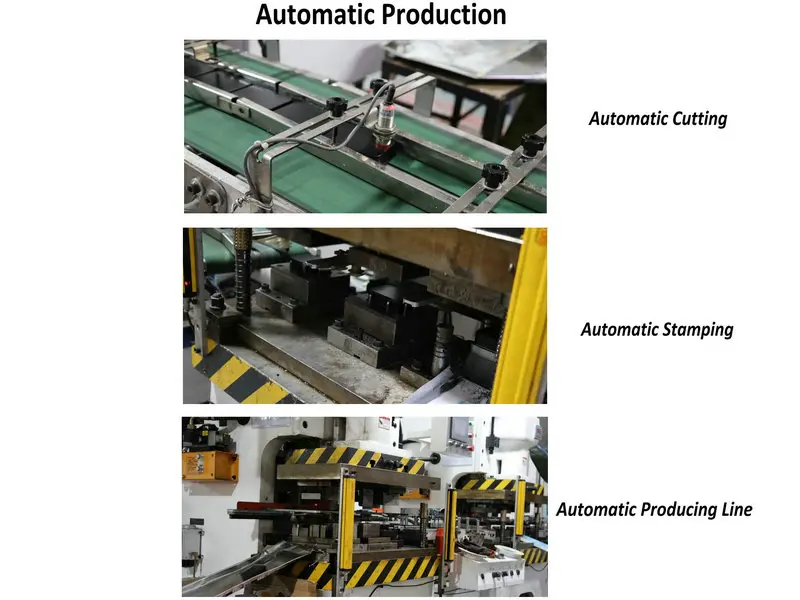
We leverage standardized internal structural components and automated production lines to minimize raw material waste and human labor costs. Our established supplier networks for custom accessories and tinplate help keep pricing highly competitive across the Benelux market.
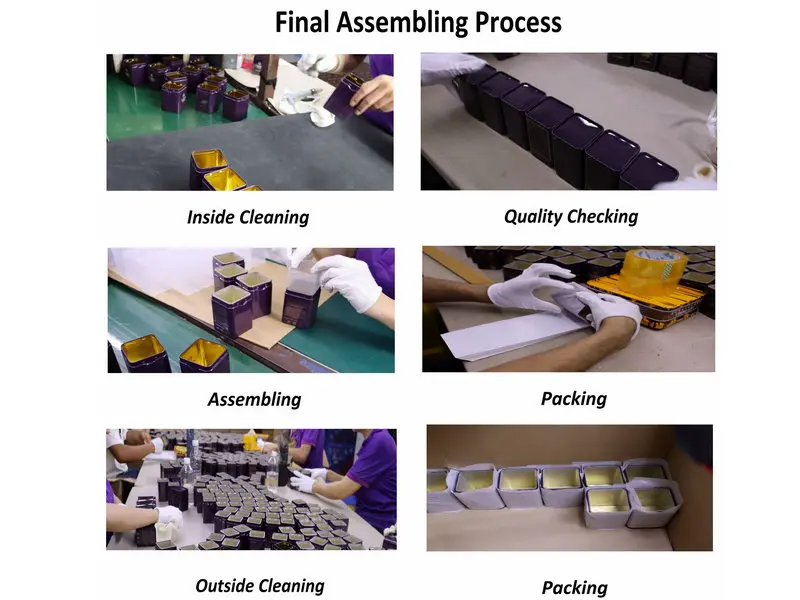
Every batch undergoes automated camera inspection for surface defects and dimensional accuracy. This is backed by offline QC teams along the assembly line, and independent third-party certification reports (including ISO and BRCGS standards) before shipment.
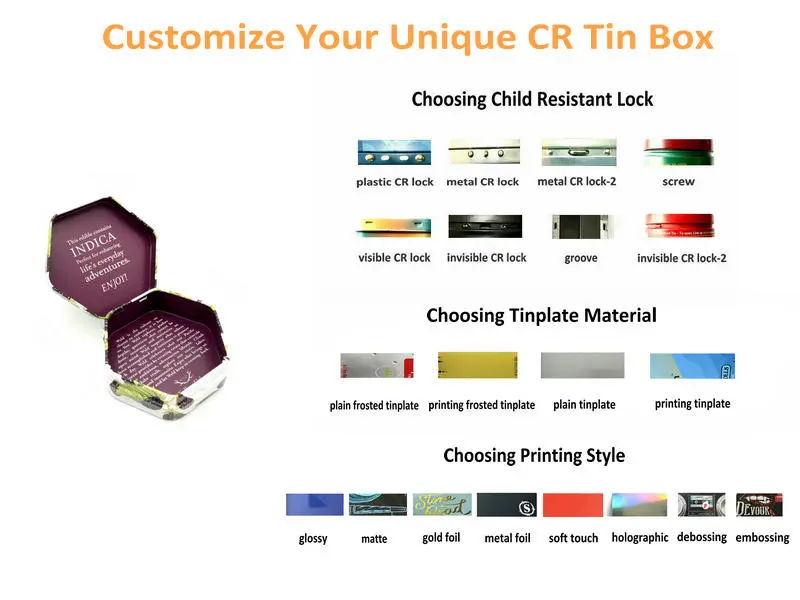
Our dedicated design team supports you from the initial concept. We offer 3D mechanical drawings, structural design adjustments, physical SLA prototypes, and full-color 3D rendering services to ensure the final product matches your brand vision.
Future-proofing Luxembourgish confectionery and wellness packaging through materials science and smart manufacturing.
To support the European Green Deal, we are partnering with steel mills utilizing hydrogen-reduction smelting processes. This significantly reduces the embodied carbon footprint of the tinplate sheets before they enter our stamping facility, helping Luxembourg brands meet scope-3 carbon reduction targets.
We are phasing out traditional epoxy-based internal lacquers in favor of water-based and bio-sourced organic coatings. These new coatings are free of BPA and other plasticizers, offering excellent barrier performance against oils and acidic flavorings while remaining fully compostable and recyclable.
Next-generation mint tins will feature high-definition laser-etched matrix codes and integrated NFC (Near Field Communication) tags hidden inside the lid. This enables direct consumer interaction, digital verification of authenticity, and seamless tracing across EU-wide logistical chains.
Developing next-generation CR lock structures that maintain strict ASTM safety ratings while significantly improving usability for elderly consumers. By combining dual-axis push points with tactile feedback, we make sure child-safety does not compromise user accessibility.
Addressing core technical, regulatory, and logistics queries for professional procurement managers in Luxembourg.
Yes. All our tinplate raw materials, internal varnishes, and production processes comply with European Union regulations, including EC No 1935/2004 and EU Directive 10/2011. We use only food-contact-approved, FDA-compliant, and BRCGS-certified coatings to ensure complete safety and flavor preservation.
We can generate custom 3D digital renderings within 2-3 days. Once the design is approved, physical SLA plastic prototypes are completed in 3-5 days. The manufacturing of the physical steel tooling molds and final metal pre-production samples takes approximately 15 to 20 days.
Absolutely. We have over 12 primary certified child-resistant structures and more than 70 distinct patent-certified designs. These have successfully passed the ASTM D3475 protocol and comply with European standard EN 862, ensuring they are resistant to child access while remaining accessible to seniors.
We offer full-service logistics support, including ocean and air freight, customs clearance, and DDP (Delivered Duty Paid) options directly to your warehouse in Luxembourg. By handling import duties and tax clearances, we make importing as simple as a local transaction.
Explore our wide selection of certified shapes, locking mechanisms, and functional designs optimized for the EU market.
 CR Tin