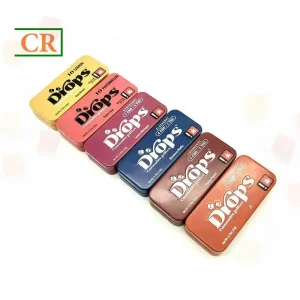
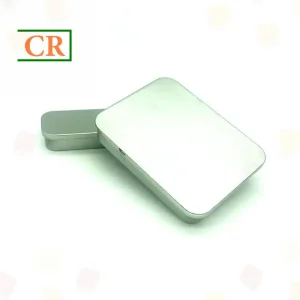
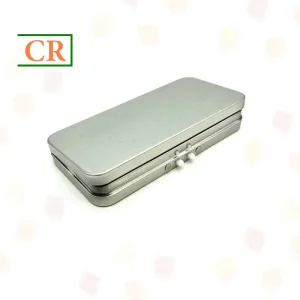
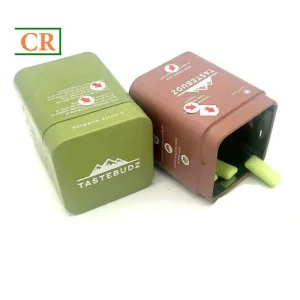
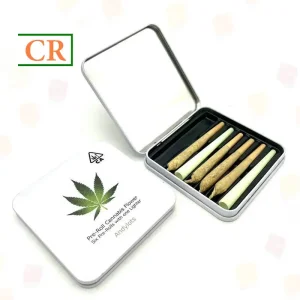
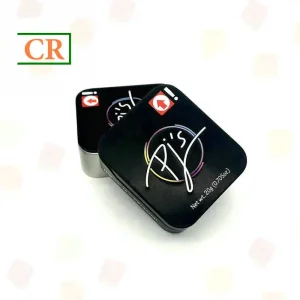
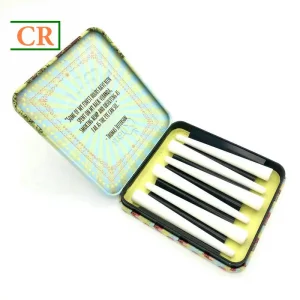
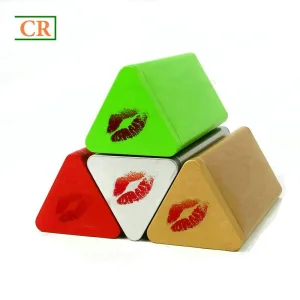
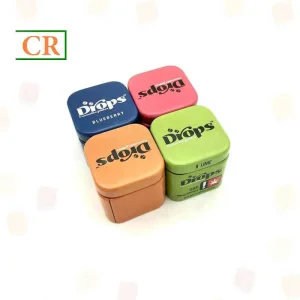
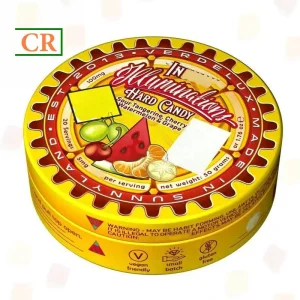
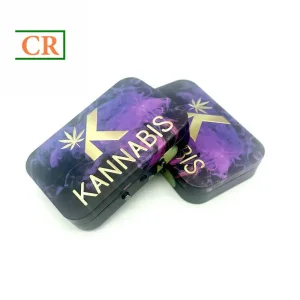
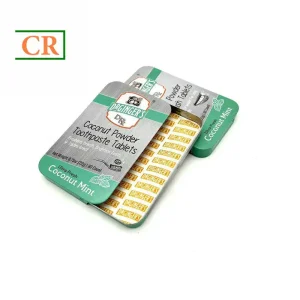
Explore our top-tier selection of child-safe metal tin boxes, engineered to meet rigorous CPSC compliance frameworks while delivering shelf-standing visual prestige.
In modern consumer packaged goods (CPG), particularly across sectors like medical pharmaceuticals, botanical extracts, vaporizers, nutraceuticals, and high-potency concentrates, packaging requirements are defined by rigorous compliance standards. Global regulatory institutions, such as the U.S. Consumer Product Safety Commission (CPSC), enforce guidelines under the Poison Prevention Packaging Act (PPPA) codified in 16 CFR Part 1700.20.
Traditional plastic containers pose challenges due to microplastic shedding and limited recyclability, leading brands to adopt metal packaging. Electrolitically coated steel (tinplate) offers a structural alternative that aligns with circular economy mandates. Crucially, a tin container must incorporate certified child-resistant (CR) closure systems. For operations and compliance officers, choosing the right packaging manufacturer goes beyond simple sourcing; it is a critical strategy for risk mitigation, brand protection, and legal compliance.
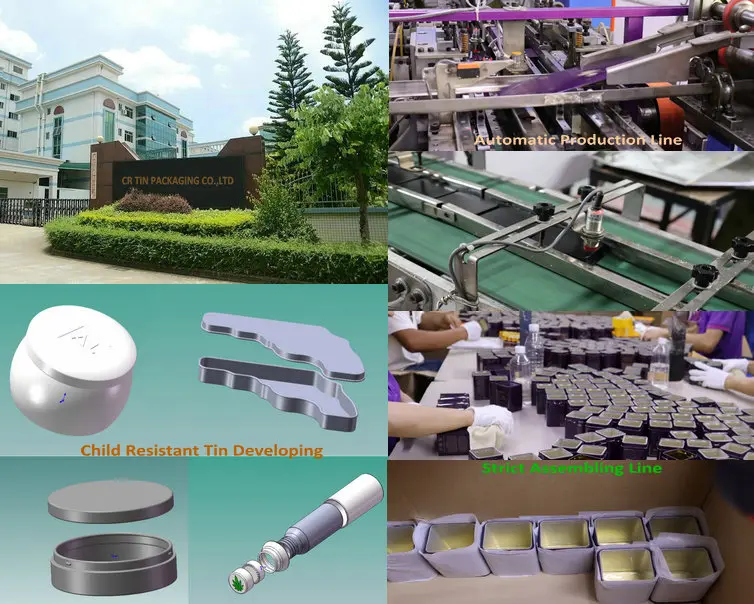
A look at Andylots' history in child-resistant mechanism research, tooling development, and compliance certification.
Established as a professional, single-source manufacturer, CR Tin (Andylots Tin Box Packaging Co.,Ltd) handles the entire child-resistant packaging lifecycle. We integrate custom locking system research, high-precision CAD modeling, 3D printing and tooling, ASTM protocol validation testing, and large-scale industrial manufacturing.
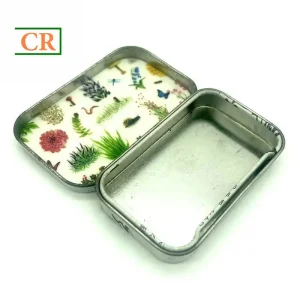
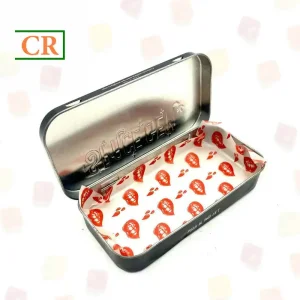
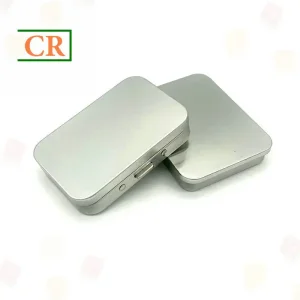
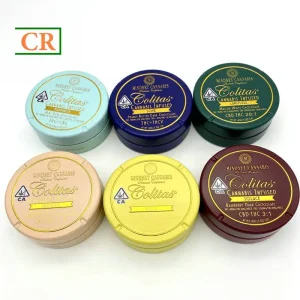
Our focus on child-resistant tin locking mechanisms began in 2017. Through nine years of research, development, and industrial scaling, CR Tin has built a system containing over 70 certified child-resistant lock tin boxes. This portfolio covers a wide range of metal packaging form factors, including rectangular slide tins, round screw lids, and multi-button hinged configurations.
Child-resistant packaging uses physical barriers to restrict access based on human motor skills and cognitive abilities. Below are the key mechanical principles used in CR Tin structures.
Requires two distinct physical directions of force simultaneously (e.g., "Press Down and Turn" or "Squeeze and Pull"). This requires a level of cognitive and physical coordination that children under 5 generally have not yet developed.
Uses the natural elasticity of metal tinplate. Integrated spring latches force users to apply direct physical force to release a catch mechanism before sliding or tilting open the packaging, preventing accidental openings.
Uses hidden release points to make opening mechanisms less obvious. By integrating buttons flush with the tin borders, the opening mechanism remains hidden from young children while keeping operation simple for adults.
Child-resistant packaging requirements vary by product category. Below is an overview of how these solutions are applied across different industries.
Regulatory frameworks in many countries require opaque, child-resistant, and resealable packaging for cannabis products, including dry flower, pre-rolls, gummies, and vape cartridges.
Traditional blister packs can sometimes be punctured or torn by children. Rigid tin packaging provides a durable structural barrier that protects high-potency supplements, prescription drugs, and unit-dose tablets.
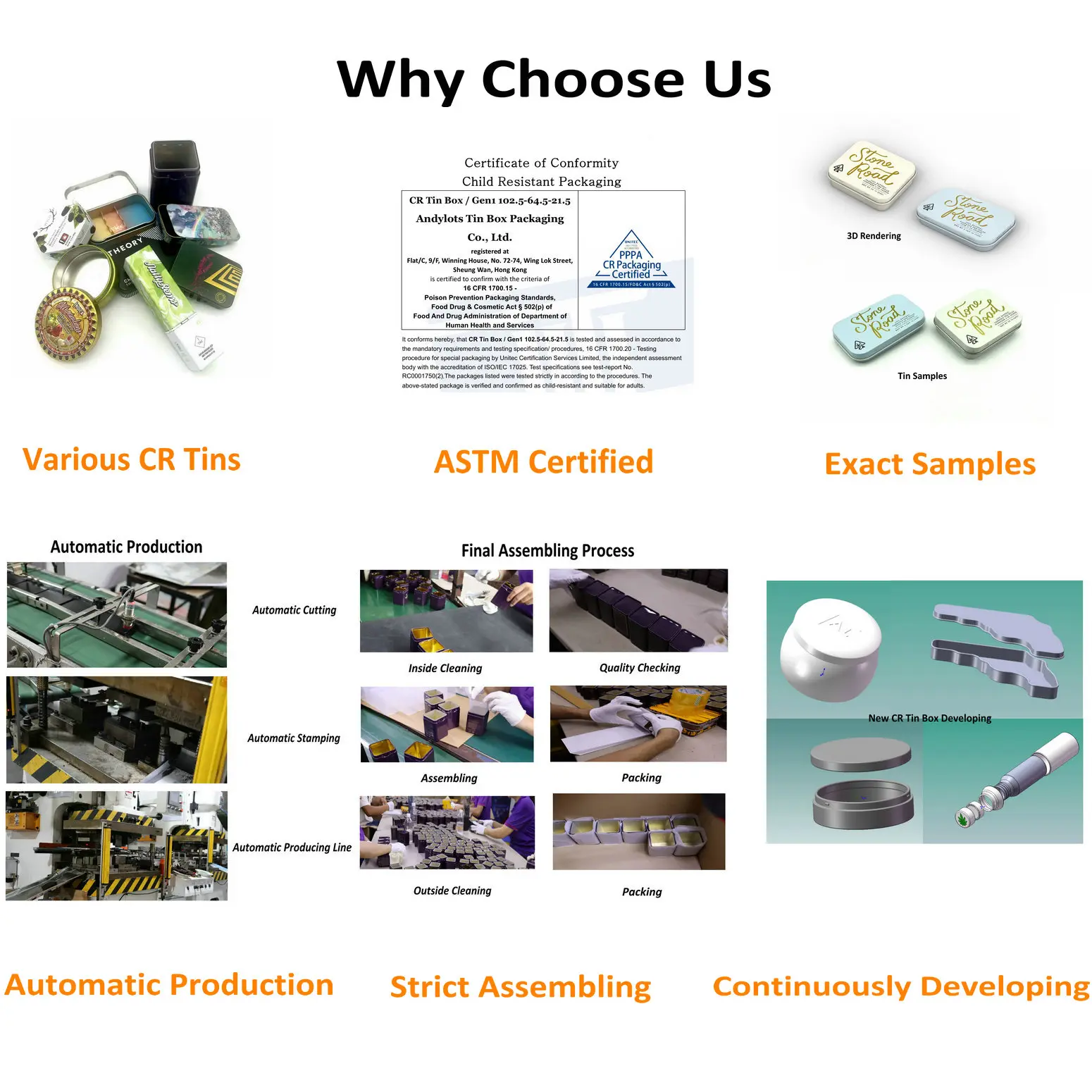
Andylots manages manufacturing costs and maintains quality consistency through modern industrial production processes at our manufacturing centers in China.
By utilizing high-speed progressive metal stamping dies, precision robotics, and automated sensor assembly, we reduce manual operations. This helps maintain consistent alignment tolerances for our child-resistant locking features.
Our supply chain utilizes direct partnerships with large steel rolling mills, providing access to consistent-gauge electrolytic tinplate. This raw material quality helps ensure consistent spring performance in our child-resistant push tabs, slide gates, and hinges.
Developing the next generation of child-resistant packaging solutions for sustainable, connected global supply chains.
Traditional metal boxes often require separate plastic frames to secure the child-resistant mechanism. We are developing all-metal, mono-material designs that eliminate plastic components, simplifying recycling processes.
We are transitioning away from petroleum-based varnishes to food-safe, bio-sourced, organic interior coatings. These coatings provide chemical resistance and protect product purity without using Bisphenol-A (BPA).
We are researching the integration of NFC tags and QR codes directly into our child-resistant tin designs. This enables digital product verification, dosage tracking, and access to interactive educational safety guides.
For child-resistant packaging, consistency is a key safety requirement. We implement quality control protocols at every stage of the production cycle to verify compliance.
CR Tin's quality control program follows three main phases:
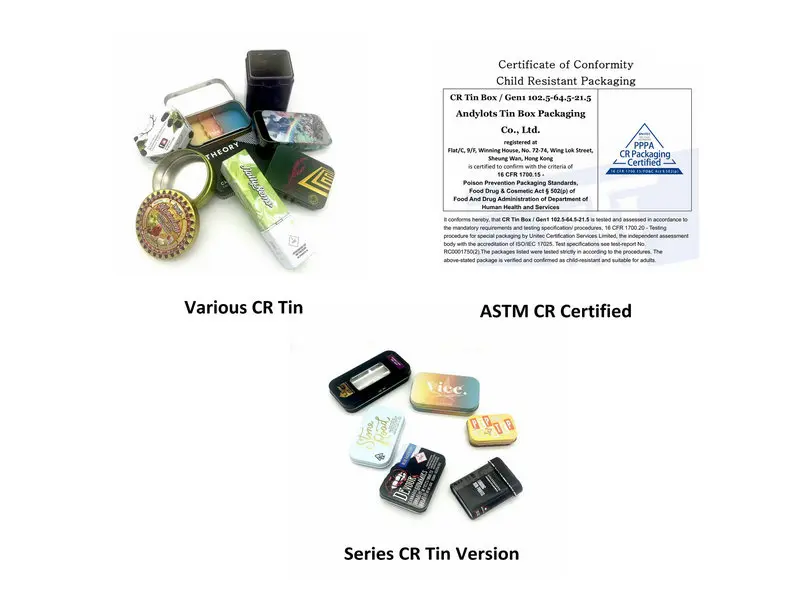
A guide for supply chain directors, sourcing managers, and packaging engineers evaluating child-resistant tin packaging suppliers.
Confirm that the supplier can provide complete, third-party compliance dossiers for the specific child-resistant packaging design.
Verify the supplier's engineering resources and tooling capacity to handle custom designs and production runs.
Confirm that the factory follows international manufacturing standards and ethical business practices.
Answers to common technical, regulatory, and production questions regarding child-resistant tin packaging.
Select from our range of child-resistant packaging options, including slide-box configurations, screw-top designs, and button-locking closures.
 CR Tin