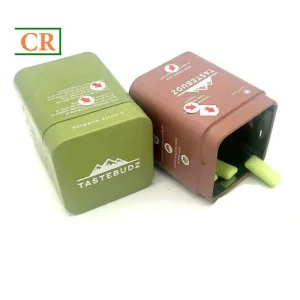
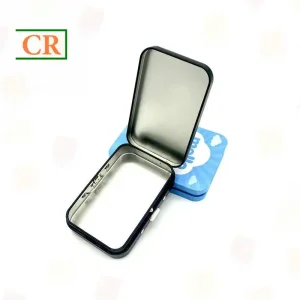
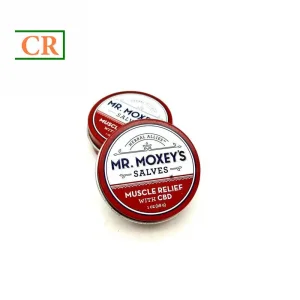
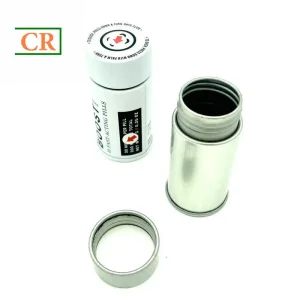
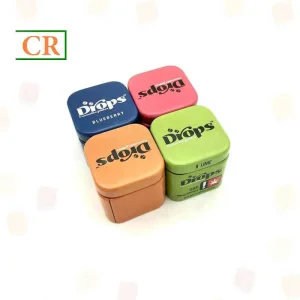
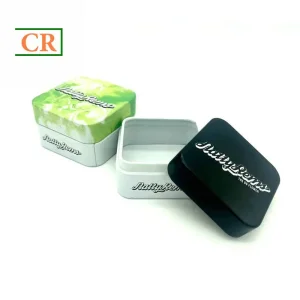
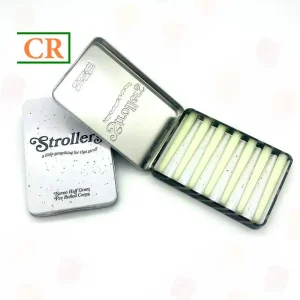
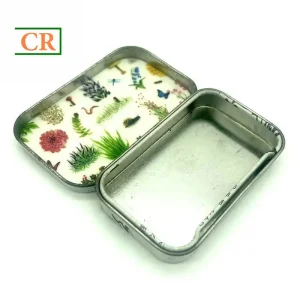
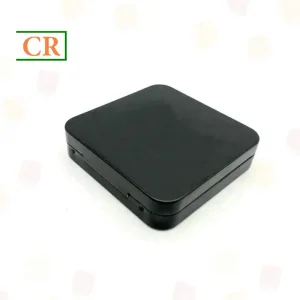
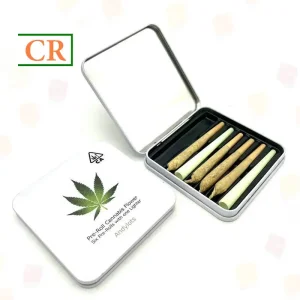
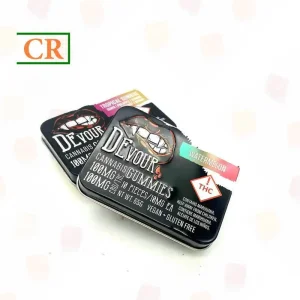
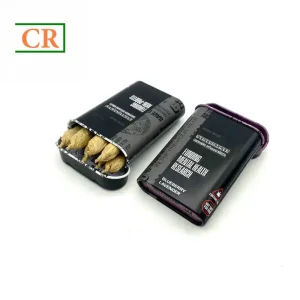
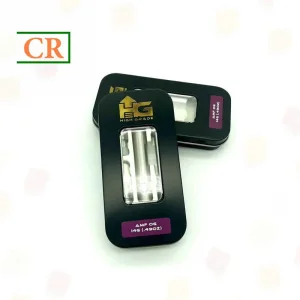
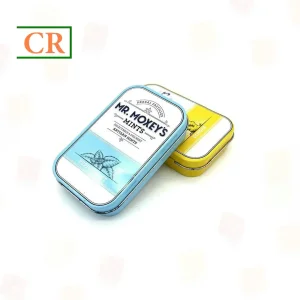
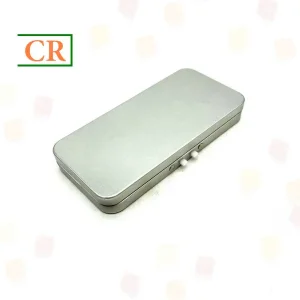
Explore our certified ASTM & CPSC metal packaging designs built specifically for compliance, safety, and brand aesthetics.
Pioneering CR R&D
Certified Tin Designs
Automated Systems
Design to Certification
The global storage and stash packaging landscape has transitioned from basic utility storage to highly structured, child-resistant (CR), and eco-conscious branding statements. Driven by rigid international regulatory environments—particularly FDA compliance, CPSC guidelines, and ASTM standards in North America and Western Europe—global enterprise buyers now view the procurement of metal tins as a core operational risk vector. Partnering with certified custom stash factories is no longer just about volume discounts; it is a critical strategy for ensuring product longevity, regulatory immunity, and distinct brand differentiation.
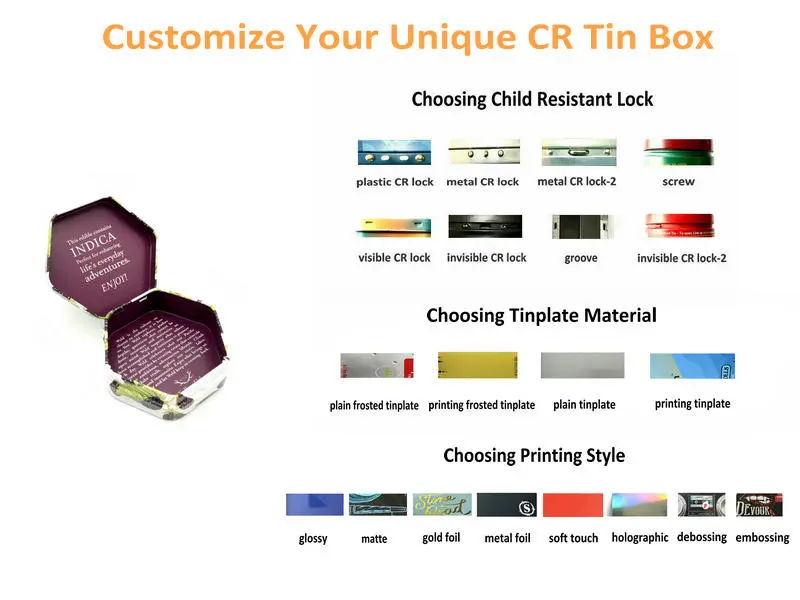
At CR Tin (Andylots Tin Box Packaging Co.,Ltd), we recognize the challenges modern FMCG, confectionery, pharmaceutical, and botanical brands face when securing sustainable metal packaging. Since our founding in 2017—underpinned by deep R&D roots tracking back to 2016—our focus has remained clear: bridging the gap between child safety mechanics and premium structural design. Our comprehensive certified child-resistant lock system covers virtually every style requirement in the market, eliminating long design bottlenecks and costly legal exposure.
"The future of premium stash storage belongs to metal. As global regulatory bodies tighten plastic policies, electrolytic tinplate (ETP) offers infinite recyclability without structural compromise."
Enterprise sourcing executives are faced with a dual challenge: complying with global packaging regulations while elevating the unboxing experience. Traditional packaging options like PET, acrylic, and single-use flexible plastics face significant friction. They are vulnerable to state-mandated plastic taxation, ban extensions, and are poorly suited for high-end markets. In contrast, custom metal stash tins represent a permanent, food-grade storage solution that communicates luxury and authority.
Under US federal guidelines (16 CFR Part 1700), packaging for sensitive products must prevent entry by children under 5 years of age while allowing easy accessibility for seniors. Developing a custom metal tin that achieves these opposing goals requires specialized tooling and mechanical precision. Our in-house design team specializes in the engineering of push-button mechanisms, squeeze-and-lift tabs, and multi-locking tracks that hold full ASTM D3475 certification. This ensures your custom packaging enters the market without regulatory friction or customs delays.
A major focus of custom stash research is the preservation of volatile compound profiles in organic products and functional foods. Traditional metal packaging can suffer from micro-gaps at the seams. To solve this, we engineer airtight tin models that utilize specialized, food-safe silicone gaskets or double-walled lining systems. By blocking oxygen ingress and preventing odor leaks, our custom tins preserve product shelf life and ensure consumer privacy.
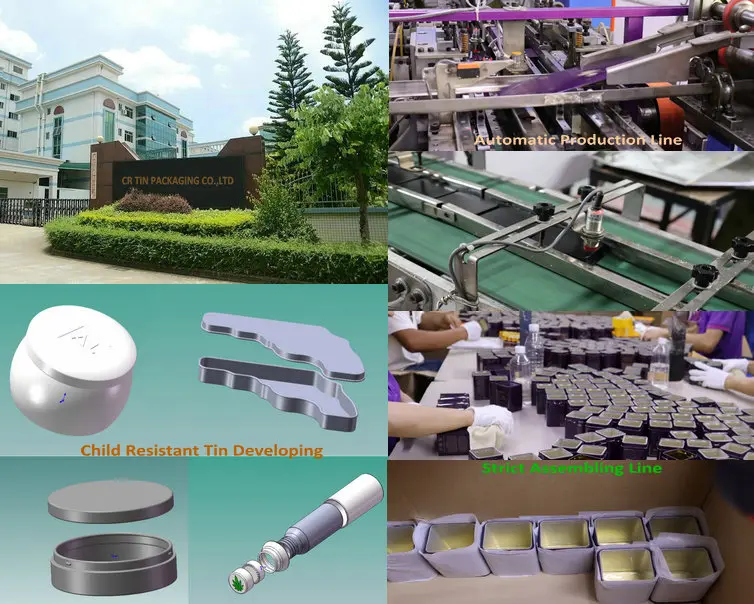
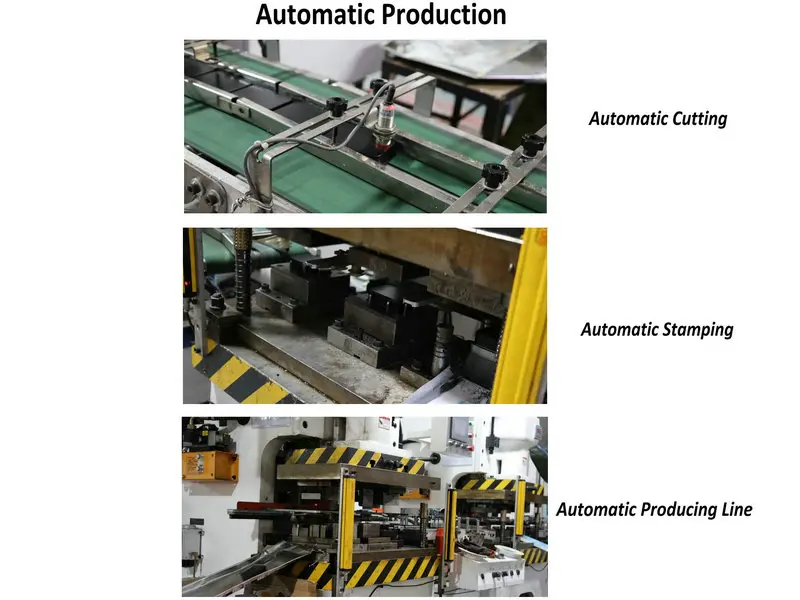
The phrase "Made in China" has evolved. In modern tin production, this translates to automated assembly, precision robotic tooling, and strict quality control systems. By combining advanced manufacturing systems with deep raw material supply networks, our facilities deliver high-precision engineering at a competitive scale. Our 8+ automated production lines optimize the molding, stamping, printing, and assembly processes, mitigating manual error risks while maximizing throughput.
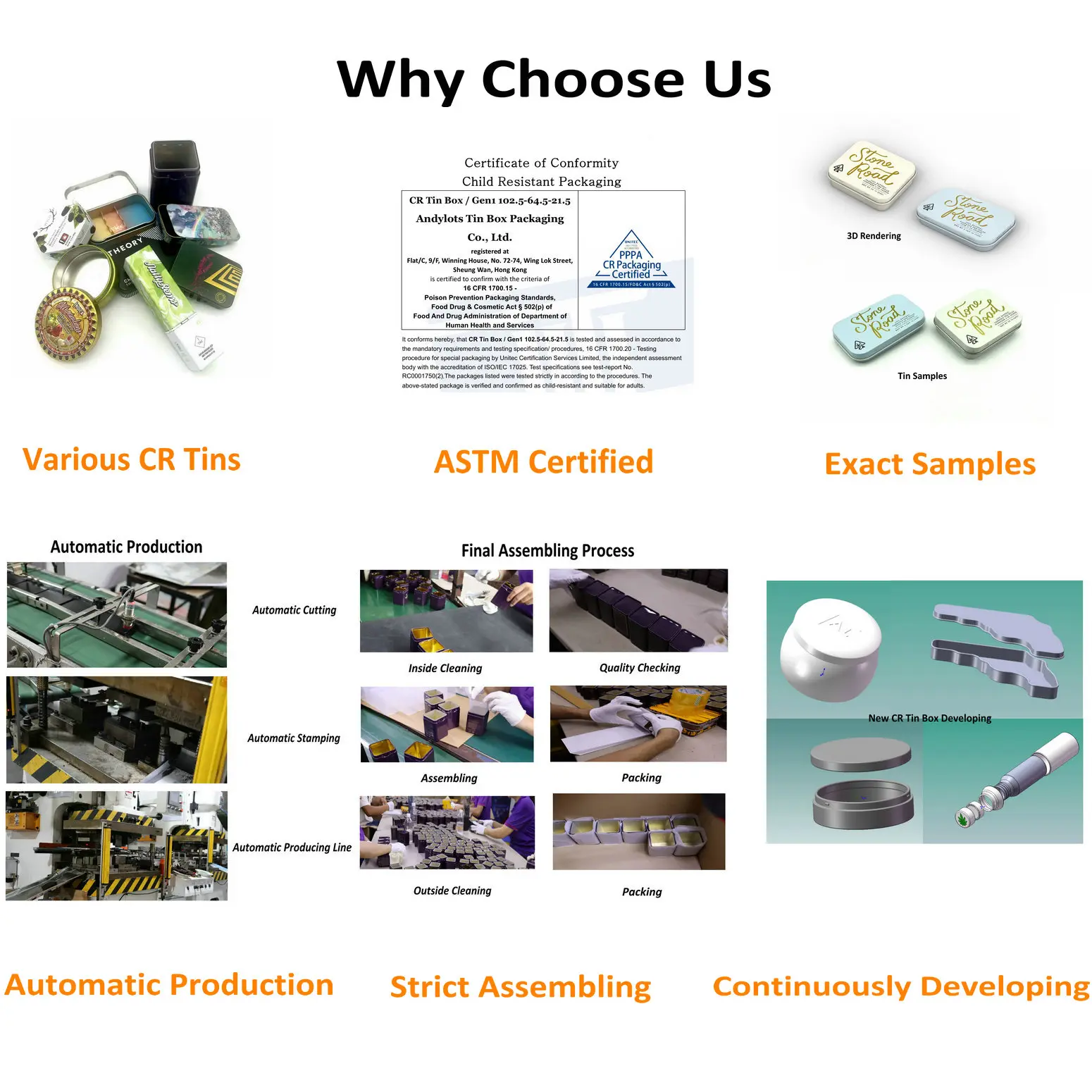
Our operation is designed around four key stages: structural engineering, cost control, quality assurance, and bespoke customization.
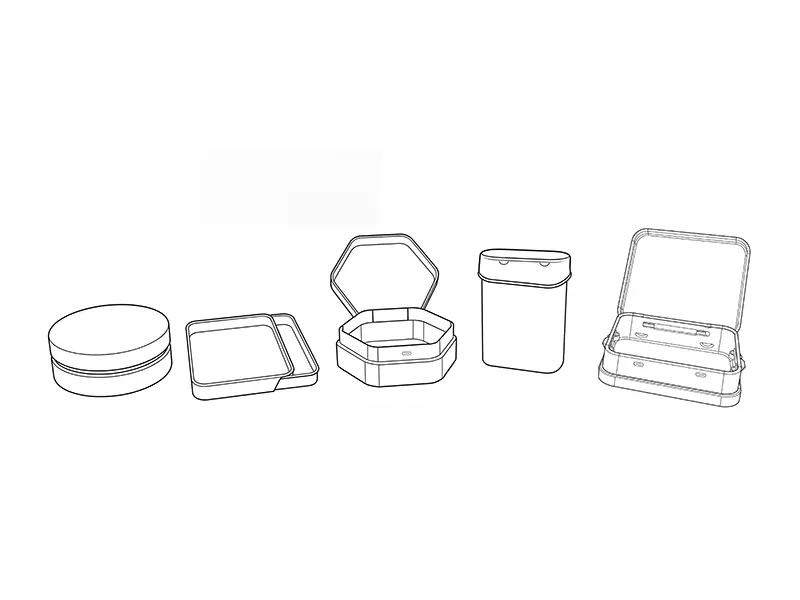
Over 12 proprietary certified structures built for direct market entry, fully compliant with international safety norms and ASTM standards.
Smart tooling configurations, automated stamping lines, and direct raw material sourcing keep cost structures highly competitive.
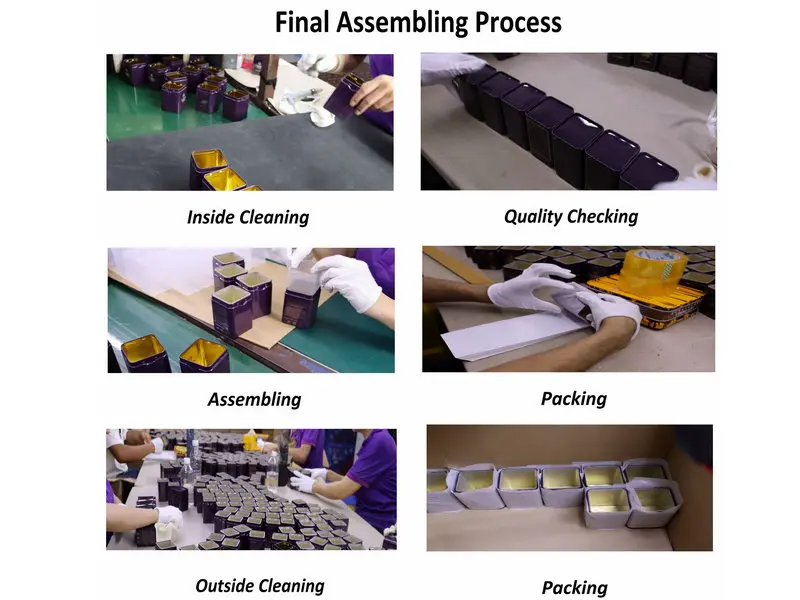
We deploy strict raw material analysis, automated in-line checks, and independent third-party audits to guarantee product safety.
Bespoke custom sizes, 3D digital renderings, structural modeling, and rapid physical samples completed in 30 days.
One of the primary roadblocks in B2B packaging sourcing is long lead times for new tooling development. Typically, custom packaging development can take anywhere from six months to a year. We address this bottleneck with a streamlined, vertically integrated design-to-production pathway that compresses the entire cycle into 30 days.
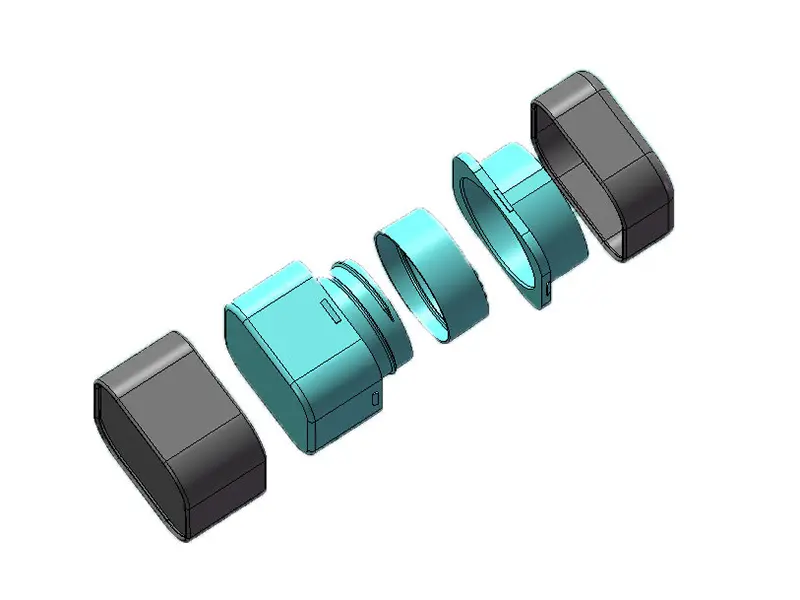
Our workflow begins with precision structural modeling. Using CAD files, our engineering team defines the physical parameters of the child-resistant lock system to ensure smooth operation. We then produce 3D rendered models for visual validation, followed by 3D-printed plastic prototypes for initial mechanical testing.
Once approved, we proceed with pilot tooling to stamp initial tinplate samples. These pre-production units are subjected to formal ASTM validation protocols to verify child resistance and senior-friendly ease-of-use before mass production tooling begins. This organized approach minimizes mechanical failures and protects your initial design investments.
Different product markets demand specialized physical features. The requirements for a high-end confectioner differ significantly from those of a pharmaceutical distributor or wellness brand. Here is how we customize our metal packaging configurations for different target markets:
Edibles require robust child safety barriers and airtight seals to maintain freshness and texture. Custom tins designed with food-grade silicone liners provide airtight barriers that lock in moisture and flavor. Flat square and rectangular tins are easily stackable, maximizing transport density and retail shelf space.
Brands targeting premium retail and travel markets require sleek pocket-sized packaging. Small round, child-resistant slide-top tins or push-button flip tins offer a premium metallic feel while fitting easily into bags or pockets. The packaging acts as a functional accessory that consumers continue to use long after the product is gone.
Concentrates and extracts require packaging that accommodates inner glass or ceramic jars. Our specialized custom tin cubes act as secondary protective packaging, meeting strict child-safety compliance while providing a clean canvas for brand graphics and instructions.
Our quality control system operates on strict B2B safety guidelines. We maintain trace logs for our raw metal material sheets, verifying chemical composition, food-contact safety, and uniform coating thicknesses. Our QC procedures include:
Here are detailed answers to key technical questions commonly asked by procurement managers and product packaging engineers.
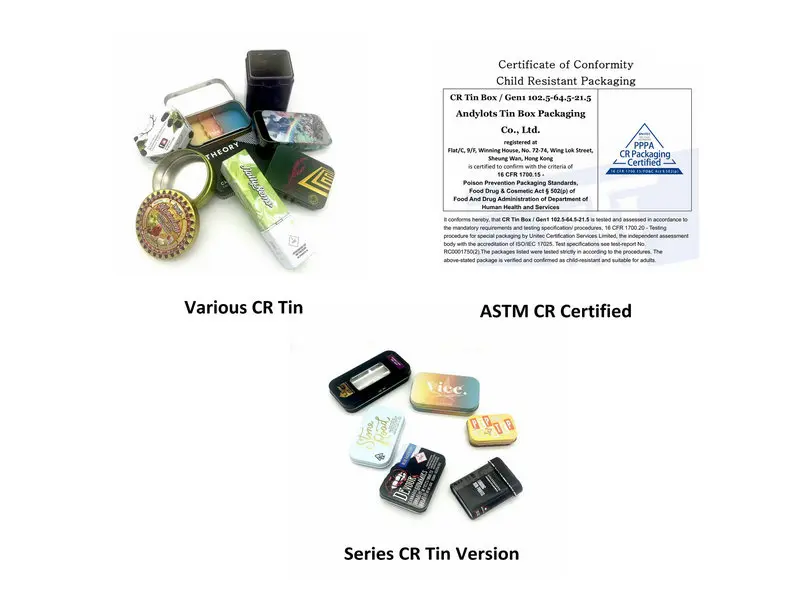
Our designs are tested and certified to comply with the ASTM D3475 and 16 CFR Part 1700.20 standards. These tests evaluate child-resistance using standardized panels of children (under 5 years) and seniors (50 to 70 years) to ensure safety and usability. We provide full testing certification documents to simplify regulatory approvals for your brand.
We complete new projects within a 30-day development window. This includes structural design and engineering in 3–5 days, 3D physical modeling in 3 days, tooling fabrication in 12–15 days, and pre-production ASTM verification within 7 days. This integrated approach saves brands weeks compared to traditional tooling methods.
We manage costs by using structurally efficient lock designs, automated stamping machinery, and direct local sourcing for raw metals. These strategies reduce manufacturing labor costs and minimize material waste, keeping unit prices competitive even for complex child-resistant designs.
Yes, all our tins are made from 100% recyclable tinplate steel. We coat our metal with FDA-approved, food-contact safe lacquers that prevent oxidation and protect the product. These coatings are free of BPA, phthalates, and heavy metals, meeting strict health and safety standards.
Yes, we offer a range of finishes, including matte, gloss, satin, and metallic colors. We can customize your tins with precision 3D embossing or debossing, tactile textures, and spot-UV varnishes to elevate shelf presence and reinforce branding.
For airtight models, we integrate precision-molded silicone or rubber gaskets into the lid. We verify seal integrity with vacuum chambers and leak detection tests, ensuring the tin effectively locks in freshness and controls odors.
For standard shapes with custom printing, our MOQ is typically 10,000 units. For fully customized shapes requiring new tooling, the MOQ starts at 20,000 units. Smaller pre-shipment runs are available for marketing tests and initial product evaluations.
We offer flexible shipping terms including FOB, CIF, DDU, and DDP to main ports and warehouses worldwide. We pack our tins with protective dividers and heavy-duty, humidity-resistant export cartons to prevent shipping damage and rust.
Explore our additional custom sizes, lock styles, and specialized tin shapes designed for B2B applications.
 CR Tin