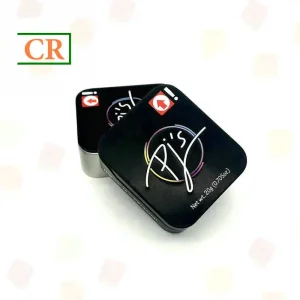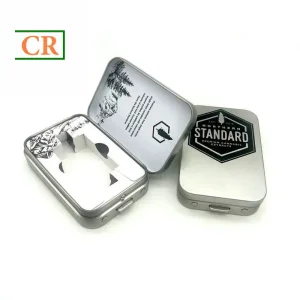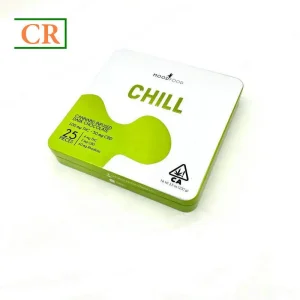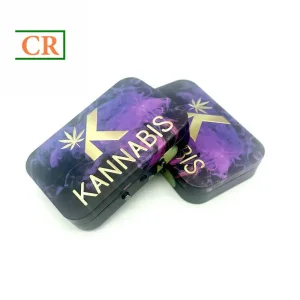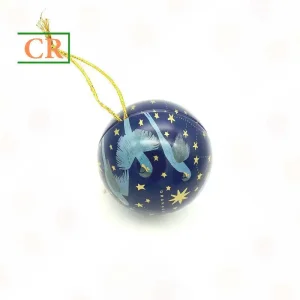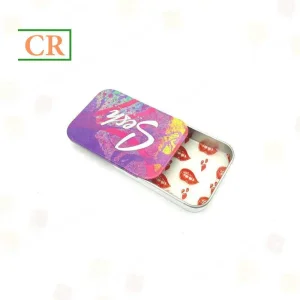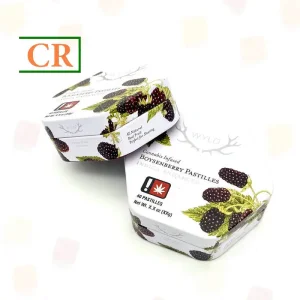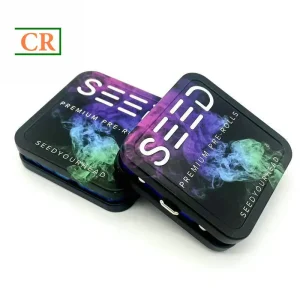
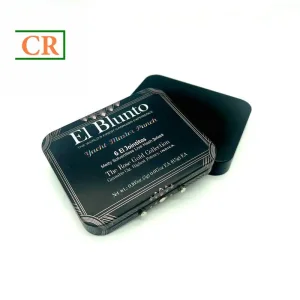
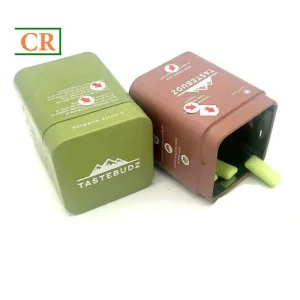
In the current global consumer landscape, packaging is no longer merely a container; it is a vital pillar of compliance, shelf longevity, brand equity, and environmental accountability. As regulatory bodies across North America and Europe tighten restrictions on single-use plastics, and consumer advocacy for circular materials reaches historic levels, Custom Tin Container Packaging has emerged as the premier structural medium.
Unlike plastics, which degrade through downcycling, tinplate (electrolytic tin-coated steel) remains infinitely recyclable without any loss of physical properties. The metal is highly magnetic, allowing Municipal Solid Waste (MSW) facilities to separate it easily from refuse streams using magnetic belts, resulting in an exceptionally high recovery rate. Furthermore, the inherent rigidity, light barrier properties, and gas permeability barriers of custom metal packaging protect volatile active compounds—such as essential oils, botanical formulations, and food-grade ingredients—from premature photo-degradation and ambient oxidation.
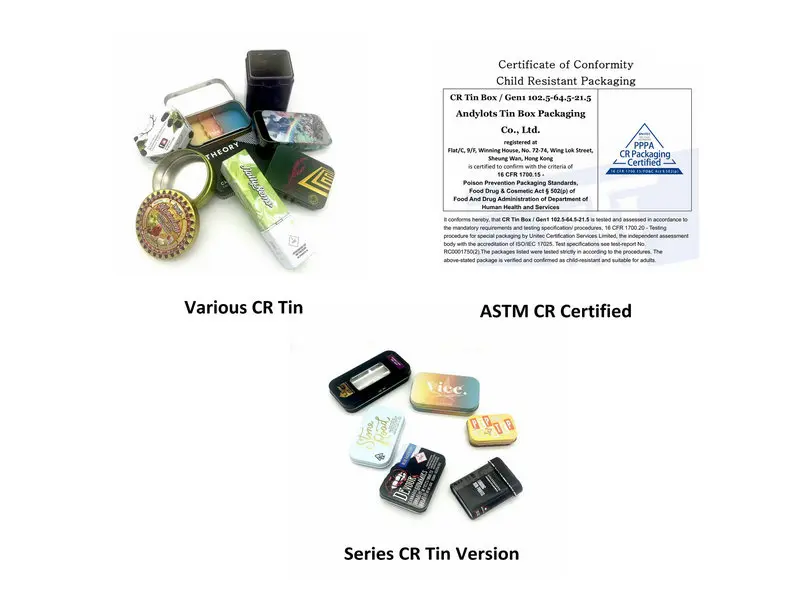
At the heart of this material transition is the critical requirement for child safety. Under US regulations (such as 16 CFR § 1700.20 and ASTM guidelines), industries distributing high-potency formulations, cosmetics, confections, and specialized chemicals must implement certified Child-Resistant (CR) mechanisms. Custom metal tinbox solutions perfectly balance child prevention and adult convenience.
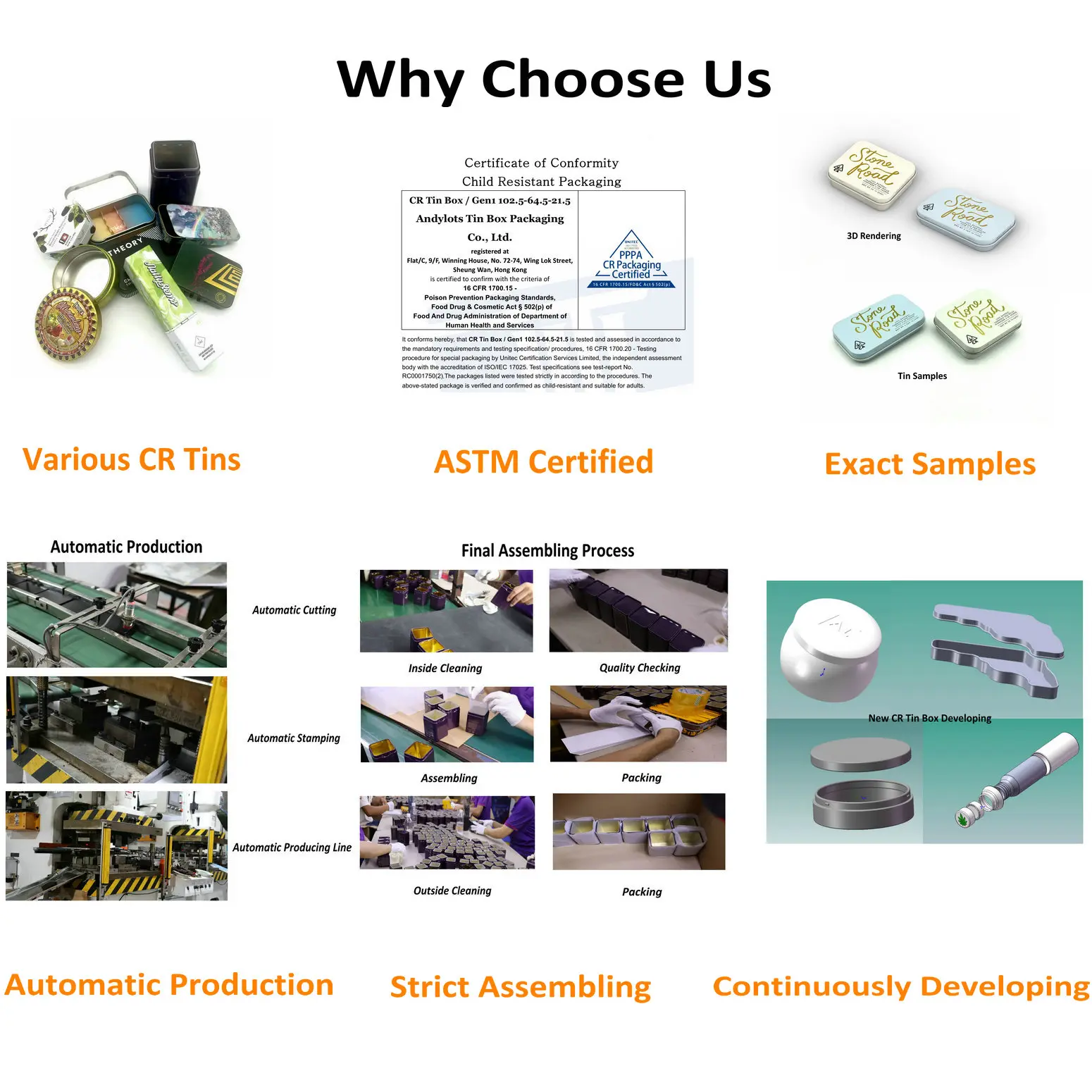
CR Tin (Andylots Tin Box Packaging Co.,Ltd) is a streamlined, single-source professional supplier of child-resistant tin boxes. We fully integrate child-resistant lock design, precision mold making, custom prototyping, certified lab testing, and large-scale industrial mass production.
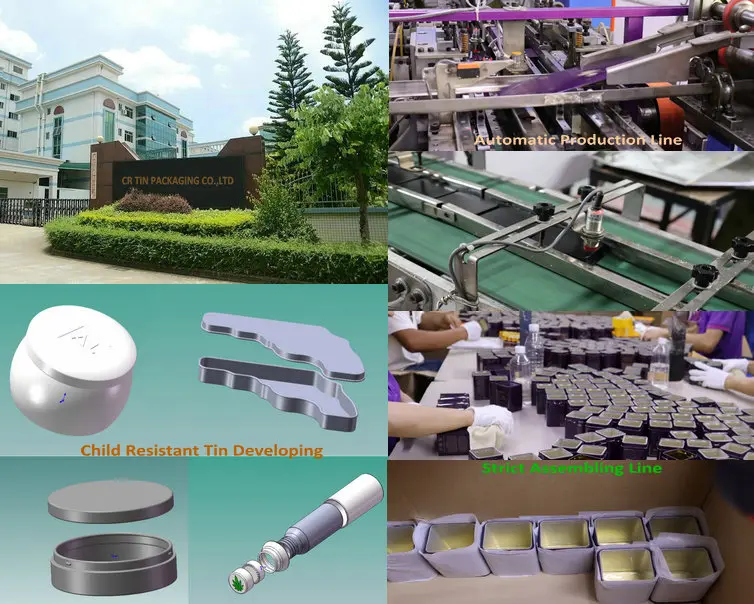
CR Tin initiated dedicated research and development of specialized child-resistant lock tin boxes in 2016/2017. Over nine years of deep technical pioneering and continuous iteration, we have engineered and certified over 70 distinct child-resistant tin configurations. Our portfolio covers nearly all key custom tin shapes, structures, and closing formats within the packaging industry, allowing us to build a unique, proprietary child-resistant locking system.
Our facilities deploy cutting-edge, high-speed automated production lines alongside a highly skilled QA engineering team. By utilizing premium Grade-A tinplate sheet materials, and applying food-contact safe lacquers (BPA-Free, epoxy-phenolic, and organosol-based coatings), we ensure compliance with international FDA, EFSA, and Health Canada directives.
Global jurisdictions continue to enforce child-safety guidelines. Companies must transition their high-potency products from standard cartons or flexible polybags to rigid containers that pass rigorous protocol testing under ISO 8317 and US 16 CFR 1700.20 standards.
Fortune 500 consumer brands are committed to eliminating plastic packaging. Standard PET and complex multi-layered plastics are increasingly penalized via plastic taxes. Tinplate is widely recognized as a primary champion of circular resource design.
Modern containers must support digital tracing. The flat, printable surface of tinplate allows for high-definition laser-etched QR codes, Near-Field Communication (NFC) chip embedding, and anti-counterfeiting UV watermarks.
To ensure total reliability when sourcing bulk tin containers, CR Tin implements rigorous protocols spanning design validation, manufacturing automation, and testing verification.
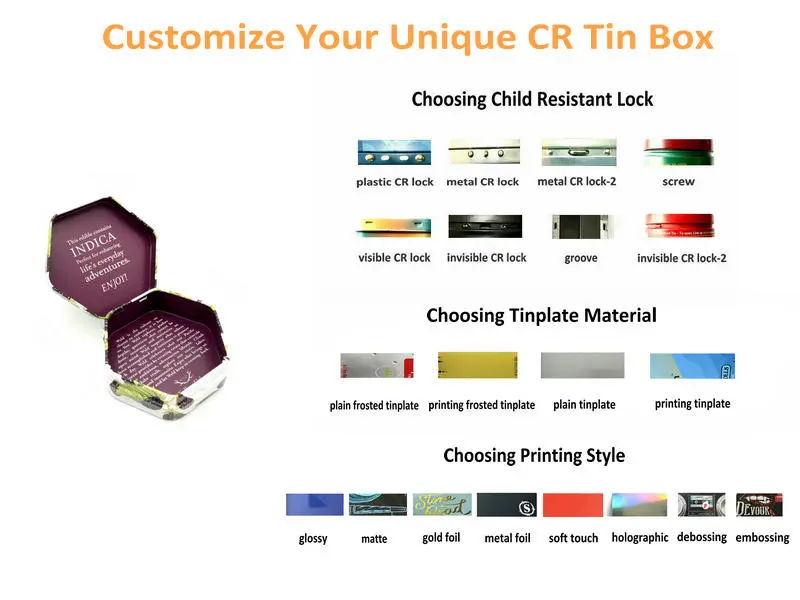
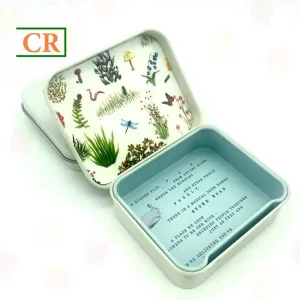
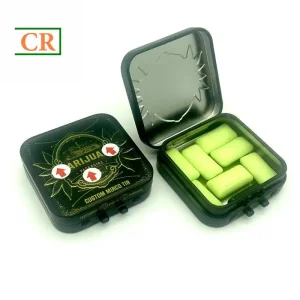
We offer more than 12 proprietary certified CR structures. Brands can choose from side-squeeze slides, push-button lids, two-button locks, or custom child-resistant tin designs, allowing for fast-to-market deployments without expensive new tooling phases.
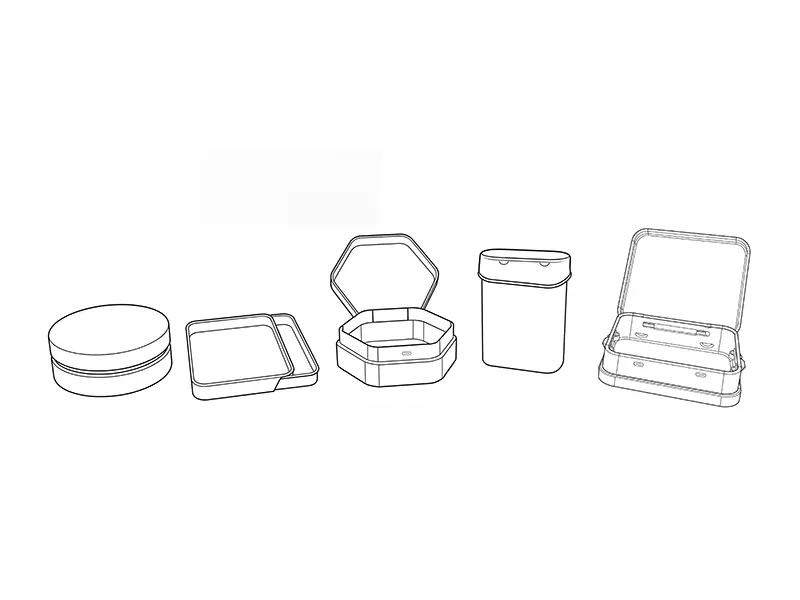
Our design studio delivers complimentary engineering drawings, structural optimizations, 3D renderings, and functional 3D-printed plastic mockups. This reduces prototyping times and minimizes fitment errors before cutting physical steel tooling.
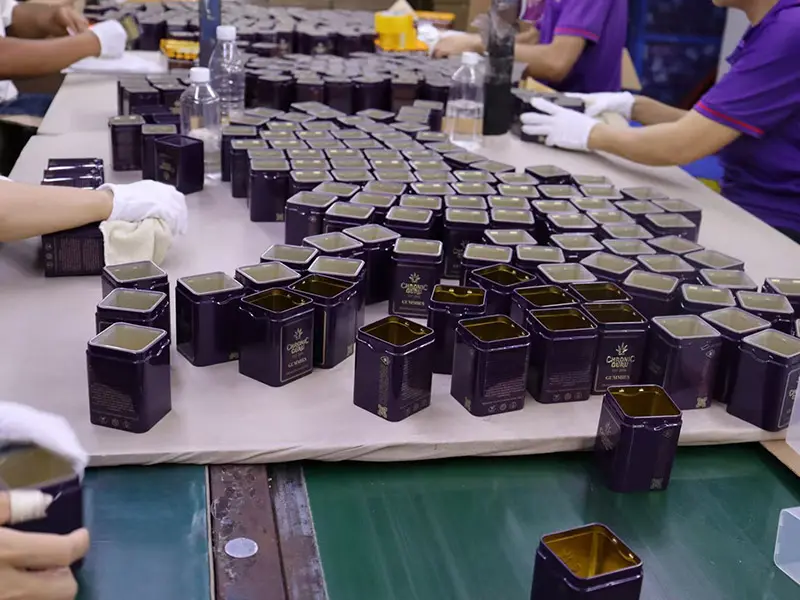
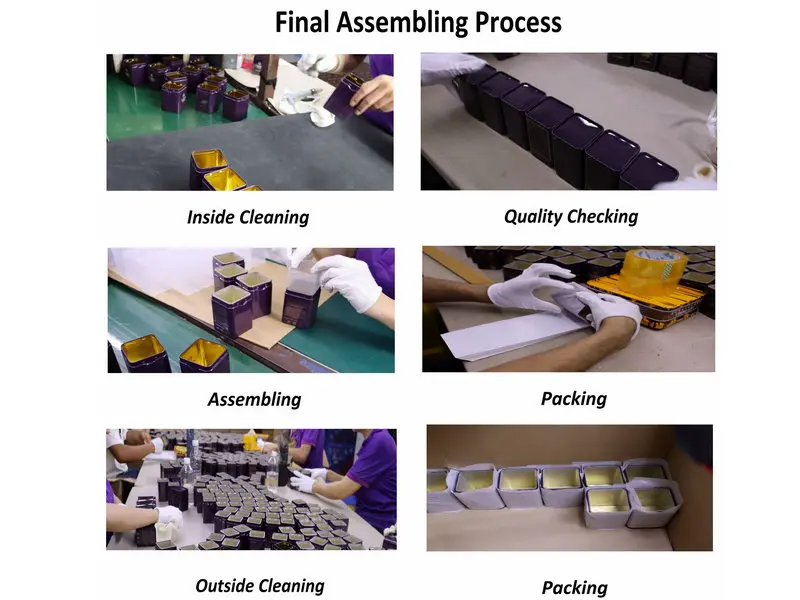
Utilizing automated stamping systems, computerized visual defect inspection, and dedicated manual assembly line QA, we maintain consistent tension on the locks, clean hems, and smooth curlings. Third-party inspections from SGS/Intertek are welcomed.
Maximizing cost efficiency without sacrificing child safety requires a rigorous supply chain framework. Below is a breakdown of our technical control points.
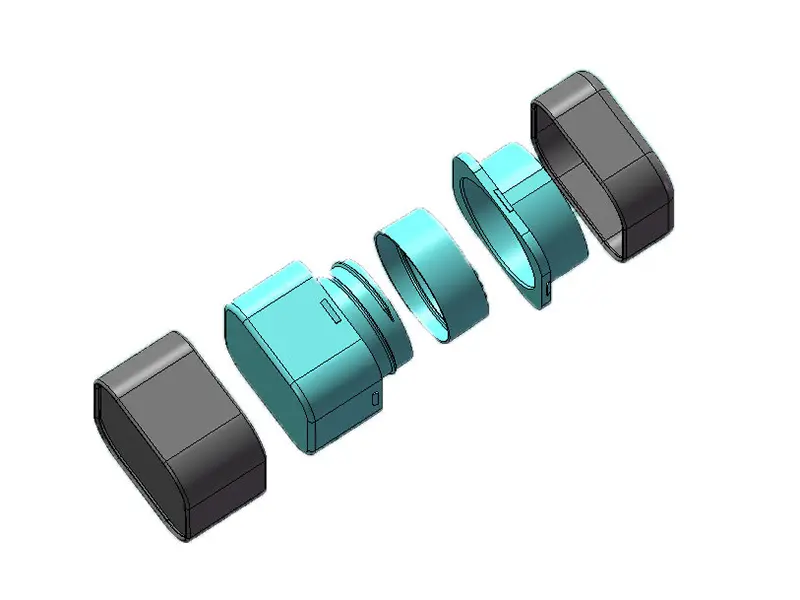
Our mechanical designs minimize part count, keeping production costs low:
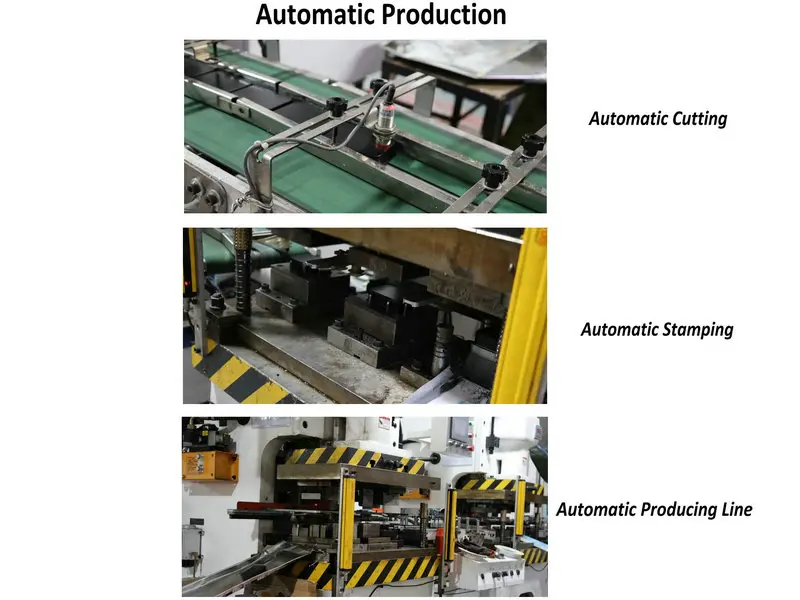
We employ multi-tiered QA check-stations throughout production:
Our tooling system allows for extensive design configurations:
Child-resistant mechanisms on metal tinplates rely on dual-action mechanical requirements. According to standard child-safety guidelines, children under 52 months lack the cognitive and physical coordination to execute two distinct mechanical actions simultaneously, such as pressing down while rotating, or squeezing side tabs while sliding a cover.
Our designs utilize the elastic properties of high-temper tinplate (typically T2 or T3 grade). By engineering micro-tolerances into the pressed latch points and button tabs, the tin acts as a spring. When a user presses a button or pushes the lid down, the tinplate temporarily flexes to release the retaining bead from its lock channel. Once released, the lid can be slid or turned open. When closed, it snaps back into place, securing the container.
Passing a child-safety certification requires rigorous testing with human panels. The process evaluates the packaging with two distinct groups:
Through strict engineering tolerances, our custom tins achieve a high pass rate for senior accessibility while maintaining strong child protection, satisfying global regulatory mandates.
As a forward-looking manufacturer, CR Tin invests in emerging packaging technologies to meet evolving sustainability and digital integration needs.
We are working with leading chemical suppliers to develop water-based and bio-sourced protective varnishes. These coatings reduce VOC emissions during the production drying cycle while maintaining strong chemical resistance.
By integrating robotic pick-and-place systems with high-resolution CCD cameras, we aim to automate complex multi-piece metal components, improving structural consistency and scaling production throughput.
We are incorporating physical-digital bridge technologies, such as micro-laser marking and direct-to-metal high-density QR printing, to support product serialization, authentication, and circular loop supply chains.
 CR Tin