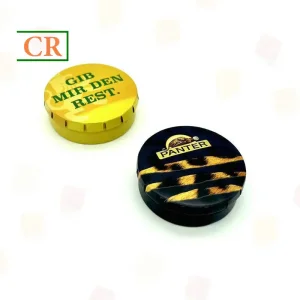
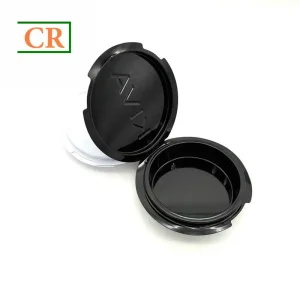
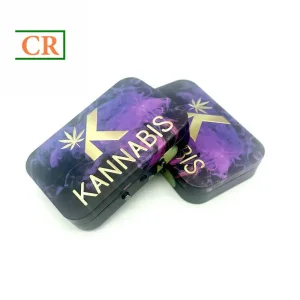
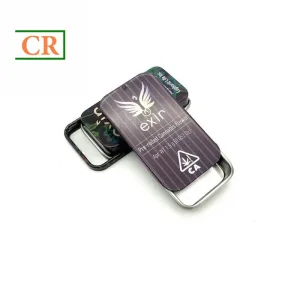
Explore our cutting-edge, certified packaging options designed to preserve product freshness and guarantee compliance.
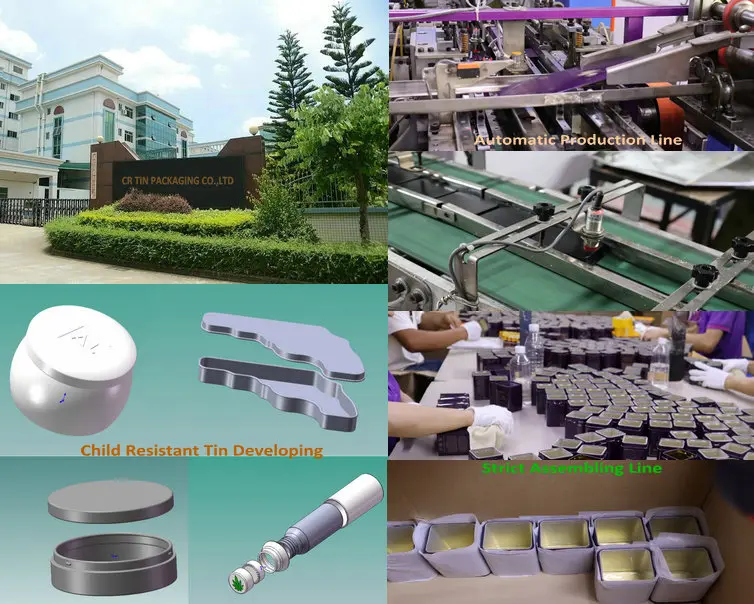
CR Tin (Andylots Tin Box Packaging Co.,Ltd) is a streamlined, single-source professional supplier of child resistant tin boxes. We seamlessly integrate child resistant lock design, structural mold making, rapid sampling, compliance testing, and high-volume mass production.
CR Tin began developing child resistant lock tin boxes in 2017. Following nine years of intensive research, development, and pioneering manufacturing experience, we have successfully developed over 70 certified child resistant lock tin boxes. Today, our designs cover all tin box packaging styles within the industry and form our own unique, proprietary child resistant lock tin box ecosystem.
An in-depth whitepaper analysis of macroeconomic factors, compliance mandates, and performance metrics shaping the industrial packaging market.
In the current global packaging sector, multinational enterprises are encountering a convergence of strict regulatory frameworks and escalating ecological targets. Markets like North America and the European Union have implemented rigorous consumer protection directives. Specifically, the child-resistant packaging testing guidelines under ASTM D3475 and the United States Consumer Product Safety Commission (CPSC 16 CFR § 1700.20) require strict validation protocols. Metal containers, historically chosen for their durability and protective properties, are now engineered to serve as critical compliance assets.
"The transition from single-use plastics to fully recyclable tinplate structures represents a shift toward sustainable design. Modern brands leverage metal packaging as a dual-purpose tool: fulfilling ecological goals while maintaining strict child safety compliance."
For industries dealing with moisture-sensitive, volatile, or oxygen-susceptible compounds—such as specialized confectioneries, nutraceuticals, medical-grade cannabis, and chemical products—packaging integrity is directly linked to product efficacy. Oxygen exposure and humidity changes can compromise active ingredients, shorten shelf life, and impact brand trust.
OEM Airtight Tin Can manufacturing addresses these challenges by incorporating advanced food-grade elastomeric gaskets and precision-engineered mechanical seals. By limiting oxygen transmission rates (OTR) and moisture vapor transmission rates (MVTR) to near-zero levels, these containers preserve volatile organic compounds, terpenes, and chemical profiles during transport and storage.
Why leading brands trust CR Tin to develop, certify, and produce high-end custom metal packaging.
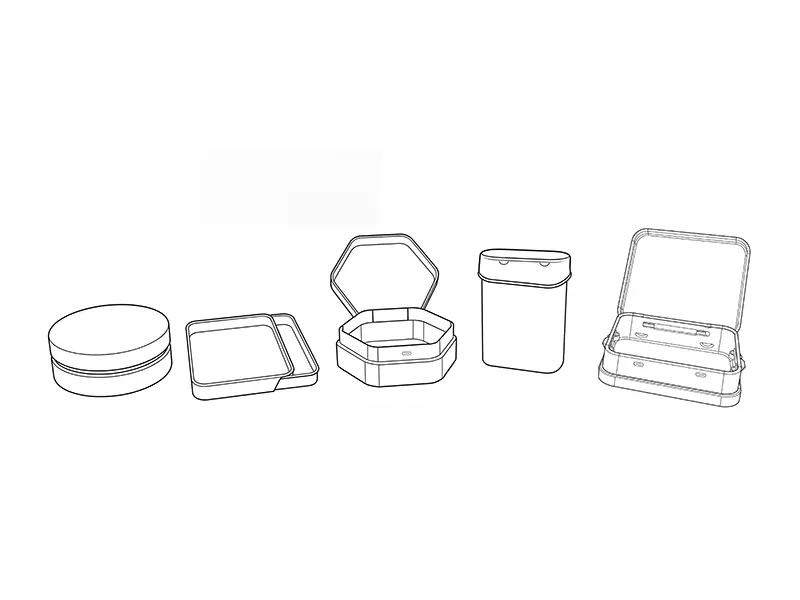
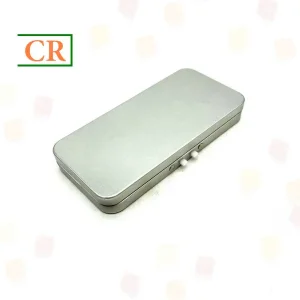
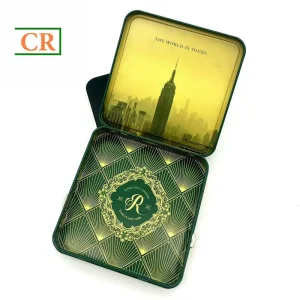
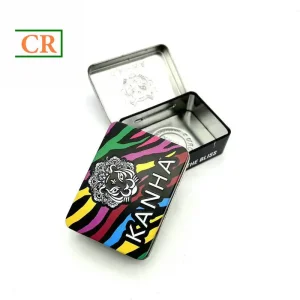
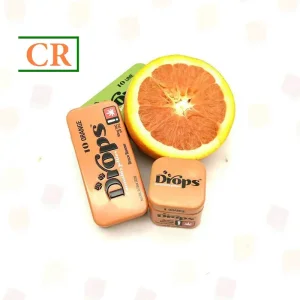
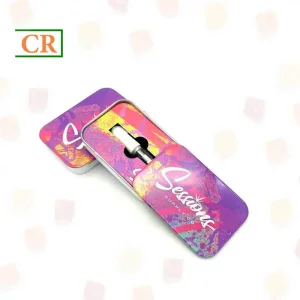
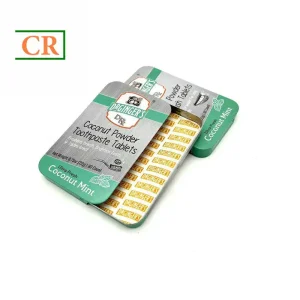
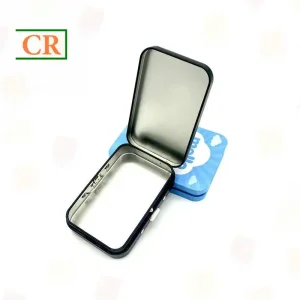
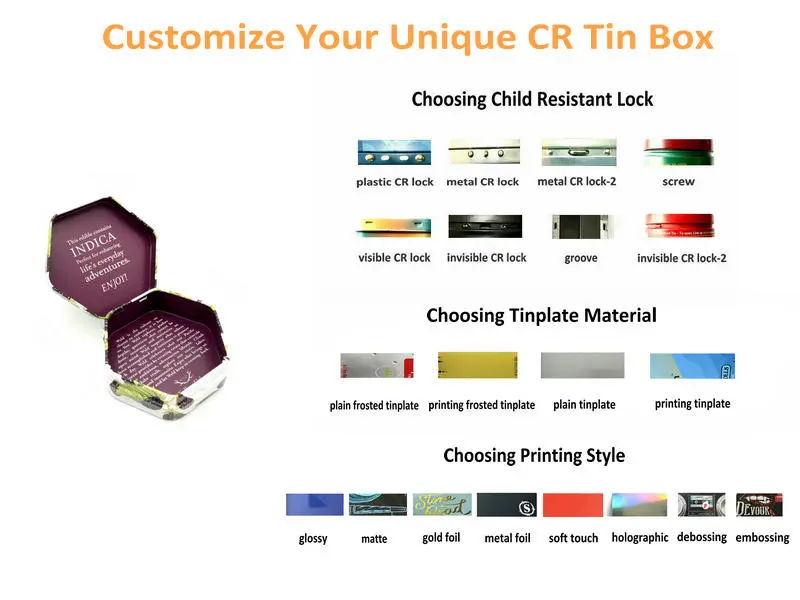
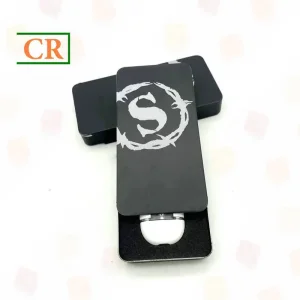
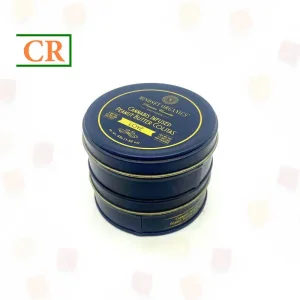
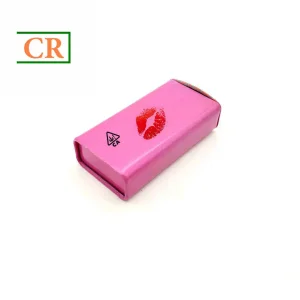
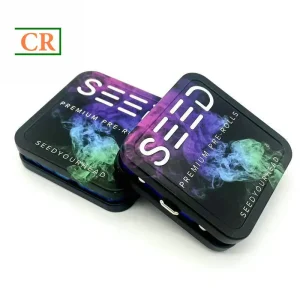
We offer a comprehensive selection of safety mechanisms designed to match diverse product lines and brand styles. From button-hinged systems and sliding cases to two-piece airtight push-and-turn designs, our structures are tested to ensure child resistance while remaining easy for seniors to open.
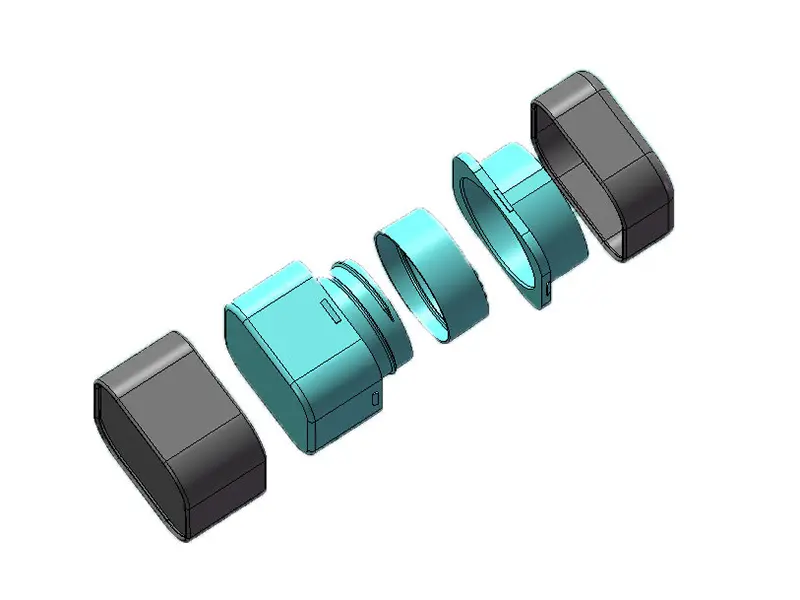
Turning custom concepts into production-ready designs requires precise engineering. Our R&D team provides specialized structural design and creative services, helping clients visualize and test products before full-scale manufacturing.
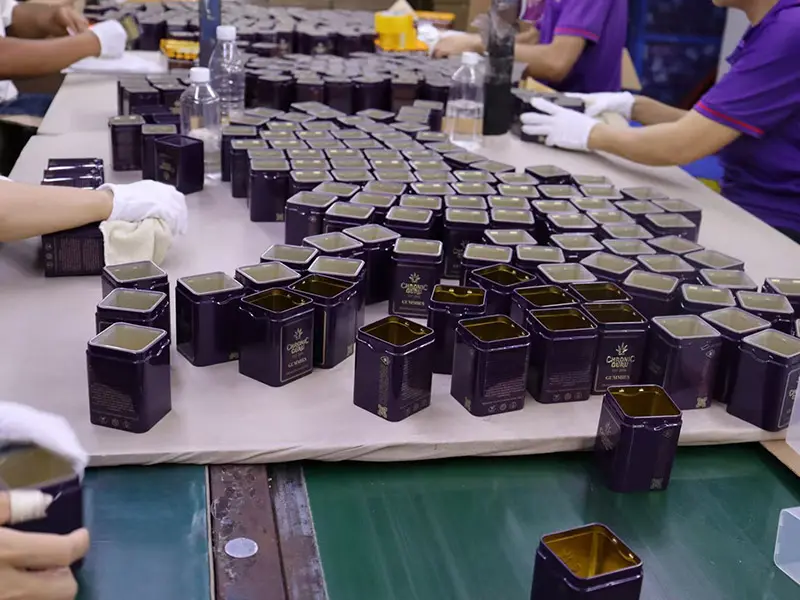
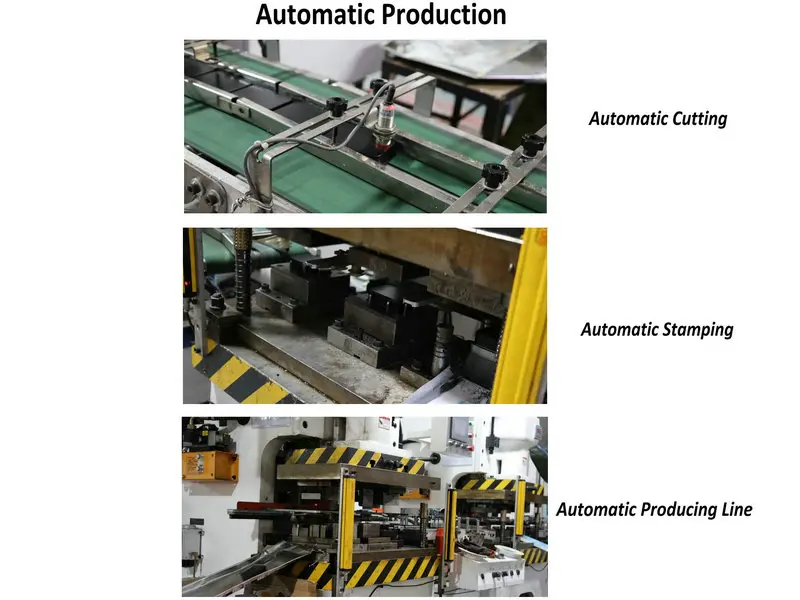
High-volume production demands consistent precision. By combining automated production lines with trained QC specialists, we keep defect rates minimal and ensure consistent closure fitment.
Technical details of hermetic gasket performance, child-resistant mechanics, and automation-led cost reduction.
An airtight metal container requires precise control of internal clearances and seal alignment. Typical tin cans rely on metal-on-metal contact, which can allow gas exchange. To address this, CR Tin uses custom-molded food-grade silicone or thermoplastic elastomer (TPE) gaskets nested in the tin lid's recess.
When closed, the container's locking mechanism applies even pressure across the gasket, compensating for minor tinplate variations. This creates a secure barrier that blocks oxygen and humidity, preserving fresh aromas and preventing product clumping or dry-out.
Balancing child safety with easy opening for seniors requires careful design. Our locking systems rely on dual-motion mechanisms:
These mechanisms are designed to resist opening attempts by young children while remaining intuitive and manageable for adults.
A closer look at how automation, structural efficiency, and quality control impact final unit costs.
We use high-speed automated production lines to manufacture child-resistant tin cans. Automation minimizes manual assembly errors, ensures uniform locking mechanism tension, and helps stabilize unit costs.
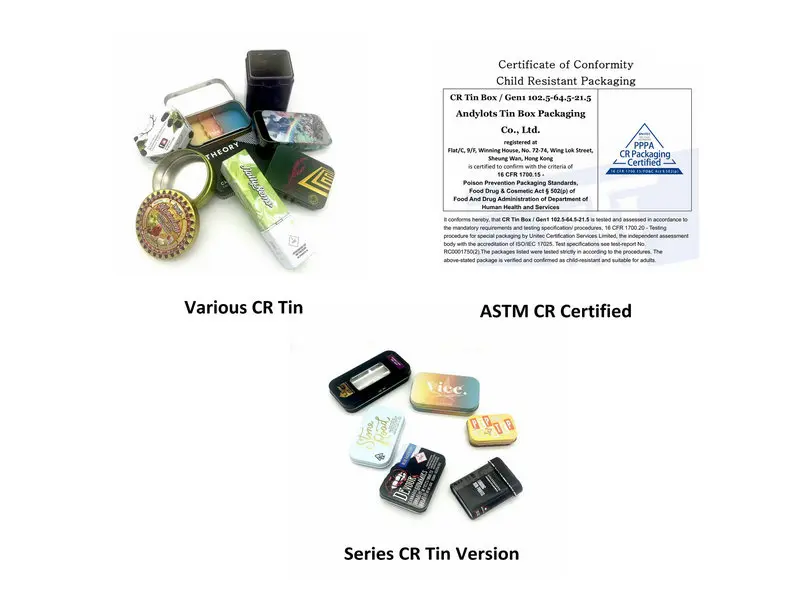
Our child-resistant structures are engineered to comply with strict international standards. By completing certifications early, we help client brands navigate regulatory approvals and launch products on schedule.
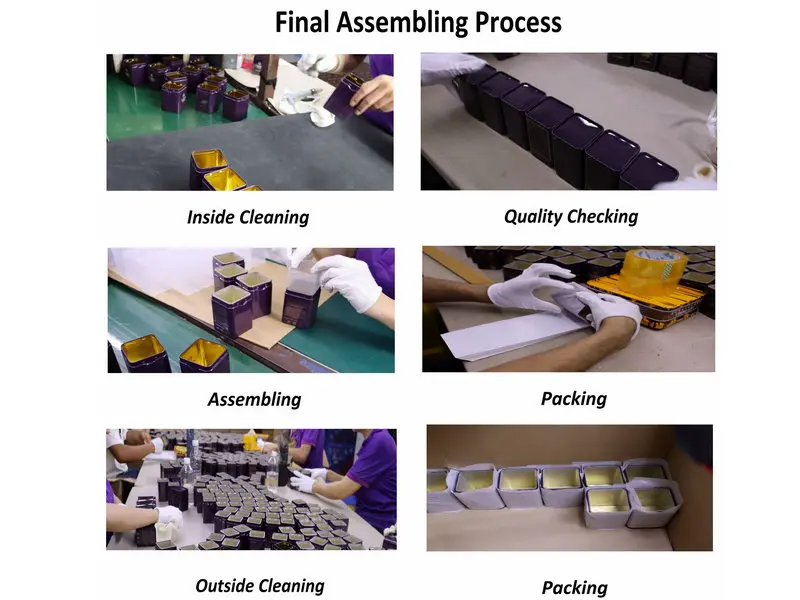
Quality control starts with verifying incoming tinplate and extends to final torque-testing of child-resistant mechanisms. Our team conducts regular tolerances checks to ensure stable performance.
A strategic overview of emerging packaging technologies, sustainable materials, and supply chain adaptations.
Historically, airtight performance in child-resistant tins has relied on multi-material combinations, such as plastic locking inserts paired with tinplate outers. While functional, these composite materials complicate recycling processes.
CR Tin is actively developing mono-material child-resistant systems. By creating locking tabs directly from the metal sheet and pairing them with biodegradable or compostable sealing rings, we aim to design containers that can be directly recycled without disassembly.
As precision requirements grow, manual quality control is shifting toward smart automated inspection. Our production roadmap includes the integration of high-resolution machine vision systems along our lines.
These systems scan each tin in real-time, checking lid dimensions, emboss alignments, and mechanical button tolerances. Any unit that deviates from specified parameters is automatically sorted out, maintaining high consistency across large runs.
"The next phase of industrial packaging centers on smart optimization. Integrating automated inspection systems allows us to maintain stable, certified child-resistant closures at scale."
In addition to structural security, international logistics require packaging designs that optimize shipping space. Our engineering team designs nestable stack shapes that maximize container capacity, helping reduce ocean shipping volume and associated carbon footprints.
Expert answers to common engineering, compliance, and purchasing questions for procurement and product development teams.
Explore our specialized range of sliding, hinged, and round child-resistant metal packaging options.
 CR Tin