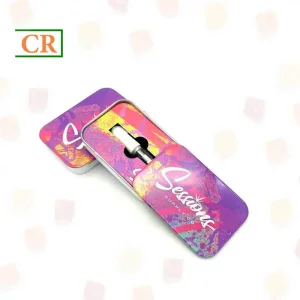
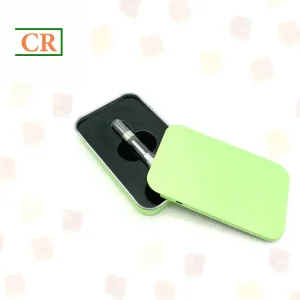
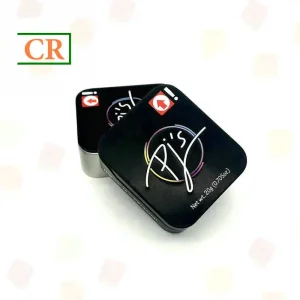
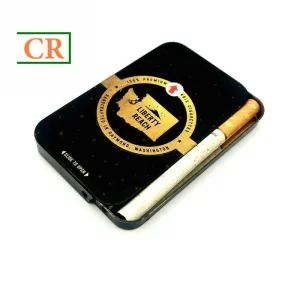
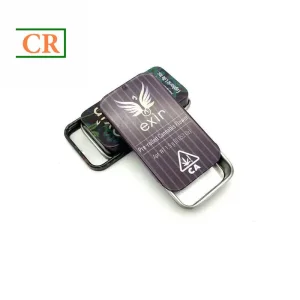
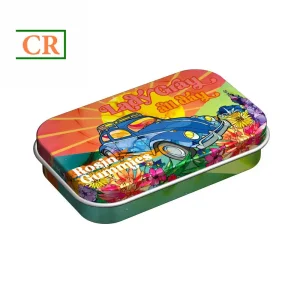
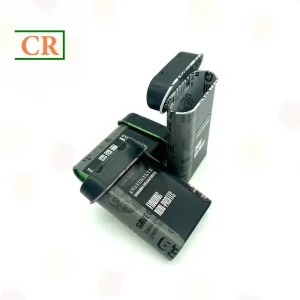
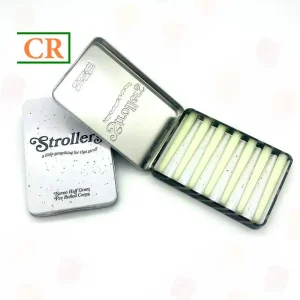
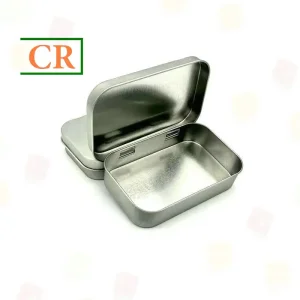
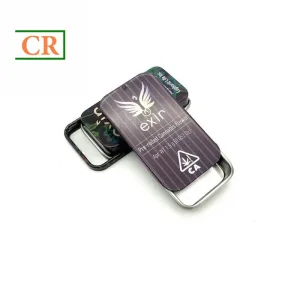
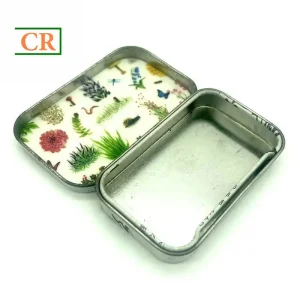
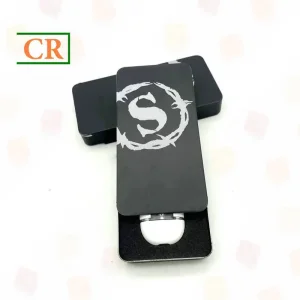
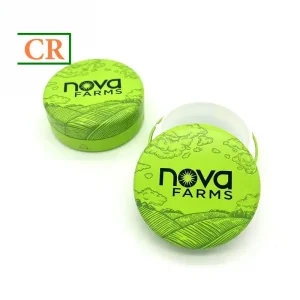
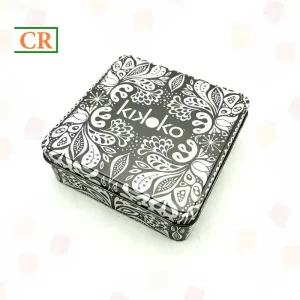
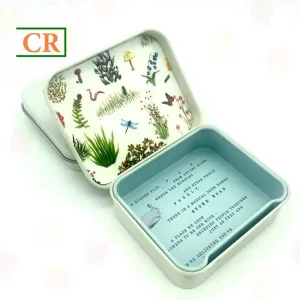
Explore our leading ASTM/CPSC compliant child-resistant sliding & hinged metal configurations.
CR Tin (Andylots Tin Box Packaging Co., Ltd) is a streamlined, single-source professional supplier of child-resistant tin boxes. We fully integrate child-resistant lock design, mold-making, custom sampling, lock certification testing, and mass-scale production under one unified roof.
Recognizing the global shift toward child safety compliance in 2017, CR Tin began aggressively developing patented child-resistant lock tin boxes. After nine years of dedicated research and development and pioneering experience, our inventory features over 70 certified child-resistant lock tin boxes. Our products cover all major tin box packaging styles within the industrial sector, establishing our unique, globally-recognized child-resistant lock tin box system.
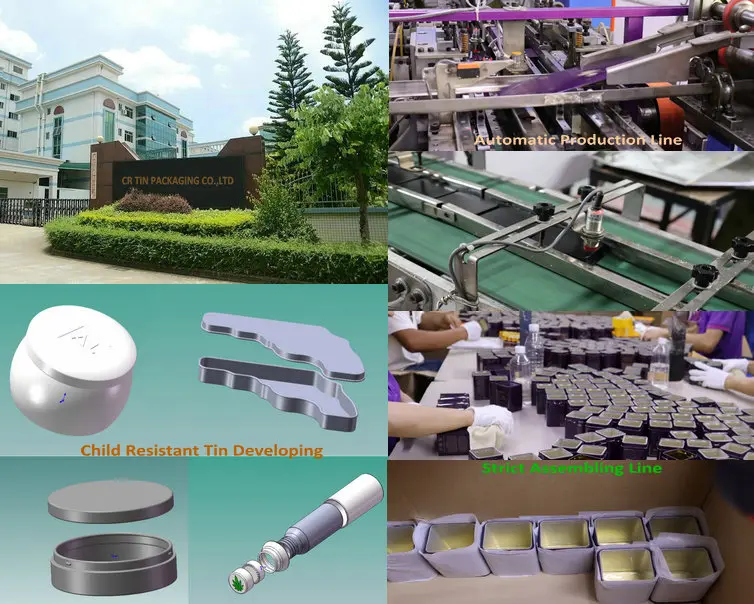
A data-backed overview of Andylots' global production scale and engineering efficiency.
Analyzing the global transition towards metal-based child-resistant packaging (CRP).
In the modern consumer product landscape, the requirement for secure, child-proof packaging has graduated from a localized regulatory trend to a global mandate. Historically, industries such as pharmaceuticals, nutraceuticals, and high-potency confectioneries relied on single-use plastics to meet safety certifications. However, the macro-level shift toward circular economies and aggressive ESG target-setting has forced global brands to seek endlessly recyclable alternatives. This is where Electrolytic Tinplate (ETP) emerges as the premier substrate.
"According to international compliance metrics, packaging must conform to ASTM D3475 specifications in the United States and ISO 8317 standards across the European Union. These specifications demand that a container must be significantly challenging for children under 52 months to open, while remaining accessible to seniors."
Unlike plastic, which is highly elastic and easily molded into complex flexural latches, metal is rigid. Engineering a reliable child-resistant lock mechanism entirely from tinplate requires advanced structural design. CR Tin has addressed this challenge by developing multi-step closure mechanisms (such as push-and-slide, double-button release, and squeeze-and-lift hinges). These mechanisms leverage the natural tension of metal and food-grade plastics to create robust, certified locks.
The commercial demand for OEM child-resistant hinged tins is heavily concentrated in North America, Western Europe, and parts of the Asia-Pacific region. These areas are characterized by:
How we combine advanced R&D with cost-effective automated mass production.
Choose from over 12 proprietary, certified CR tin designs ready for customization, reducing the time required for regulatory approval.
We provide complimentary mechanical custom design services, 3D renderings, and physical 3D-printed plastic samples within 48 hours.
Our facility runs advanced automated optical inspection systems paired with mechanical stress tests to guarantee every lock functions correctly.
An institutional-grade approach to minimizing production costs without sacrificing safety certifications.
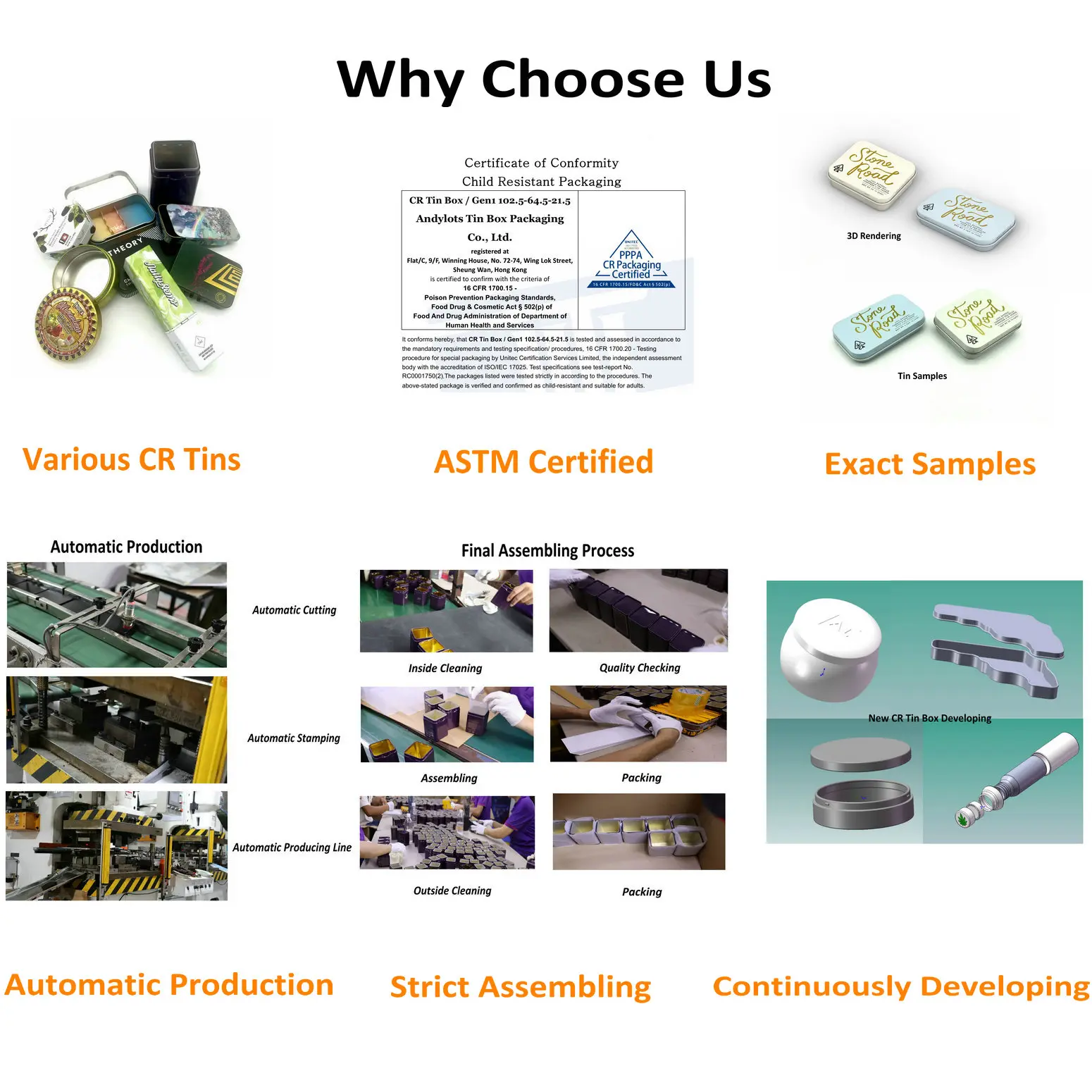
Decades of collective metal packaging experience fuel our team's structural knowledge, unique CR Tin concepts, and consistent quality. Whether you are launching a new product line or looking for a more reliable partner, we guide you through the regulatory process. From airtight tins and post-consumer recycled (PCR) tinplate to premium bespoke structures, we manage the entire supply chain.
Most of our tin structures have completed official ASTM D3475 third-party certification testing.
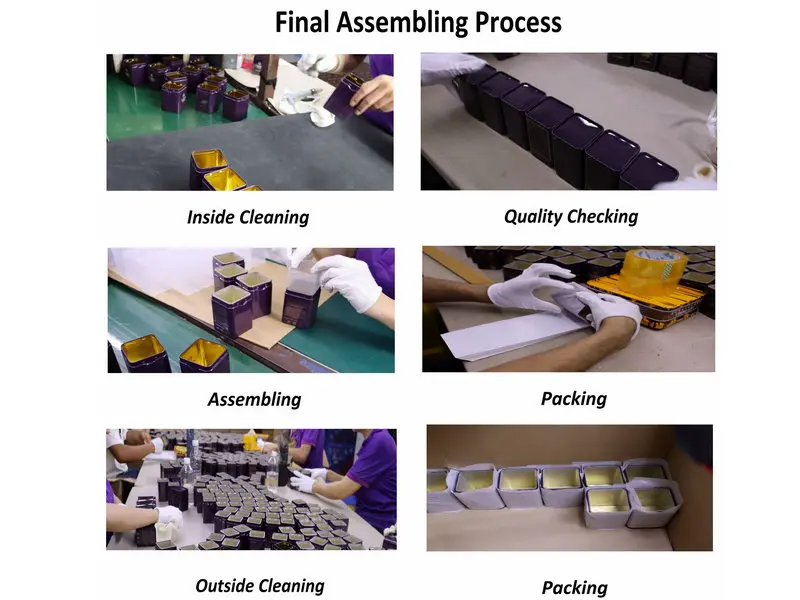
Our custom-built automated assembly lines reduce human labor costs and eliminate alignment errors.
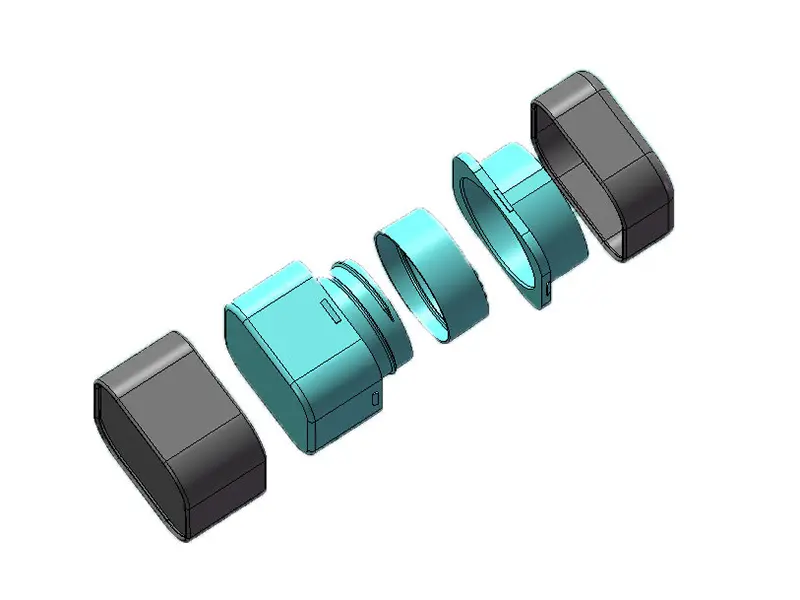
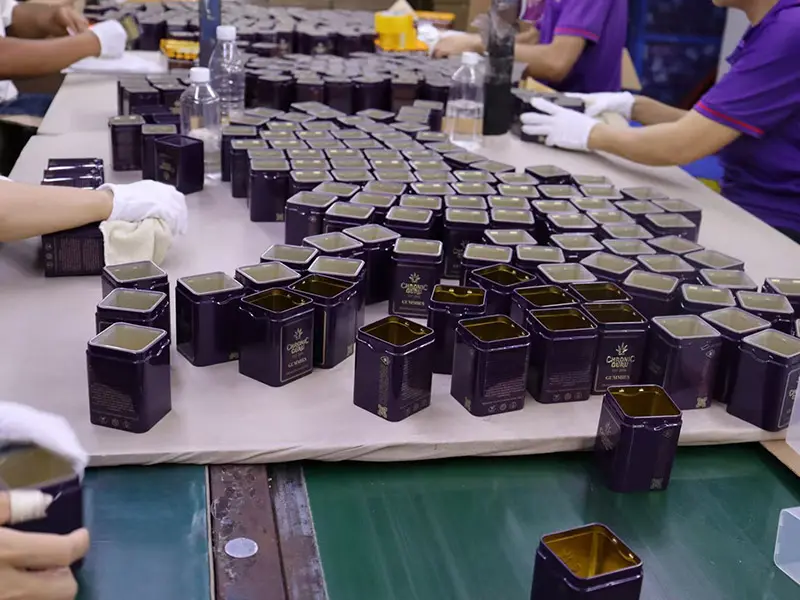
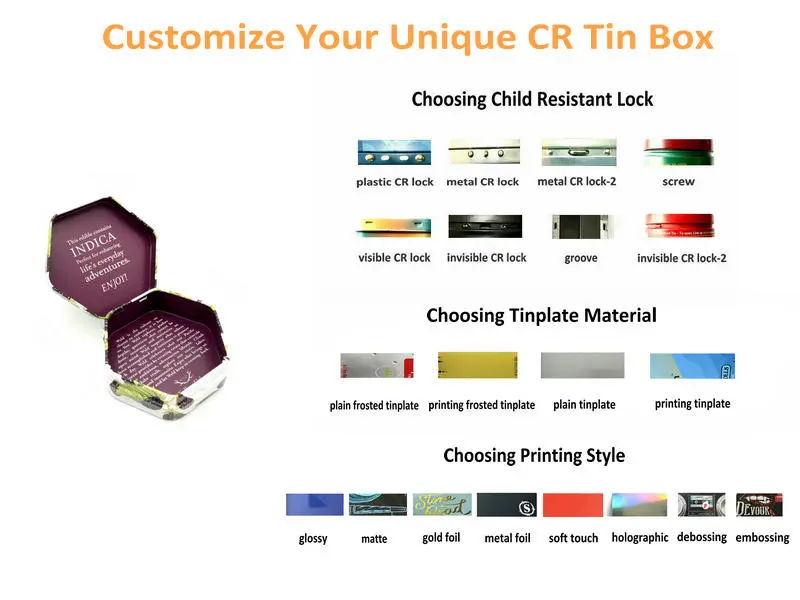
A closer look at Andylots' design, prototyping, and raw material processing stages.
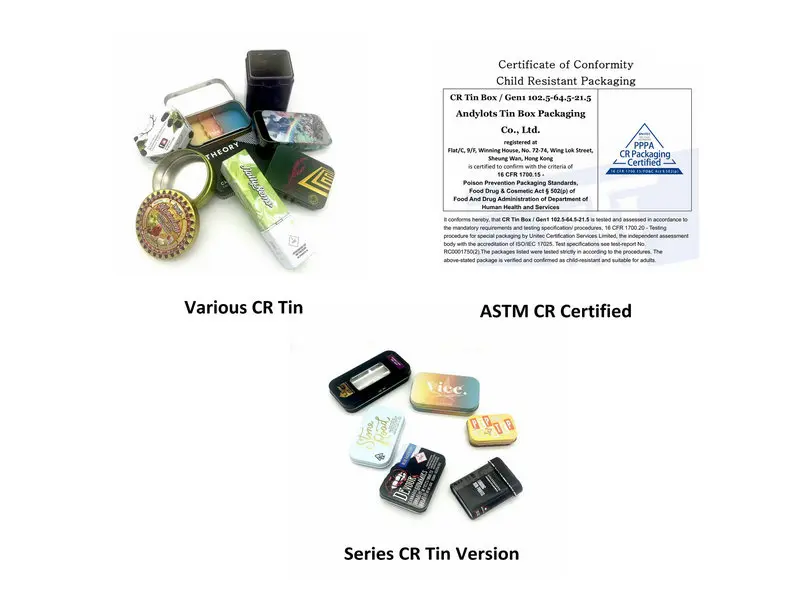
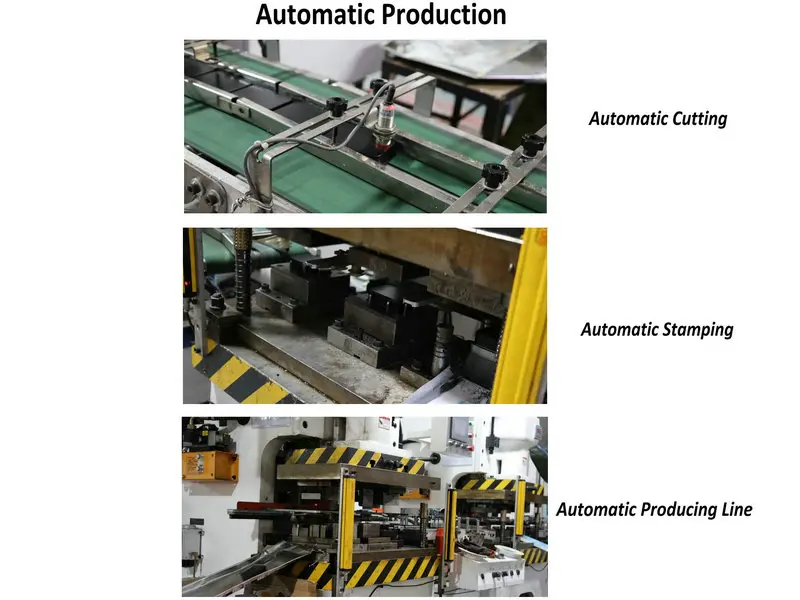
How we are preparing for the next generation of child-resistant packaging regulations.
Developing bio-composite internal inserts to completely eliminate fossil-based plastics within the locks.
Integrating recyclable silicone compounds to secure air-tight seals, preventing the loss of volatile compounds.
Embedding high-performance micro-NFC tags in hinges to support digital authentication and product tracking.
Redesigning the structural ribbing of our tins to reduce overall weight by 15% while keeping the same crush resistance.
Tailoring child-resistant hinged tins to meet specific regional requirements and use cases.
Standard packaging solutions rarely fit all markets. Depending on the target region and product type, brands face different challenges. Below are three key solutions developed by CR Tin:
High-frequency pocket items require a smooth mechanical movement that remains easy for seniors to use daily, while resisting curious toddlers. Our 3.1" sliding and retro-flip tins provide a premium look that stands out on retail shelves.
Odor containment is critical. We integrate custom, tight-fitting inner silicone liners that block smell and moisture. This keeps the contents fresh and ensures compliance with dispensary and medical transport regulations.
European markets prioritize plastic-free, circular lifecycles. Our 100% recyclable tinplate boxes serve as elegant, reusable compact containers for solid perfumes, skin salves, and concentrates.
Addressing the common design, regulatory, and shipping questions for child-resistant metal packaging.
ASTM D3475 is the standard classification for child-resistant packages. It rates containers based on the actions required to open them (e.g., push-and-turn, squeeze-and-pull). Meeting this standard is required by the U.S. Consumer Product Safety Commission (CPSC) to prove that the packaging helps prevent children under five from accessing potentially harmful products.
Our designs utilize dual-action mechanisms—such as pushing a hidden lever while sliding the lid, or pressing two buttons simultaneously. These require a level of hand-eye coordination and strength that toddlers lack, but are easy for seniors to use.
Yes. Through our OEM service, we can customize the height, width, and overall structure of the tins. Our R&D team uses 3D CAD modeling and SLA printing to test and refine custom dimensions before building the production molds.
We use premium Electrolytic Tinplate (ETP) coated with FDA-approved food-grade lacquers. This prevents corrosion, keeps the contents fresh, and ensures the tins are safe for direct contact with food, mints, and capsules.
A standard project takes about 30 days. This includes creating the custom tool molds, producing physical samples, obtaining child-resistant certification testing, and starting mass production.
Yes. Tinplate is a circular material, meaning it can be recycled indefinitely without losing its structural properties. Unlike plastics, which degrade over cycles, our tins can be recycled easily through municipal waste collection systems.
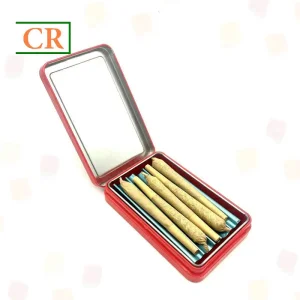
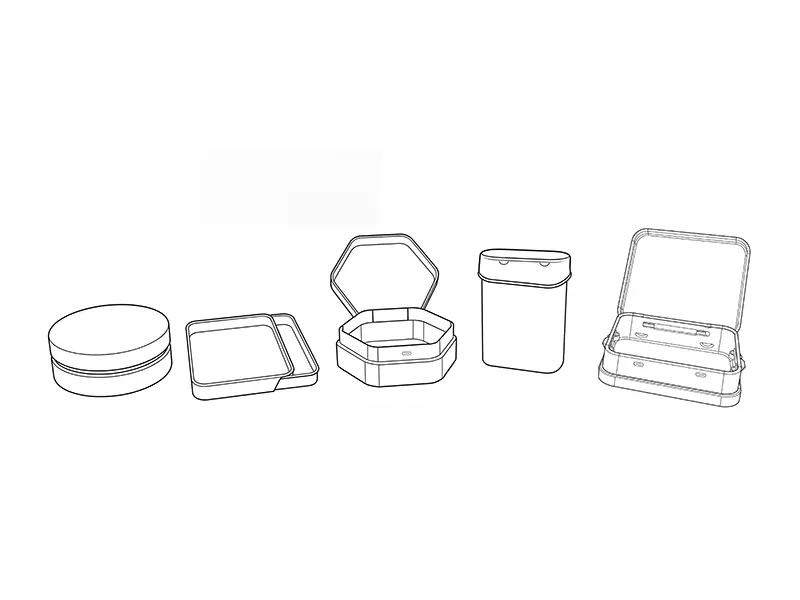
A selection of specialized airtight, retro flip, and pre-roll configurations.
 CR Tin