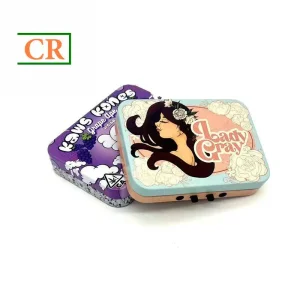
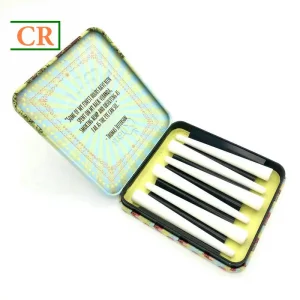
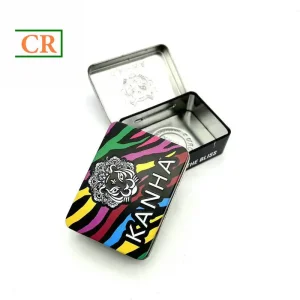
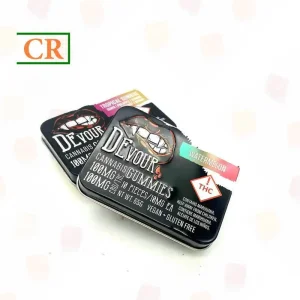
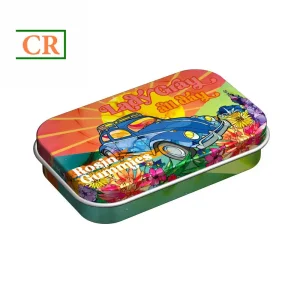
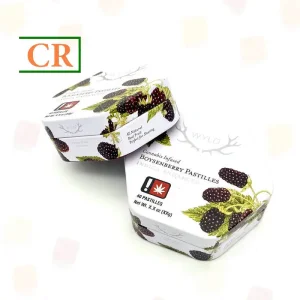
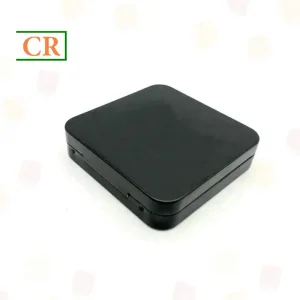
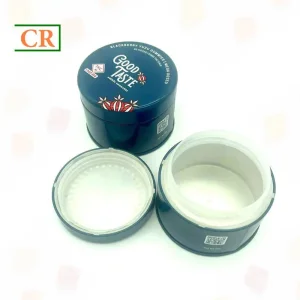
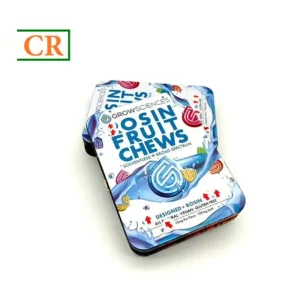
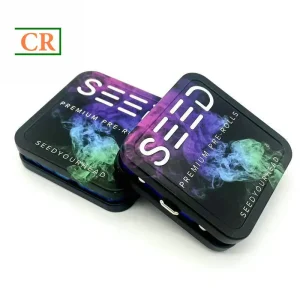
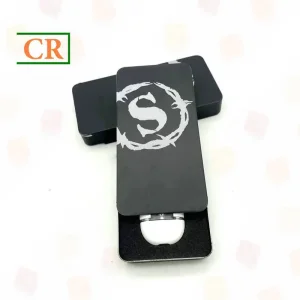
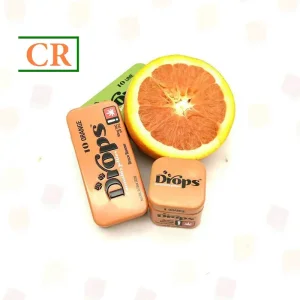
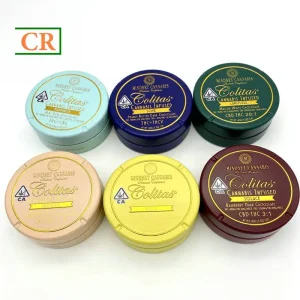
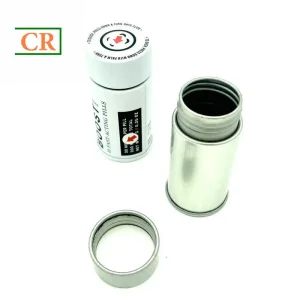
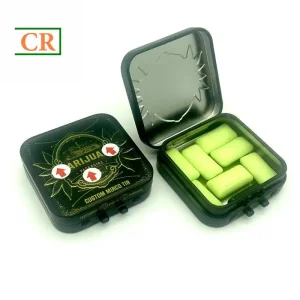
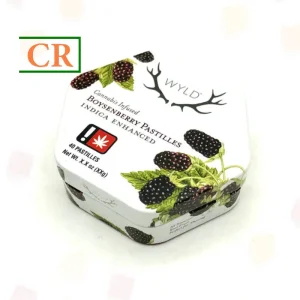
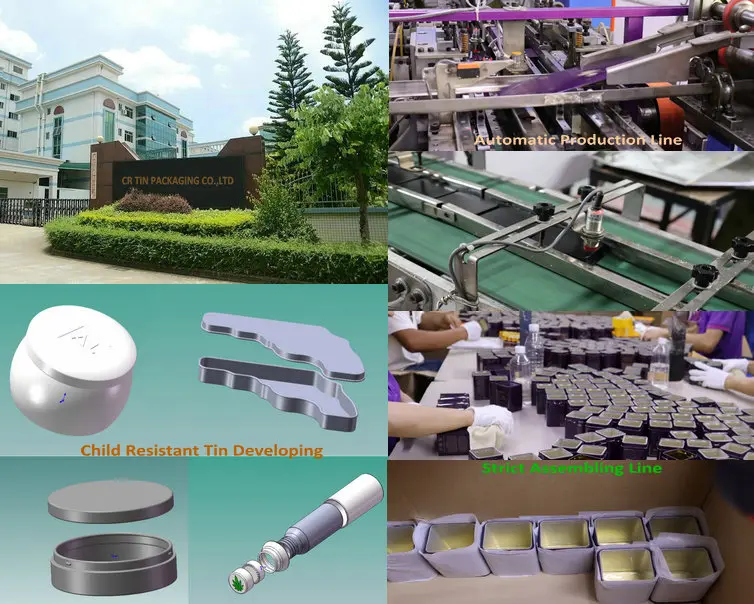
CR Tin (Andylots Tin Box Packaging Co., Ltd) operates as a streamlined, single-source professional developer and supplier of high-end child-resistant tin boxes. We integrate all stages of design, child-resistant lock engineering, advanced mold making and rapid sampling, professional child-resistant testing, and fully automated mass production.
Initiated in 2017 with development expertise stretching back to 2016, CR Tin has dedicated over nine years of rigorous research and development to the specialized metal packaging vertical. Today, we offer more than 70 certified child-resistant lock structures, spanning across almost all tin box packaging form factors in the industry. By creating our own unique child-resistant lock system, we provide safe, certified, and cost-effective metal containers globally.
The global packaging paradigm is undergoing a massive shift. As consumers and regulatory bodies demand plastic-free alternatives, tinplate has emerged as the premier material for cannabis, confectionery, and pharmaceutical-grade edible products. Tinplate is infinitely recyclable without loss of structural integrity, aligning with Corporate Social Responsibility (CSR) objectives. For companies looking to lower their carbon footprints, transitioning from multi-layer plastic pouches to reusable metal tin cases presents a significant competitive advantage.
Modern regulatory environments demand secure packaging for psychoactive or medicated products like gummies, mints, and pre-rolls. In North America and Europe, child-resistant (CR) properties must adhere to standards like ASTM D3475 and 16 CFR § 1700.20. Factories are no longer simple packaging vendors; they must act as compliance partners capable of guiding brands through certification processes to mitigate liability risks.
Custom-printed metal packaging serves as a critical sensory touchpoint. The weight, cold touch, mechanical feedback of a secure latch, and high-fidelity offset printing of an OEM tin case instantly establish high perceived value. Modern consumers associate tin containers with freshness, durability, and premium brand status. Embossing, debossing, matte finishes, and metallic spot varnishes offer physical interaction cues that plastic or cardboard simply cannot emulate.
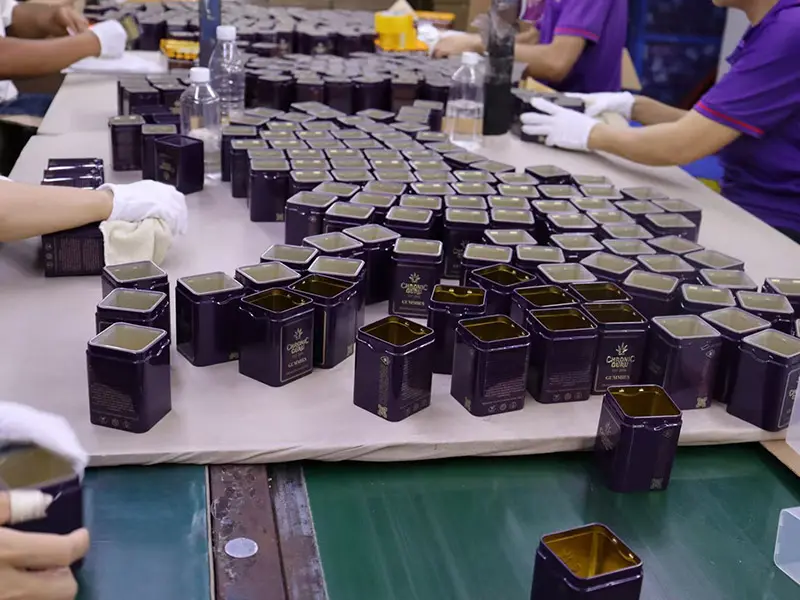
Global procurement teams demand high levels of reliability from packaging manufacturers. Supply disruption is a significant risk for commercial consumer packaged goods (CPG) companies. CR Tin mitigates this risk by maintaining strategic stockpiles of raw tinplate and implementing automated assembly pipelines. Each production batch undergoes material tracking to confirm safety status, ensuring full traceability from raw steel coils to the finished edible tin box.
Because these metal containers store chewables, gummies, mints, and other direct-contact consumables, the interior coatings must satisfy food contact regulations. Our factories use certified food-grade interior lacquers that prevent oxidation and chemical migration. All liners, gaskets, and plastic button inserts are BPA-free and FDA-compliant. This ensures that the products inside maintain their intended flavor profiles and stay free from contamination over extended shelf lives.
Cost efficiency is critical. We achieve this by optimizing the raw material yields of our stamping processes and simplifying lock structures. Simple, elegant, and fewer component designs run faster on automated lines, which lowers production costs. Working with verified downstream suppliers for specialty accessories (e.g., silicone gaskets, plastic sliders) allows CR Tin to offer wholesale prices without sacrificing certification quality.
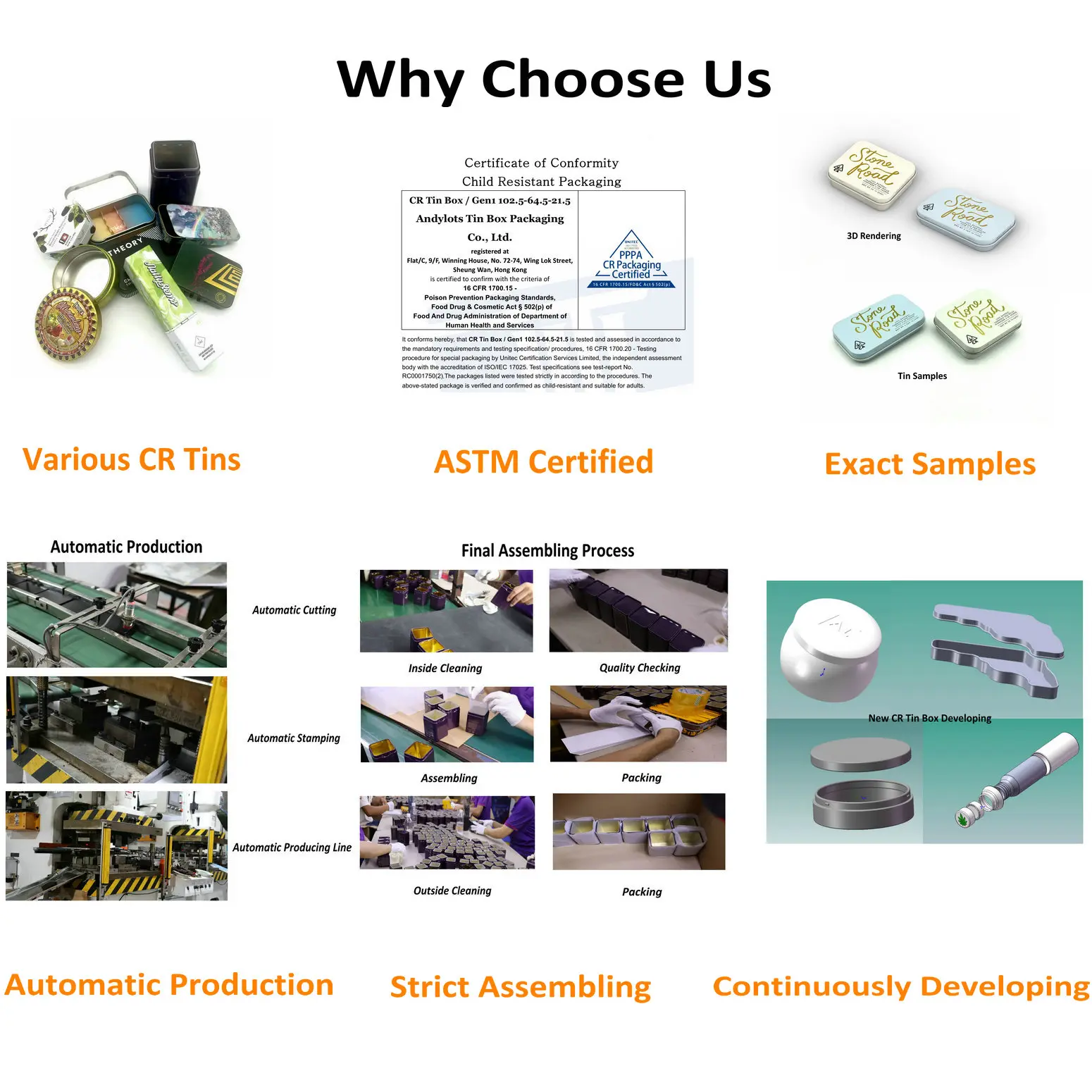
Our structures undergo rigorous childproof testing. The majority of our inventory holds certified compliance status, providing international brands with the legal safety clearance required for competitive markets.
Through structural simplification, process automation, and reliable supply chain integration, we significantly reduce manufacturing costs while improving quality.
Our quality control measures are integrated into the assembly lines. Every batch is evaluated to confirm consistent functional performance, with third-party testing companies delivering independent verification.
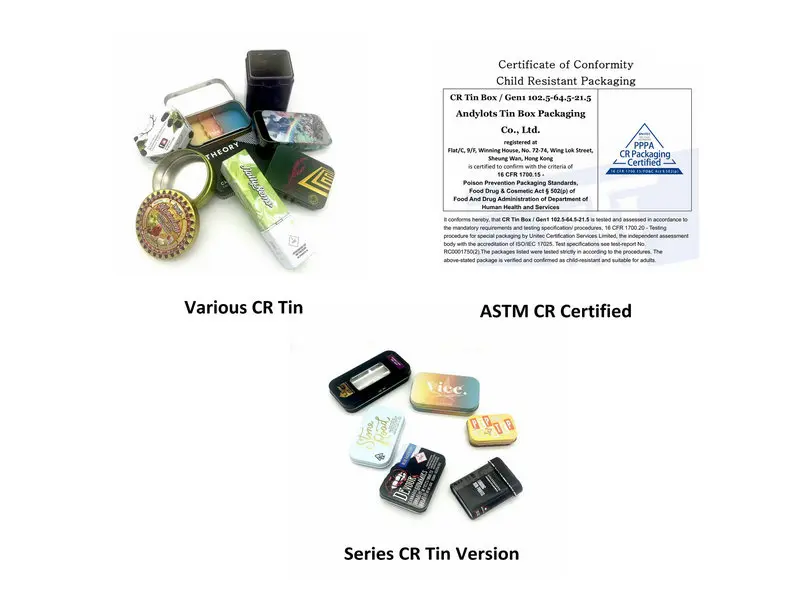
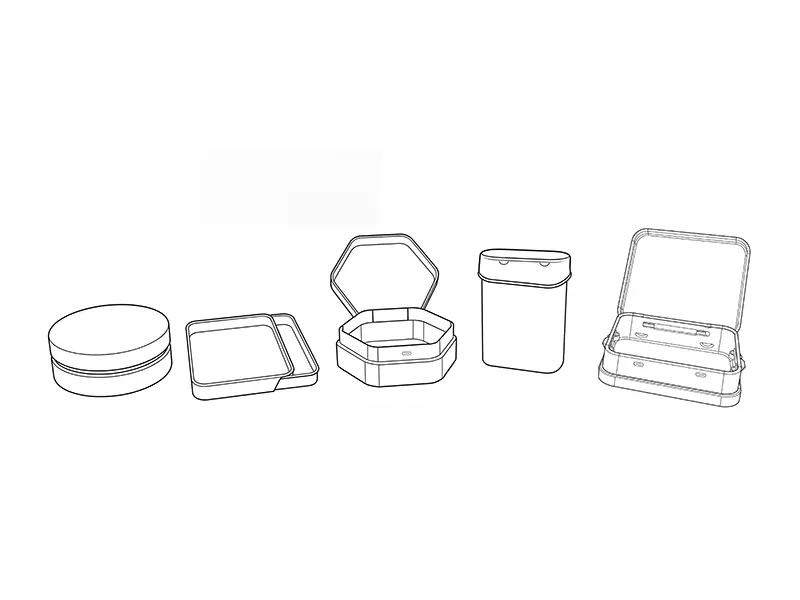
We provide a comprehensive range of child-resistant options to match different product lines. Whether storing hard candies, chocolates, or standard pre-rolls, we offer specific structural configurations to suit. Most of our existing child-resistant systems have completed ASTM testing, which helps brands reduce initial development cycles and enter the market faster.
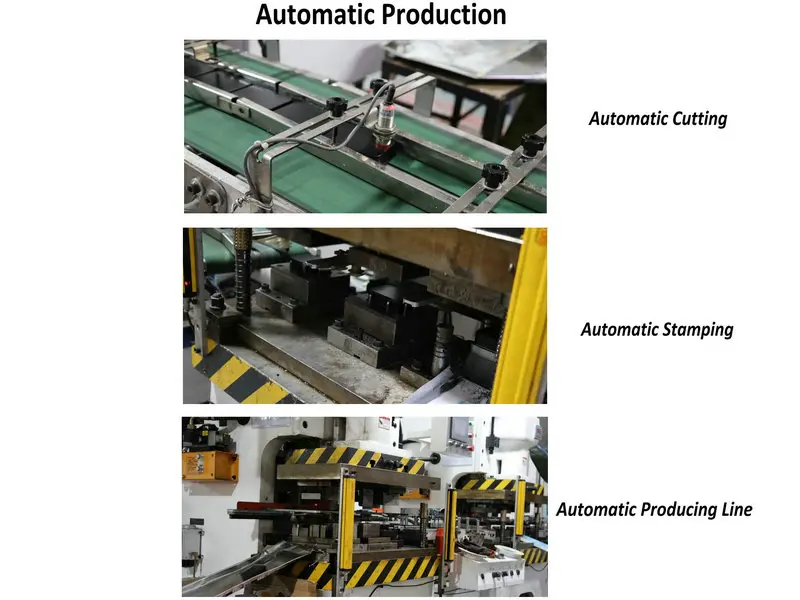
Our cost optimization protocols utilize automated stamping lines and simplified child-resistant locking features to lower operational costs. We source high-grade accessories and tinplate in bulk, which helps keep our pricing stable even during raw material market fluctuations.
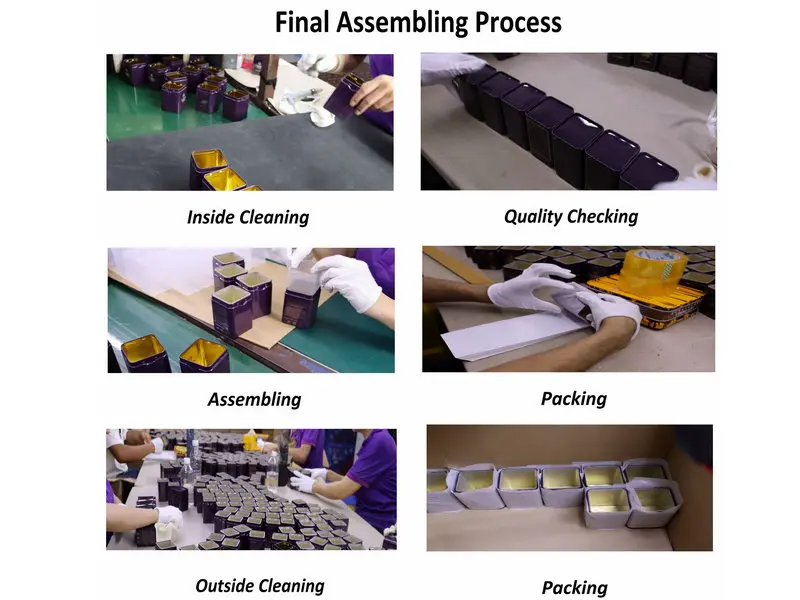
Our quality control team tests lock dynamics, surface finish coatings, and overall mechanical performance at multiple stages. We perform online verification checks, and we work with third-party testing organizations to provide independent, reliable compliance reports.
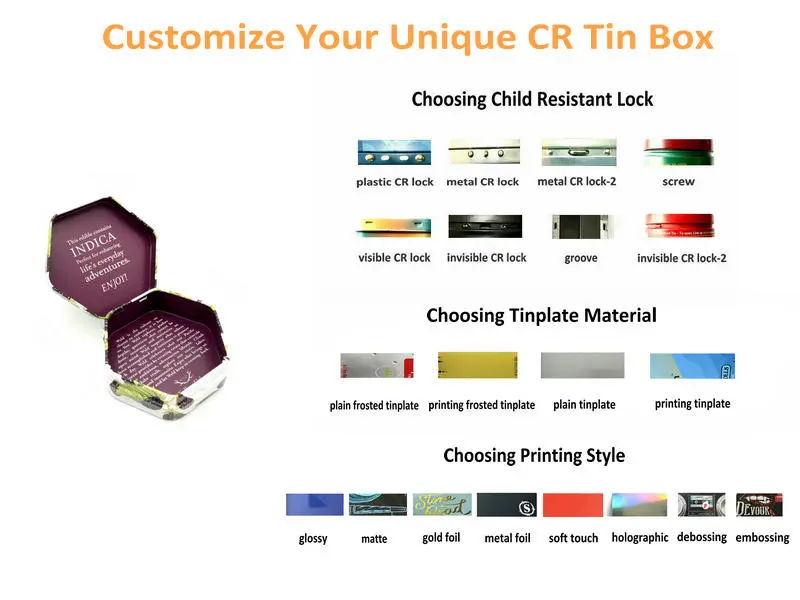
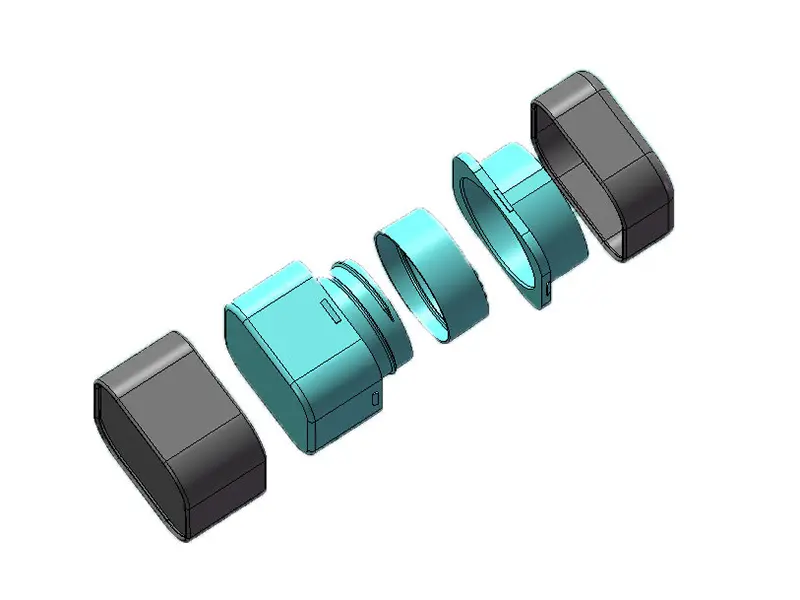
We work closely with client engineering teams to build custom designs, starting with 3D structural renderings and functional plastic samples. This structured approach helps ensure our tins fit your packaging lines and labeling machinery perfectly.
The next phase of metal packaging development involves digital integration. We are researching techniques to embed NFC tags and unique secure QR codes directly onto tinplates. This helps brands implement anti-counterfeiting tracking, confirm child-safety compliance guidelines digitally, and offer interactive product verification options directly to consumers.
Our material research focuses on testing vegetable-based, bio-resourced interior coatings. These next-generation coatings provide strong barrier protection against acidic ingredients and moisture while maintaining food-grade safety standards. We continue to prioritize developments that lower carbon footprints throughout the packaging lifecycle.
We are expanding the use of automated visual scanning systems across our stamping lines. These systems use high-definition cameras to inspect print quality, check lock dimensions, and confirm safety features in real-time, helping us maintain consistent quality across high-volume production runs.
 CR Tin