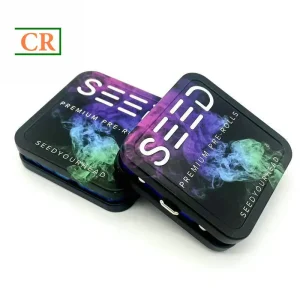
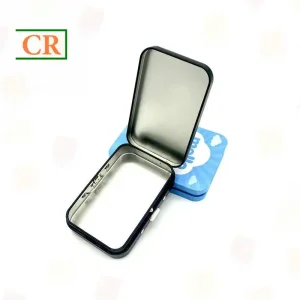
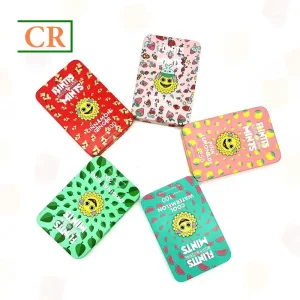
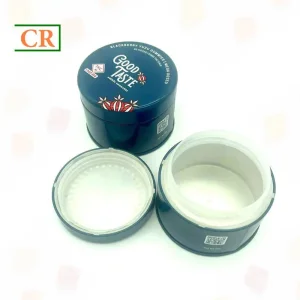
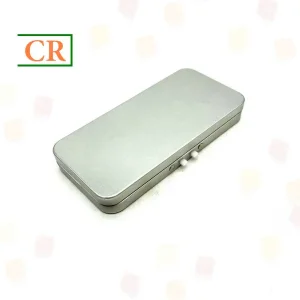
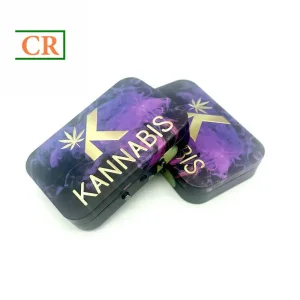
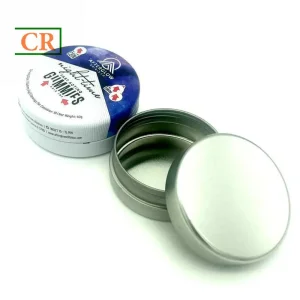
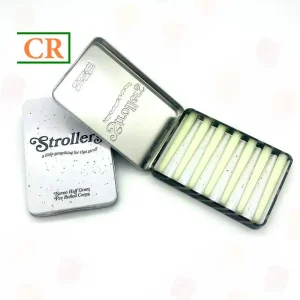
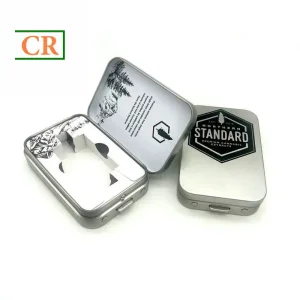
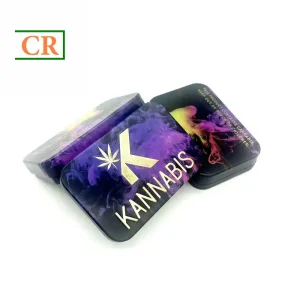
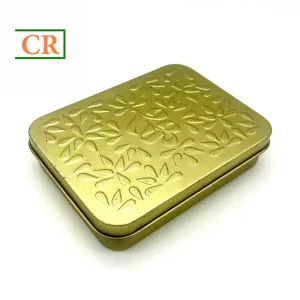
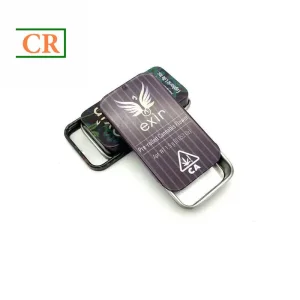
The global cannabis landscape is undergoing a critical transition. As regulatory bodies enforce stringent child-resistant standards, the search for the ideal packaging format has intensified. Enter the Joints Metal Container—the definitive solution that merges regulatory compliance with high-end brand appeal, barrier safety, and environmental responsibility.
For B2B procurement managers, sourcing the right OEM partner requires balancing manufacturing precision with compliance certifications. Under the 16 CFR Part 1700.20 and ASTM D3475 standards, packaging is no longer just a vessel; it is a critical safeguard. From ensuring the preservation of volatile terpenes to preventing accidental child consumption, metal containers provide unmatched structural integrity compared to plastics and paperboard.
By shifting to advanced tinplate constructs, leading brands reduce their ecological footprint while offering consumers tactile satisfaction. This guide outlines the technological advancements, cost optimization metrics, and strategic sourcing options that make high-volume joints metal packaging the gold standard of the industry.
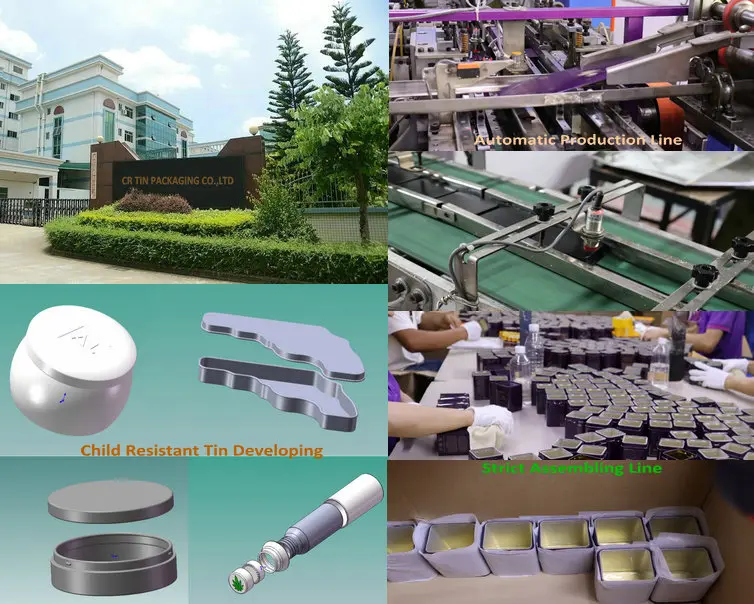
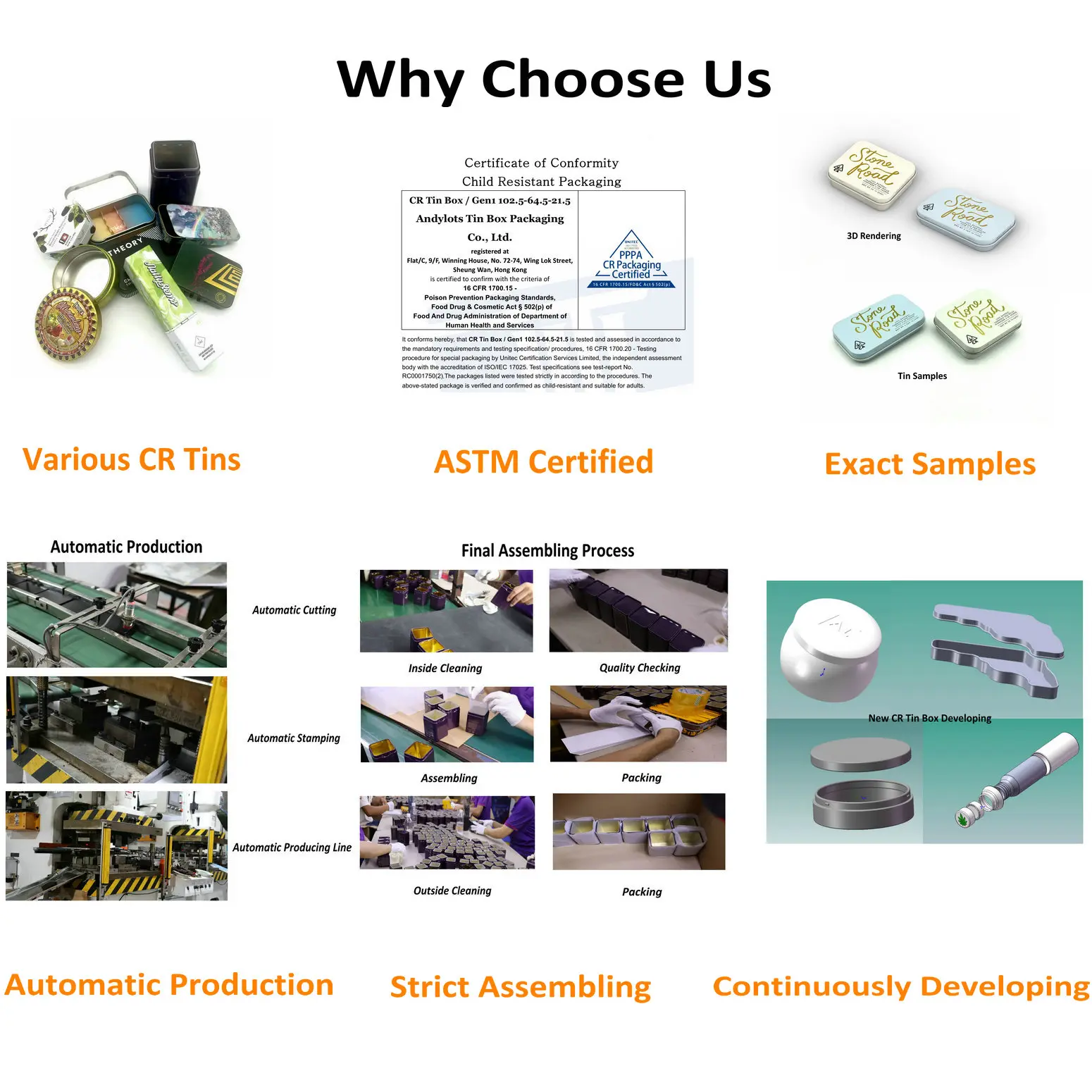
CR Tin (Andylots Tin Box Packaging Co., Ltd) is a streamlined, single-source professional supplier of child-resistant tin boxes. We seamlessly integrate child-resistant lock design, mold making, rapid sampling, compliance testing, and high-precision mass production under one roof.
We began developing child-resistant lock tin boxes in 2017. Backed by nearly a decade of research, development, and manufacturing experience, we have registered over 70 certified child-resistant lock tin boxes, covering all major packaging styles in the industry. Through rigorous testing, we have established our own unique, IP-protected child-resistant lock tin box system, making us the partner of choice for premium brands worldwide.
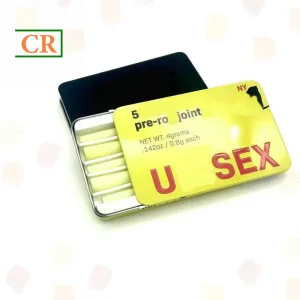
Whether you require airtight pre-roll cases, miniature slide boxes, or customized button lock systems, our engineering team provides direct support from drawing boards to the retail shelf, ensuring compliance and visual prominence in crowded markets.
The B2B packaging landscape is undergoing structural changes driven by three macro forces: regulatory oversight, consumer sustainability demands, and brand differentiation. In this context, joints metal containers have emerged as a high-value alternative to single-use plastics.
In North America and Europe, states and countries require child-resistant packaging (CRP) for cannabis edibles, pre-rolls, and medicinal products. Compliance with ASTM D3475 testing protocols ensures that products remain inaccessible to children under 5 while remaining accessible to seniors. Failing these standards results in costly recall processes, making certified OEM tin boxes a vital business insurance policy.
Consumers actively reject single-use plastics. Packaging made of 100% recyclable tinplate is a cornerstone of circular economy strategies. Unlike plastics, which degrade during recycling, metal preserves its quality indefinitely. Sourcing joints metal containers from an OEM supplier with sustainable practices helps brands appeal to eco-conscious demographics.
Packaging is the first point of contact between your product and the consumer. The weight, tactile feel, and mechanical opening mechanism of a high-quality metal container convey premium quality. Custom embossing, debossing, metallic spot colors, and soft-touch varnishes transform a simple utility box into a collectible accessory that keeps the brand visible long after the contents are consumed.
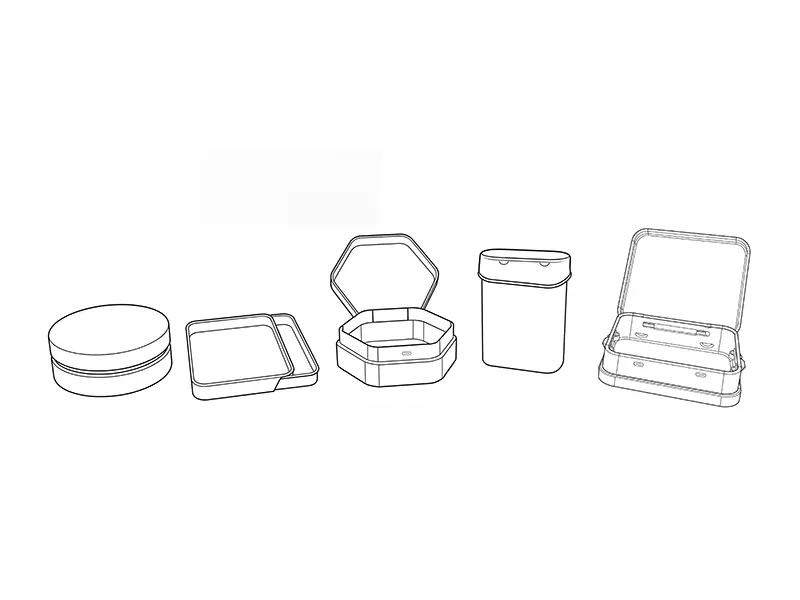
With more than 12 distinct ASTM-certified child-resistant tin structures, we cover every functional mechanism preferred by the market. These include single-button, dual-button, slide locks, hinged lid presses, and airtight options. This diverse line guarantees that your team will find a format that matches your aesthetic and mechanical preferences.
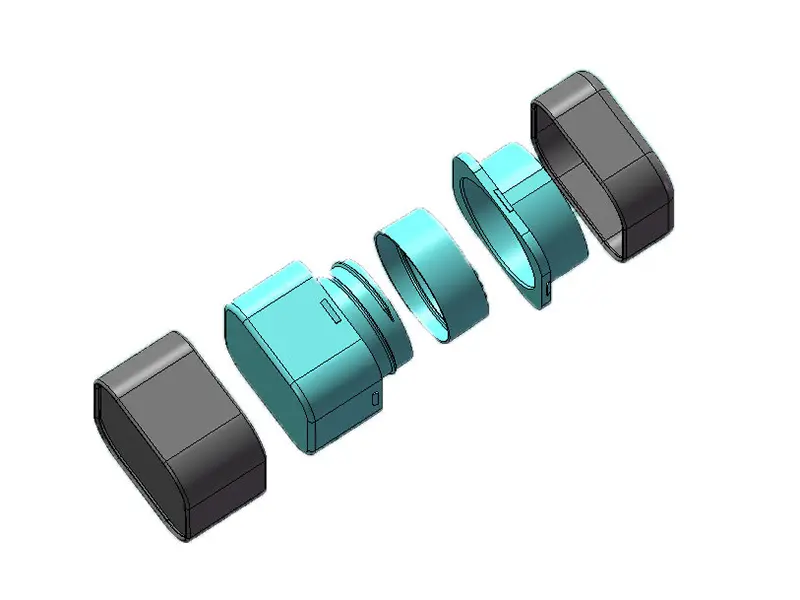
Our designated R&D department shortens the product launch cycle. We offer complimentary design consultation, 3D structural CAD drafting, photorealistic rendering, and 3D-printed plastic mockups. This ensures that form, fit, and volumetric capacities are validated before capital is committed to steel molds.
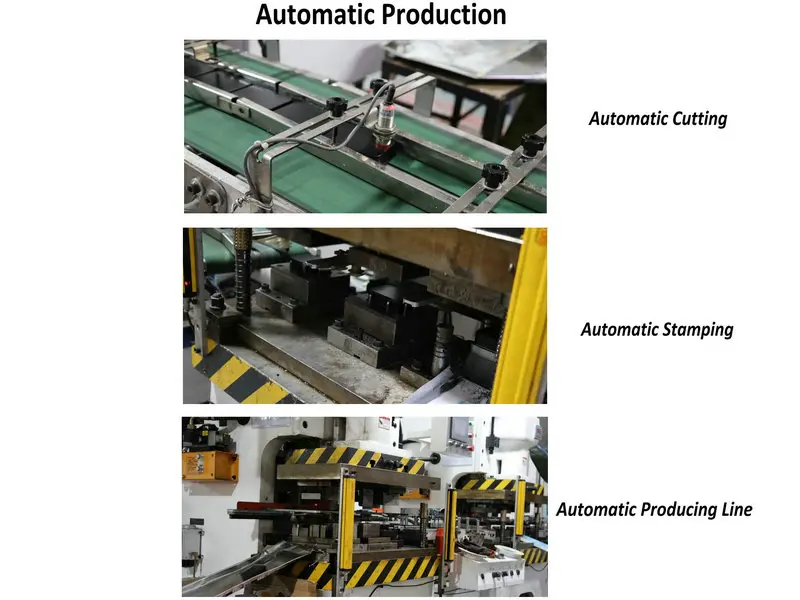
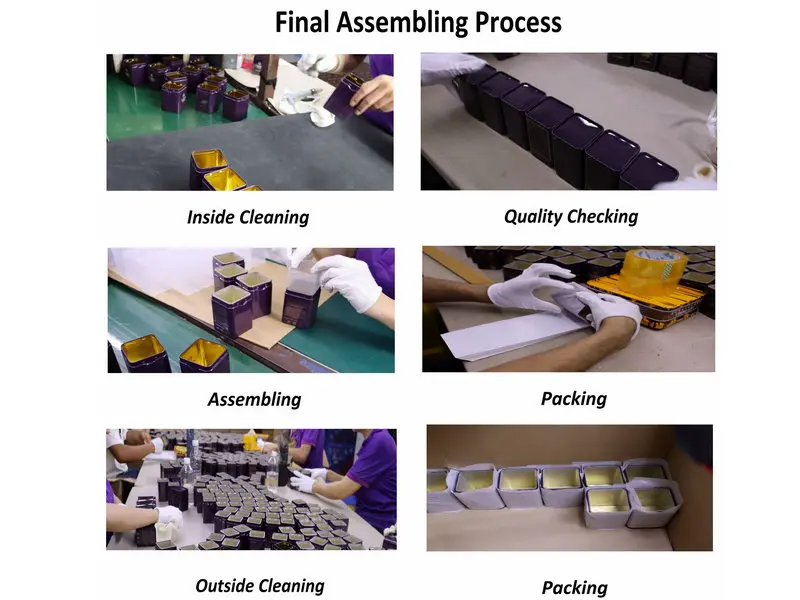
To reduce human error and guarantee consistent safety mechanism performance, our manufacturing facility relies on automated lines. We control quality at every step, starting from raw tinplate inspection to precision stamping, automated locking assembly, and secondary manual inspection before packing.
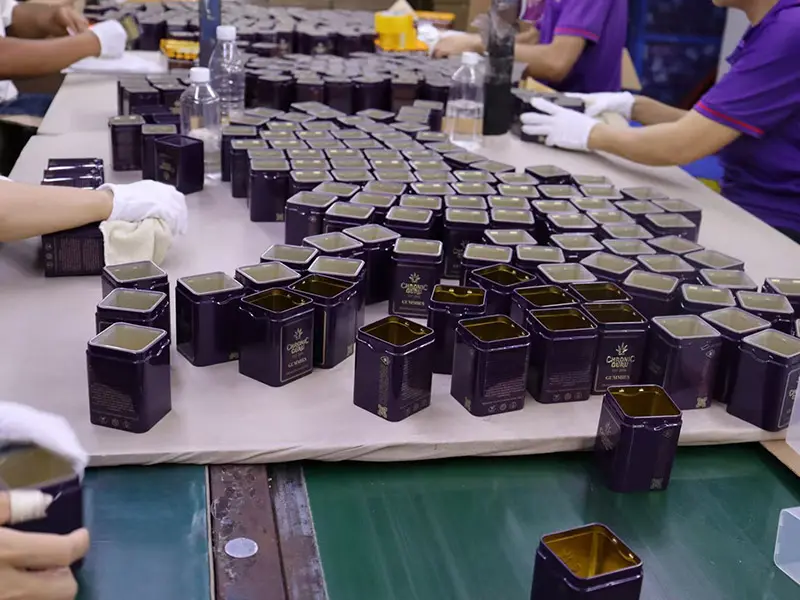
Our direct-to-factory model eliminates regional intermediary margins. By simplifying the structural composition of child-resistant mechanisms and utilizing automated manufacturing lines, we pass along cost savings without compromising compliance or physical material thickness.
Sourcing metal packaging requires an understanding of how structural design directly impacts freshness preservation and product shelf life. Below, we break down our four core compliance packaging systems designed for diverse consumer goods.
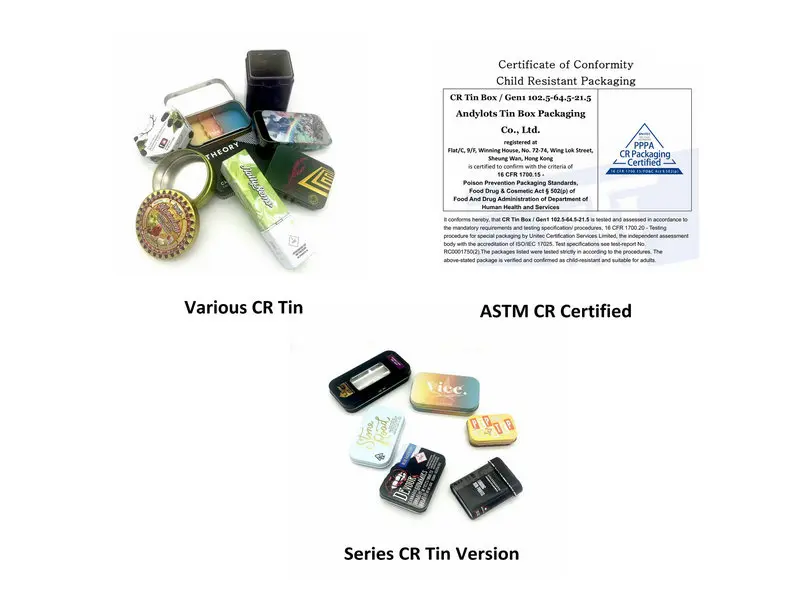
Most of our child-resistant tins have completed ASTM certification. By utilizing press-and-squeeze buttons or slide-release tracks, our designs pass Child-Proof panels while maintaining ease of access for senior users. The metal buttons do not fatigue over time, unlike plastic alternatives, ensuring lifetime compliance.
Oxygen exposure accelerates the degradation of active compounds in cannabis and functional foods. Our airtight metal containers integrate custom-molded silicone or rubber gasket rings. These gaskets are food-grade and create an airtight environment that locks in aromas and prevents moisture transfer, extending product shelf life.
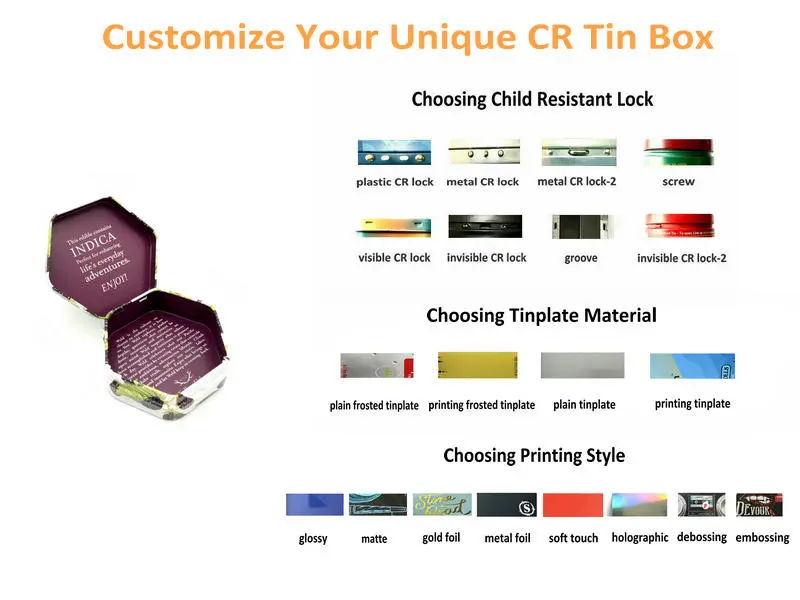
Different product form factors—such as king-size pre-rolls, mini pre-rolls, or gummies—require tailored inner dimensions. We provide custom-designed plastic or paper inserts, customized outer dimensions, and tinplate thickness options (ranging from 0.23mm to 0.30mm) to achieve the desired balance of weight and structural integrity.
Our quality control protocol is structured to prevent failures at retail. It includes:
As regulatory and environmental demands change, we continuously update our product lines. We are investing in R&D for biodegradable outer coatings and tinplate options with post-consumer recycled content, helping brands align with circular economy goals.
Our tins are made of 100% recyclable tinplate. We utilize food-grade protective lacquers, ensuring compliance with global contact safety standards while facilitating easy recovery in sorting systems.
To reduce plastic waste, we are replacing vacuum-formed plastic inserts with biodegradable paper pulp or molded sugarcane bagasse inserts, offering sustainable interior protection.
We are upgrading our printing infrastructure to support high-resolution direct digital printing and textured varnishing. This process eliminates plates, reduces minimum order quantities for custom runs, and lowers water and energy usage.
 CR Tin