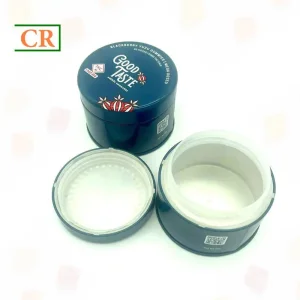
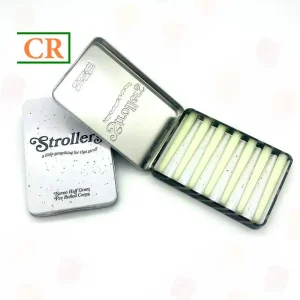
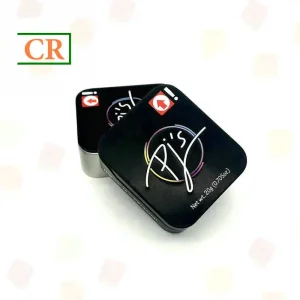
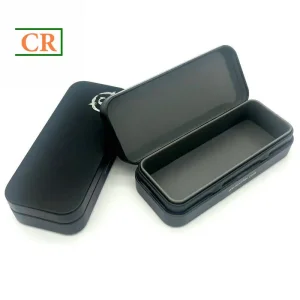
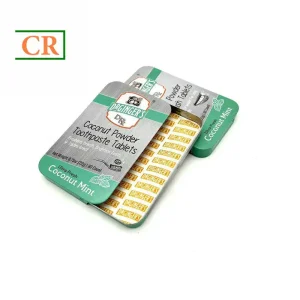
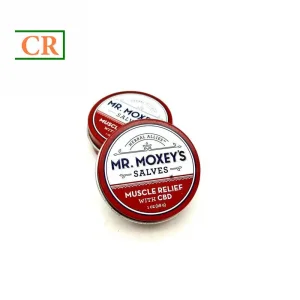
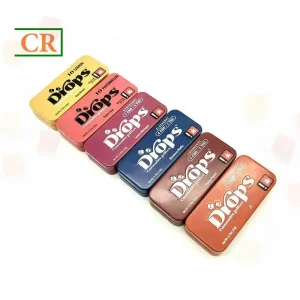
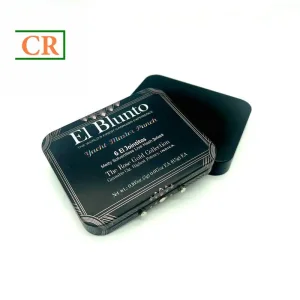
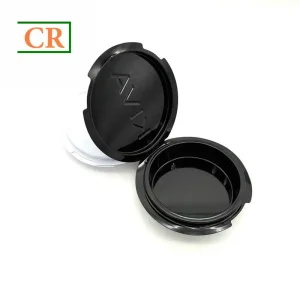
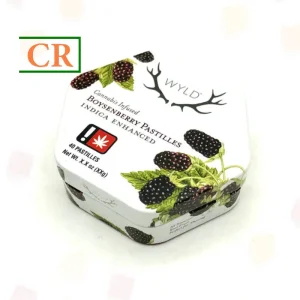
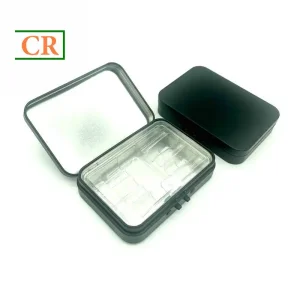
CR Tin (Andylots Tin Box Packaging Co.,Ltd) is a streamlined, single-source professional supplier of child resistant tin boxes. We seamlessly integrate child resistant lock design, mold making and sampling, child resistant lock testing, and automated mass production. Our corporate philosophy is built around eliminating supply chain fragmentation, offering cannabis and pharmaceutical brands a reliable path from conceptual rendering to fully certified retail-ready packaging.
CR Tin began developing child resistant lock tin boxes in 2017. Following a decade-long trajectory of engineering innovation (pioneering early-stage R&D since 2016), we have established a proprietary portfolio of over 70 certified child resistant lock tin boxes. This range covers all tin box packaging styles within the industrial sector, culminating in our unique, highly secured child resistant lock tin box ecosystem.
Understanding how legislative frameworks, material science, and automation shape the future of high-barrier packaging.
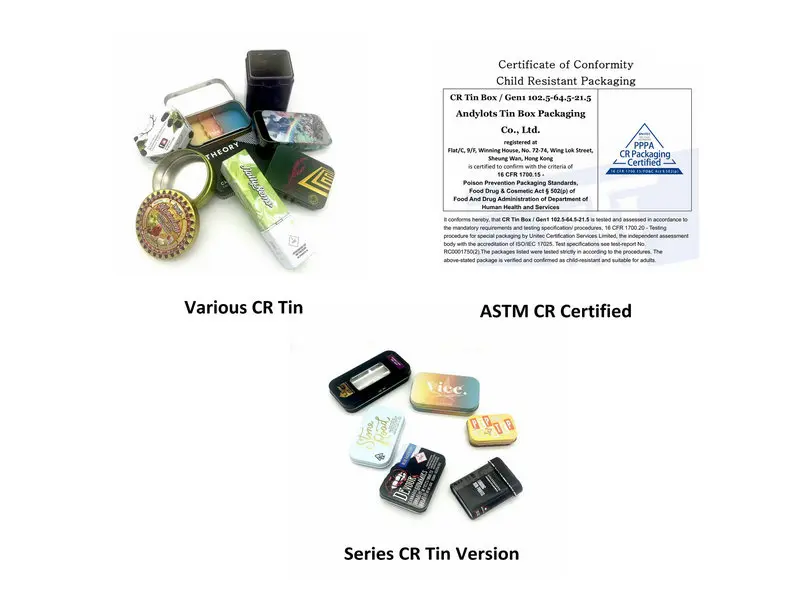
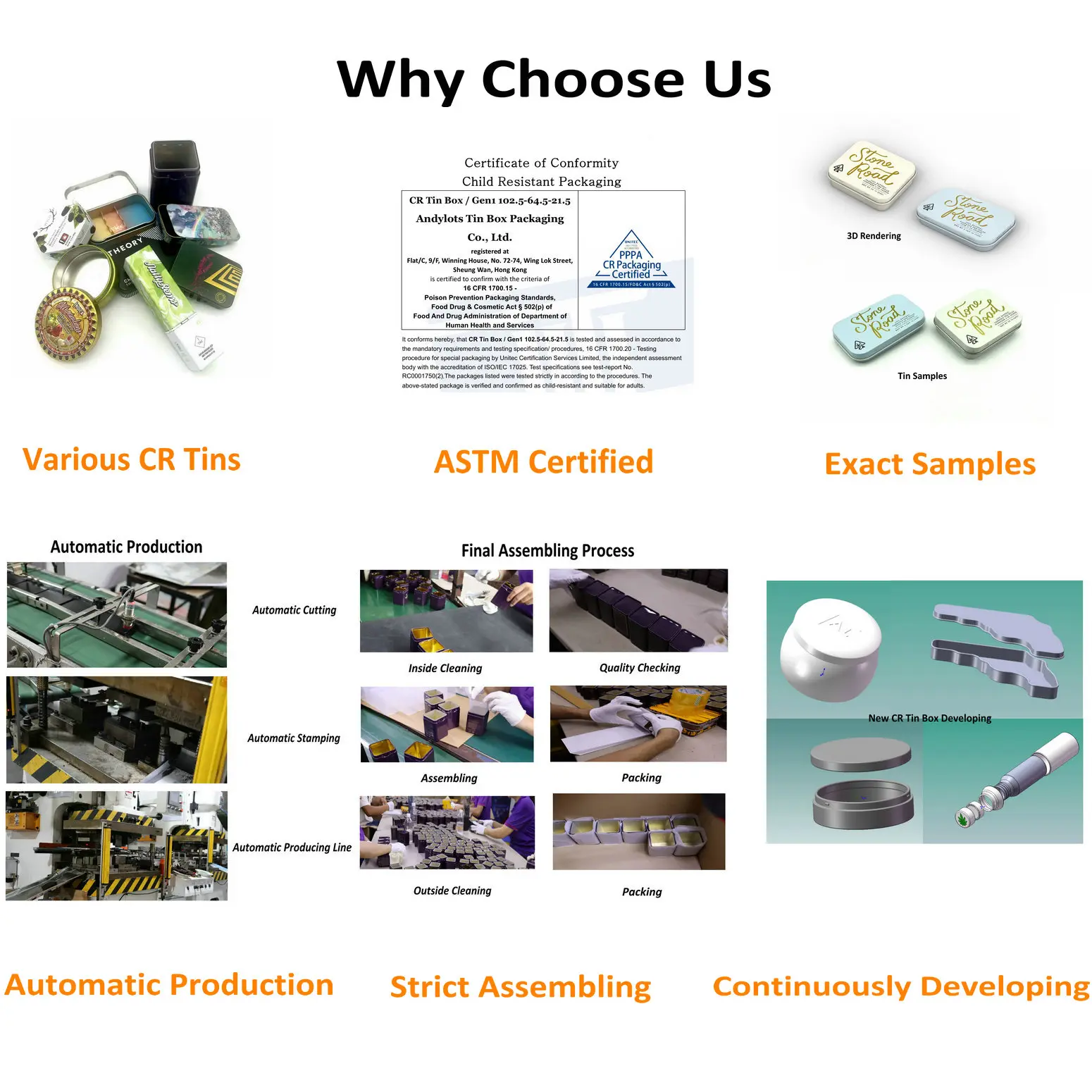
Regulatory authorities worldwide require child-resistant packaging. Our containers meet strict US 16 CFR § 1700.20 standards, which require certified mechanisms that prevent young children from opening the package while remaining accessible to seniors.
Unlike single-use plastics, tinplate is infinitely recyclable without losing material properties. Modern brands use metal packaging to reduce plastic waste and align with global circular economy standards.
Exposure to light, oxygen, and moisture degrades product quality. Our airtight tin containers use food-grade gaskets to preserve terpenes, maintain relative humidity, and extend product shelf life.
Decades of collective packaging expertise, customized structural engineering, and automated line control.
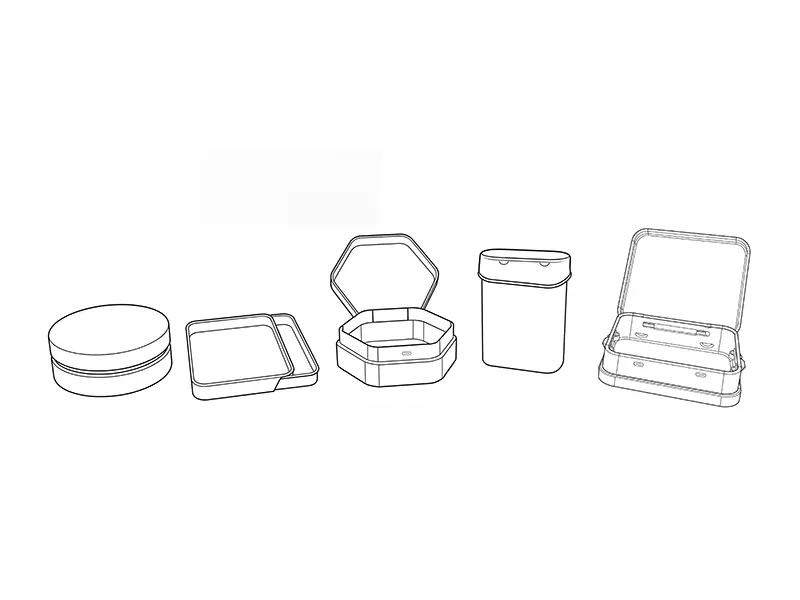
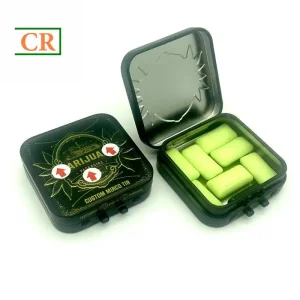
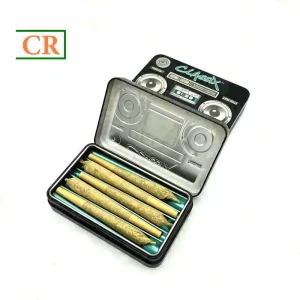
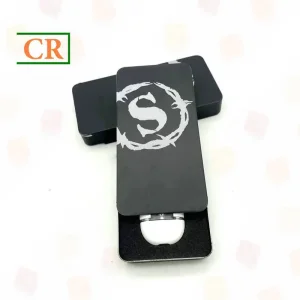
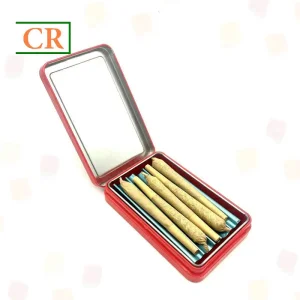
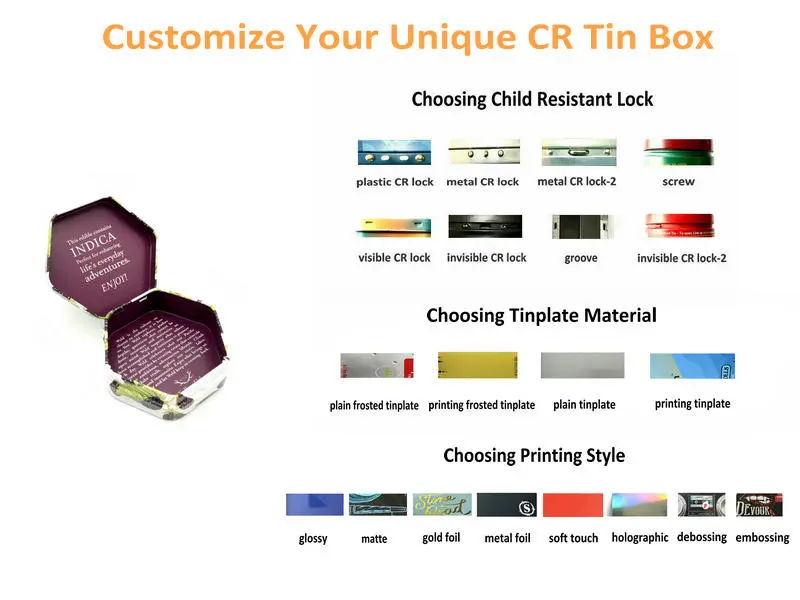
We provide over 12 certified CR tin structures that can be adapted directly to your specific market needs. Our selection includes slide tins, hinged button tins, round child-resistant clamshells, and custom-sized rectangular tins for multi-pack pre-rolls. By selecting from our pre-certified designs, brands can save thousands of dollars in independent testing fees and speed up their time-to-market.
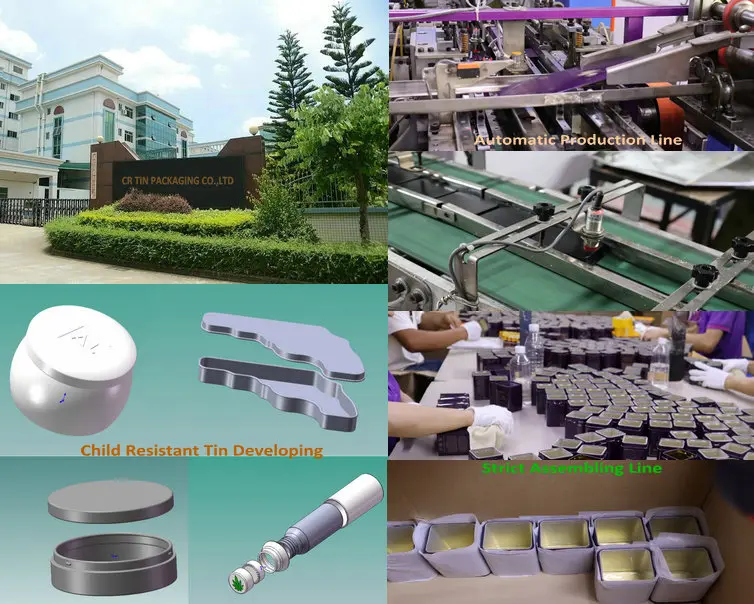
Our dedicated design team translates your brand assets and sizing requirements into functional layouts. We provide 3D CAD modeling, virtual rendering, and 3D-printed physical plastic mockups for hands-on evaluation.
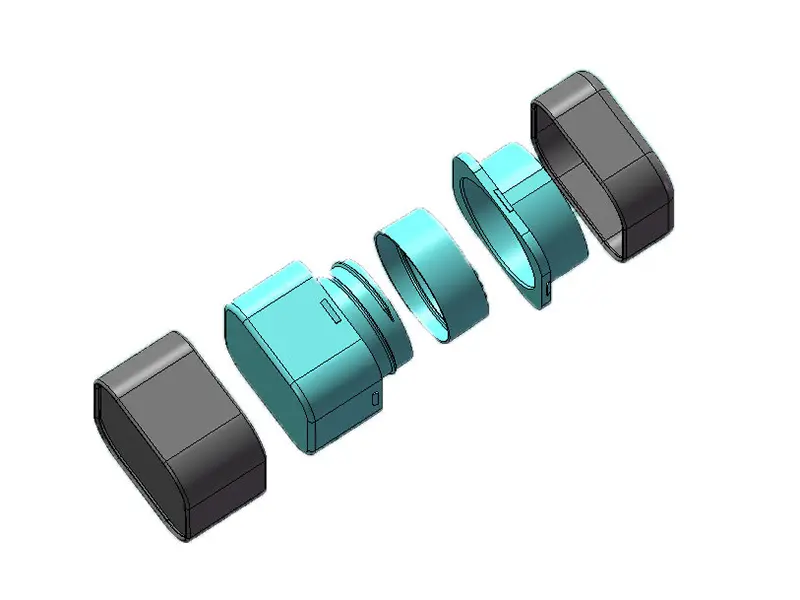
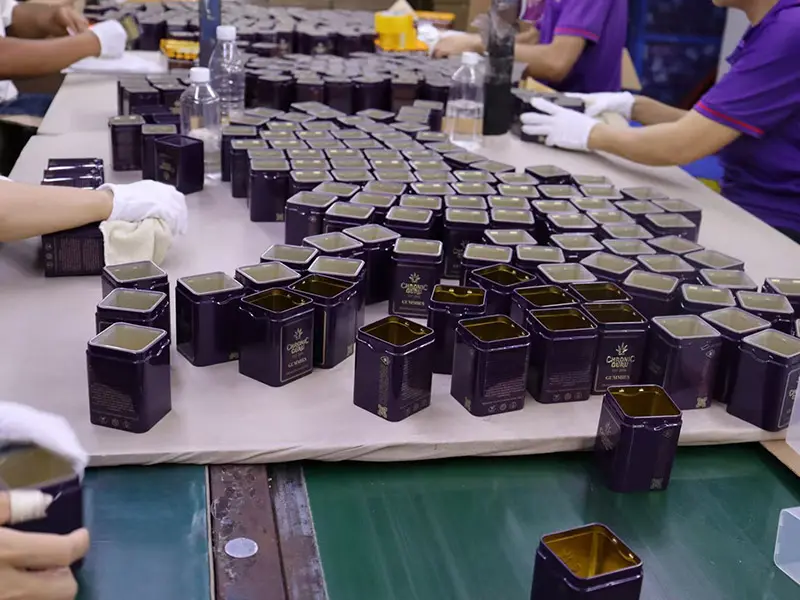
We use automated production lines and post-assembly inspections to keep lock mechanisms working consistently. Automated sensor arrays monitor critical dimensional tolerances to verify that each lock meets ASTM child-resistant standards before leaving the factory.
An inside look at our production processes, cost control structures, and testing guidelines.
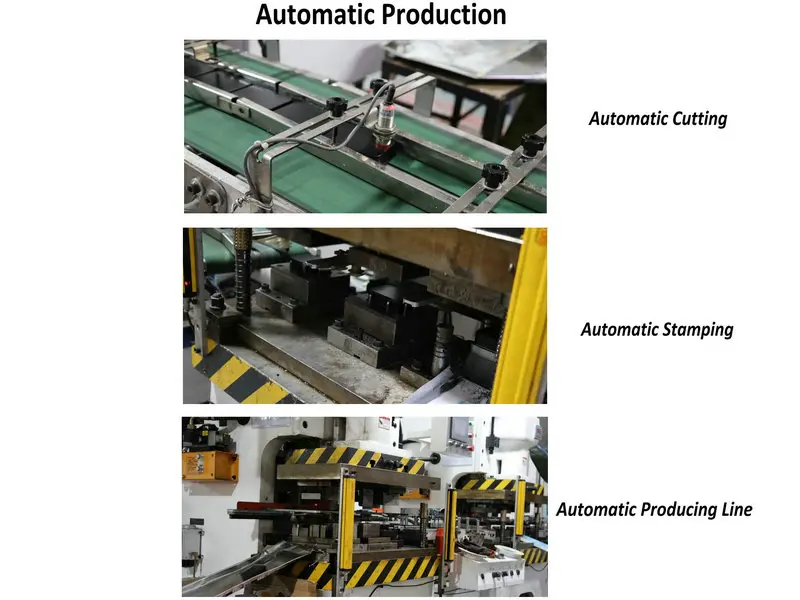
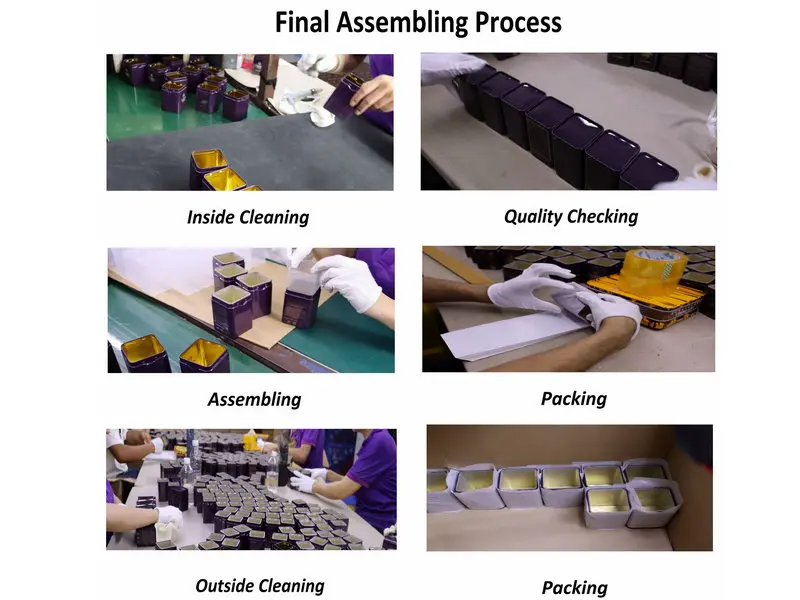
We work closely with clients to build custom packaging solutions that match their brand identity. Our support spans the entire design and engineering process:
Our development team works to improve child safety, extend product shelf life, and integrate smart technologies.
Packaging standards are evolving to address environmental impact and supply chain digitalization. CR Tin is developing technologies to keep our clients ahead of regulatory and market changes.
Developing thin-profile TPE (Thermoplastic Elastomer) gaskets injection-molded directly to the tin rim, providing airtight seals without excess material use.
Testing plant-derived organic varnishes to replace petroleum-based inner coatings, ensuring containers remain fully compostable and food-safe.
Applying surface-laser-etched unique identifier codes on the bottom of tins for supply chain tracking, anti-counterfeiting verification, and direct-to-consumer digital channels.
A summary of packaging requirements and compliance needs across major global consumer markets.
Compliance with 16 CFR § 1700.20 and Health Canada standards is mandatory. States and provinces enforce rules regarding tamper-evident closures, opaque containers, and clear warning label placement. CR Tin specializes in designing surfaces that simplify label application and comply with packaging laws.
EU markets prioritize environmental directives, including the PPWD (Packaging and Packaging Waste Directive) and EPR (Extended Producer Responsibility). Packaging designs must use recyclable mono-materials and focus on lightweight constructions to minimize packaging taxes.
Under TGA guidelines, medicinal formulations require child-resistant packaging. Brands look for clean, high-grade clinical presentations. Airtight tin designs help prevent contamination during long transport routes and periods of storage.
Answers to common questions regarding regulatory compliance, manufacturing operations, and design customization.
 CR Tin