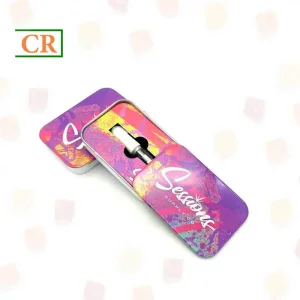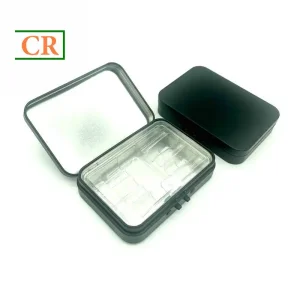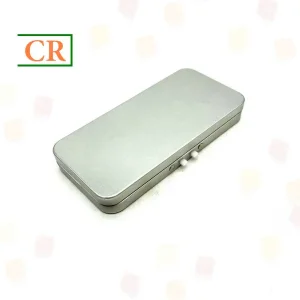
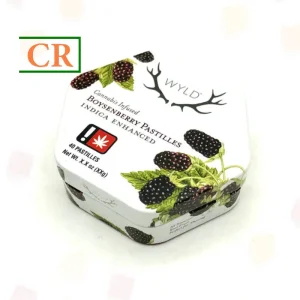
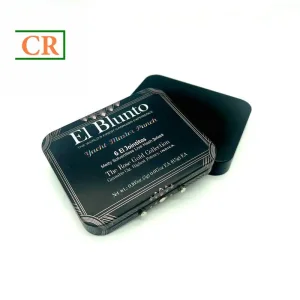
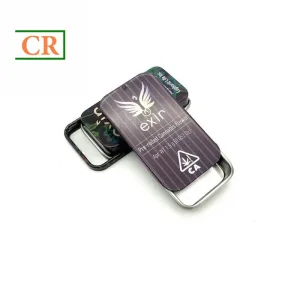
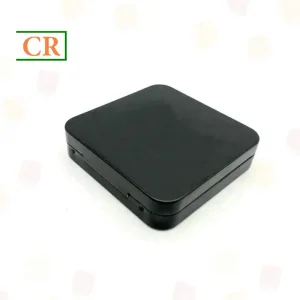
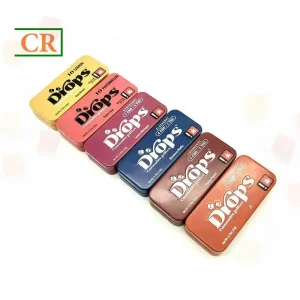
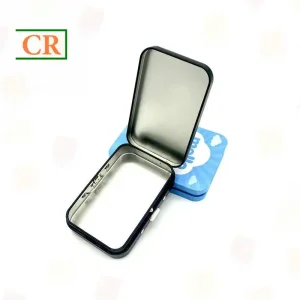
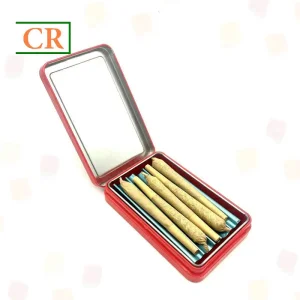
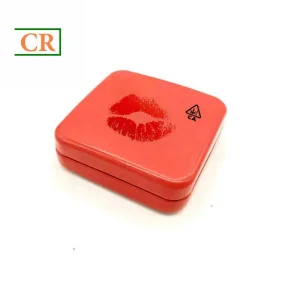
OEM Standup Tin Case Manufacturer & Manufacturers

Premium Child-Resistant Structural Engineering, ASTM Certifications, & Smart High-Volume Metal Packaging Automation for Global Brands.

Authority & Technical Competence: CR Tin

CR Tin (Andylots Tin Box Packaging Co.,Ltd) operates as a leading, single-source professional designer and manufacturer of high-end child-resistant metal configurations. We integrate every stage of the lifecycle in-house: from initial conceptual lock design, complex mold-making, rapid mechanical prototyping, and rigorous ASTM lab certification protocols to automated high-capacity mass production.

Established as a pioneer in the metal packaging market, CR Tin began aggressively developing certified child-resistant (CR) closure systems in 2016. Over nearly a decade of research, structural iteration, and market deployment, we have built a proprietary database of 70+ certified child-resistant lock structures, covering practically all tin packaging form factors required by modern global industries.

By bypassing external design agencies and third-party tooling shops, we secure our clients' intellectual property and drastically speed up time-to-market. Our factory integrates standard electrolytic tinplate sourcing with sophisticated automated press lines, offering unmatched quality assurance for high-volume purchasers in North America, Europe, and Asia-Pacific.
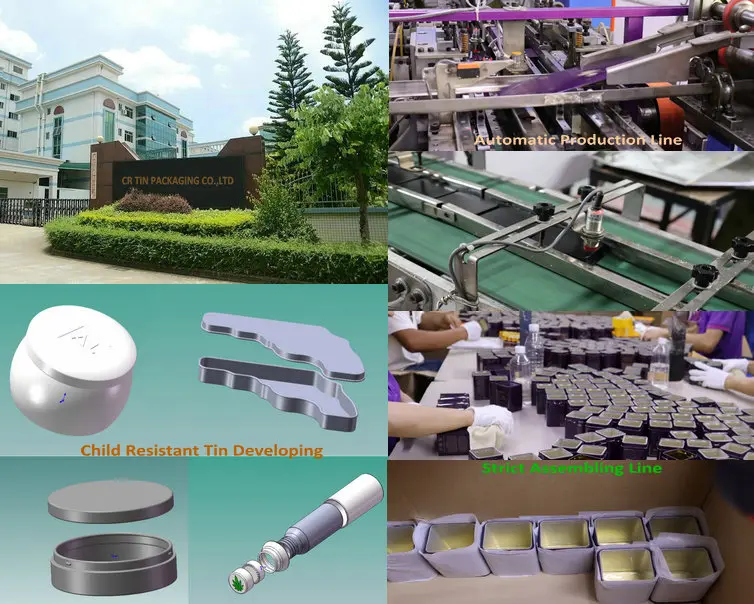
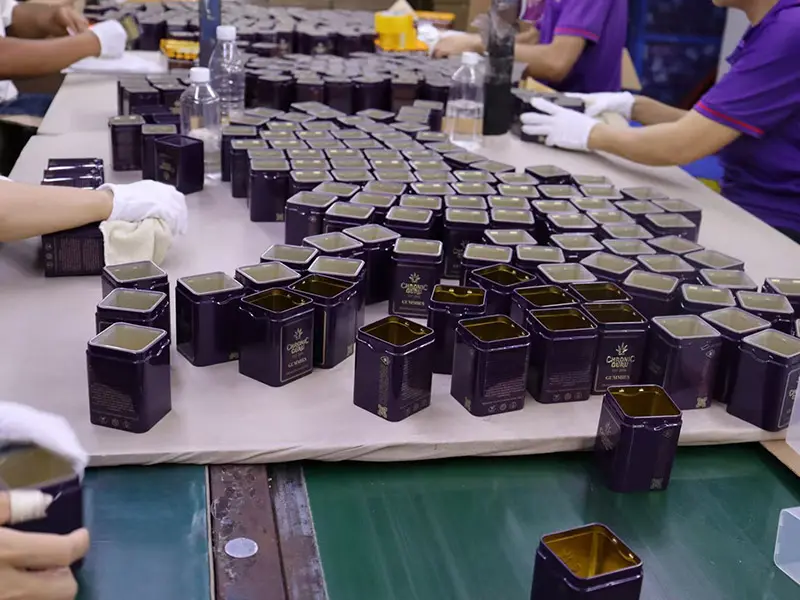
CR Tin Manufacturing Facility and Assembly Line
2016
Inception of CR R&D
12+
ASTM Standard Platforms
8+
Automated Press Lines
30 Days
Tooling & Lab Pass Cycle

Global Landscape: The Rise of Premium Standup Tin Packaging

In the modern regulatory and branding landscape, packaging is no longer treated merely as a container; it is an active touchpoint of structural engineering and regulatory compliance.

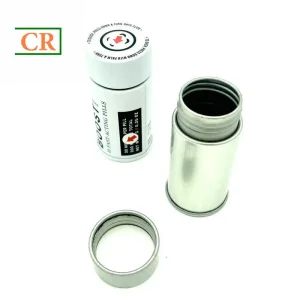
Across the globe, the transition away from single-use plastics toward premium, infinitely recyclable metals has accelerated. The Standup Tin Case has emerged as the premier structural format for industries requiring shelf presence, child-resistant compliance, and tactile brand equity. The global metal packaging market is witnessing unprecedented capital inflow due to two primary macroeconomic drivers: strict government mandates reducing polymer waste and the commercial legalization of controlled active substances (such as medicinal cannabis, infused edibles, and high-potency concentrates) in key economic zones.

In highly competitive retail environments, standup containers maximize vertical shelf space. Traditional flat tins lie horizontally, obscuring branding from the consumer’s direct line of sight. Standup tin cases, conversely, feature structurally reinforced flat bottoms or customized bottom profiles that keep them erect, turning them into micro-billboards. This visual advantage is highly sought after by brands in the specialty confectionery, pharmaceutical, cosmetics, and premium herbal sectors. The metal casing communicates premium quality, which allows brands to command higher price points while protecting delicate items inside from crushing, light exposure, and humidity.

Certified Child Proof Structural Formats

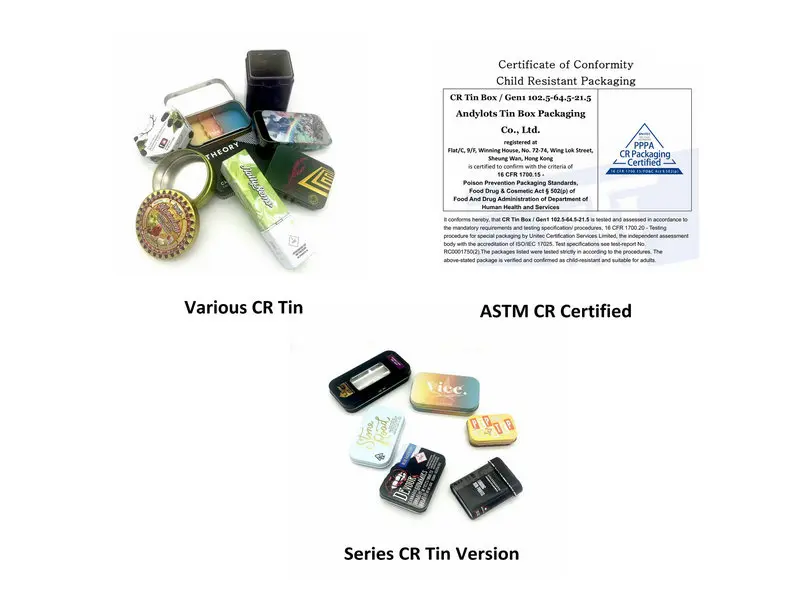
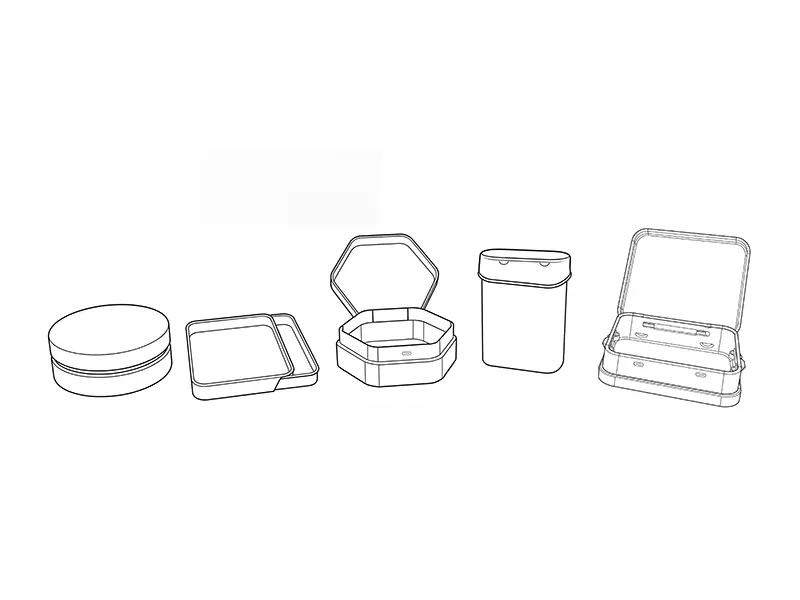
Various CR Tin Options

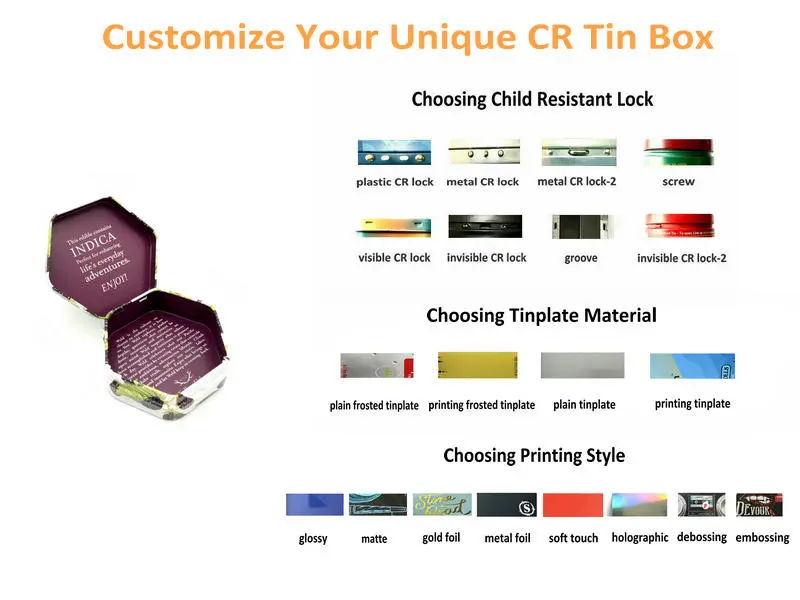
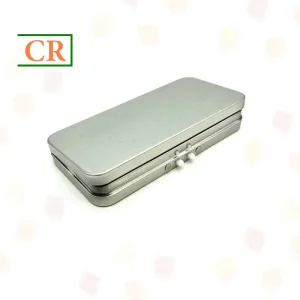
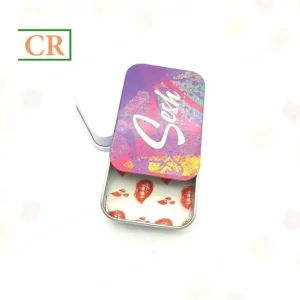
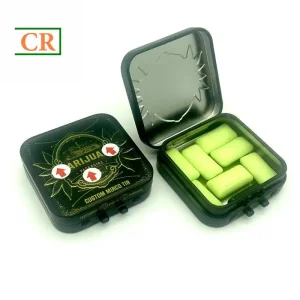
We provide over 12 proprietary, certified CR tin architectures. This variety allows procurement directors to balance ease-of-use for adult consumers with full compliance and child safety.

In-House R&D Team Designing Tin Tooling

Strong Custom R&D

Our dedicated design team offers free custom CR engineering, advanced 3D rendering, and fast-turnaround 3D physical modeling to speed up market validation.

Precision Quality Control Inspection and Automations

Rigorous QA Metrics

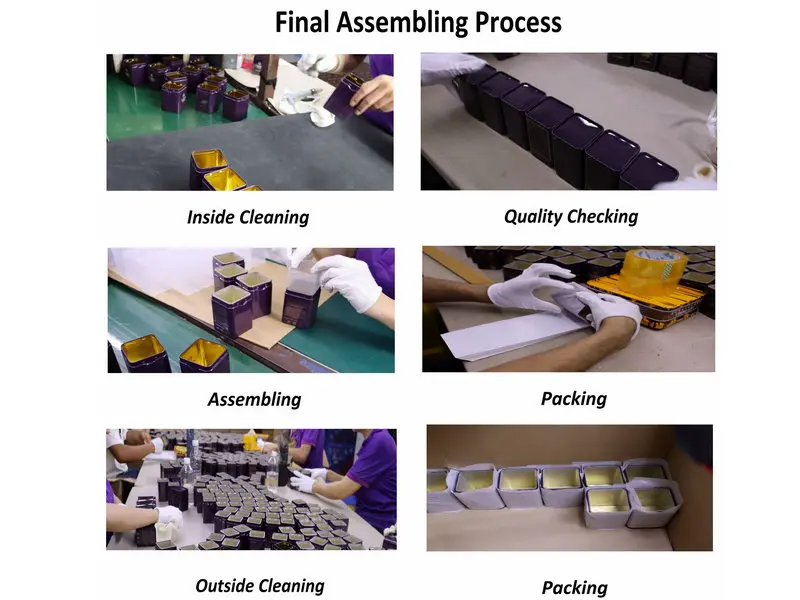
By integrating automation with manual QC steps, we guarantee tight structural tolerances, smooth closing mechanisms, and zero-defect batches.

Innovative CR Tin Structures for Global Compliance

Structural Safety: ASTM D3475 Compliance

For brands operating in regulated markets, ensuring child-resistant (CR) integrity is a legal necessity. CR Tin builds packaging that meets the strict guidelines of 16 CFR Part 1700.20 and ASTM D3475 standards. These protocols require that the container be highly difficult for children under 5 years old to open, while remaining easy to use for elderly adults.

Metal’s inherent rigidity makes it a superior option for these mechanics. Traditional plastic packaging degrades and loses its seal over time, but tinplate maintains its form. This allows locking features—such as dual-button compression hinges, slide-and-press latches, and internal spring-loaded tabs—to work consistently throughout the lifetime of the product.

Our team has spent eight years refining these tolerances down to the sub-millimeter level. A fraction of a millimeter can mean the difference between a packaging design that fails certification and one that secures global compliance, keeping your brand safe from costly recalls.

Technical Specifications & Sourcing Strategy

What global procurement teams must evaluate before signing multi-million unit tin contracts.

1. Material Specifications

We source top-tier Electrolytic Tinplate (ETP) featuring a temper range of T2 to T4. This balances the structural strength needed for vertical standup displays with the flexibility required for deep-draw molding.

2. Coating Integrity

All internal coatings are food-grade and certified free of BPA, PFAS, and heavy metals. We apply specialized organosol or polyester varnishes to prevent degradation from products high in essential oils.

3. Automated Assembly

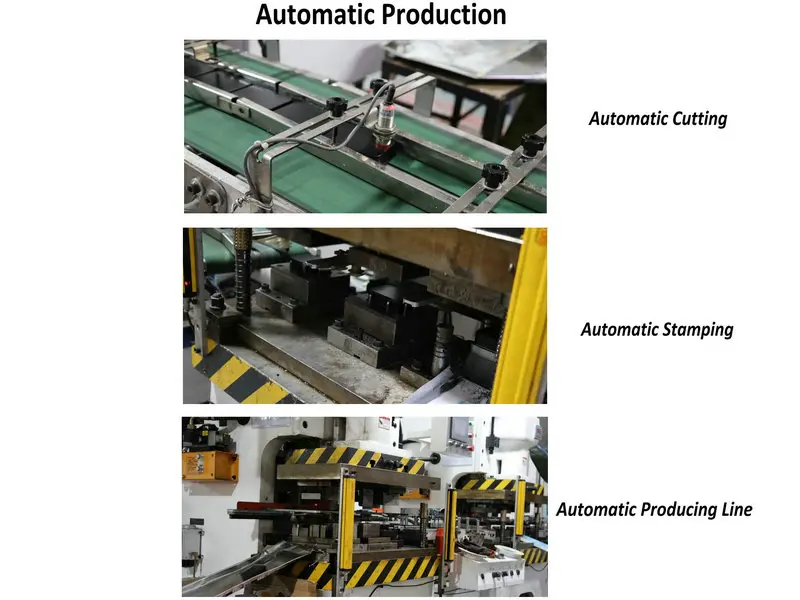
Our 8+ automated production lines run continuously to guarantee consistent assembly. This keeps the dimensional tolerances of our locking mechanisms uniform, preventing failures on automatic filling lines.

Global Compliance & Regional Target Markets

How different global regions utilize custom Standup Tin Cases to navigate regional legislation and consumer behaviors.

North America (US & Canada)

Primarily focused on cannabis compliance. The market demands ASTM-certified, opaque, child-resistant standup tins for pre-rolls, edibles, and CBD-infused products. Packaging must prevent aroma leaks and fit cleanly onto retail shelves.

Europe (United Kingdom & EU)

Highly focused on pharmaceutical grade mints, medicated throat lozenges, and premium cosmetics. Sustainability is key, with European brands requiring plastic-free, monomaterial tinplate packaging that is 100% recyclable.

Asia Pacific & Domestic Consumption

Driven by premium tea packaging, high-end nutritional supplements, and functional food markets. Custom embossing, high-definition offset lithography, and holographic coatings are used to make products stand out on crowded shelves.

E-Commerce & Direct-to-Consumer (DTC)

Brands look for crush-resistant standup metal cases that reduce the need for bulky protective bubble wrap in shipping. This lowers overall dimensional weight and reduces transit damage rates.

How We Drive Global Sourcing Efficiency

A look at the processes and support systems that allow CR Tin to deliver certified metal packaging at competitive rates.

1. Various Certified Child Resistant Tin Boxes Options

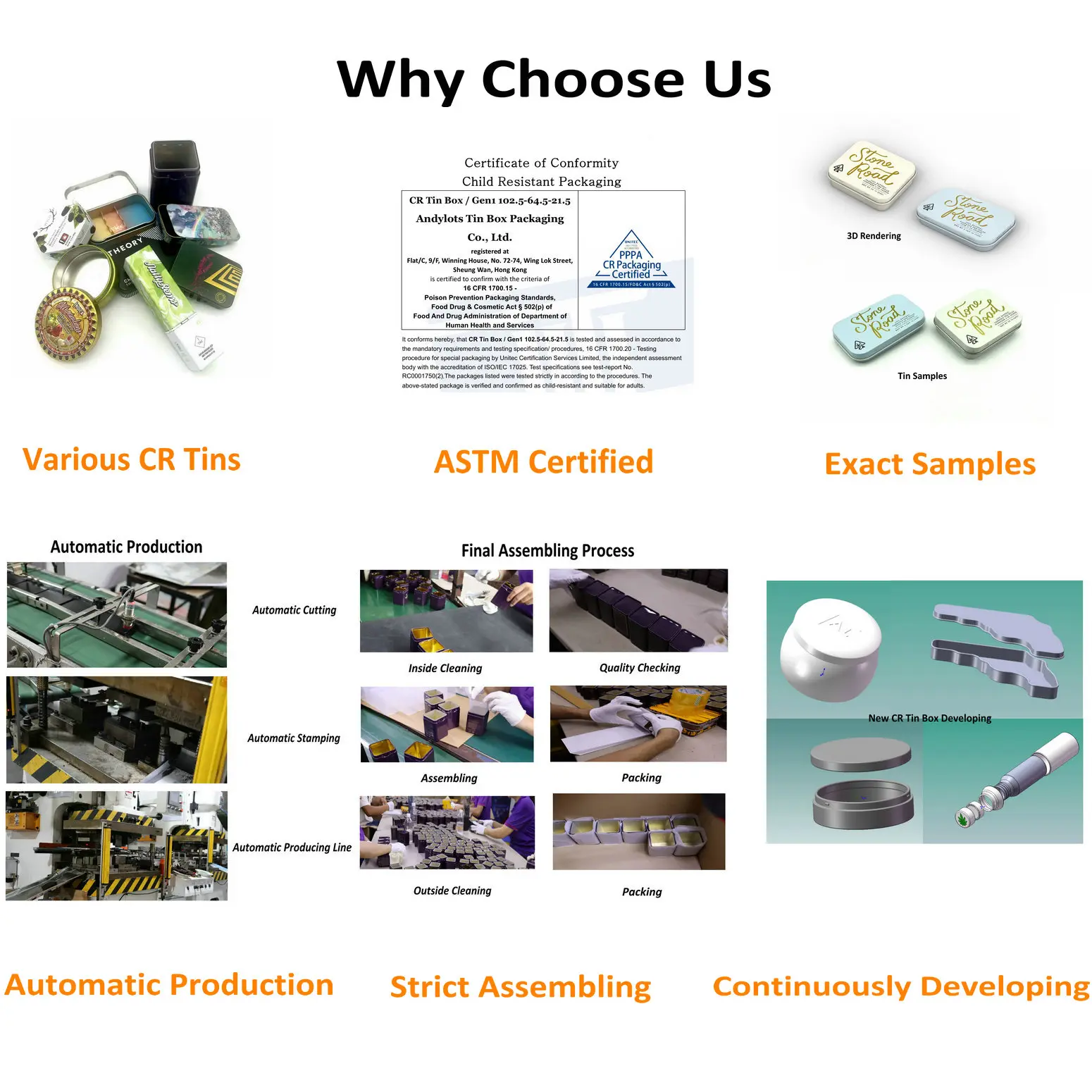
With eight years of child-resistant tin development experience, our team has built a wide range of custom CR packaging options. The majority of our tin structures have completed official ASTM child-resistant certification, creating a ready-to-use system of certified designs. This collection of pre-certified tooling options allows you to bypass expensive testing fees and secure compliant packaging quickly.

Certified Child Proof Metal Tin Database

2. Factory Cost Controls

We work to reduce packaging costs through structural optimization. By simplifying CR locking mechanisms, we reduce the complexity of the stamping tooling. This is supported by our automated production lines, which lower labor costs, and our long-term partnerships with trusted accessory suppliers. We also continuously update our production technology to maximize material yield and reduce waste.

Cost Optimization and Automated Stamping Press Lines

3. Quality Guarantee & Inspection Protocols

To ensure high standards across every production run, our quality control process is integrated into each stage of assembly. We conduct strict QC checks on incoming raw materials and external components. This is backed by automated sensor calibrations on the production line, followed by visual inspections during final packaging. We also support inspections by independent, third-party agencies to provide complete quality reports before shipping.

Quality Control Protocol and Metrology Checkups

4. Custom Structural Engineering Support

Our engineering team helps clients bring custom designs to life. We guide you through selecting the right tin structure, creating 3D CAD files, and building 3D plastic prototypes for functional testing. We also assist with graphic layout rendering, ensuring that your branding and product warnings fit cleanly onto the final metal shape.

3D CAD Mockup and Custom Embossing Engineering

Technical & Procurement FAQ

Answering the primary regulatory and logistical questions from global buyers and sourcing managers.

Q1. What makes a standup tin case compliant under ASTM D3475?

To meet the standard, a container must require two distinct, non-intuitive motions to open (such as press-and-turn or squeeze-and-slide). Our tins are engineered to require physical coordination beyond the typical development range of a child under 5, while remain easy for adults to open, ensuring full compliance with child safety regulations.

Q2. Can we use existing certified tooling to avoid certification testing fees?

Yes. We offer over 70 pre-designed, certified child-resistant tin styles. By choosing one of these existing structures, you can use our current certification documents for your regulatory compliance. This allows you to skip the testing process and save on testing costs.

Q3. How does CR Tin protect against rust and oxidation with liquid or oily contents?

We apply protective food-grade varnishes (such as organosol coatings or specialized lacquers) to the tinplate. These coatings act as a barrier to prevent corrosion from essential oils, terpenes, or humidity, maintaining the structural strength and appearance of the metal.

Q4. What is the typical lead time for a completely custom tin mold?

We can deliver initial 3D design files and physical 3D-printed prototypes within 3 to 5 days. Once the design is approved, the custom steel tooling and physical pre-production samples are completed within 30 days. Mass production then takes between 25 to 30 days, depending on the order size.

Q5. Do you support third-party lab inspections prior to cargo dispatch?

Yes. We regularly work with third-party testing and inspection firms, including SGS, TÜV, and Intertek. We provide complete access to our production lines and warehouse spaces for quality audits and batch inspections.