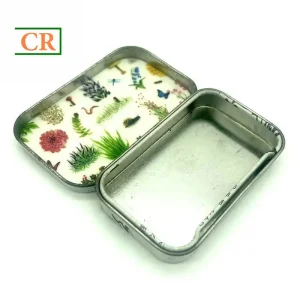
Pioneering standard-compliant, premium metal containers designed for the growing food, supplements, and legal cannabinoid industries in Latvia.
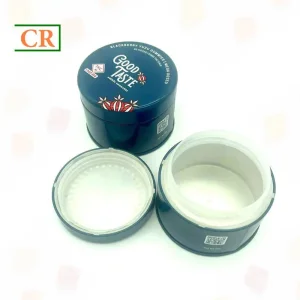
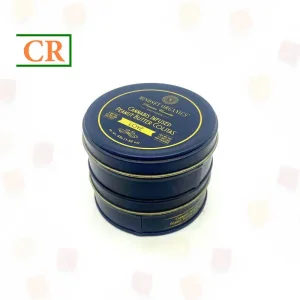
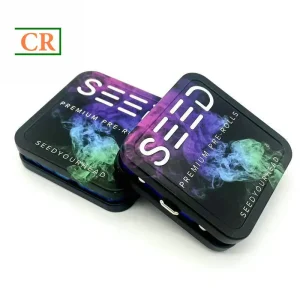
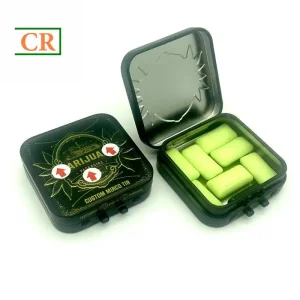
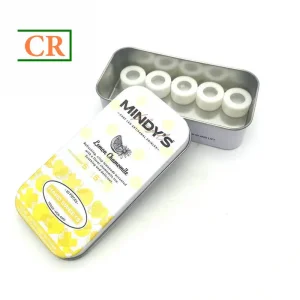 OEM Larger Airtight Child Resistant Tin Box Suppliers, Factories (Latvia Distribution)
Get Latvian Quote
OEM Larger Airtight Child Resistant Tin Box Suppliers, Factories (Latvia Distribution)
Get Latvian Quote
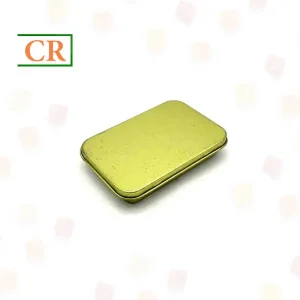
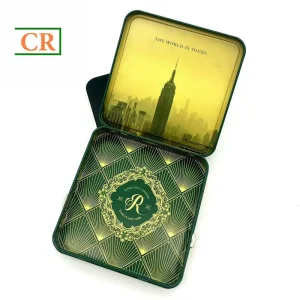
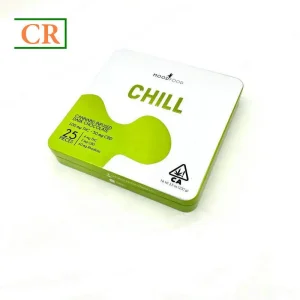
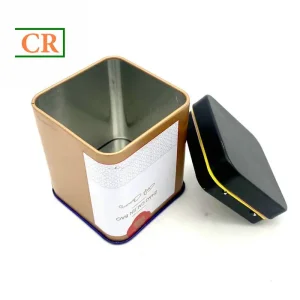 OEM Gummies Square Child Resistant Tin Box - 2.1x2.1 inches Manufacturers, Factory (Latvia Premium)
Get Latvian Quote
OEM Gummies Square Child Resistant Tin Box - 2.1x2.1 inches Manufacturers, Factory (Latvia Premium)
Get Latvian Quote
An authoritative analysis of food-grade regulatory shifts, consumer dynamics, and direct manufacturing interfaces in the Baltic region.
Latvia, located strategically on the Baltic Sea, has transformed into an active logistics and production hub connecting Northern Europe, Western Europe, and the CIS region. The country's confectionery industry, built on decades of heritage brands like Laima, is now merging with contemporary food-science and wellness trends. Notably, the Baltic markets are experiencing a significant surge in premium, functional, and organic edibles. These include herbal-infused lozenges, functional nutraceutical gummies, plant-derived food supplements, and premium botanical chocolates designed for modern health-conscious consumers.
For Latvian enterprises exporting to larger EU markets such as Sweden, Germany, and the Netherlands, compliance with rigorous European packaging standards is paramount. Traditional plastic packaging faces steep legislative headwinds due to the European Green Deal and national circular economy initiatives in the Baltics. This shifts the focus toward 100% infinitely recyclable metal containers, establishing tinplate as the material of choice for sustainable consumer packaging.
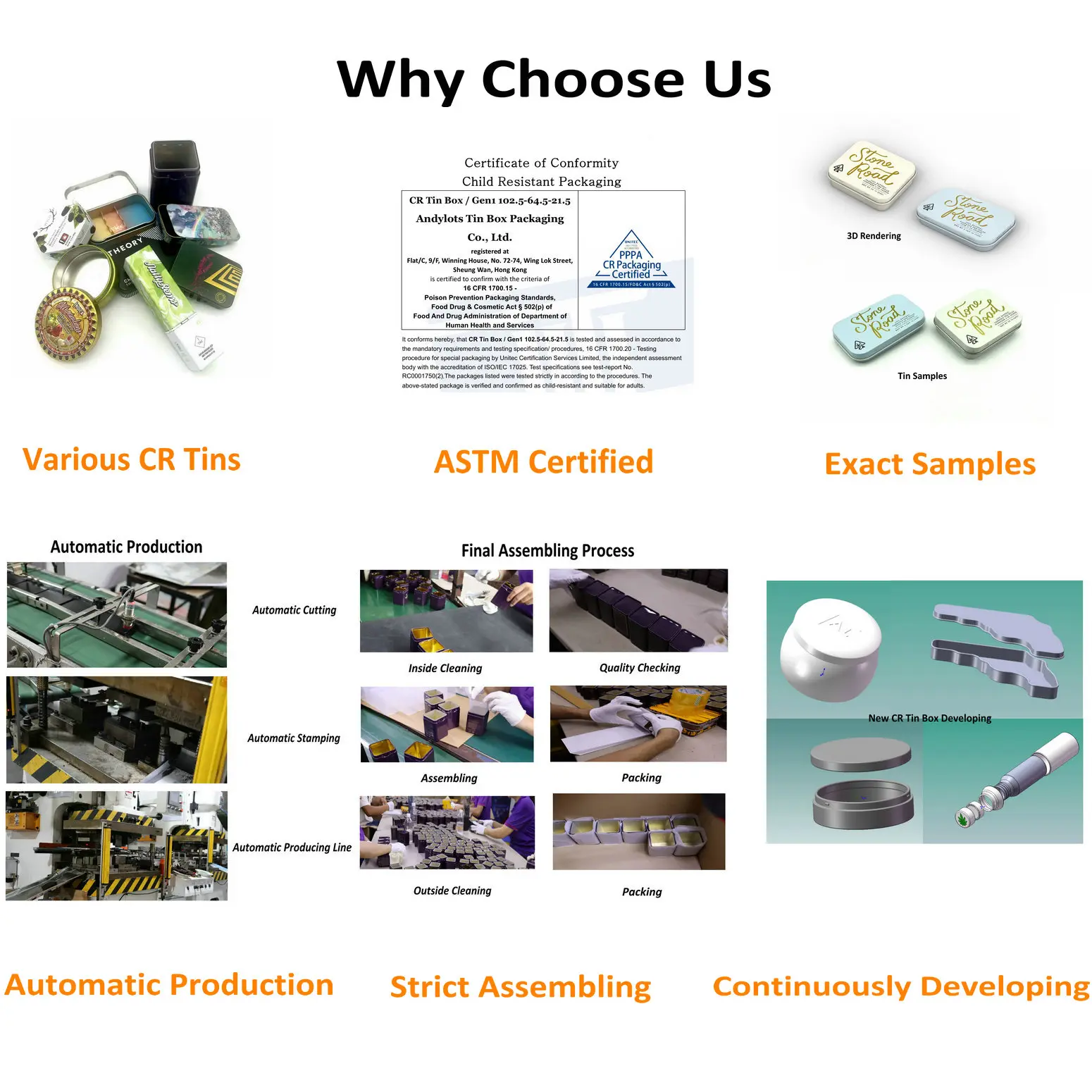
In Europe, consumer safety is governed by strict regulatory frameworks. For packaging housing active supplements, herbal extracts, and concentrated wellness edibles, Child-Resistant Packaging (CRP) must satisfy specific global certification procedures, including ISO 8317 (for reclosable packaging) and EN 14375 (for non-reclosable packaging). In North American export channels, alignment with ASTM D3475 is mandatory.
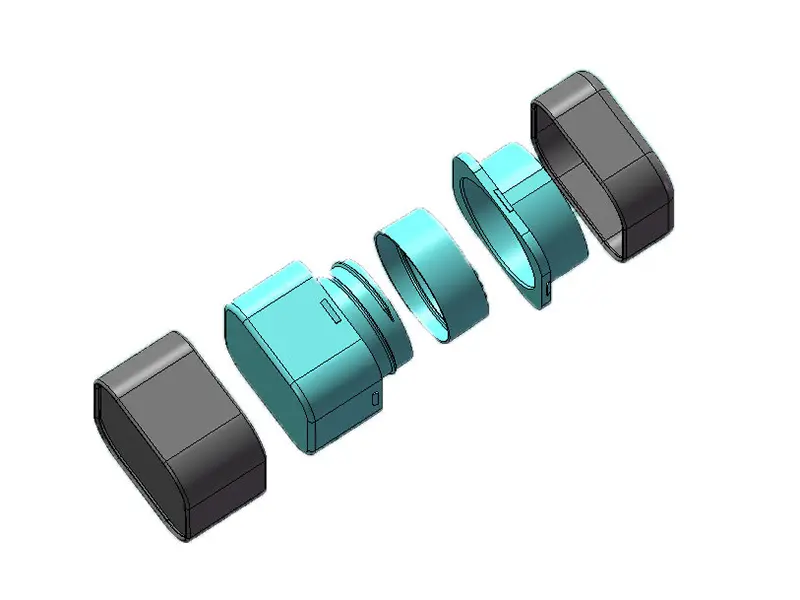
Standard child-resistant mechanism engineering requires balancing child deterrence with adult accessibility, particularly for elderly consumers. Modern design utilizes complex push-and-turn, squeeze-and-slide, or button-activated dual-action latches. Food safety regulation (EC) No 1935/2004 additionally mandates that any metal container coming into direct contact with food must use strictly certified, BPA-free organic lacquer coatings to prevent corrosion and maintain organic product freshness over extended shelf cycles.
| Parameters & Specifications | Industry Standards | CR Tin Factory 4.0 Standard | Benefit for Latvian Distributors |
|---|---|---|---|
| Material Base | Standard ETP Tinplate | First-Grade Electroplated Tinplate (0.23mm - 0.28mm thickness) | Exceptional mechanical strength, high structural rigidity, and drop-proof capacity. |
| Internal Coating | Commercial Varnish | Food-Grade FDA approved, BPA-free Organosol/Epoxy-Phenolic Lacquer | Prevents active ingredient degradation and food oxidation. Suitable for damp Baltic climates. |
| Lock Safety Certifications | Standard Locking | ASTM D3475, ISO 8317, 16 CFR Title II § 1700.20 compliant | Guarantees seamless customs clearance and liability mitigation for global distribution. |
| Airtight Seal Integrity | Lid Friction Fit | Food-Grade Liquid Silicone Pour Injection / Neoprene Gaskets | Hermetic environment preserves volatile aromas, terpenes, and freshness. |
Proven performance numbers that underpin our position as an industry-leading manufacturer of high-end child-resistant metal packaging.
How our specialized manufacturing system delivers cost reduction and high quality for brands in Latvia and around the globe.
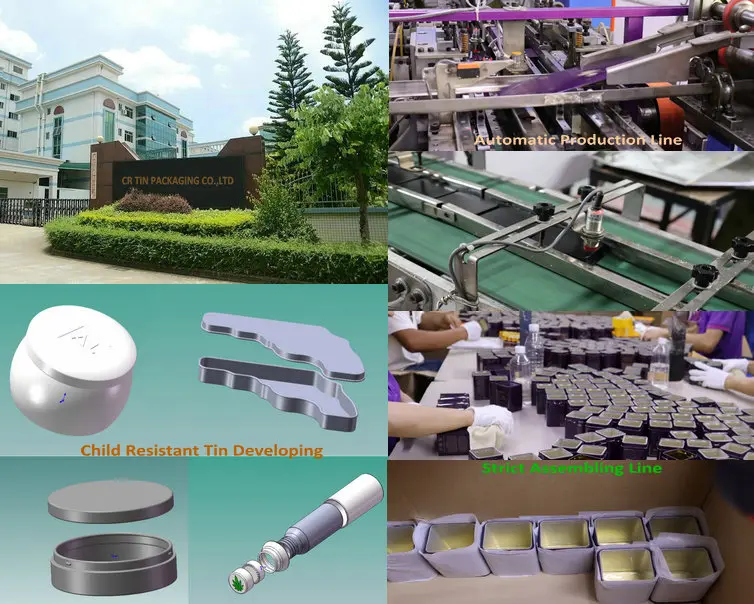
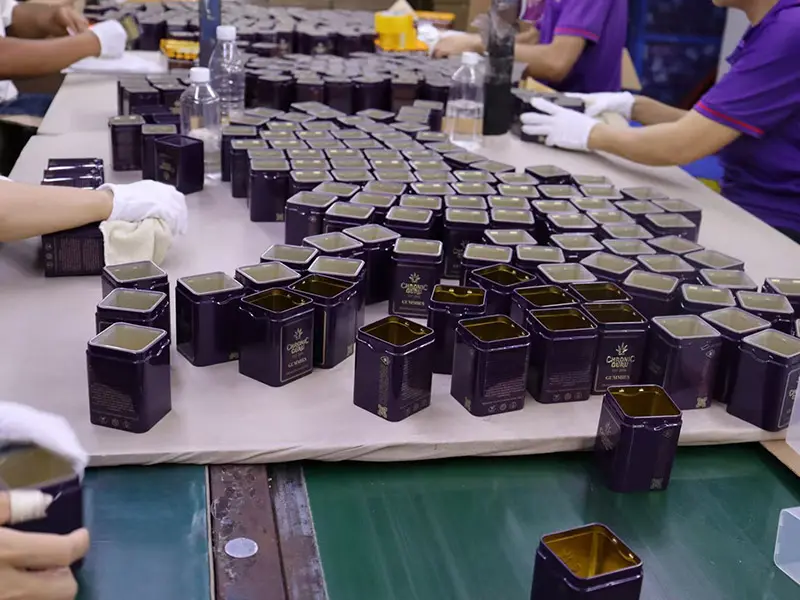
We deploy dual automated optical inspection (AOI) cameras along high-speed stamping lines. Each lock mechanism undergoes tension-gauge testing to ensure smooth child-resistant function, while secondary hand-packing teams verify cosmetic quality.
Our packaging engineering team delivers comprehensive 3D CAD modeling and digital functional mockups within 48 hours. Plastic 3D printed functional locks can be shipped overnight to Latvia to fast-track stakeholder sign-off.
By leveraging fully integrated automated metal forming and hinge-rolling machinery, we reduce hand labor overheads. This passes direct structural cost savings onto Latvian wholesalers and distributors.
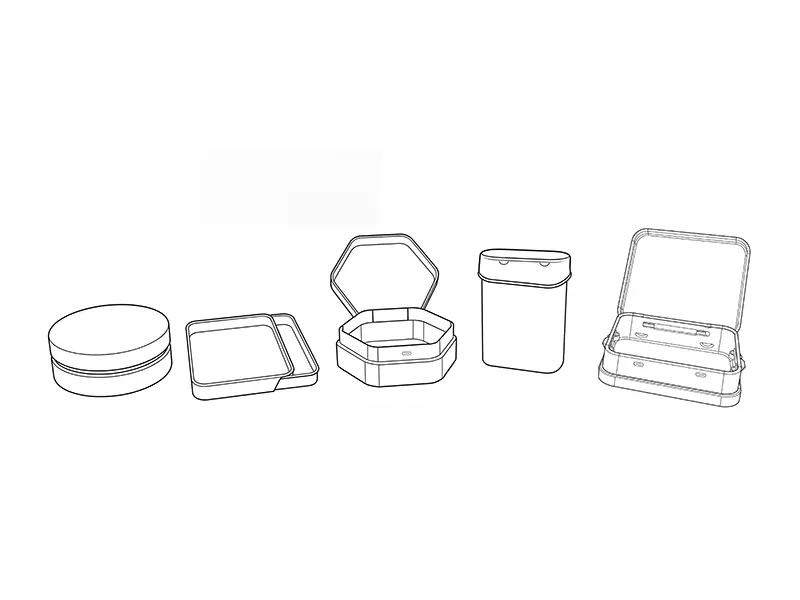
Our catalog features 12 structural styles designed to suit diverse consumer layouts, ranging from sleek, thin pocket tins for functional lozenges to deep, airtight cans tailored for flower preservation. Our design philosophy prioritizes optimized metal utilization, keeping bulk weight and raw material costs low to help minimize ocean freight charges from China to the Port of Riga.
CR Tin (Andylots Tin Box Packaging Co., Ltd) coordinates high-precision production through ERP-controlled supply chains. Our manufacturing hubs in China provide stable access to raw materials and maintain consistent delivery timelines, insulating operations from localized material shortages.
With direct shipping access to maritime routes and the China-Europe Railway Express (New Silk Road), we provide reliable, predictable cargo options directly into Riga. This reliable shipping setup helps minimize port delays, keeping inventory levels consistent for Latvian retailers.
Every sheet of raw tinplate is accompanied by a mill chemical certification, confirming it is free from lead, heavy metals, and radiation. In addition to our internal QC steps, we coordinate third-party testing with organizations like SGS or Intertek to provide customers with independent quality reports.
This strict traceability supports organic and pharmaceutical certifications for wellness edibles manufacturers in Latvia, helping brands confidently verify the safety of their food-contact packaging.
A detailed breakdown of our material procurement, tooling engineering, cost controls, and custom design practices.
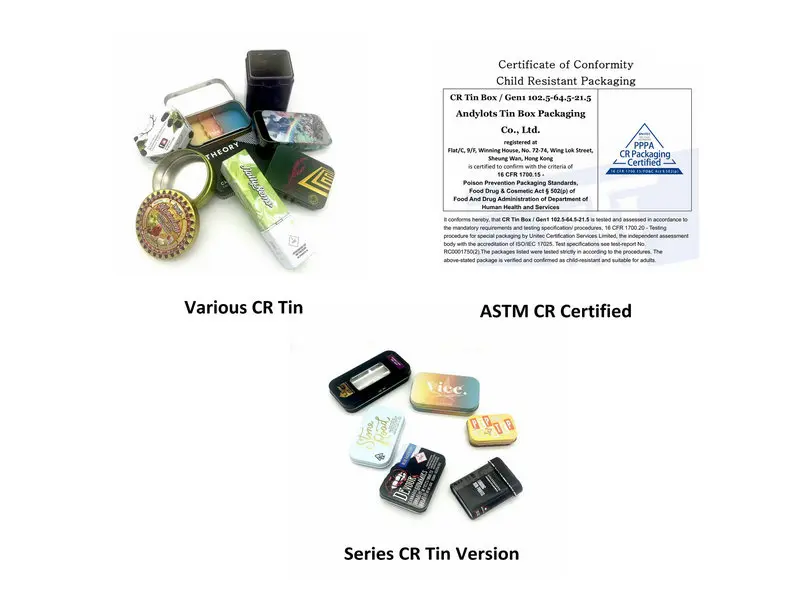
Over 8 years of specialized R&D has created an array of ASTM-certified mechanisms, providing proven locking structures that ready products for immediate market entry.
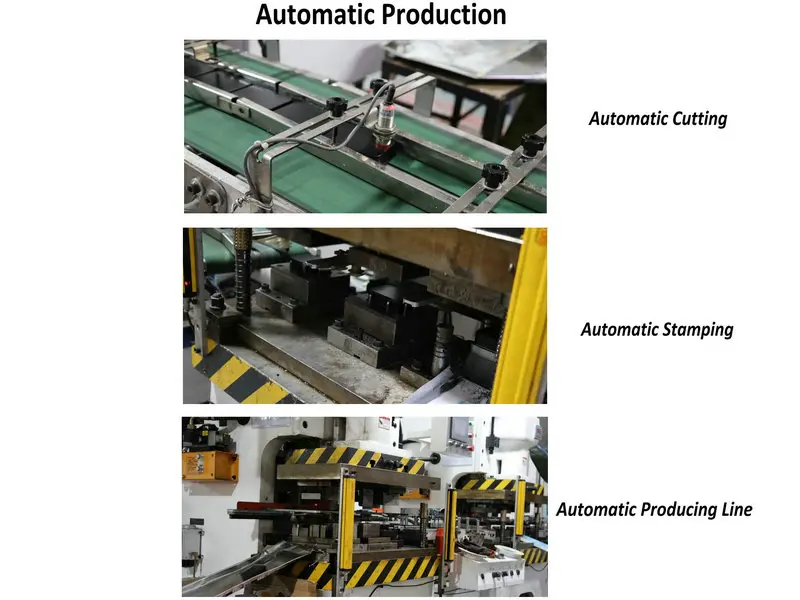
By refining locking mechanisms to simplify forming steps and using automated assembly, we control unit costs without sacrificing security.
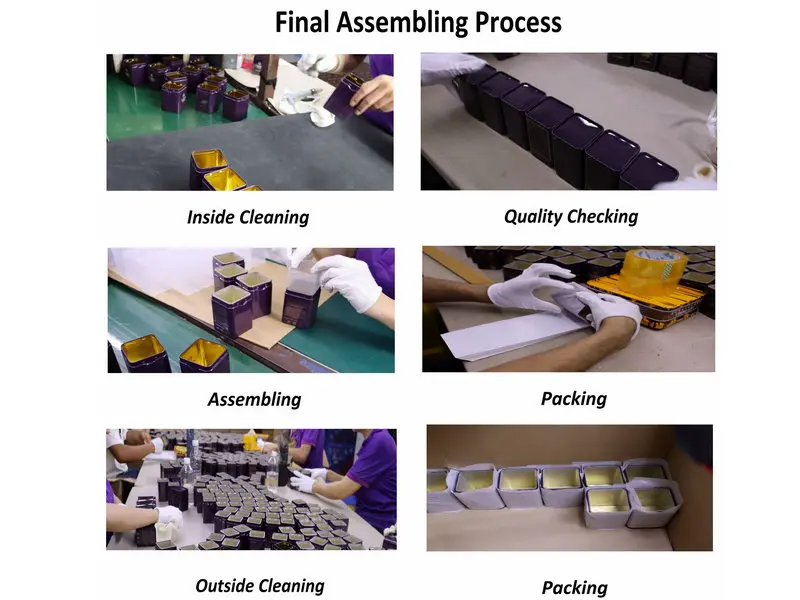
From assessing incoming tinplate batch thickness to testing final locking function, our structured inspections help maintain quality consistency across production runs.
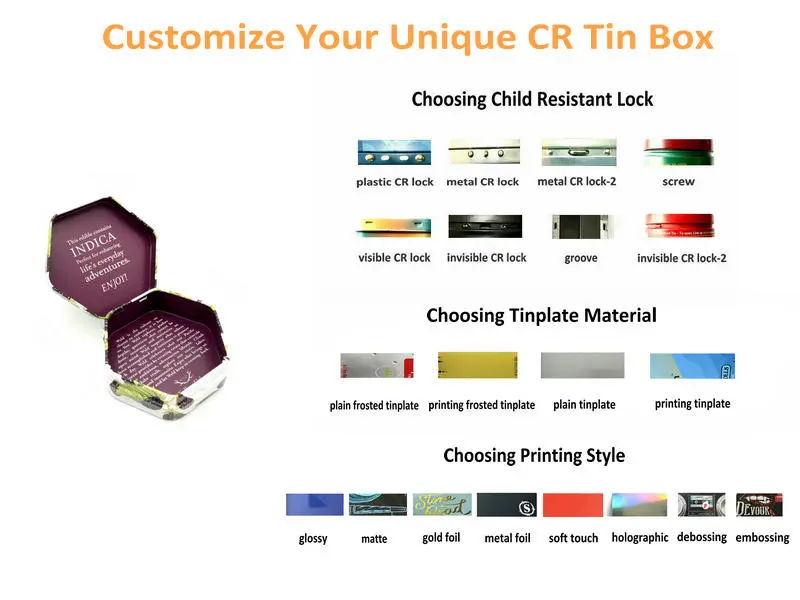
We offer custom options including multi-dimensional embossing, debossing, gloss and matte finishes, spot UV coatings, and internal dividers designed for multi-flavor selections.
Browse our complete list of technical product solutions. All items are customizable with branding, dimensions, and locking mechanisms.
How Baltic brands apply child-resistant packaging to meet diverse product requirements.
Latvian health food manufacturers utilize our airtight child-resistant tins to package premium botanical gummies, cold-pressed pastilles, and herbal throat lozenges. In Baltic sea environments with fluctuating humidity, the integrated silicone gasket maintains an internal micro-climate. This helps prevent moisture ingress, keeping products dry, fresh, and free from early degradation.
For Baltic brands expanding their reach to regions with strict child-safety packaging mandates—such as Germany, the UK, or North America—having verified child-resistant packaging is essential. Using tins certified under ISO 8317 and ASTM D3475 standards helps businesses navigate international customs smoothly, preventing product delays and supporting entry into new markets.
Expert responses addressing key procurement, logistics, and certification queries for operations in Latvia and Northern Europe.
Yes. Our child-resistant metal packaging is manufactured using premium electroplated tinplate and coated internally with food-grade, BPA-free lacquers compliant with Regulation (EC) No 1935/2004. Material safety data sheets (MSDS) and FDA conformity certificates are available for every delivery batch.
We coordinate with reliable global ocean carriers to ship containers directly from Chinese ports (such as Ningbo or Shanghai) to the Port of Riga. For faster turnarounds, cargo can also be routed via the China-Europe Railway Express, which provides overland rail transport straight into Baltic distribution hubs.
Our lock styles are certified under international standards, including ISO 8317 (reclosable child-resistant packaging) and ASTM D3475. These tests evaluate the locking mechanisms with child and adult panels to ensure child deterrence and ease of use for senior consumers.
Our standard MOQ for custom lithography-printed runs starts at 10,000 units per size/structure. This helps distribute setup and tooling expenses efficiently, ensuring access to cost-competitive pricing for full-scale production runs.
Yes, we support prototyping steps. We provide 3D CAD drawings, plastic 3D-printed mockups to verify locking function, and custom metallic print samples to check print alignment and finish quality before starting bulk production.
Our specialized airtight tin models use liquid-poured silicone gaskets or food-grade neoprene liners inside the lid. This creates an airtight seal that limits air exchanges, keeping moisture out and extending the shelf life of functional candies and botanical sweets.
 CR Tin