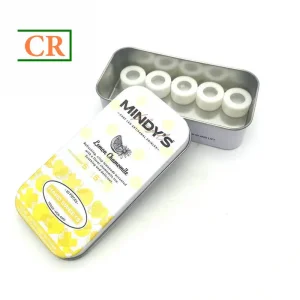
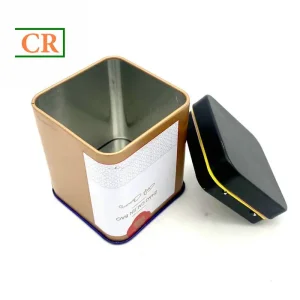
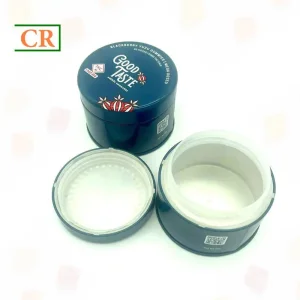
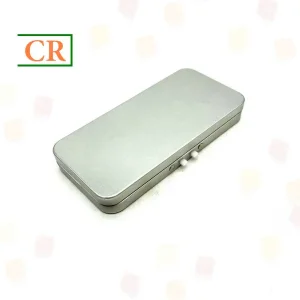
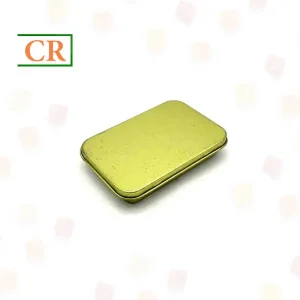
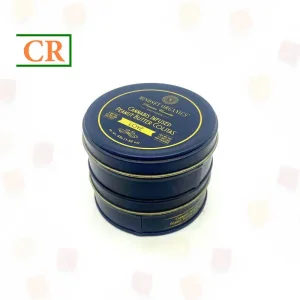
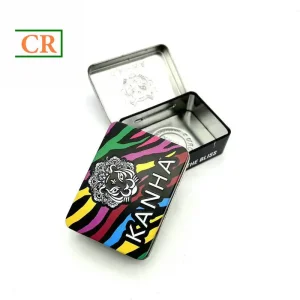
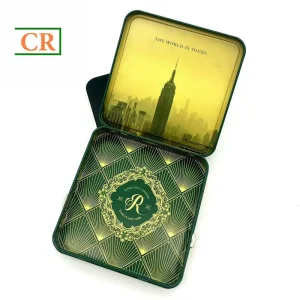
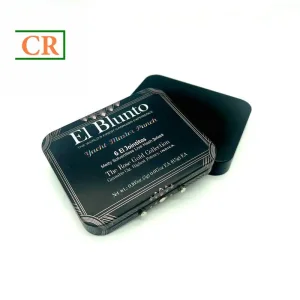
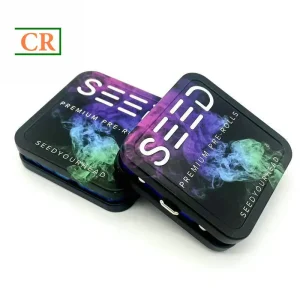
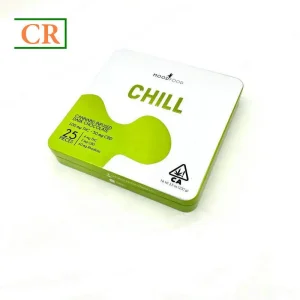
Engineered for absolute compliance, safety, and brand differentiation in the Swiss and European premium edibles markets.
Switzerland’s wellness, confectionery, and legalized cannabinoid markets demand an uncompromising synthesis of safety, luxury, and environmental stewardship. As the premier global partner for child-resistant (CR) packaging, CR Tin (Andylots Tin Box Packaging Co., Ltd) serves Swiss distributors, pharmaceutical clients, and luxury confectioners with certified metal packaging engineered to withstand rigorous child testing while offering an elite visual profile.
Under the Swiss Federal Office of Public Health (BAG) regulations and international safety directives, any retail packaging containing psychoactive components, high-dose wellness formulations, or pediatric-risk substances must incorporate certified child-resistant closures. We combine state-of-the-art metal container engineering with ASTM and ISO-certified mechanisms to supply Switzerland's market with containers that are secure, visually striking, and 100% recyclable.
Fully compliant with international child-resistant protocols tested against pediatric cohorts.
Aligning with Switzerland's high ecological standards via circular and infinitely recyclable metal materials.
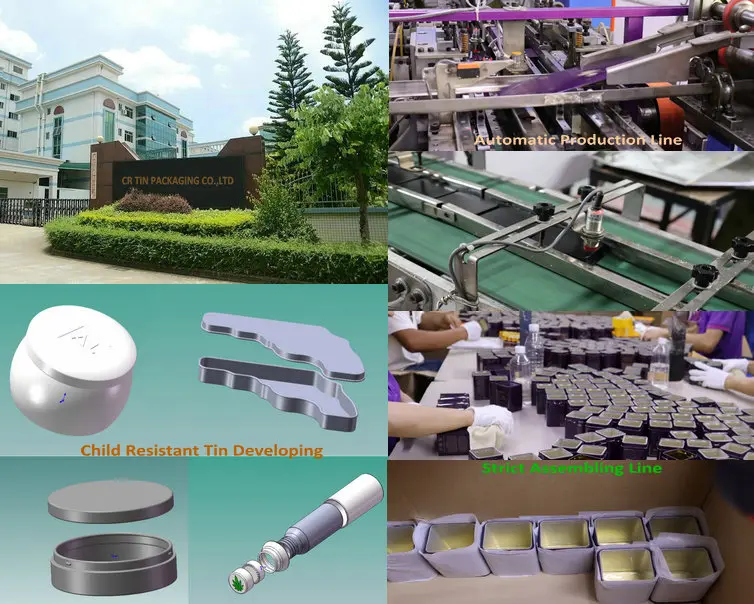
Since 2017, CR Tin has dedicated itself to structural research and development, setting the baseline for global safety-oriented metal packaging.
Operating a wellness, cannabinoid, or medical confectionery brand within the Swiss Confederation requires navigating strict safety frameworks. Under the Swiss Narcotics Act (BetmG) and guidelines established by the Federal Office of Public Health (BAG), protective measures are mandated to prevent accidental pediatric ingestion of concentrated edibles, supplements, and chemical substances. Specifically, packaging must meet international child-resistance standards (such as EN ISO 8317 and US 16 CFR § 1700.20).
Beyond compliance, Swiss consumer culture places high emphasis on sustainability and product preservation. Single-use plastics are increasingly rejected in favor of sustainable, circular materials. Food-grade tinplate satisfies this demand, serving as a premium material that protects active ingredients from light, air, and moisture, while remaining indefinitely recyclable. This combination of child safety, ingredient preservation, and environmental responsibility makes tinplate the ideal material for high-end Swiss brands.
For procurement directors in Zurich, Geneva, and Lugano, importing packaging materials involves managing lead times, freight costs, and strict quality control. Working directly with an integrated OEM manufacturer like CR Tin addresses these challenges. We handle the entire process under one roof—from mechanical engineering and prototype validation to automated mass production and logistics.
We source high-grade tinplate and food-safe coatings that meet European Union Regulation (EC) No 1935/2004 and FDA guidelines. This ensures that every container is safe for direct contact with food products. By conducting in-house compression, compliance, and airtight sealing tests, we reduce the risks associated with third-party sourcing and supply chain fragmentation.
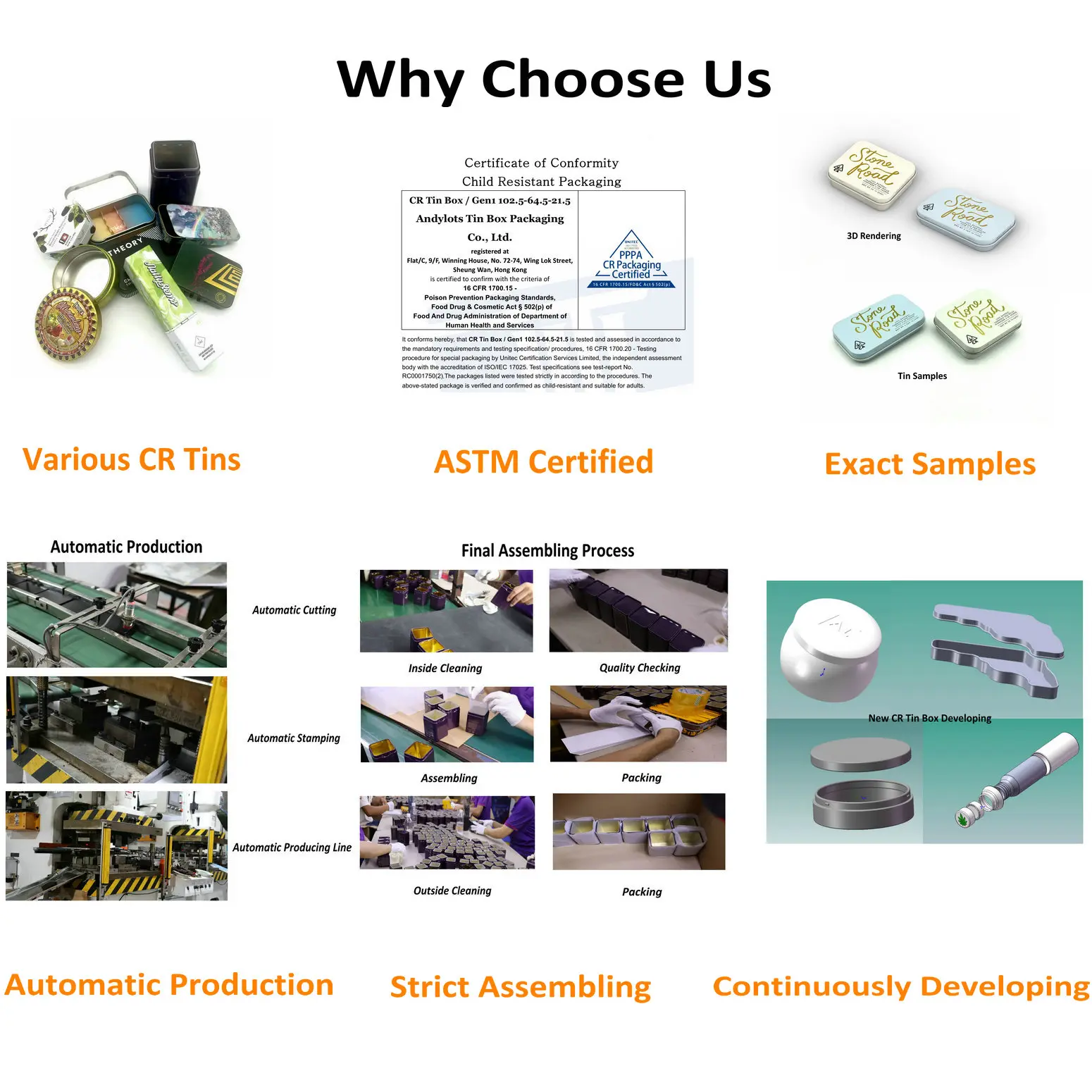
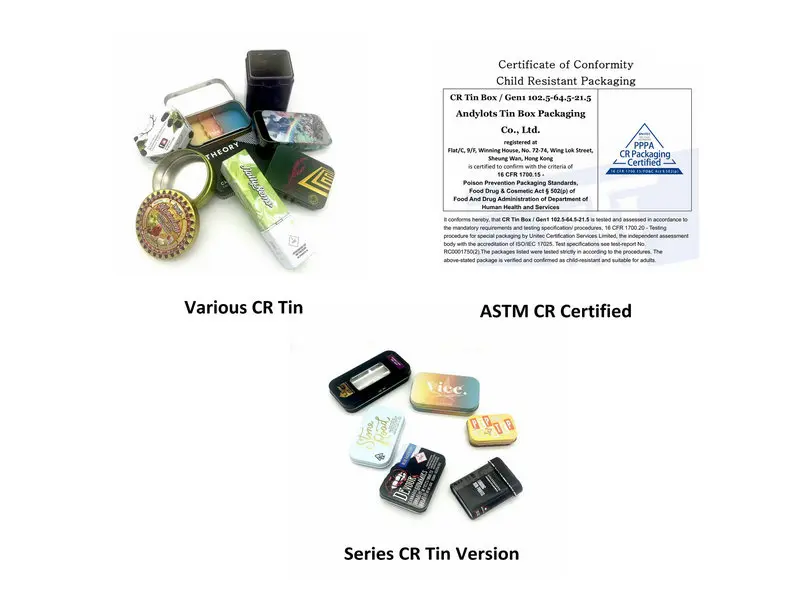
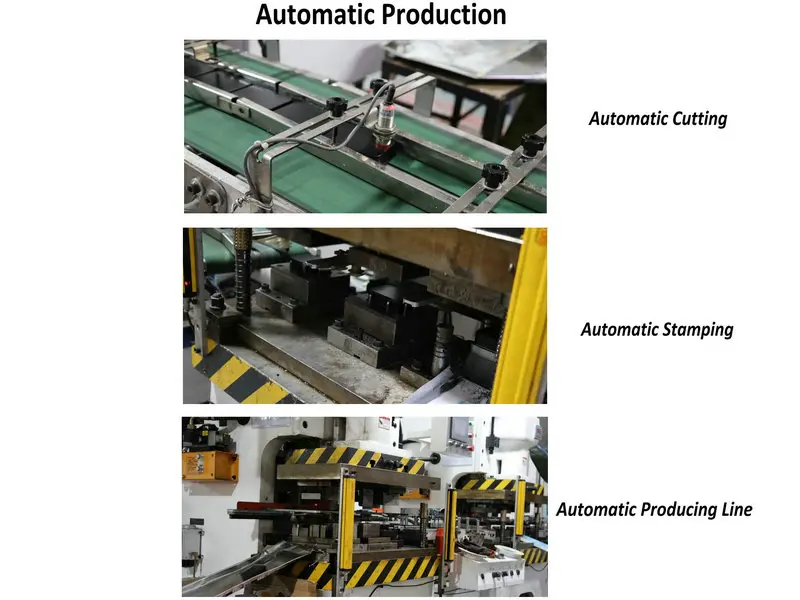
Our manufacturing facility in China integrates advanced automation with precise quality management. Through automated assembly lines, we achieve dimensional consistency and cost efficiency at scale. This allows us to supply Swiss brands with high-performance packaging at competitive price points.
Our design and engineering process uses 3D rendering and rapid prototyping to turn concepts into physical samples in as little as 30 days. High-speed CNC tooling allows us to quickly develop customized child-resistant mechanisms, helping our clients keep pace with changing market regulations.
Providing Swiss and international clients with certified safety, customized branding, and reliable production capacity.
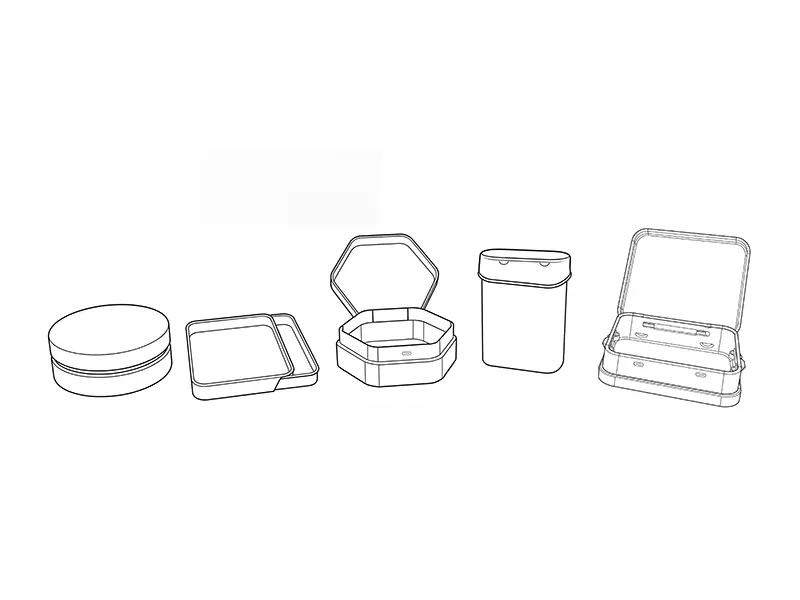
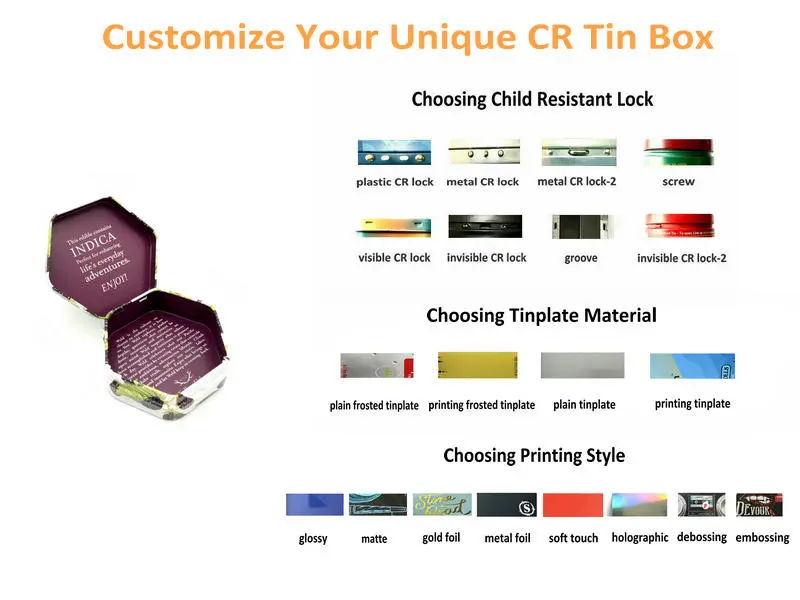
Choose from more than 12 distinct certified child-resistant designs. These options allow brands to balance accessibility for adult users with effective safety mechanisms.
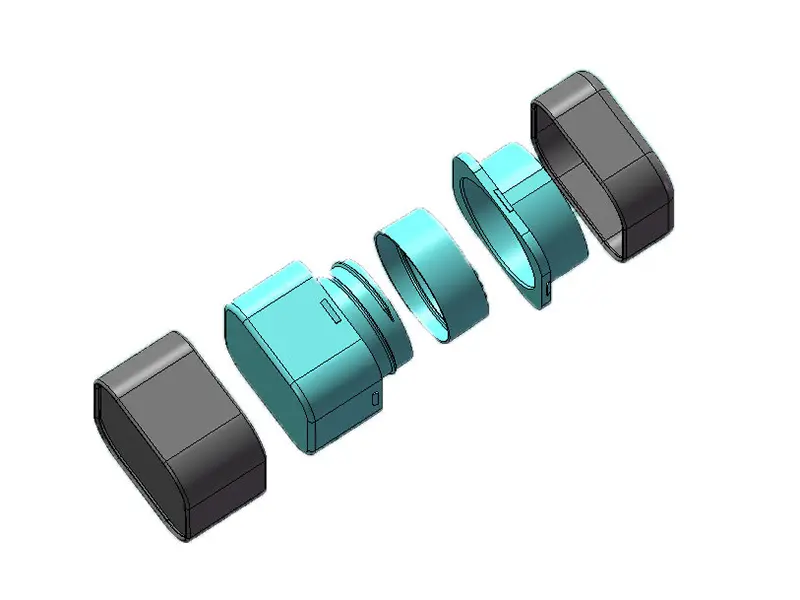
Our design team provides 3D conceptual modeling and physical 3D-printed prototypes, helping brands refine and test their packaging before proceeding to full production.
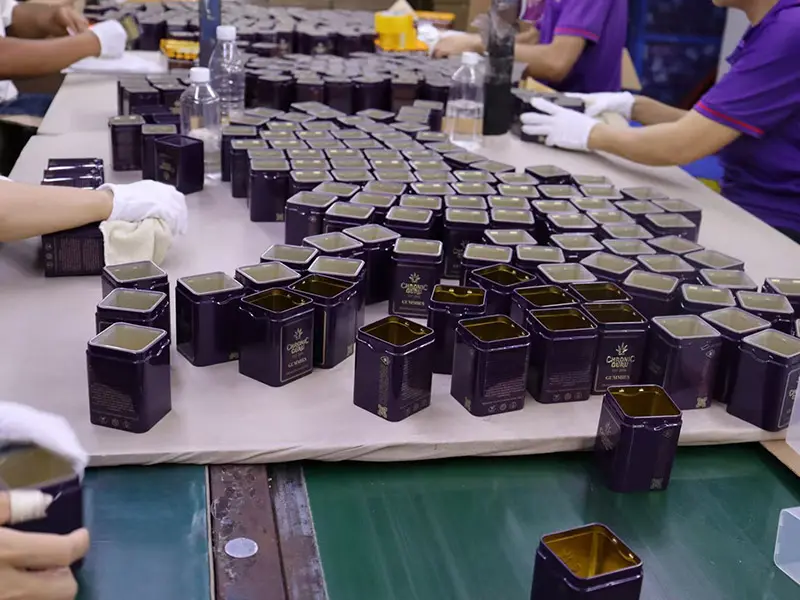
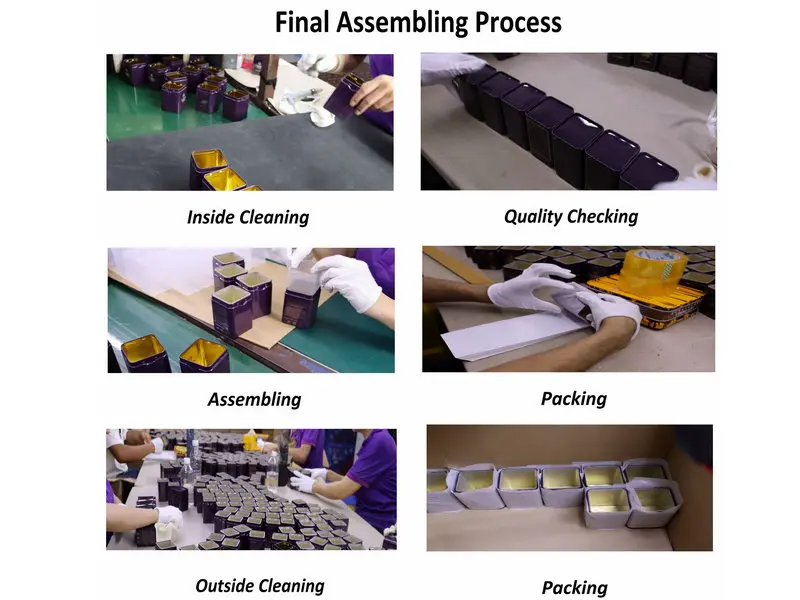
We perform strict quality control checks at every stage of production. From tinplate inspection to final assembly, we ensure each container meets international compliance standards.
Understanding how child-resistant tinplate containers compare to alternative materials in terms of performance, regulatory compliance, and environmental footprint.
| Performance Metrics | CR Tinplate Containers | Molded Plastic Containers | Glass Containers |
|---|---|---|---|
| Child-Resistant Certification | Tested to ISO 8317 and ASTM D3475 standards. | Commonly compliant, but prone to mechanical wear over time. | Requires plastic closure caps to achieve compliance. |
| Barrier Protection | Provides total protection against light, oxygen, and moisture. | Variable gas permeability; offers limited UV protection unless tinted. | Offers strong barrier protection but is sensitive to light exposure. |
| Environmental Impact | 100% recyclable, magnetic sorting, circular material loop. | Low recycling rates; subject to plastic tax regulations in the EU. | Recyclable, but requires significant energy for transport and melting. |
| Brand & Premium Aesthetic | High-end metal finish with options for embossing and metallic inks. | Standard appearance; often associated with utility products. | Premium weight, but susceptible to breakage during shipping. |
Achieving cost efficiency in child-resistant packaging requires balancing design simplicity with structural reliability. At CR Tin, we optimize manufacturing costs through three main approaches:
We design mechanisms that use fewer moving parts, reducing material costs and minimizing potential failure points.
Automation keeps unit costs consistent and reduces human error during complex assembly processes.
We work with trusted suppliers for specialized inserts and gaskets, ensuring consistent quality and predictable lead times.
Every edibles category has distinct storage requirements. Soft chews and gummies require tight seals to prevent dehydration, while chocolates need protection from temperature fluctuations and light exposure. Our technical capabilities cover:
We integrate food-grade silicone and neoprene gaskets into our child-resistant tins to provide reliable scent barriers and moisture seals.
We offer push-and-turn lids, squeeze-and-pull joints, and multi-button systems to match the needs of different product lines.
Choose from matte, gloss, spot UV, or tactile embossing to match your brand's aesthetic and stand out on retail shelves.
Tested, certified, and ready for integration into your packaging lines.
We work closely with logistics networks to ensure reliable shipping to Swiss distribution hubs, including Zurich, Basel, and Geneva. Our manufacturing operations support both small-batch custom releases and high-volume, automated production runs. Key services include:
We offer structural customizations, functional inner tray inserts, and custom embossing to align with your brand's guidelines.
We support the development process with 3D structural drawings and physical samples, helping you verify design and fit before full-scale manufacturing.
Answers to common questions about regulatory compliance, custom design, and importing child-resistant tins into Switzerland.
Yes. Our child-resistant tin boxes are tested and certified to international standards, including EN ISO 8317 (European standard) and US 16 CFR § 1700.20 (ASTM D3475). These certifications satisfy the safety requirements established by the Swiss Federal Office of Public Health (BAG).
Custom 3D modeling and initial design iterations are typically completed within 1 week. Creating physical molds and producing certified test samples takes about 30 days. Once the design is approved, mass production takes 25 to 30 days, followed by sea freight (approx. 35-40 days) or air freight (approx. 7-10 days) to Switzerland.
Absolutely. We use premium food-grade tinplate and apply FDA-approved protective varnishes and food-safe inks. Our products comply with European Regulation (EC) No 1935/2004, making them safe for packaging confectionery, chocolates, pastilles, and other edible items.
Unlike single-use plastics, tinplate is a circular packaging material. It is 100% recyclable and retains its material properties during reprocessing. In Switzerland, magnetic sorting systems make it easy to separate and recycle metal containers, helping brands lower their environmental impact.
For existing, pre-certified tooling styles, our typical MOQ starts at 10,000 units. For fully customized shapes and sizes requiring new tooling and compliance certification, the MOQ is generally 20,000 to 30,000 units, depending on design complexity.
Contact our engineering and design team today to request samples, discuss custom child-resistant designs, or request a quote for the Swiss market.
Send Inquiry Now CR Tin