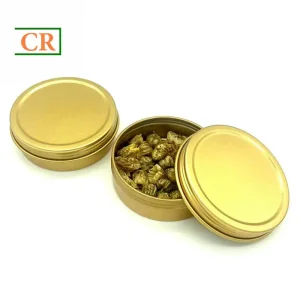
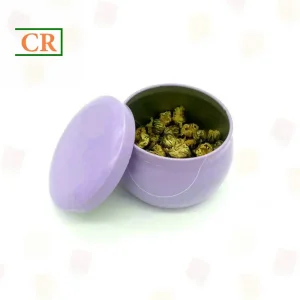
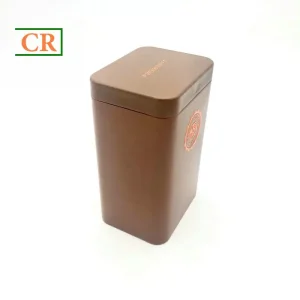
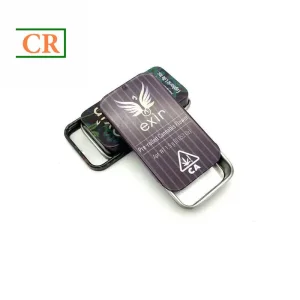
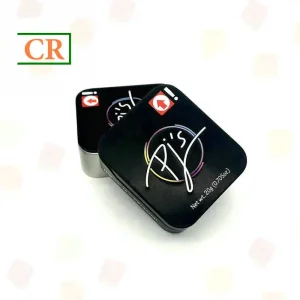
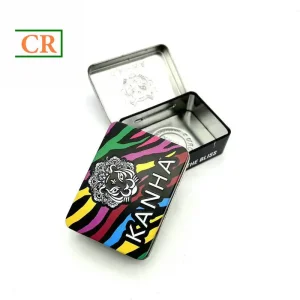
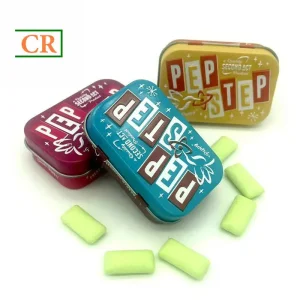
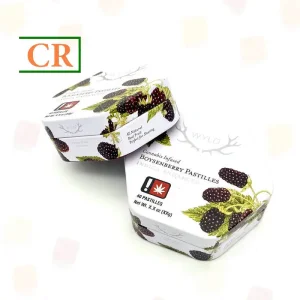
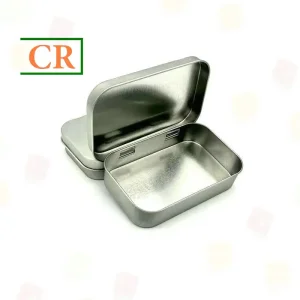
Engineered for high moisture barrier protection, international ASTM child-resistance certification, and long-term shelf stability.
Analyzing the logistical demands, climate factors, and regulatory requirements shaping metallic container procurement in Noro.
Noro, as a vital port city and industrial node in Western Province (Solomon Islands), operates at the intersection of international maritime logistics, agritech processing, and regional distribution. As local entities expand their agricultural, botanical, and specialized dry-flower export operations, packaging demands have shifted rapidly toward rigid, sustainable, and highly protective substrate solutions.
The humid, tropical maritime environment of Noro introduces extreme challenges regarding ambient relative humidity (RH) and salt air corrosion. Conventional flexible pouching frequently suffers from micro-perforated vapor leaks, causing degradation of delicate volatile terpene profiles and organic flower specimens. Engineered tinplate packaging provides an absolute zero-oxygen permeability rate, guaranteeing structural and chemical integrity across long ocean freight transit routes.
Global commercial buyers serving Noro demand standardized, high-speed automated tooling compatible with automated filling, nitrogen-flushing, and tamper-evident sealing lines. Metallic packaging—specifically electrolytic tinplate (ETP)—offers unrivaled dimensional consistency under mechanical strain.
Furthermore, local operators in Noro are aligning with international compliance benchmarks, including US 16 CFR § 1700.20 and ISO 8317 certifications for child-resistant safety, as well as strict food-grade interior coating standards (FDA 21 CFR 175.300). Purchasing directly from specialized OEM/ODM factories ensures custom structural development, rapid tooling cycles, and end-to-end regulatory compliance.
Deep-dive analysis into international safety engineering, air tightness, and structural compliance for flower tins.
Preventing unintended access by minors is a critical regulatory pillar across North American and European export destinations. Our factory specializes in patented metal-to-metal and metal-to-polymer locking mechanisms. Options include squeeze-and-turn lids, side-button release sliders, and double-push hinged cases that meet rigid 16 CFR § 1700.20 protocol testing while maintaining senior-friendly accessibility.
Preserving aromatic flower bouquets and medicinal botanical buds requires absolute control over Moisture Vapor Transmission Rate (MVTR). By integrating precision-molded food-grade silicone gaskets and engineered inner curl retention beads, our airtight flower tins achieve ultra-low oxygen ingress, stopping humidity-induced mold growth and oxidation of sensitive compounds.
Tinplate containers destined for commercial markets in Noro must prevent metal oxidation and chemical migration. We deploy advanced organosol, epoxy-phenolic, and BPANI (BPA-non-intent) interior lacquers compliant with European EN10202 and US FDA requirements. Every production batch undergoes rigorous solvent rub, salt spray, and adhesion cross-hatch testing.
Market intelligence and technological trajectories transforming rigid packaging across the Pacific and global trading corridors.
Global environmental directives are forcing a shift away from single-use plastics toward infinitely recyclable materials. Electrolytic tinplate leads global recycling metrics due to magnetic separation capabilities in municipal waste management infrastructure. Brands in Noro adopting reusable tin formats gain immediate competitive advantages in international markets prioritizing eco-conscious ESG criteria.
High-value botanical packaging is increasingly integrated with digital authentication layer technology. Modern flower tins feature micro-embossed laser matrix codes, tamper-evident tear-strips, and embedded NFC (Near Field Communication) tags directly beneath internal lacquer coats, empowering logistics operators to verify chain-of-custody from Noro port processing centers to retail points.
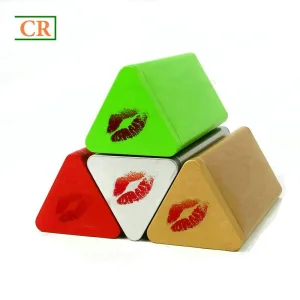
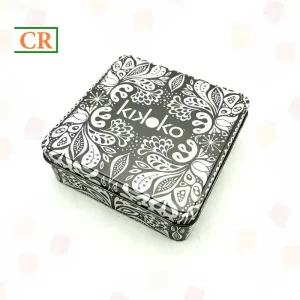
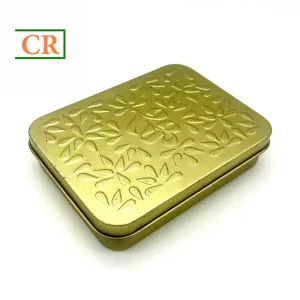
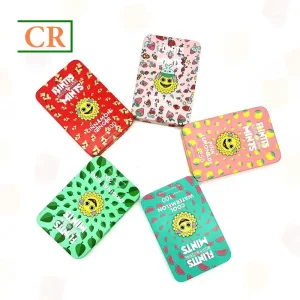
Structural tactile customization drives consumer conversion. Advanced 3D embossing, tactile varnish layering, localized spot-UV highlights, and metallic pearl finish lacquers elevate modest flower products into high-end gift collections. Custom tin configurations—such as triangular, hexagonal, and ultra-slim pocket sliders—create immediate visual differentiation on crowded retail shelves.
Through modern high-speed stamping and high-precision automated assembly, unit manufacturing costs for certified child-resistant tins have dropped significantly over the past decade. Factories utilizing automated inline visual inspection systems can deliver zero-defect quality batches while drastically shortening production turnarounds for regional buyers serving Noro.
Direct insight into our primary manufacturing facilities, R&D infrastructure, and global OEM/ODM service network.
CR Tin (Andylots Tin Box Packaging Co., Ltd) is a streamlined, single-source professional supplier of child resistant tin boxes, integrating child resistant lock design, mold making and sampling, child resistant lock testing, and mass production. CR Tin began developing child resistant lock tin boxes in 2017. After nine years of research and development and pioneering experience, we have over 70 certified child resistant lock tin boxes, covering all tin box packaging styles in the industry, and have established our own unique child resistant lock tin box system.
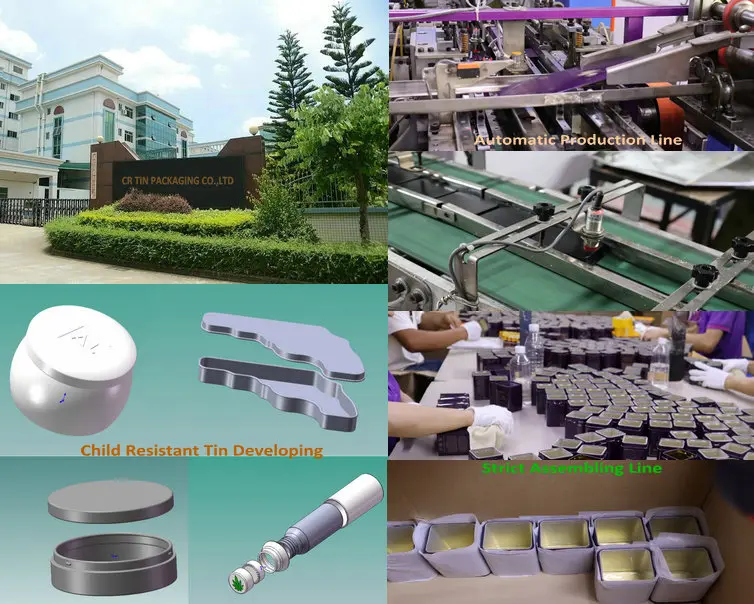
CR Tin is a professional child resistant metal packaging supplier who customizes, certifies, develops and produces high-end child resistant metal packaging for US and global markets, including serving business partners in Noro.
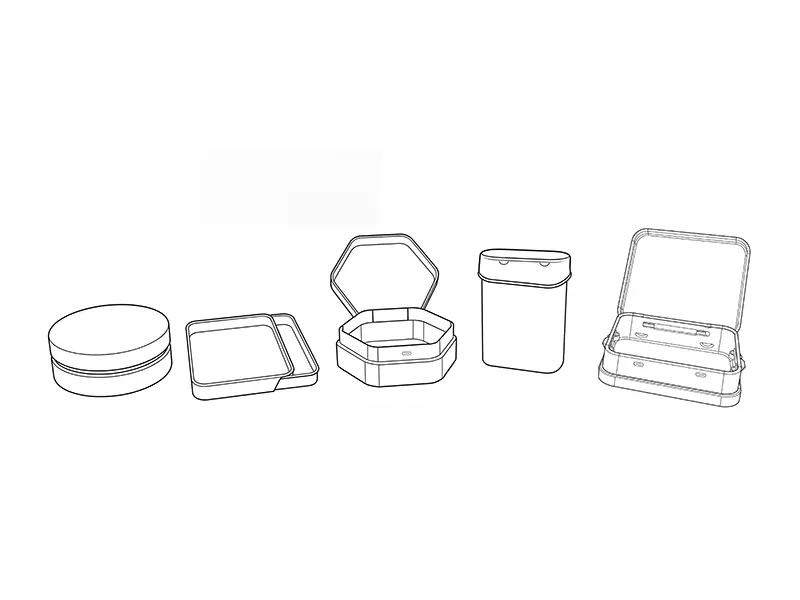
More than 12 different CR tin structures as your option for diverse product lines.
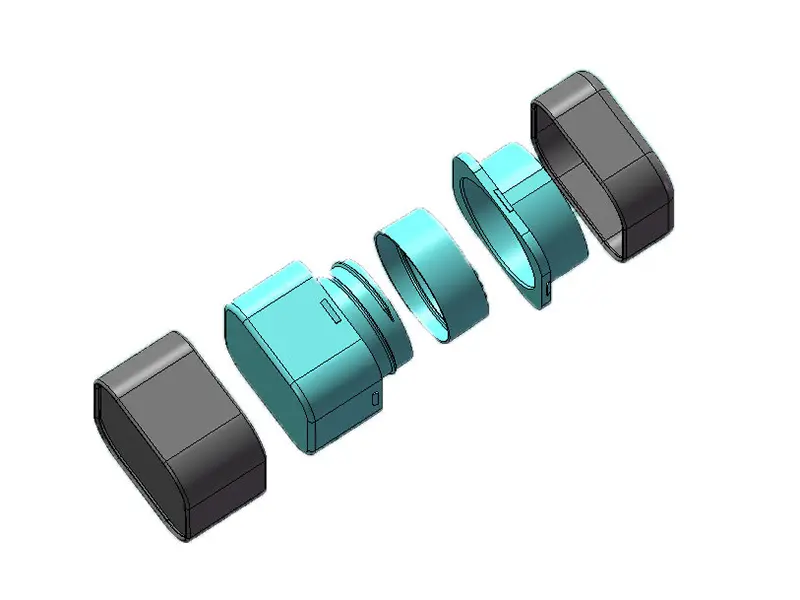
Free unique CR tin design & creative service, providing full 3D rendering and 3D physical plastic samples.
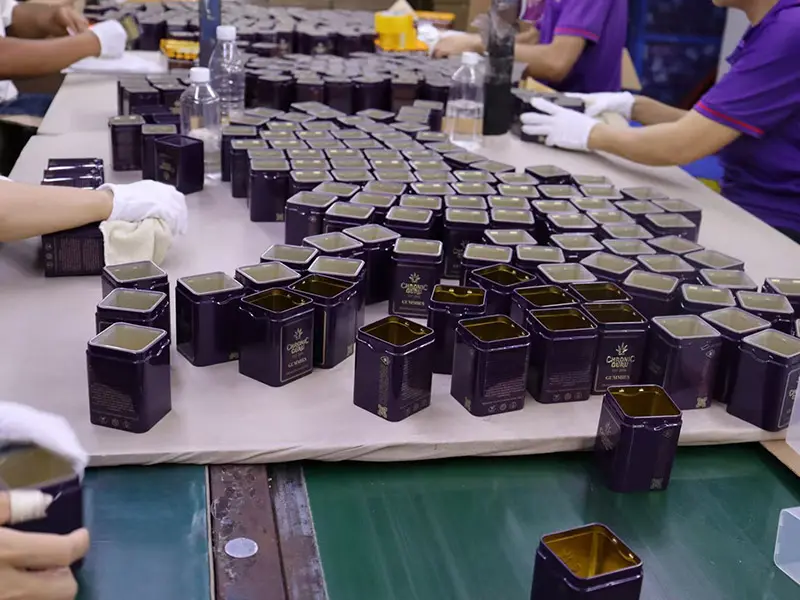
Advanced automation and expert teams producing high-volume, premium quality tins.
From structural CAD concept to doorstep port delivery in Noro: A streamlined 4-stage packaging execution framework.
Clients submit dimensional requirement vectors or raw flower capacities. Our R&D team drafts 3D CAD models within 48 hours, followed by rapid 3D plastic sample printing for physical fit testing.
Upon CAD sign-off, specialized toolmakers fabricate hardened steel stamping dies. CNC precision guarantees seamless lid-to-body alignment, tight latch tolerances, and child-resistant safety compliance.
Tinplates undergo multi-color Fuji offset printing, custom Pantone matching, matte/gloss varnishing, and thermal curing. Interior coatings receive 100% food-safe sealing pass-throughs.
Automated assembly lines attach silicone gaskets and child-resistant locking springs. Bulk shipments are palletized, moisture-wrapped, and dispatched with full maritime freight clearance to Noro port hubs.
Pioneering sustainable, intelligent, and hyper-protective metal packaging solutions for future-proofed supply chains.
Replacing internal polymer locks with 100% monomaterial tinplate spring mechanisms to streamline municipal aluminum and steel recycling streams globally.
Integrating internal food-safe desiccant and two-way humidity regulation compounds directly into lid liners for long-term flower freshness.
Embedding ultra-thin printable sensors to monitor real-time temperature, humidity spikes, and lid openings during maritime transport to Noro.
Developing high-tensile lightweight tinplate alloys that reduce overall packaging freight weight by 22% while retaining crush-proof structural integrity.
Expert insights addressing practical procurement, regulatory compliance, and custom ordering questions for Noro businesses.
Unlike flexible pouches or non-gasketed plastic jars, our airtight flower tins use precision-rolled tinplate seams combined with food-grade silicone or EVA seal gaskets. This creates an impenetrable barrier against external humidity, preventing dry flower mold, moisture pickup, and volatile terpene evaporation during oceanic transit and tropical storage.
Yes. Our child-resistant tin structures are tested according to US 16 CFR § 1700.20 and ASTM D3475 protocol standards. We hold third-party laboratory test certificates validating that our lock designs effectively prevent access by young children while allowing straightforward opening by adults and seniors.
For standard stock sizes, production turnarounds take approximately 15–20 days. For fully custom structural shapes requiring new die tooling, the process takes approximately 30 days total: 10–12 days for mold fabrication and 3D sampling, followed by 18–20 days for mass production and automated assembly.
We use US FDA 21 CFR 175.300 and EU EN10202 compliant interior lacquers, including specialized food-safe organosols and BPA-Non-Intent (BPANI) coatings. These coatings form an inert barrier between the tinplate steel base and the organic contents, preventing flavor alteration, metal transfer, or coating degradation.
Absolutely. We offer 360-degree OEM customization including high-definition offset printing (CMYK + Pantone), spot UV varnish, metallic foil stamping, multi-level 3D embossing, matte finishes, and specialized inner tray inserts (biodegradable paper pulp, EVA foam, or tinplate dividers).
Explore our complete range of certified child-resistant, airtight, and decorative metal containers available for factory-direct customization.
 CR Tin