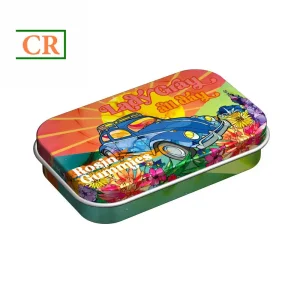
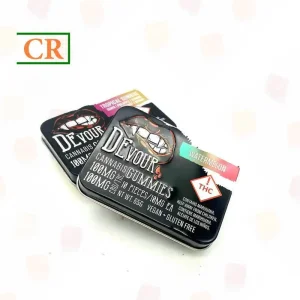
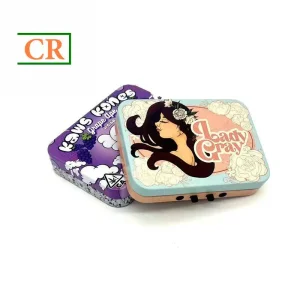
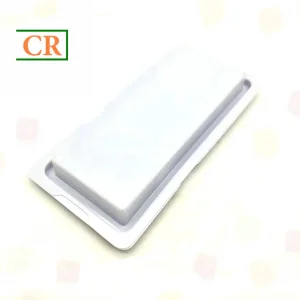
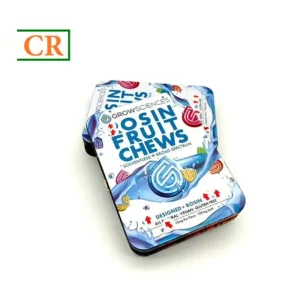
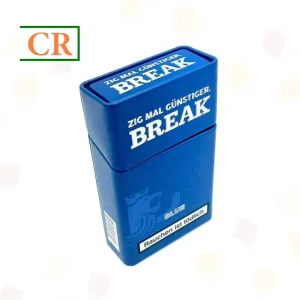
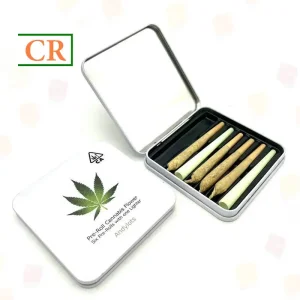
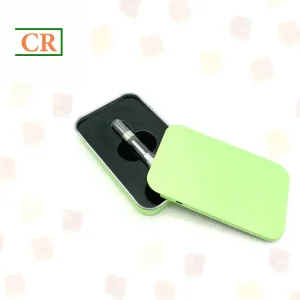
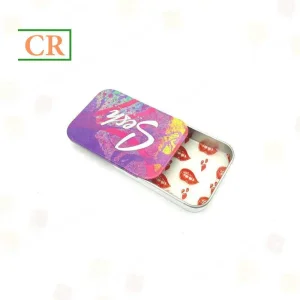
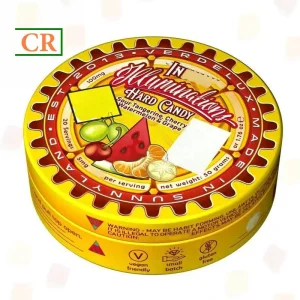
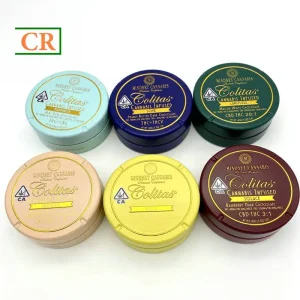
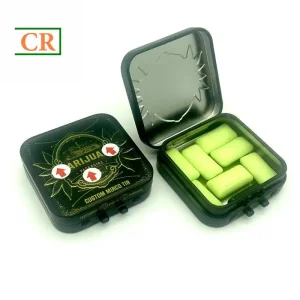
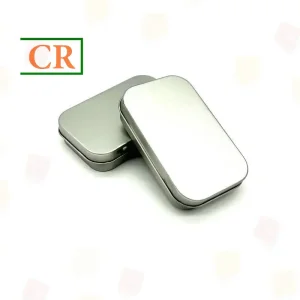
Our primary OEM child-resistant designs developed to ensure compliance, seal integrity, and structural reliability for global pharmaceutical, botanical, and high-value consumer brands.
In modern consumer markets, regulatory compliance is no longer just a legal obligation; it is a critical pillar of brand equity. As international health authorities enforce rigorous protocols, the demand for certified child-resistant (CR) packaging has experienced exponential growth. Historically, plastics dominated the childproof packaging landscape. However, the global shift toward environmental sustainability, circular economic models, and microplastic eradication has repositioned tinplate (electrolytic tin-coated steel) as the premier medium for child-resistant safety.
The evolution of child-resistant packaging mechanisms is structurally anchored in ASTM D3475 standards. This standard classification assesses child-resistant packages based on the physical coordination and cognitive functions required to release the mechanism. For manufacturers and OEM suppliers, engineers must balance two critical metrics: preventing entry by children under 51 months of age, while ensuring intuitive access for senior populations (aged 50 to 70 years) under the guidelines of US 16 CFR § 1700.20.
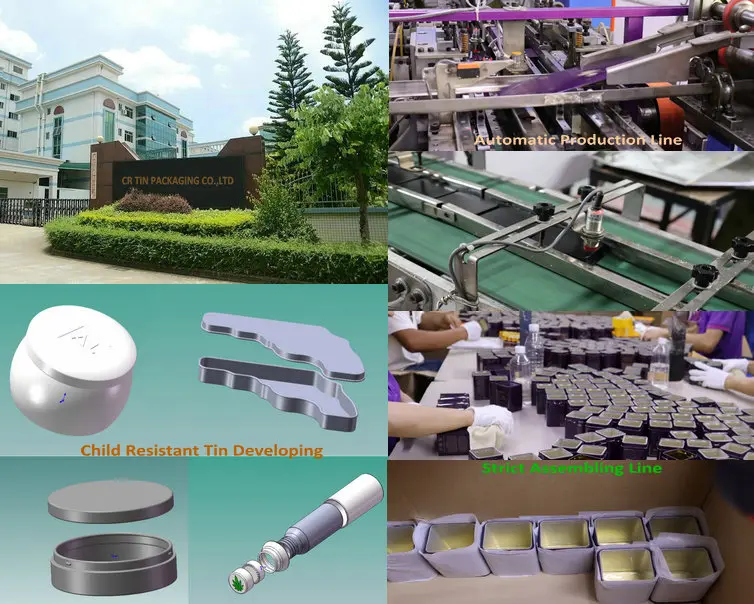
CR Tin (Andylots Tin Box Packaging Co., Ltd) operates as a streamlined, single-source professional supplier of child-resistant tin boxes. Our enterprise integrates advanced child-resistant lock engineering, high-fidelity mold making, prototype sampling, child-resistant compliance testing, and high-volume mass production. Having initiated the research and engineering of child-resistant metal systems in 2017, CR Tin has dedicated nearly a decade of design and manufacturing leadership to this specialized field.
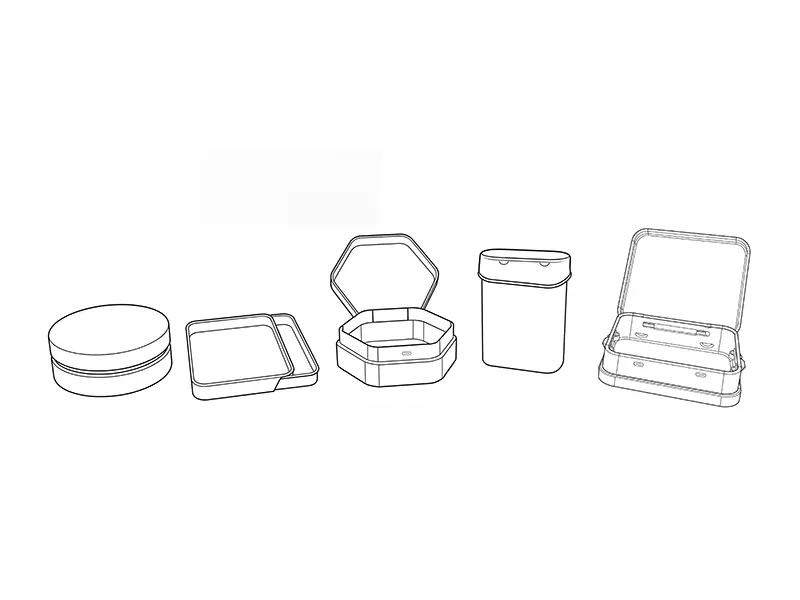
Through strategic investments in engineering R&D and automatic mechanical lines, we have successfully developed over 70 certified child-resistant lock styles. This extensive catalog covers almost every metal packaging format utilized across industries. We have established our own unique, patented child-resistant lock systems, ensuring our global buyers remain ahead of local enforcement audits and compliance checks.
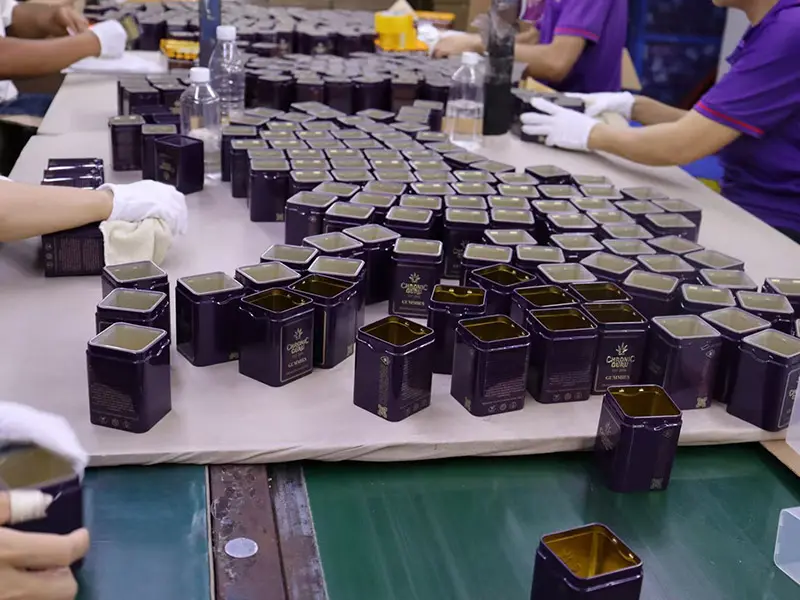
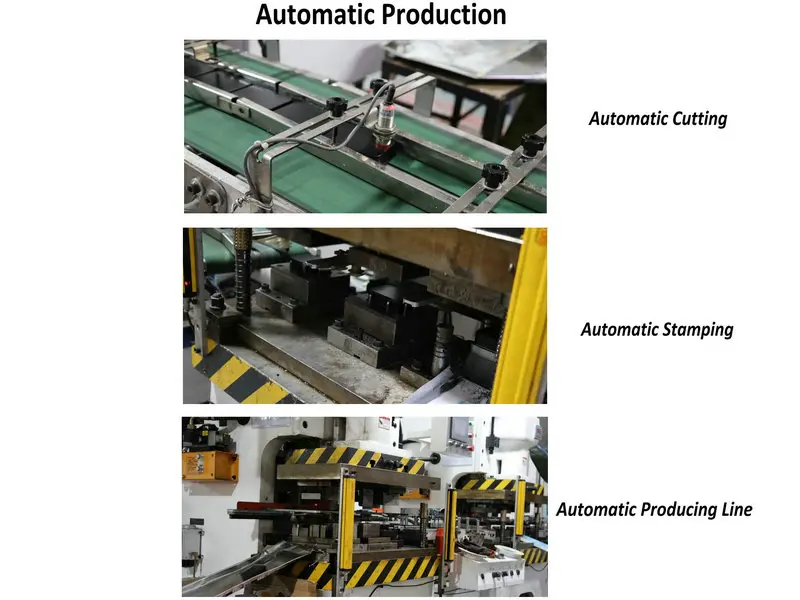
The modern industrial landscape requires more than conventional manual labor. At CR Tin, we have modernized our facilities using Industry 4.0 frameworks. Through the integration of automated high-speed stamping units, smart metal feeders, and customized robotic assembly lines, we have mitigated the typical issues associated with manual metal packaging production: human fatigue, variable tolerances, and contaminated surfaces.
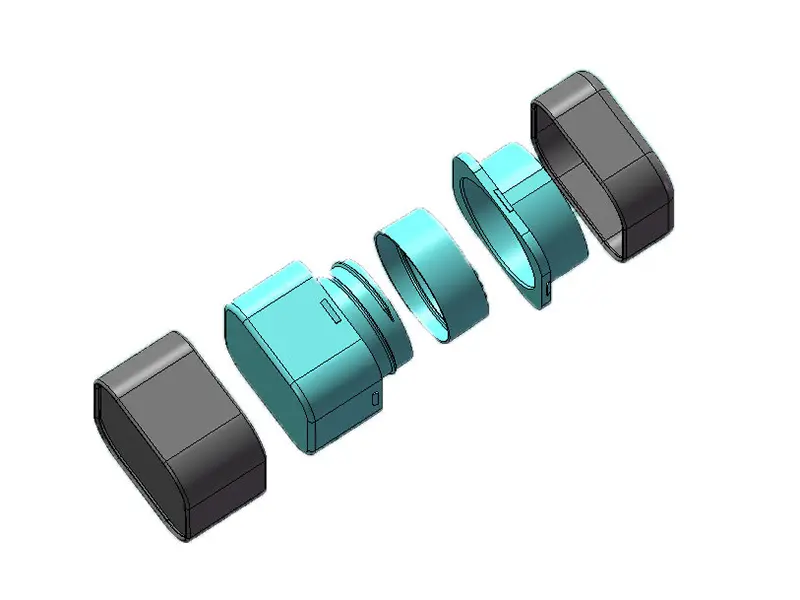
Our automated machinery guarantees that each component (the outer tin plate, internal spring mechanism, and safety lock) is manufactured to tolerances as low as ±0.05mm. This level of precision is necessary for airtight compliance and lock consistency over multi-year storage lifecycles. Furthermore, our supply chain resilience is bolstered by our relationships with local cold-rolled steel manufacturers, allowing us to maintain stable, reliable operations even during global shipping disruptions.
How CR Tin combines rigorous engineering, vertical cost controls, and custom design processes to deliver industry-compliant solutions globally.
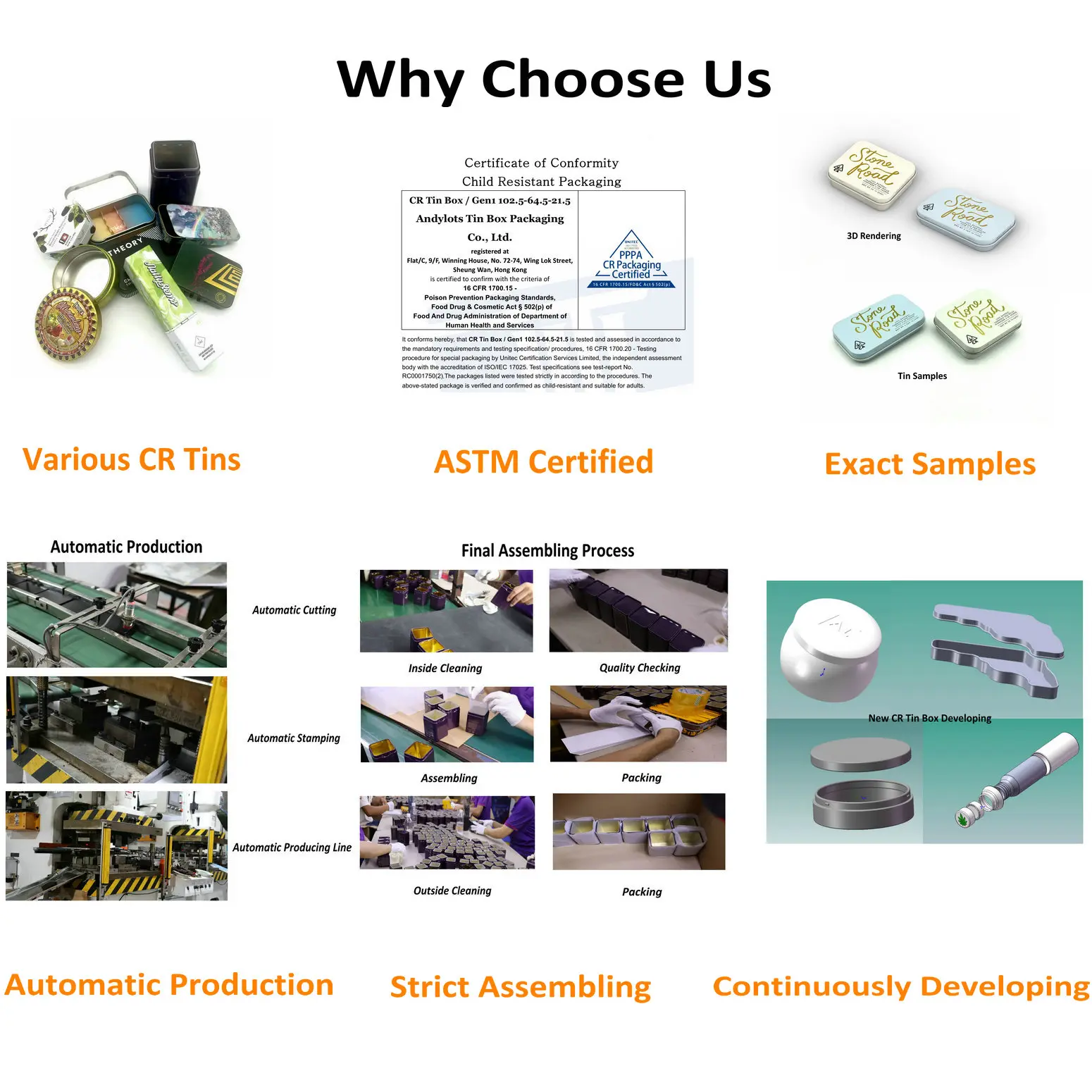
We provide more than 12 distinct, fully-tested, and certified child-resistant structures to choose from. This enables brands to select a mechanism that perfectly aligns with their target audience's demographics and localized regulations without paying for new tooling.
We offer comprehensive layout and custom design services. Utilizing rapid 3D rendering and 3D-printed plastic mockup mockups, we validate complex assembly tolerances and lock mechanisms before cutting metal molds, significantly reducing production risks.
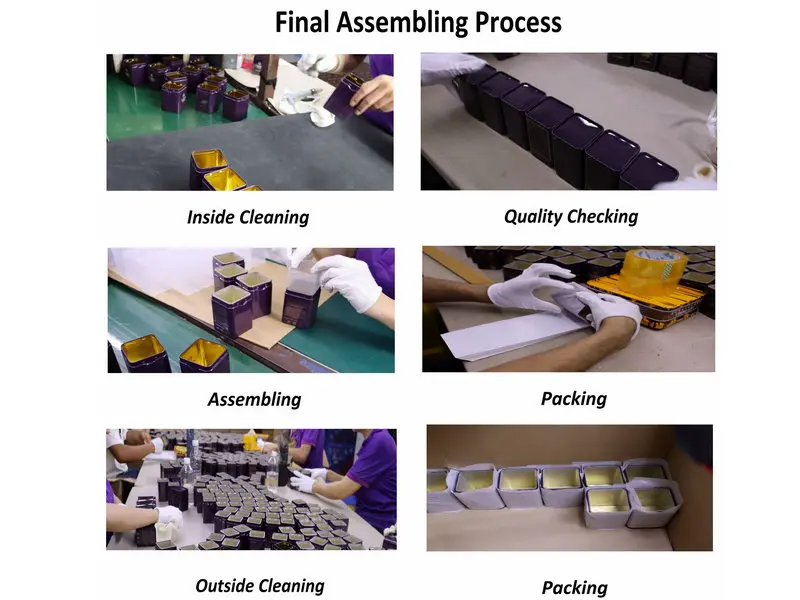
By combining advanced inline automated testing stations with expert human inspectors, we maintain a very low defect rate. All child-resistant components undergo repeated stress, extraction, and load testing before release to verify compliance.
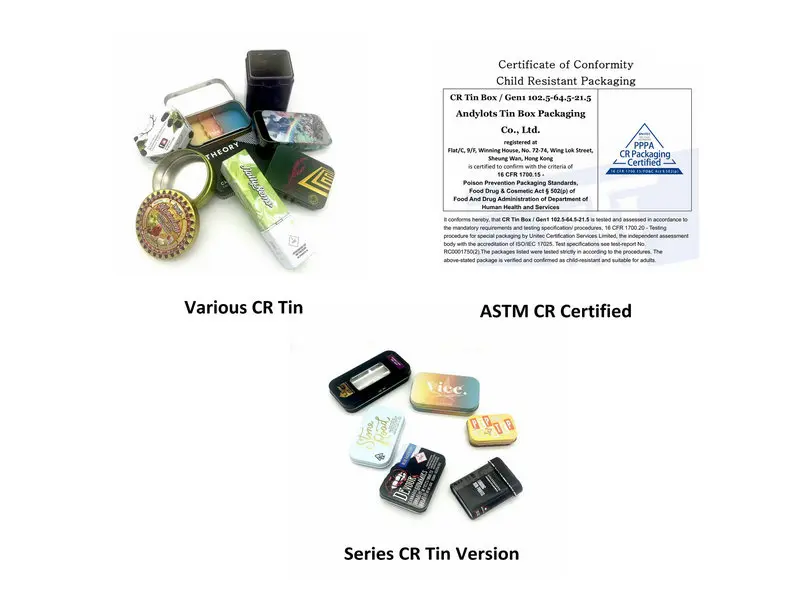
A significant portion of our child-resistant tins are already pre-certified via official child panel testing agencies (ASTM classification). This allows clients to skip the long testing phases and transition their product lines immediately to market.
Balancing unit economics and certified security through optimization across our manufacturing lines.
We reduce non-essential mechanical features on our child-resistant tins to lower raw metal consumption while maintaining ASTM compliance.
By automating the tinplate feeding, cutting, and stamping phases, we reduce manual errors and optimize material yield.
Our long-term contracts with regional plastic insert and metal clasp suppliers ensure predictable component costs.
Incoming raw sheets and secondary components (plastic inserts, lock buttons) undergo chemical and tension testing before reaching production lines.
Sensors monitor stamping force, mechanical dimensions, and latch alignment in real time on our automated lines.
Third-party testing labs conduct compliance reports (including heavy metal migration, mechanical fatigue, and child lock effectiveness checks).
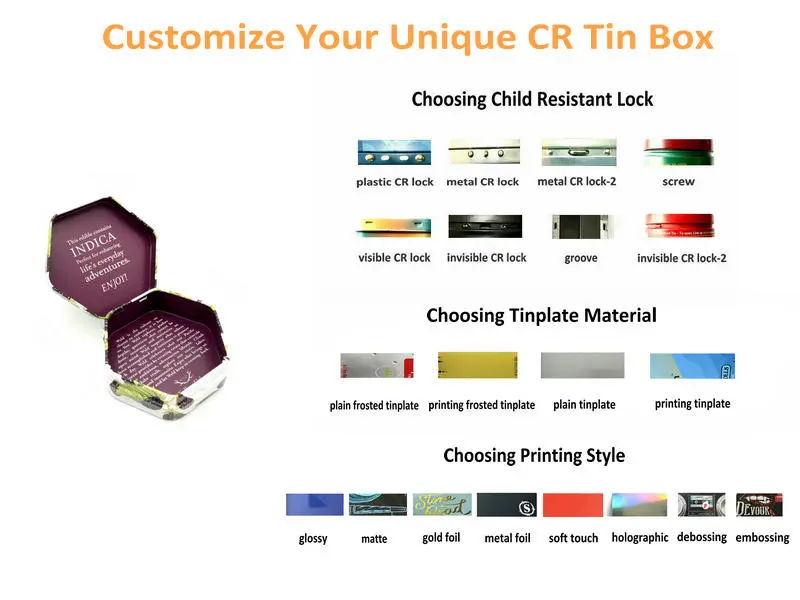
We provide comprehensive assistance to brands establishing their custom metal packaging designs. Whether adapting slide-hinged systems for specialized mint sizes or creating airtight seals for organic compounds, we supply the expertise necessary to deliver both premium aesthetics and certification compliance.
Choose from circular, square, rectangular, and sliding variations to match your branding.
Our engineering team can design exclusive locks and embossing styles to help your product stand out on retail shelves.
We build highly detailed 3D renderings to allow marketing and supply teams to approve concepts before investing in physical molds.
The applications for child-resistant metal containers vary significantly across regional jurisdictions, driven by local policies, market maturity, and consumer demographics.
Driven by state and federal laws (such as Health Canada and US FDA requirements), companies need certified containers for active-ingredient mints, candies, and premium pre-rolls. Airtight gaskets and multi-action child locks are standard requirements.
Here, the emphasis is heavily focused on sustainability, recyclability, and compliance with the European Green Deal. Brands prefer metal canisters over plastic packaging due to metal's infinite recycling capabilities.
The market is focused on functional cosmetics, health supplements, and high-quality traditional remedies. Child-resistant features protect families from ingesting concentrated formulations while maintaining a premium appearance.
Answers to common technical, logistics, and certification questions asked by global procurement managers.
To obtain ASTM certification, a package must undergo panel testing with children (aged 42–51 months) and senior adults (aged 50–70). To pass, the container must prevent at least 85% of children from opening it within 5 minutes, while remaining accessible to at least 90% of seniors within a 1-minute window.
We design specialized airtight child-resistant tins with internal silicone rings or food-grade plastic liners. These inserts form a secure seal that prevents air transfer, keeping the contents fresh and containing odors.
Yes. While the latch mechanism must remain consistent to retain certification, we can adjust the height of many of our existing molds without needing a full rebuild, saving tooling costs.
Generally, we complete 3D designs and plastic mockups in 7 days. Building the metal tooling requires 15 to 20 days, and mass production samples are typically delivered within 30 days.
Yes. All clear finishes, solid colors, and metallic varnishes used by CR Tin are FDA-approved food-grade, containing no BPA, lead, or phthalates, ensuring safety for oral care and food products.
Our specialized sliding, round, and screw-top child-resistant formats, designed to meet diverse physical product requirements and packaging line constraints.
 CR Tin