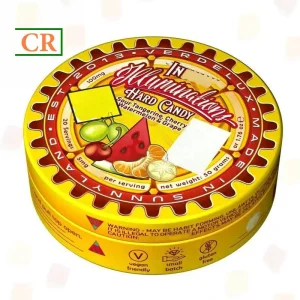
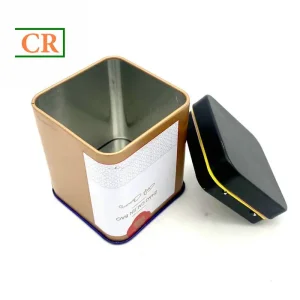
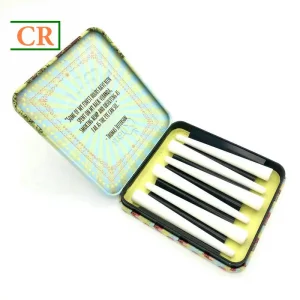
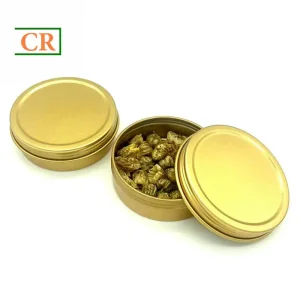
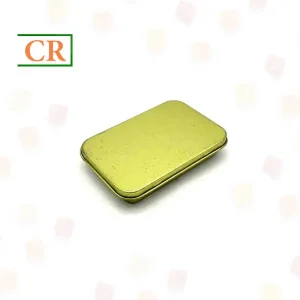
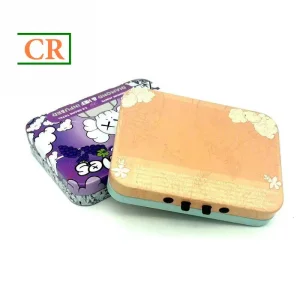
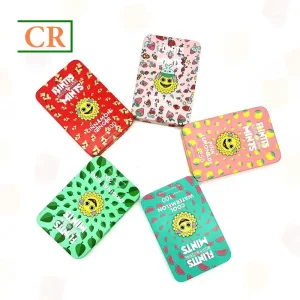
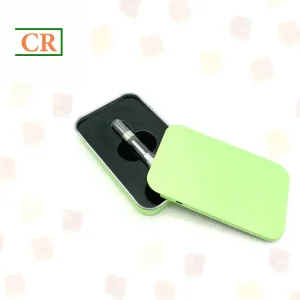
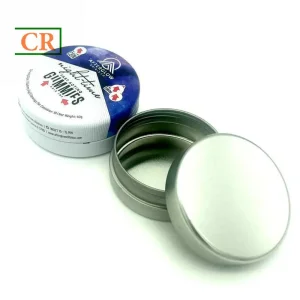
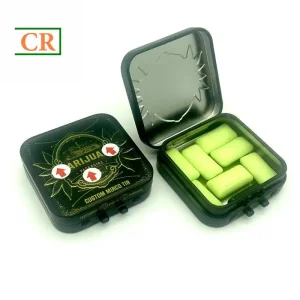
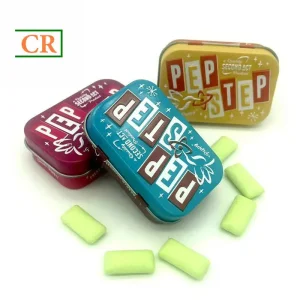
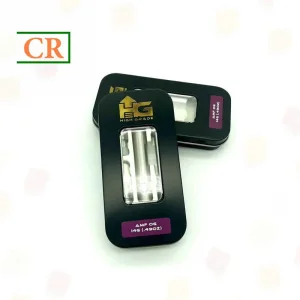
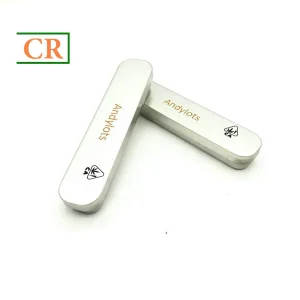
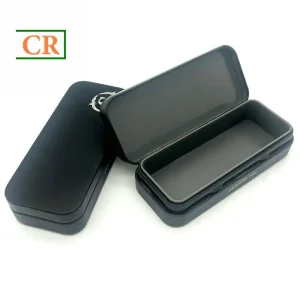
Explore our primary certified child-proof and airtight custom metal tins engineered for pre-rolls, mints, and gummies.
In the highly regulated consumer goods sector—spanning pharmaceuticals, alternative tobacco, cannabis, and functional confectioneries—packaging is no longer a mere container. It has evolved into a critical element of compliance, brand identity, and product shelf-life preservation. As global markets transition away from single-use plastics due to environmental mandates, high-grade tinplate is emerging as the premier substrate.
Metal packaging offers absolute barrier protection against oxygen, light, and moisture, ensuring that active ingredients do not degrade over time. Furthermore, the implementation of child-resistant (CR) locking mechanisms ensures that manufacturers comply with international child safety regulations (such as CPSC 16 CFR Part 1700.20 and ISO 8317).
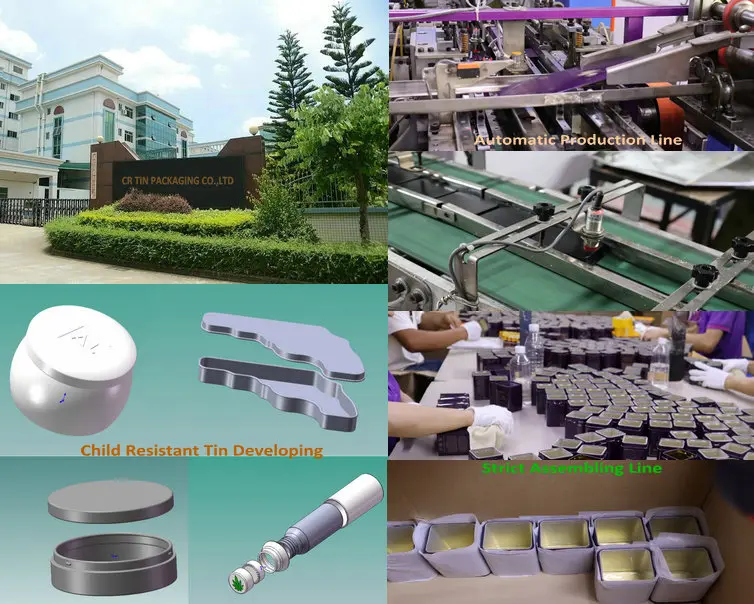
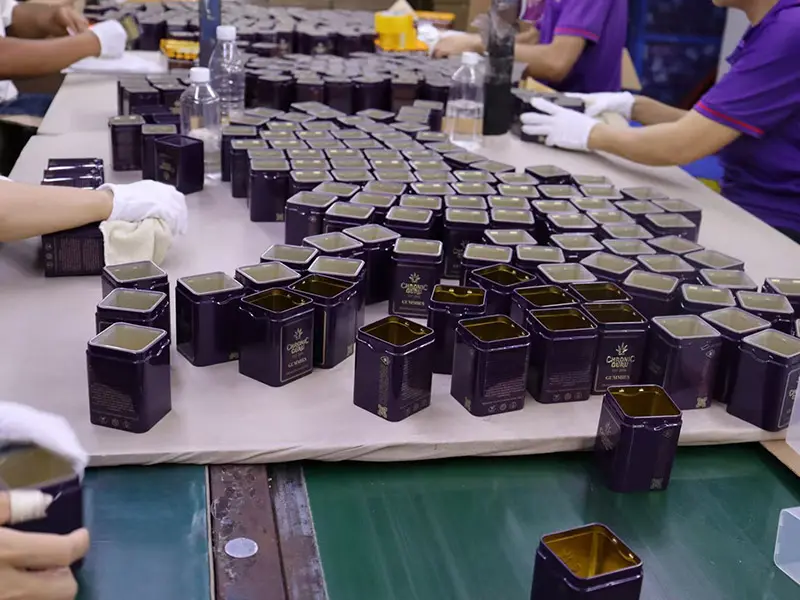
Our manufacturing facility in China leverages ultra-precise progressive dies and automated stamping tooling. This minimizes micro-defects in lock alignment, crucial for child-resistant metal tins that require exact multi-action operations (such as squeeze-and-pull or press-and-slide).
All packaging solutions are fully documented. We align child-proof locking systems with CPSC and ASTM D3475 test criteria. Our materials utilize FDA-approved tinplate, BPA-free coatings, and food-grade varnishes suitable for direct tobacco or edible contact.
From custom artwork creation, 3D printing and rapid prototyping to mass manufacturing, assembly, and ocean freight logistics. Sourcing directly from an integrated producer lowers the cost of complexity, avoiding third-party markup fees.
In the luxury tobacco and high-end pre-roll markets, the box is an extension of the brand. Traditional cardboard boxes offer minimal protection, lack structural rigidity, and fail to prevent the escape of volatile terpenes or odors. As a response, global brands are adopting customized metal tinplate packaging. Metal packaging signals premium quality (E-E-A-T) and provides high protection for high-value formulations.
Moisture and air are the primary catalysts for the degradation of premium dry herbs and tobacco. Our R&D team has engineered custom-molded silicone, plastic-free TPE, and food-grade rubber liners that seal the tin lid against the body. This tight compression ensures an airtight hermetic seal, preserving freshness and locking in distinct odors—a primary requirement for medical products and pre-rolls.
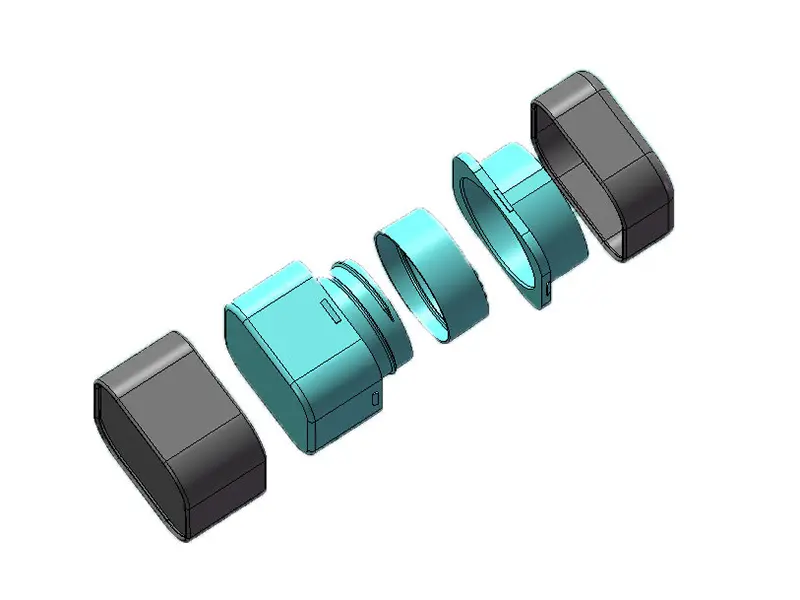
Creating child-resistant tins requires balancing child protection with senior-friendly access. Our designs leverage physiological principles to create barriers children cannot easily bypass. Key architectures include:
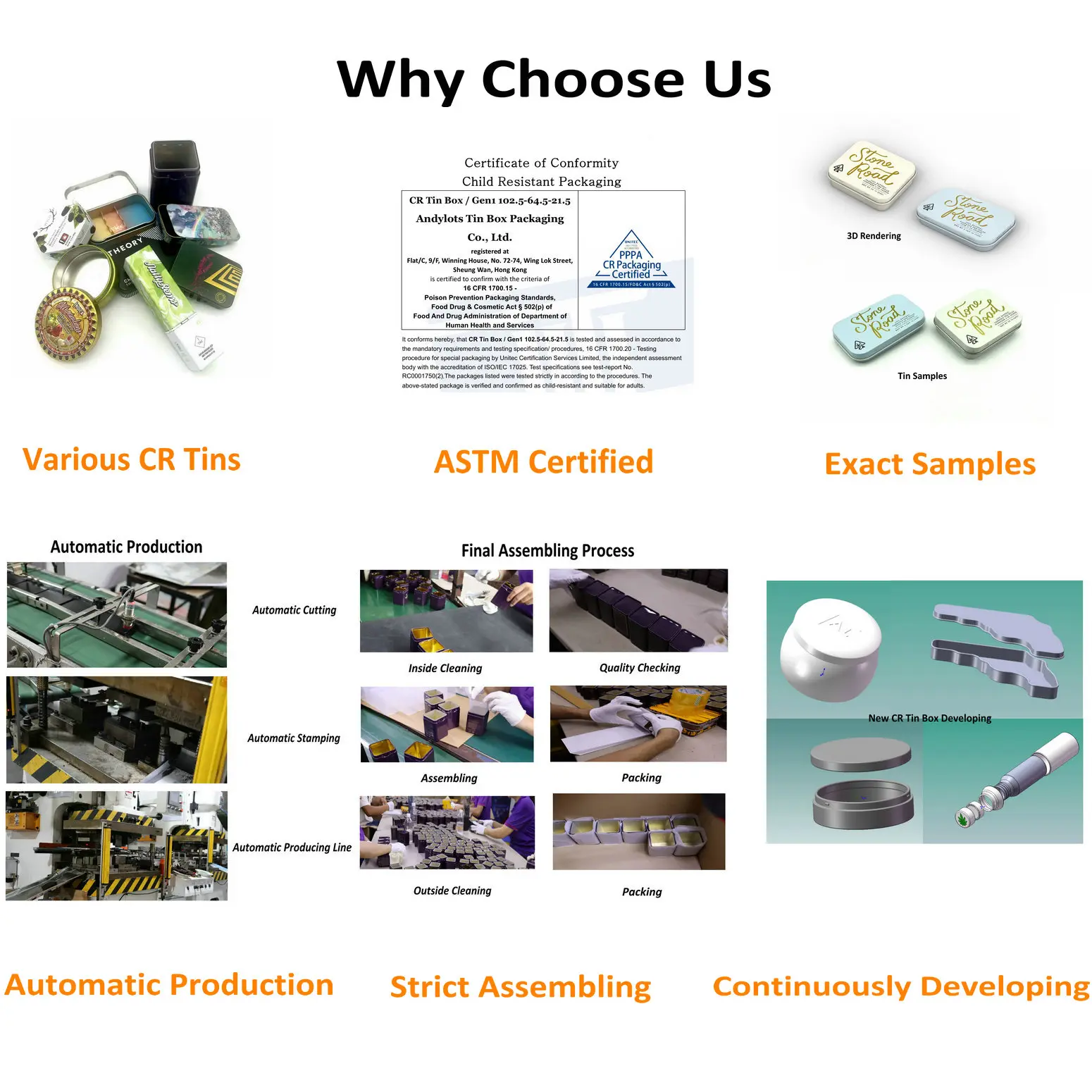
Our designs pass through ASTM certification processes, ensuring they meet Canadian and US state regulations for child-resistant pre-roll and edible packaging, preventing fines or distribution holds.
With high-resolution lithographic offset printing, embossing, and spot varnishes, our packaging transforms a functional container into a premium brand asset that stands out on retail shelves.
Transitioning from single-use plastics to infinitely recyclable steel/tinplate reduces carbon footprint and aligns your business with corporate ESG sustainability goals.
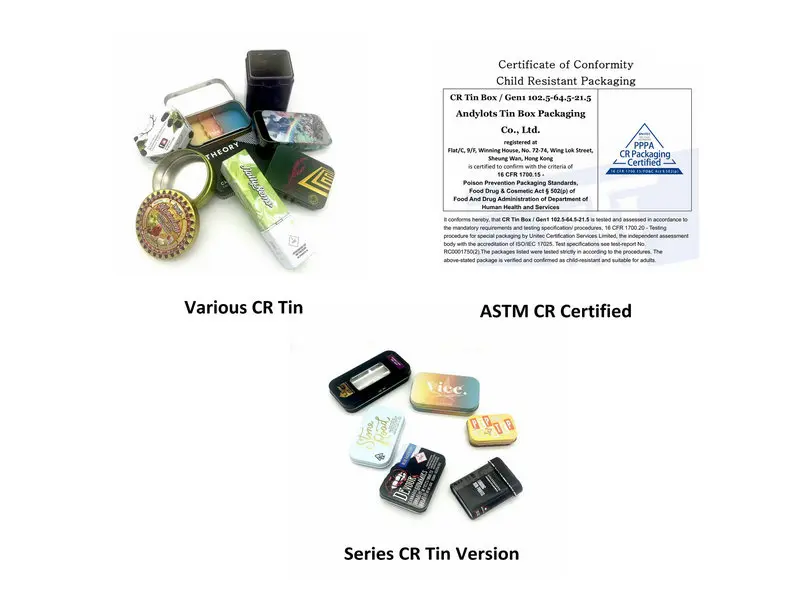
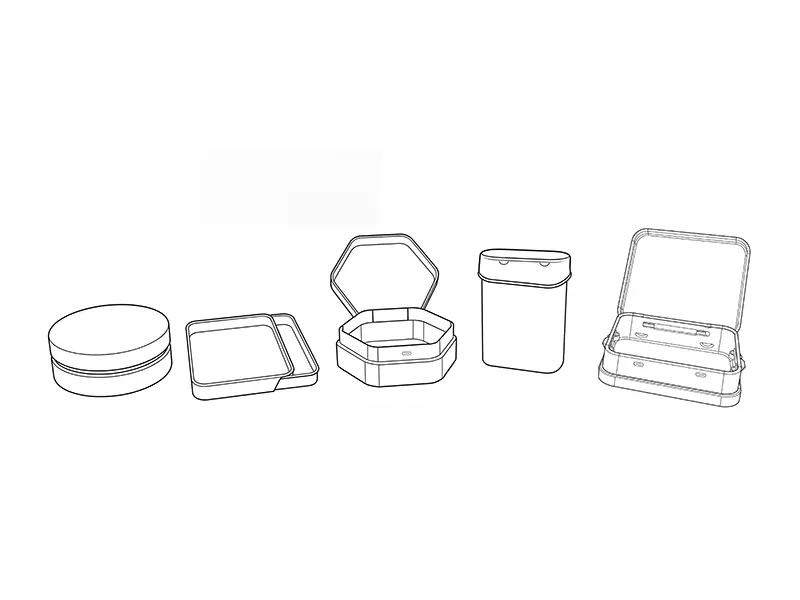
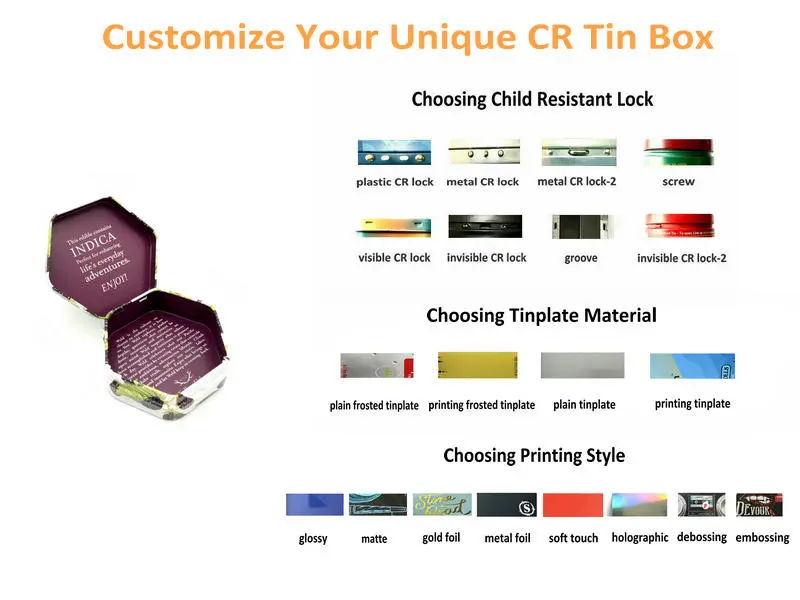
We have developed a comprehensive family of child-resistant locking systems to suit different form factors, including mint tins, round screw-top canisters, and flat sliding card tins. Most of our structures have passed standard ASTM testing protocols, simplifying the validation process for our clients.
High unit costs can be a barrier when transitioning to metal packaging. By optimizing structural steel usage, simplifying lock assemblies, and deploying automated stamping machines, we keep unit costs competitive without sacrificing lock reliability.
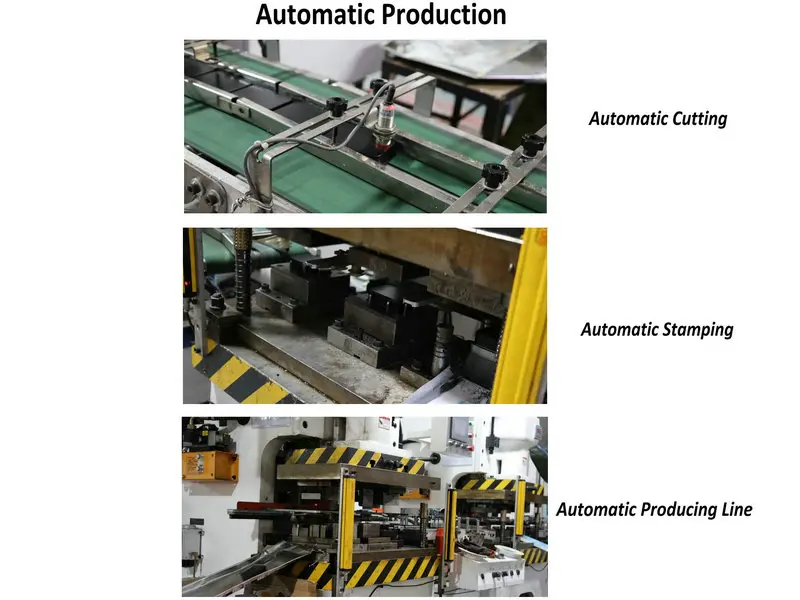
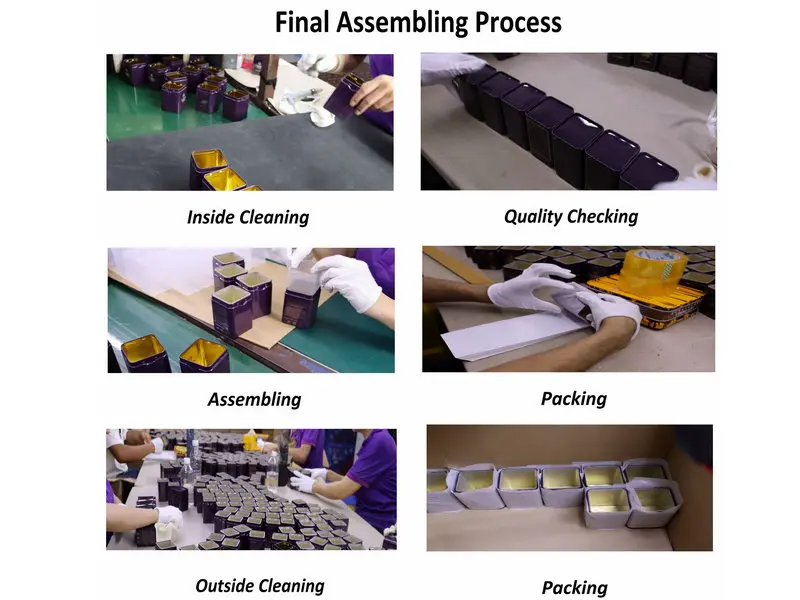
Consistency is critical for child-resistant performance. A minor deviation in stamping depth or gasket thickness can cause a lock to fail or jam. We mitigate this risk with multi-stage quality control checks and automated inspection systems.
To help you visualize your packaging before committing to hard tooling, our engineering department provides rapid modeling and design services. We generate detailed 3D files and high-fidelity plastic mockups within days.
Purchasing packaging at an enterprise scale requires careful planning. Sourcing directors must look beyond price per unit and evaluate the manufacturer's engineering capabilities, supply chain security, and compliance documentation.
Standard tin containers generally use tinplate thickness ranging from 0.23mm to 0.28mm. For custom cigarette tins, choosing the right thickness is vital for structural integrity:
Additionally, the interior coating must match the product. Products with high terpene content, moisture, or active ingredients require protective internal varnishes (such as gold lacquer or food-grade organosol) to prevent chemical reactions between the product and the steel substrate.
Our facility uses advanced printing techniques to elevate your packaging's visual appeal:
Review our full range of certified tinplate configurations, including sliding boxes, button-locking cases, and flip cans.
 CR Tin