Explore our flagship selection of engineered child-proof metallic containers, rigorously tested to safeguard pharmaceuticals, confectionery, and cannabis goods while maintaining visual distinction.
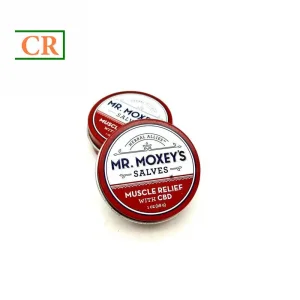
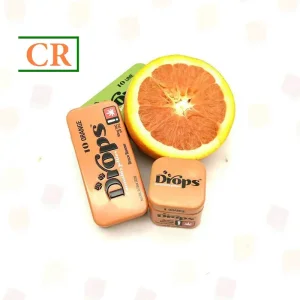
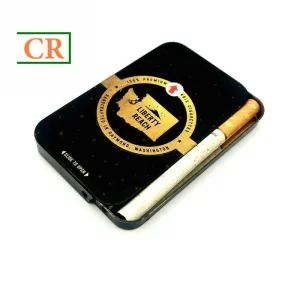
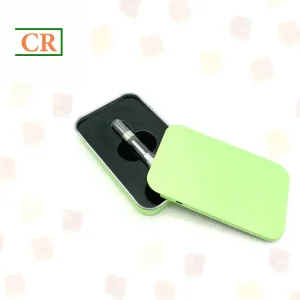
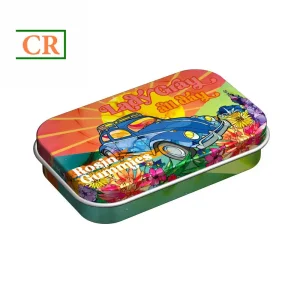
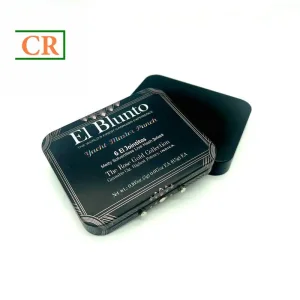
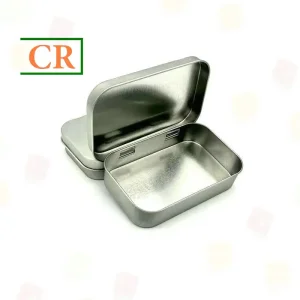
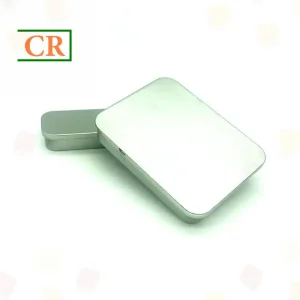
CR Tin (Andylots Tin Box Packaging Co., Ltd) stands as an elite, single-source global manufacturer specializing in child-resistant (CR) and hermetically sealed tin cans. Integratively managing mechanical lock design, rapid CAD rendering, physical SLA/3D plastic prototyping, internal compliance verification, and high-precision mass manufacturing, our structure-first mindset eliminates supply chain redundancies for major corporations.
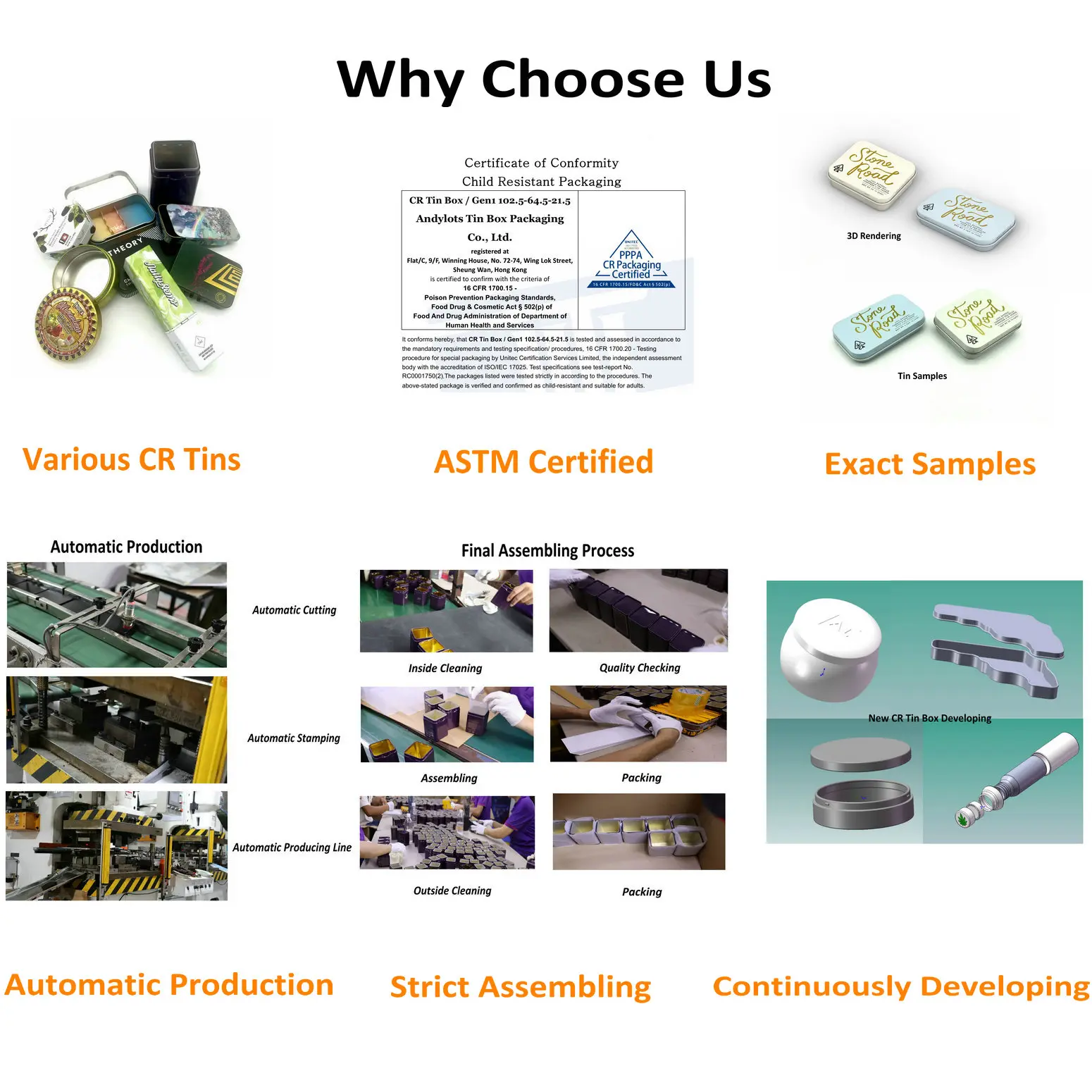
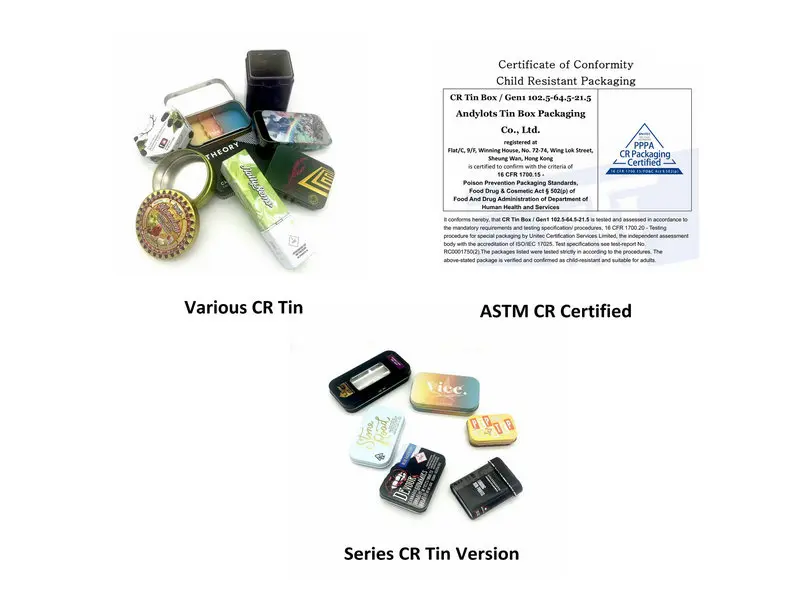
Since establishing our dedicated R&D division for child-safe packaging mechanisms in 2017, we have developed more than 70 certified structures. By consolidating our engineering methodologies, we cater directly to strict regulatory industries, safeguarding customer products while creating stunning premium metallic shelf displays.
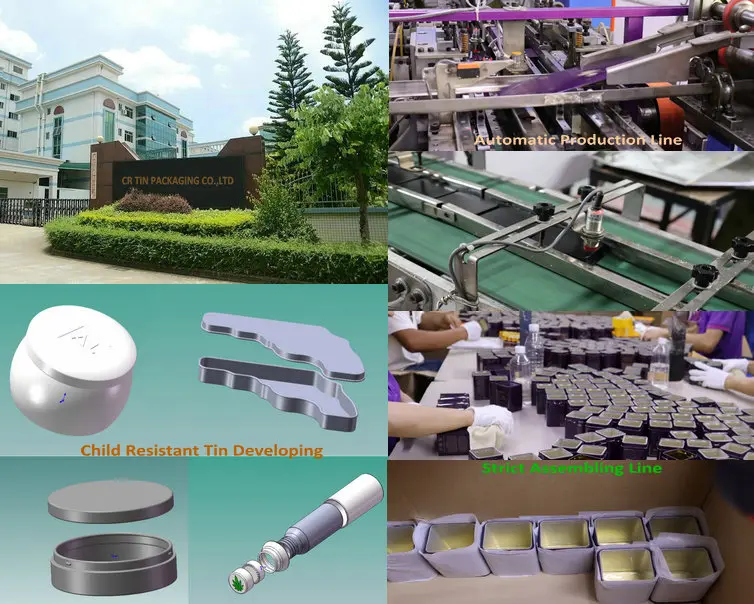
Why modern global enterprises trust CR Tin for their high-barrier protective tinplate requirements. Explore our systematic structure built to minimize unit cost while enforcing compliance.
Our rapid design lab translates concept briefs into 3D rendering visuals within 48 hours. Providing free physical 3D mockups to verify mechanics prior to tooling setup.
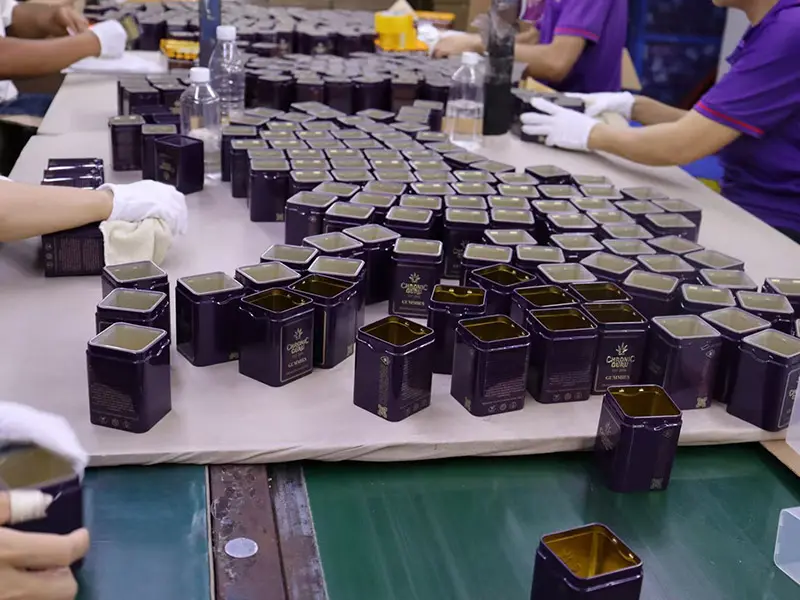
Deploying multi-tier Quality Assurance from raw tinplate evaluation to end-product drop tests. We enforce optical sorting automation alongside specialized human QA inspections.
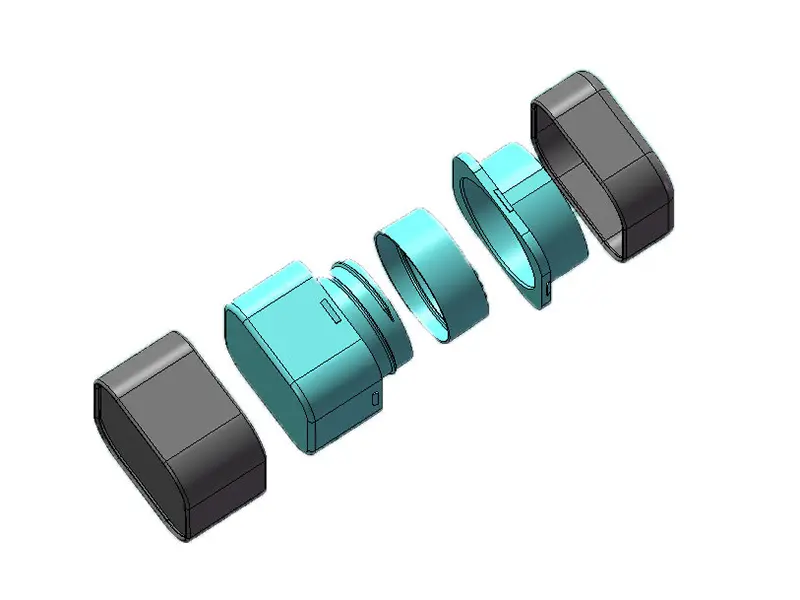
Over 12 structural categories of ASTM certified push-lock, slide-lock, and airtight configurations ready for adaptation, reducing upfront legal validation expenses.
Industrial packaging requirements dictate distinct physical configurations depending on the volatility, vulnerability, and legal classification of the payload. Here is how our engineered tins resolve sector-specific concerns.
For active cannabinoid storage (pre-rolls, edibles, concentrates) and pharmaceutical pills, oxygen barrier protection and moisture exclusion are critical. Volatile terpenes degrade rapidly upon atmospheric interaction.
Confectionery goods containing active extracts, high sugar levels, or volatile flavor oils demand chemically inert interior coatings to prevent surface reactions.
A breakdown of our continuous quality management processes, showing how we reduce factory costs and guarantee tinplate structural integrity at scale.
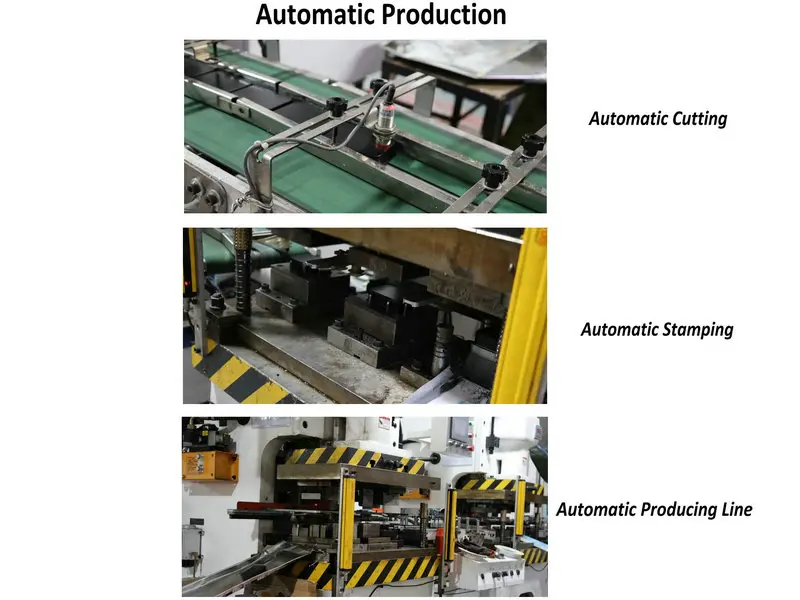
By streamlining raw material consumption through CAD layout optimizations, we achieve high yield rates per square meter of metal sheet. Simpler, certified child-proof mechanisms mean fewer failure points during mass production, yielding a dramatic drop in waste compared to overly complex mechanical slide locks.
Furthermore, we work with long-term tinplate and hardware accessory suppliers, negotiating bulk raw material indices to buffer global brands against pricing volatility in the metal markets.
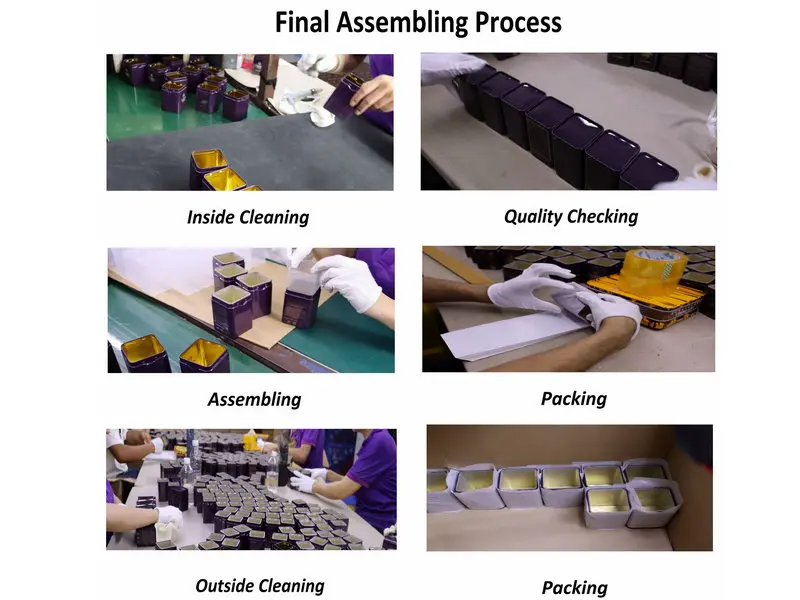
Our quality assurance is built around a multi-stage methodology. Standard testing begins during raw material entry, checking temper, thickness, and coatings. The secondary stage utilizes inline automated sensors to verify uniform dimensions on locks, ensuring consistent opening resistance across production batches.
Prior to shipment, the third-party inspection firms (SGS, TUV, Bureau Veritas) verify batches to ensure they align with clients' internal import protocols, yielding frictionless custom clearing.
Combining the power of scale with automated quality control systems, our facility represents the vanguard of modern sheet metal packaging.
Our packaging facilities utilize a modular assembly approach, combining custom mold bases with interchangeable core inserts. This allows clients to quickly modify design proportions without commissioning entirely new, cost-prohibitive die sets.
Integrating advanced UV print lines and direct tinplate flatbed lithography, we reproduce intricate corporate graphics, texture gradients, and matte-gloss contrasts with exceptional fidelity. We also offer secure serialization, enabling brand managers to print dynamic QR codes and anti-counterfeiting tracking matrices directly onto individual canisters.
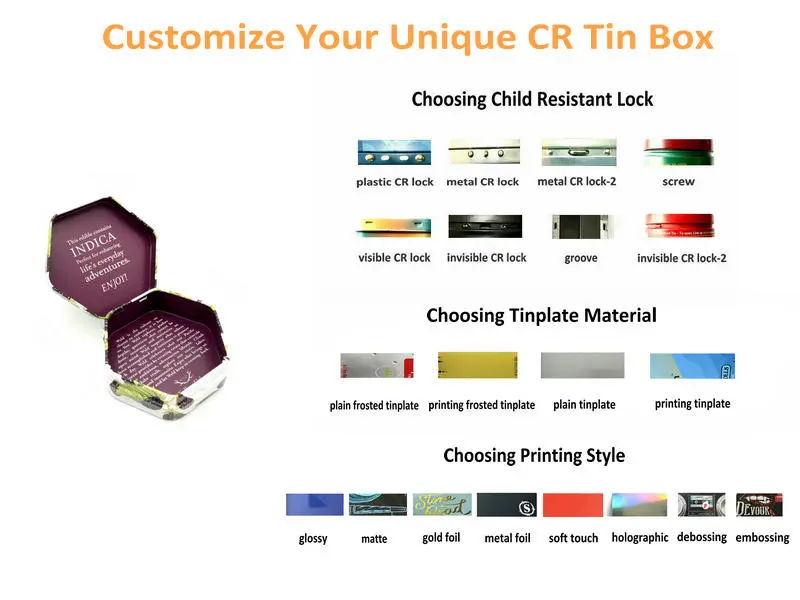
For critical containment systems, selecting the right metal packaging is a balance of chemistry, geometry, and mechanical engineering. Raw tinplate is thin sheet steel coated with a micro-layer of pure tin, combining the structural strength and ductility of steel with the non-toxic, corrosion-resistant properties of tin. Our factory utilizes select temper grade steel (T2, T3, and DR8) with targeted thickness ranges (0.20mm to 0.25mm) to ensure physical flexibility during forming operations without sacrificing final structural rigidity.
For products demanding strict hermetic performance, traditional single-drawn canisters fail to prevent gas diffusion due to minute variations along the curled seams. To resolve this, our engineering team integrates specialized silicone and elastomeric compounds into our double-seam and compound curl configurations. These food-safe materials seal the micro-gaps between the overlapping metal folds, creating a barrier that restricts gaseous transfer to near-zero levels. This system helps keep moisture and oxygen out, extending the shelf-life of volatile pharmaceuticals and premium food ingredients beyond traditional plastic packaging options.
Concurrently, to satisfy global compliance regulations including USA 16 CFR § 1700.20 and European ISO 8317, child-resistant lids are engineered on a dual-vector physical release mechanism. Lids must require two independent motions, such as a localized squeeze paired with an axis rotation or a perpendicular slide, to open. This ensures safety for curious children while maintaining usability for senior citizens.
Expert answers addressing the logistical, mechanical, and regulatory concerns of global packaging procurers and industrial developers.
Our designs undergo testing protocols matching 16 CFR § 1700.20 standards. We submit prototype configurations to third-party labs where panel tests verify effectiveness. Our child-resistant tin boxes are built with reliable tolerances to ensure consistent performance over time.
We provide full CMYK offset and PMS spot lithography on our raw tinplate sheets. Finishes can be tailored with gloss, matte, crackle, or spot UV coatings, along with custom debossing or embossing for a textured, tactile quality.
Our airtight tins feature food-grade silicone or PVC gaskets embedded within the inner lid channels. This elastic seal compresses when closed, creating a gas barrier that keeps humidity and oxygen out to help preserve fresh product contents.
Standard engineering drawings and 3D visual files are completed within 48 hours. Upon design approval, physical sample tooling is produced within 12-15 days. Mass-production tooling and initial order completion typically take 25-30 days.
We work with international logistics providers to coordinate shipping using FOB, CIF, or DDP terms. All custom clearance documentation, certified lab test reports, and certificate of origin paperwork are packaged with each shipment to ensure simple processing at customs portals.
Tinplate is a highly sustainable packaging choice. It is magnetic, making it easy to separate and recycle in standard municipal recycling systems. Our tins can be recycled repeatedly without losing their mechanical strength or barrier performance.
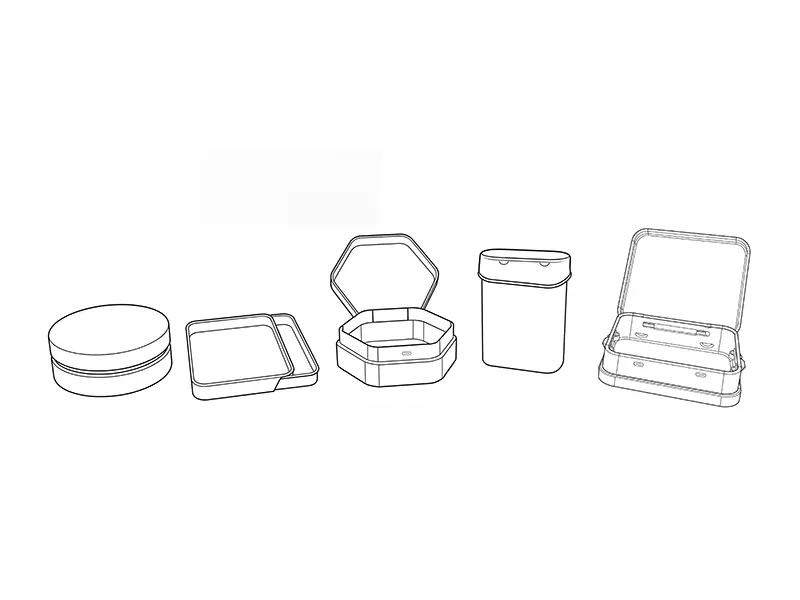
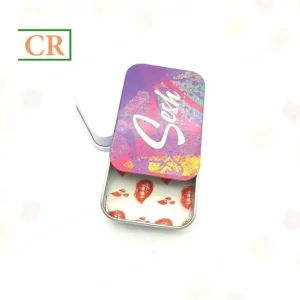
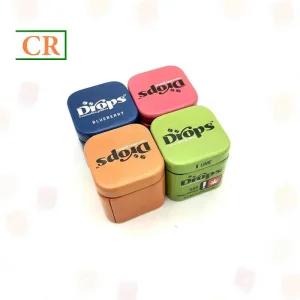
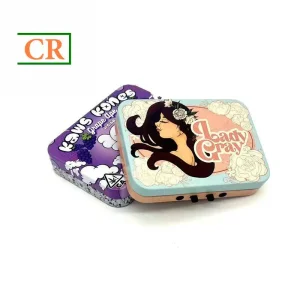
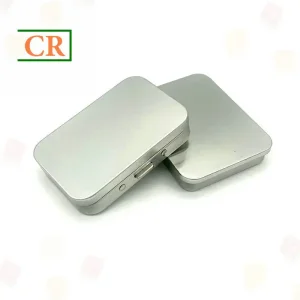
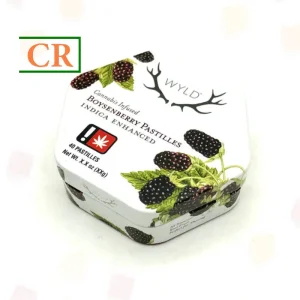
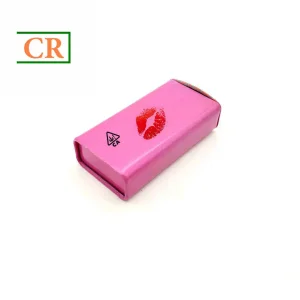
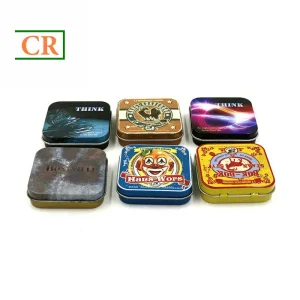
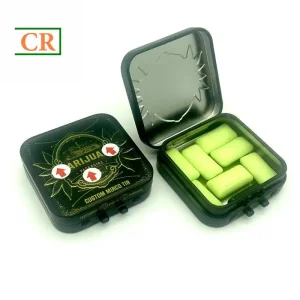
A secondary curated selection of our custom metallic containers, showcasing slide-tops, button-locks, and miniature tin cubes designed for diverse retail applications.
 CR Tin